Smart Glass Doors: Revolutionizing Energy-Efficient Home Design
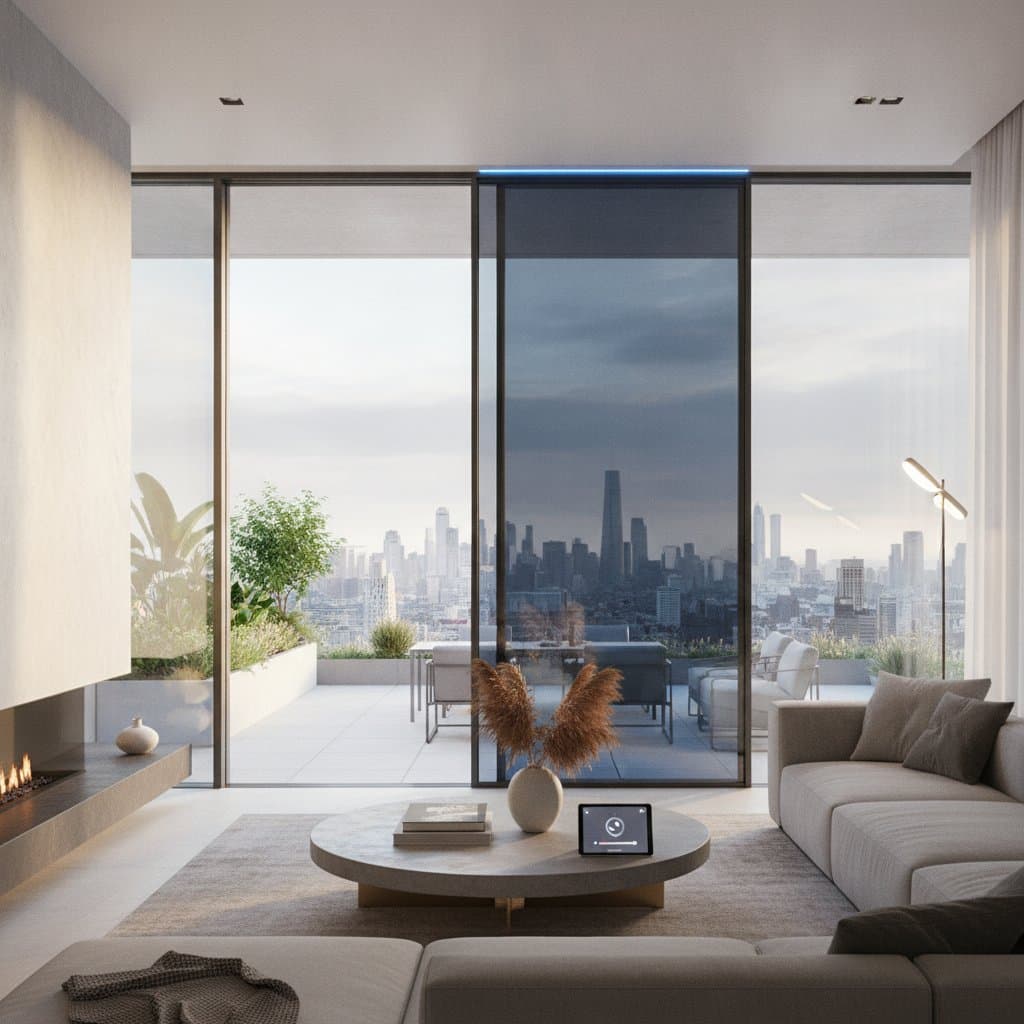
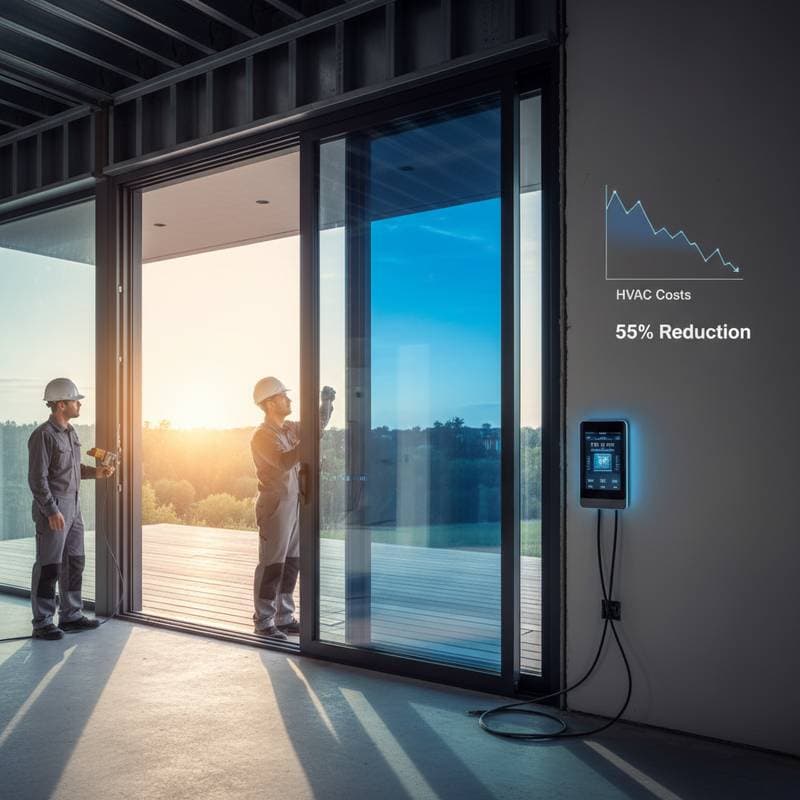
Smart glass doors transform the way homeowners approach comfort, privacy, and energy consumption. Electrochromic glass, once a concept from science fiction, now offers practical benefits by dynamically adjusting transparency in response to sunlight and temperature changes. These doors can decrease heating and cooling costs by more than 50 percent while preserving a contemporary, naturally illuminated interior.
The technology responds to environmental light levels, which cuts down on glare and eliminates the reliance on blinds or thick drapes. Homeowners enjoy an expansive connection to the outdoors, all while upholding energy efficiency and personal privacy.
Three Implementation Strategies
Budget-Friendly Option ($2,000 - $4,000)
- Opt for single-panel smart glass inserts compatible with existing patio or French doors.
- Select retrofit kits designed to fit standard door frames, thereby avoiding complete door replacements.
- Allocate funds primarily to the glass components, postponing advanced smart home integrations.
Mid-Tier Option ($5,000 - $9,000)
- Deploy complete smart glass door setups equipped with integrated sensors and manual control mechanisms.
- Incorporate double-glazed panels to improve insulation and dampen external noise.
- Program smart tinting schedules aligned with daily routines to optimize natural light and privacy levels.
Premium Option ($10,000 - $18,000)
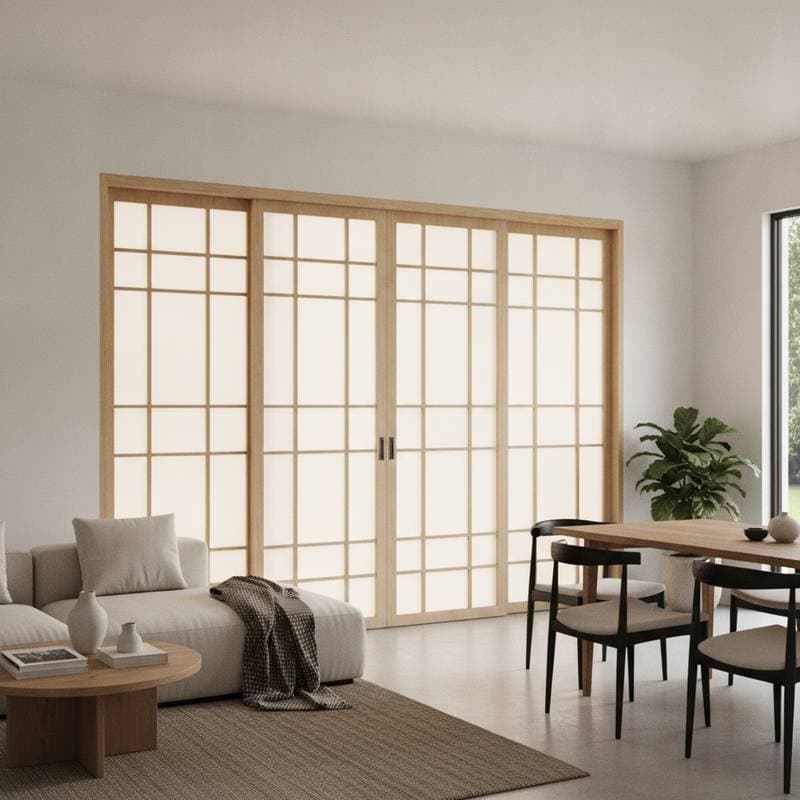
- Install sophisticated electrochromic sliding or folding door configurations featuring aluminum or composite frames.
- Connect the system to comprehensive home automation networks for optimized energy oversight.
- Apply multi-layer low-emissivity coatings alongside argon gas-filled glazing to achieve superior thermal efficiency and extended durability.
Selecting Materials and Finishes
Smart glass doors merge innovative technology with versatile architectural elements. Appropriate materials and finishes elevate visual appeal, operational effectiveness, and resistance to wear over time.
- Complementary Windows: Pair with electrochromic casement or fixed window units in neutral gray or subtle bronze tints. Black or dark bronze frames provide striking contrast for modern facades, whereas warm white or taupe frames align with classic architectures.
- Door Frames: Aluminum or composite materials prevent warping and perform well in humid environments. Wood-clad aluminum options deliver interior warmth paired with robust exterior protection. Frosted variants of smart glass ensure privacy while permitting light passage.
- Exterior Siding: Coordinate with fiber cement or engineered wood siding in serene neutrals such as driftwood gray or sandstone beige. Deep charcoal siding offers dramatic contrast against the glass's reflective qualities.
- Hardware and Trim: Employ sleek black or matte nickel accents to sustain a contemporary vibe. Slim trim profiles direct attention to the glass surface and foster precise architectural contours.
Essential Maintenance Practices
Smart glass doors demand minimal daily attention compared to conventional glass installations, yet consistent care preserves their transparency and functionality.
- Surface Cleaning: Apply non-abrasive glass cleaners with microfiber cloths to prevent surface scratches. Steer clear of aggressive chemicals that could compromise protective layers.
- Electronic Components: Inspect wiring connections regularly, particularly in retrofit installations. Schedule professional inspections every few years to verify reliable tinting operations.
- Frame Upkeep: Aluminum frames inherently resist corrosion, but powder-coated surfaces benefit from gentle soap-and-water cleaning. Wood-clad frames require resealing periodically based on environmental exposure.
The electrochromic mechanism operates without mechanical components, which lowers ongoing maintenance expenses relative to motorized shading alternatives. Panels typically endure for decades with negligible degradation in performance.
Common Pitfalls to Sidestep
- Neglecting Regional Climate: Performance varies by location, so select glazing with insulation ratings matched to local weather patterns. In warmer areas, prioritize options with elevated solar heat rejection coefficients.
- Disregarding Control Features: Manual tinting controls may reduce upfront costs, but automation yields optimal energy reductions. Sensors enable real-time adjustments for steady indoor conditions.
- Overlooking Electrical Requirements: These doors need low-voltage power sources. Plan wiring during initial setup to prevent expensive modifications later; involve electricians and installers from the outset.
- Mismatched Aesthetic Choices: Dark-tinted glass paired with stark white trim often appears disjointed. Harmonize glass hues with frame and siding selections for unified visual impact.
Harmonizing Colors and Styles
Smart glass doors adapt seamlessly to diverse architectural themes, ranging from minimalist modern to inviting transitional designs. Success hinges on aligning transparency levels, color tones, and frame treatments.
- Monochromatic Schemes: Utilize grays, silvers, and blacks for cohesive modernity. Graphite frames with pale gray smart glass and cool siding create fluid transitions.
- Contrasting Schemes: Combine light stone or cream siding with rich bronze or black frames for impactful statements. The glass's variable tint introduces evolving visual depth across daylight hours.
- Earthy Schemes: Integrate cedar or chestnut-toned wood siding with untinted or lightly shaded glass and bronze frames. This approach suits residences that prioritize organic materials and environmental blending.
Homeowners generally benefit from subdued palettes that highlight the technology without dominating the overall structure.
Realizing Energy Savings and Financial Returns
Smart glass doors achieve tangible reductions in energy use by regulating solar heat influx and thermal exchange. Darkened states prevent excess warmth from penetrating interiors, thereby easing air conditioning loads. In milder weather, transparent modes harness passive solar heating to support natural warmth.
This dynamic control diminishes HVAC dependency, often halving utility bills. Properties with significant south- or west-facing exposures realize the greatest advantages.
Entry-level configurations enhance comfort through glare mitigation and temperature consistency. Advanced mid- and high-end models amplify benefits via layered coatings and sensor integrations.
The upfront costs typically offset through sustained energy reductions and decreased HVAC maintenance. Additionally, the modern, efficient attributes boost property market value.
Pre-Installation Documentation Guide
Document existing home features thoroughly before committing to smart glass doors. Such records assist contractors in tailoring designs precisely to your space.
- Exterior Documentation: Photograph every facade, emphasizing installation zones.
- Style Analysis: Record details like trim dimensions, material shifts, and roof configurations.
- Community Context: Assess neighboring architectures to ensure harmonious integration.
- Regulatory Review: Verify permissions for tinted or reflective surfaces under HOA or municipal rules.
- Environmental Notes: Log daily and seasonal sunlight patterns and exposure angles.
- Financial Focus: Pinpoint priority zones, such as primary living areas or frequent entryways.
Tailoring the Upgrade to Your Home
Light interacts uniquely with each residence, and smart glass doors respond dynamically to these nuances. They reshape daily interior experiences by preserving vistas while managing glare and climate fluctuations.
For those seeking refined design paired with quantifiable efficiency, electrochromic glass proves a strategic enhancement. Thoughtful application elevates both sustainability and visual stature.
Begin with targeted retrofits or envision expansive systems, always prioritizing material synergy, color balance, and control precision. Collaborate with seasoned professionals, outline objectives clearly, and embrace this upgrade as a commitment to lasting comfort and elegance.