Hidden Track Barn Doors See Explosive Growth
Homeowners continue to seek solutions that combine style with function. Hidden track barn doors have emerged as a leading choice for those who want clean lines and efficient use of space.
What Defines a Hidden Track System
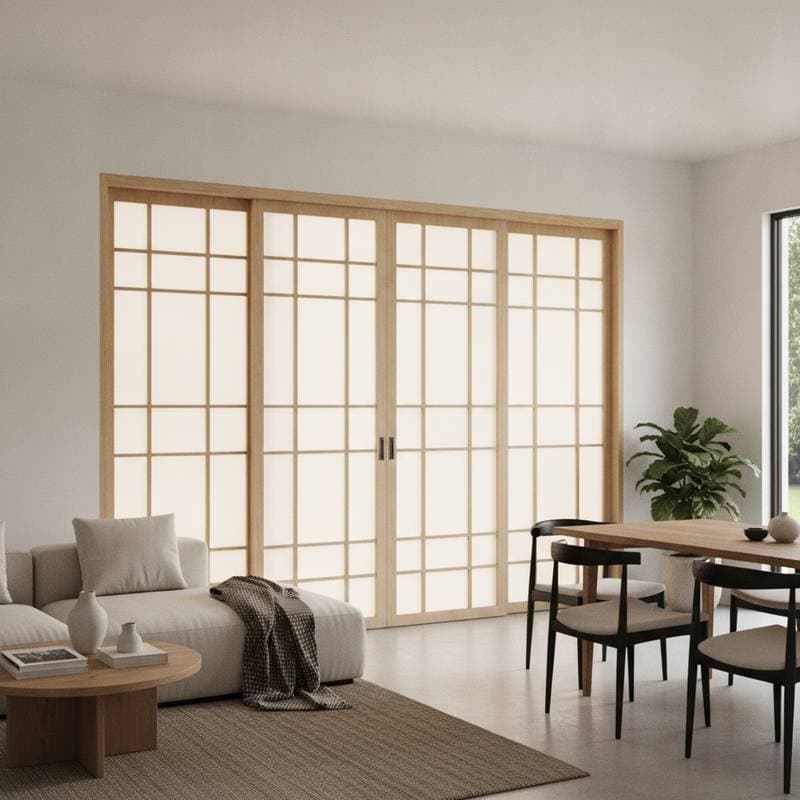
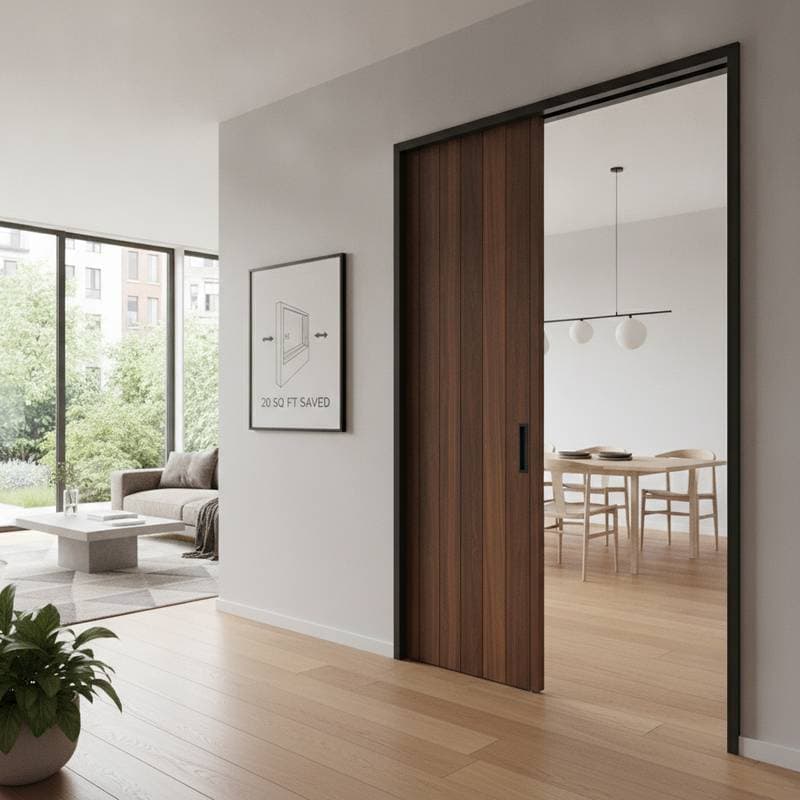
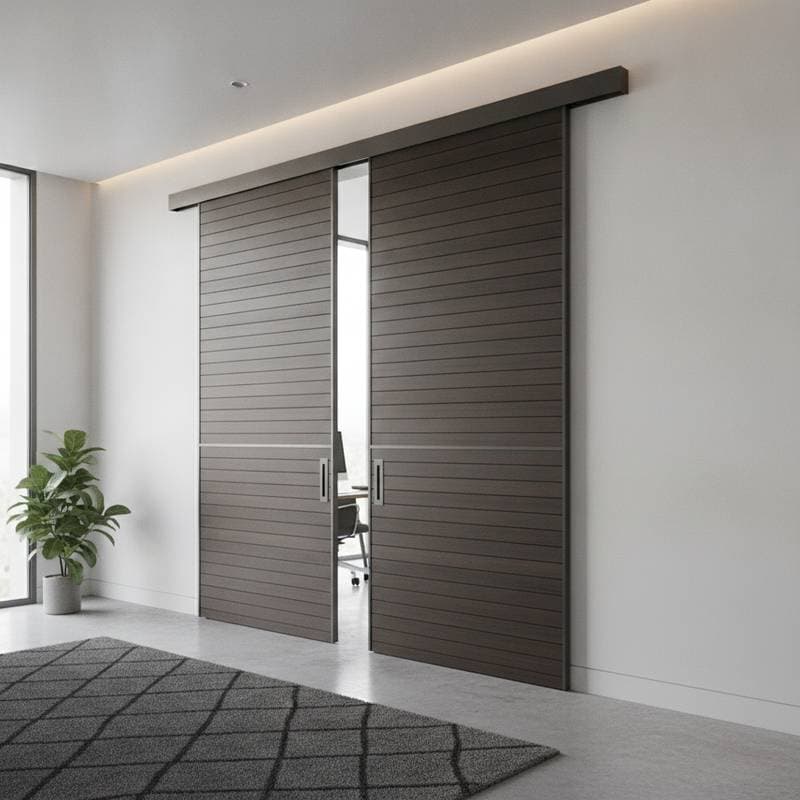
A hidden track barn door conceals the hardware within the wall or ceiling structure. Rollers and guides remain out of sight, which produces a flush appearance when the door is closed. This design differs from traditional barn doors that expose metal tracks and brackets.
The mechanism relies on precision engineering. Tracks sit inside a header or pocket, and soft close dampers control movement. The result is quiet operation and a minimalist profile that suits modern interiors.
Reasons for the 300 Percent Increase
Several factors drove the sharp rise in demand during 2026. First, open concept layouts require flexible room dividers that do not interrupt sight lines. Second, remote work increased the need for private spaces that can be created quickly. Third, material innovations made durable, lightweight panels more accessible at various price points.
Design publications featured the systems frequently. Social media posts highlighted before and after transformations, which accelerated consumer interest. Builders began specifying hidden track options in new construction to meet buyer expectations.
Design and Functional Benefits
These doors deliver several practical advantages:
- Space efficiency. No swing radius is required, which frees floor area for furniture placement.
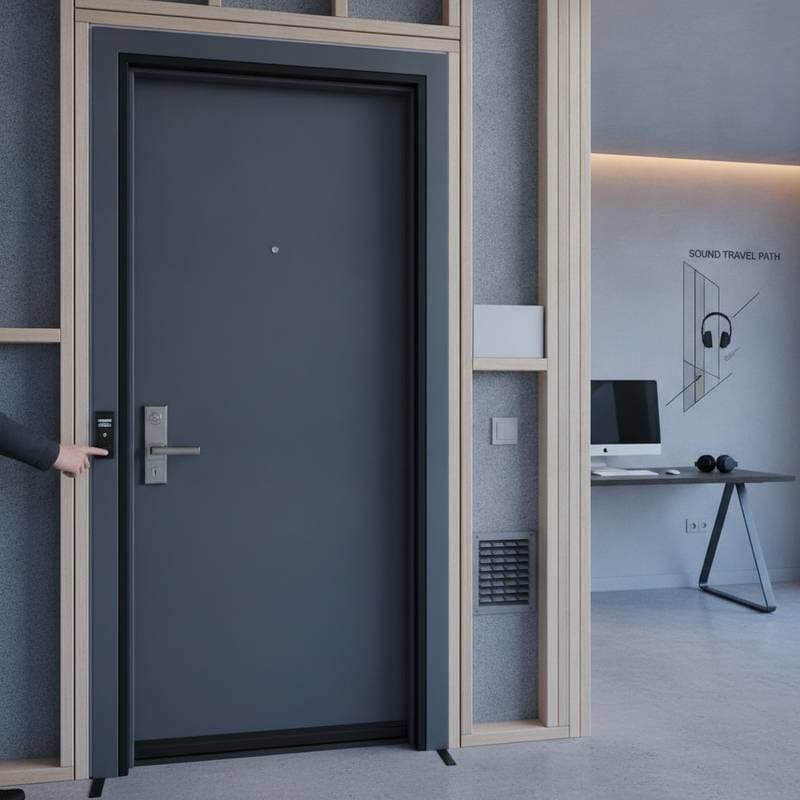
- Acoustic separation. Solid cores and tight seals reduce sound transmission between rooms.
- Material variety. Options include wood veneers, metal, glass, and painted surfaces that match existing trim.
- Customization. Widths, heights, and finishes can be tailored to nonstandard openings.
Homeowners report improved traffic flow in hallways and living areas. The seamless look also supports minimalist color palettes and built in storage solutions.
Cost Considerations
Pricing varies based on size, material, and installation complexity. Basic residential units start near 1200 dollars for a standard six foot opening. Mid range selections with upgraded finishes fall between 2500 and 4500 dollars. High end custom work that includes pocket framing and specialty hardware can exceed 7000 dollars.
Professional installation is recommended. Wall reinforcement and precise alignment affect long term performance. Budget an additional 800 to 1500 dollars for labor in most markets.
Selection and Installation Steps
Follow these steps to ensure a successful project:
- Measure the opening accurately and confirm wall depth for track housing.
- Choose a core material that meets acoustic and weight requirements.
- Verify that the selected hardware supports the panel weight with a safety margin.
- Coordinate with a carpenter or millwork shop experienced in concealed systems.
- Schedule finishing work after hardware testing to avoid surface damage.
Maintenance Practices
Routine care keeps the system operating smoothly. Wipe tracks with a dry cloth every few months to remove dust. Lubricate rollers according to manufacturer guidelines, typically once a year. Inspect soft close components during seasonal cleaning and replace worn parts promptly.
Long Term Value
Hidden track barn doors add both utility and visual appeal. They support evolving floor plans without permanent construction changes. Property listings that include these systems often note faster buyer interest and stronger offers in competitive markets.