Why Barn Doors Fail: Pocket Doors' 2026 Comeback
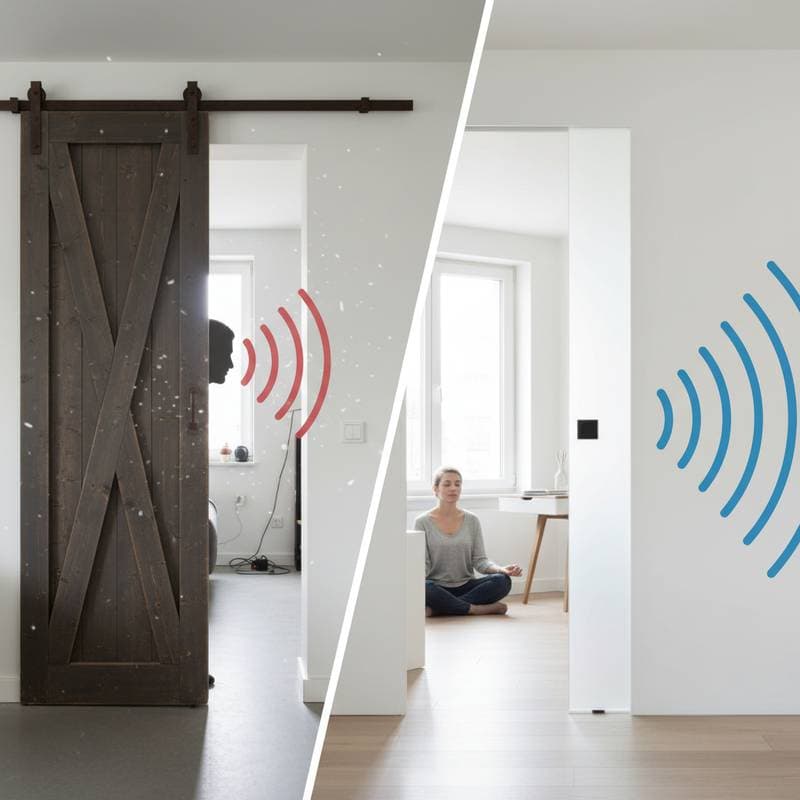
Sliding barn doors once dominated home design feeds. They offered rustic charm and a space-saving promise that appealed to modern farmhouse enthusiasts and urban loft dwellers alike. However, as homeowners live with these installations longer, design flaws become harder to ignore. Poor sound insulation, awkward wall clearance, and maintenance issues prompt many to search for sleeker, quieter alternatives.
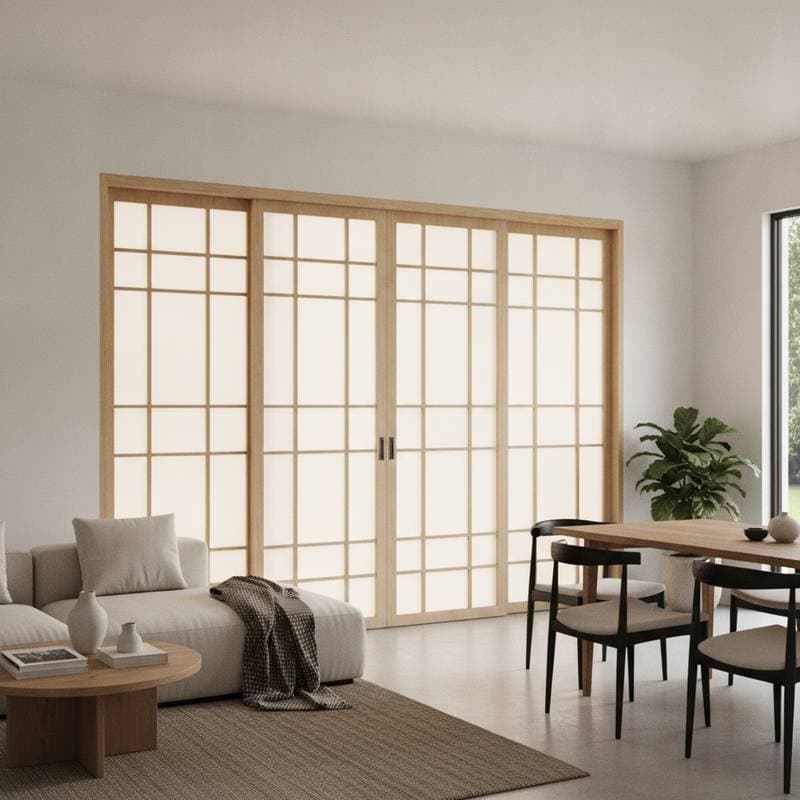
Pocket doors, once viewed as outdated, return with improved hardware, better installation systems, and design versatility that fits nearly every style. This revival reflects a broader movement toward clean lines, efficient use of space, and functional elegance. Pocket doors combine visual simplicity with genuine practicality, creating seamless connections between rooms without the bulk or noise of sliding barn doors.
Three Ways to Get This Look
Save Approach ($400 - $1,000)
- Select a lightweight hollow-core pocket door kit from standard home improvement stores.
- Use pre-finished frames and basic hardware to minimize installation cost.
- Keep finishes neutral, such as soft white or warm gray, to blend with most interiors.
- Invest in smooth-tracking rollers to prevent sticking and noise.
Mid-Range Approach ($1,200 - $2,500)
- Choose a solid-core wood or MDF pocket door for better sound control and durability.
- Upgrade to quiet-close mechanisms and concealed trim hardware.
- Consider painted finishes like muted sage or deep navy for a refined look.
- Add a simple glass panel insert to share light between rooms without sacrificing privacy.
Invest Approach ($3,000 - $6,000)
- Opt for custom-built pocket doors made from premium hardwoods such as walnut, oak, or cherry.
- Include integrated soft-close and self-aligning tracks for smooth performance.
- Enhance the door with architectural trim, minimalist pulls, or frosted glass panels.
- Coordinate finishes with adjacent millwork and flooring for a cohesive, high-end result.
Material and Finish Guide
Door panels require careful selection for long-term performance. Engineered wood or composite cores resist warping and cracking with minimal maintenance. Solid wood brings warmth and natural grain variation but requires periodic refinishing. Painted finishes offer color flexibility, while stained wood enhances the natural character of the material.
Frames and tracks demand durability for reliable operation. Aluminum and steel track systems provide smoother motion and longer life than basic plastic rollers. Concealed tracks maintain clean sightlines.
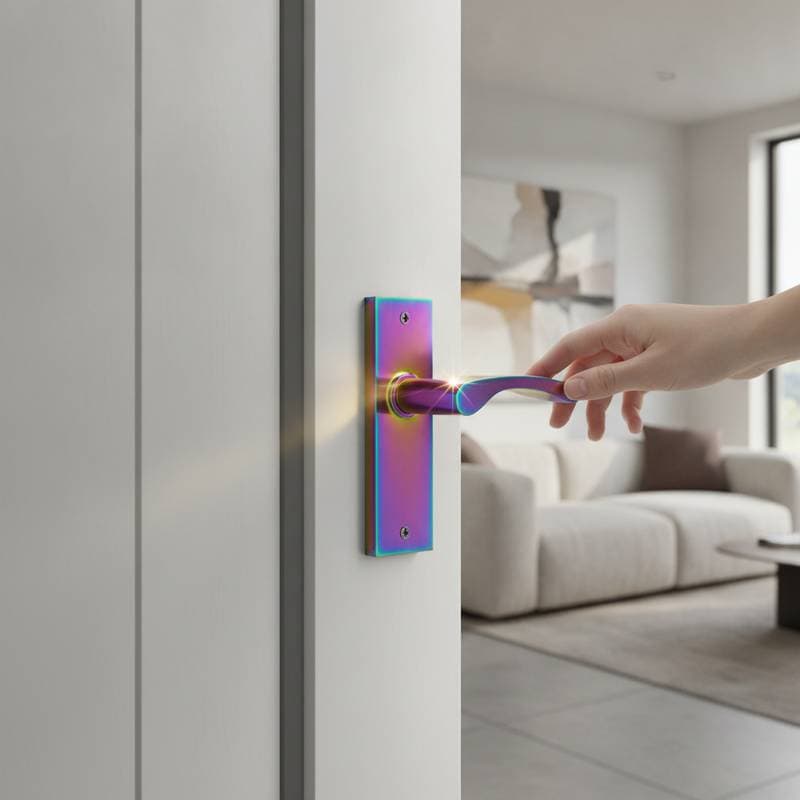
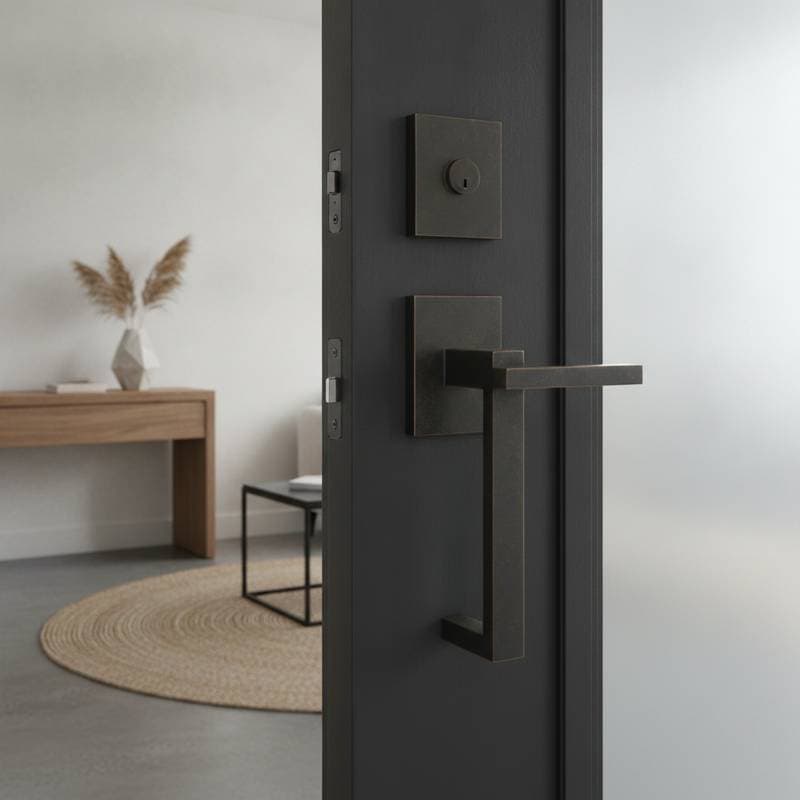
Hardware choices influence both function and aesthetics. Brushed nickel, matte black, and aged brass finishes complement most interior palettes. Flush pulls keep the profile sleek and prevent protrusion issues.
Glass options add versatility to pocket doors. Frosted, ribbed, or reeded glass panels introduce texture and light diffusion. Tempered safety glass ensures durability in high-traffic areas.
Trim and accents complete the installation. Matching baseboards and casings create a built-in feel. Minimalist trim suits contemporary spaces, while detailed moldings fit traditional interiors.
Maintenance Reality Check
Barn doors appear easy to maintain until dust builds up on exposed tracks and rollers start squeaking. Gaps at the top and sides compromise privacy and allow sound to travel freely. Pocket doors, when installed properly, avoid these issues but require careful attention during setup.
Pocket systems demand precise framing to ensure smooth operation. Once installed, upkeep remains minimal. Occasional track lubrication, hardware tightening, and gentle cleaning of the rollers maintain reliable performance. Painted doors may need touch-ups over time, while natural wood versions benefit from a light polish or protective oil once a year.
A well-made pocket door lasts decades with little fuss, especially if the wall cavity stays moisture-free. Avoid hanging artwork or shelving on walls that conceal the door to prevent interference with movement.
Avoid These Mistakes
- Improper Framing: Installing a pocket door without reinforcing the cavity leads to wobbling or sticking. Ensure studs and headers align properly.
- Oversized Openings: Too wide a doorway causes structural weakness unless a reinforced frame supports it. Select dimensions proportionate to the room.
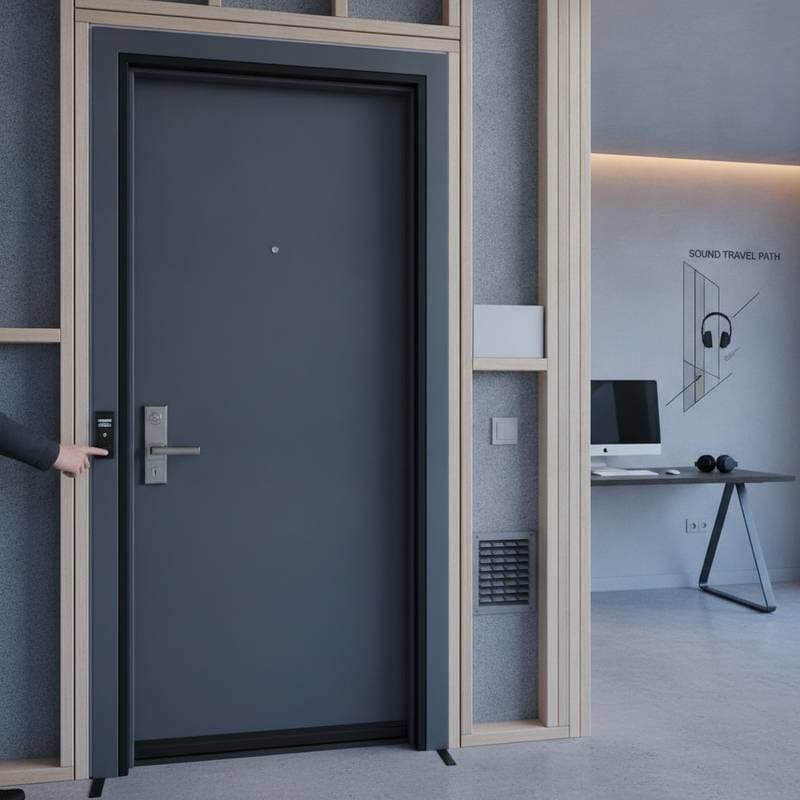
- Ignoring Soundproofing: Thin doors or poor seals transmit noise easily. Choose solid-core doors and sound-dampening jamb kits for better privacy.
- Underestimating Professional Installation: DIY kits appear simple but misalign easily. A qualified carpenter guarantees long-term reliability and smooth operation.
- Choosing Fashion Over Function: Trendy finishes may not match long-term design visions. Prioritize neutral, timeless tones that complement multiple decor updates.
Color and Style Coordination
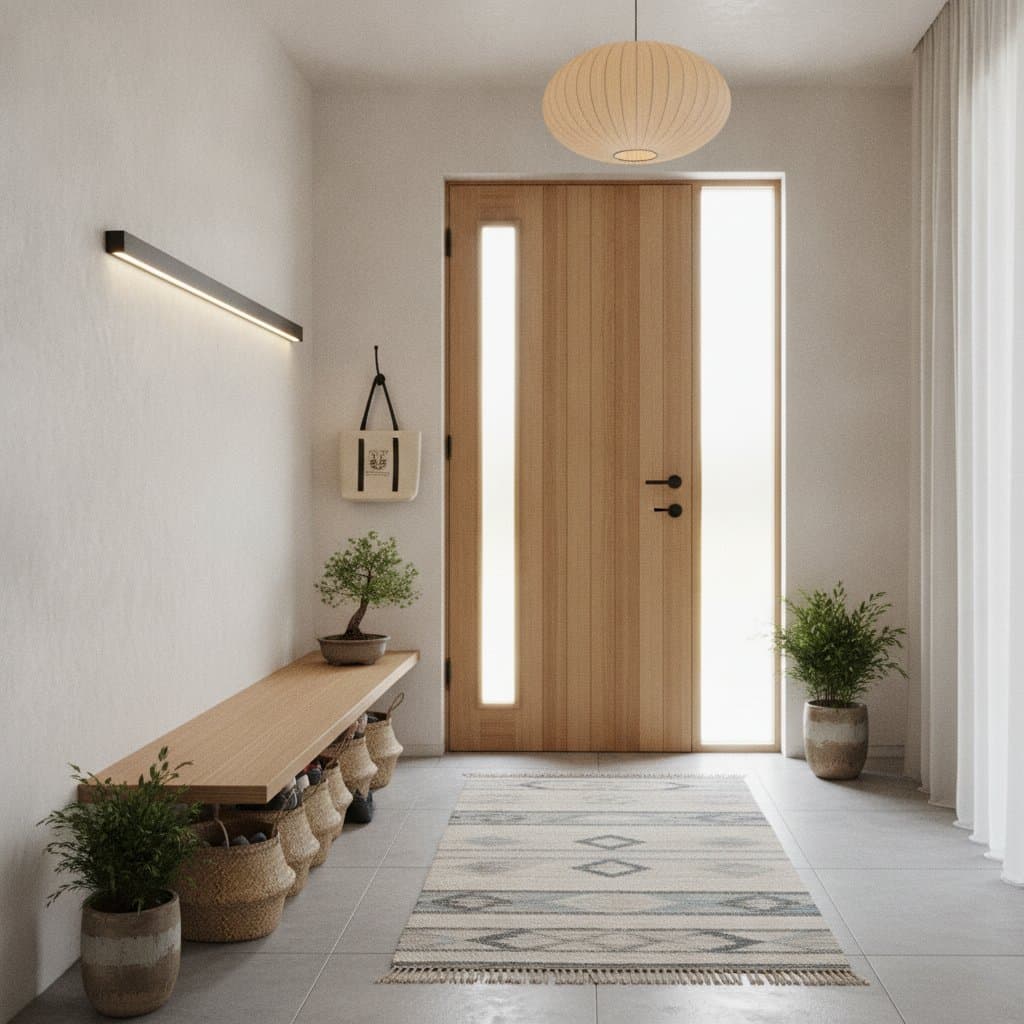
Pocket doors adapt to nearly any design direction with appropriate materials and finishes. In modern minimalist interiors, a flush white or charcoal-gray panel with matte black hardware delivers a crisp, balanced appearance. In rustic or transitional homes, natural oak or light walnut finishes add warmth without overwhelming the space.
Recommended Palette:
- Soft White: Clean and adaptable, ideal for bright interiors.
- Warm Taupe: Works with both natural wood and painted trim.
- Dusty Blue: Adds calmness and pairs well with brushed nickel.
- Charcoal Gray: Offers contrast without appearing heavy.
- Natural Oak: Brings texture and organic appeal to neutral walls.
Coordinating door finishes with flooring, trim, and wall tones achieves visual flow that barn doors often disrupt. The hidden track system keeps the look uncluttered and harmonious.
Why Barn Doors Lose Their Charm
The barn door's visual impact fades when daily use exposes its flaws. Noise leakage, visible hardware, and clearance issues limit placement options. In tight corridors, the space beside the doorway must remain clear for sliding, wasting valuable wall area. The rustic aesthetic, once fresh, feels forced in contemporary homes.
Many homeowners find barn doors difficult to align properly, leading to scraping or uneven gaps. Dust and pet hair collect along the track, requiring frequent cleaning. As design preferences shift toward quieter, cleaner lines, the barn door's bulky presence appeals less.
Pocket doors solve these issues by disappearing into the wall, freeing both sides for furniture placement and decor. Their subtlety complements open-plan layouts, providing privacy when needed without interrupting flow.
Planning Photography Checklist
Before selecting a door system, document the current space to identify limitations and opportunities.
- Take wide-angle photos from multiple viewpoints to understand how the doorway interacts with adjacent walls and furnishings.
- Record architectural details such as molding, trim depth, and ceiling height.
- Note existing colors and finishes to guide material coordination.
- Check wall thickness and framing layout to confirm compatibility with pocket installation.
- Review budget priorities to decide where to invest in materials or hardware upgrades.
These visuals help homeowners and contractors align on design goals and avoid costly missteps during installation.
Achieving Seamless Integration
The shift from barn to pocket doors reflects more than changing tastes. It highlights appreciation for subtle craftsmanship, acoustic comfort, and genuine usability. A well-designed pocket door enhances flow and function while maintaining aesthetic harmony across rooms.
Selecting quality materials, respecting installation details, and coordinating finishes thoughtfully allows homeowners to enjoy the elegance of movement that pocket doors provide. This comeback emphasizes refinement, where design and practicality meet without compromise.