Japandi Shoji Doors Redefine Open-Plan Serenity
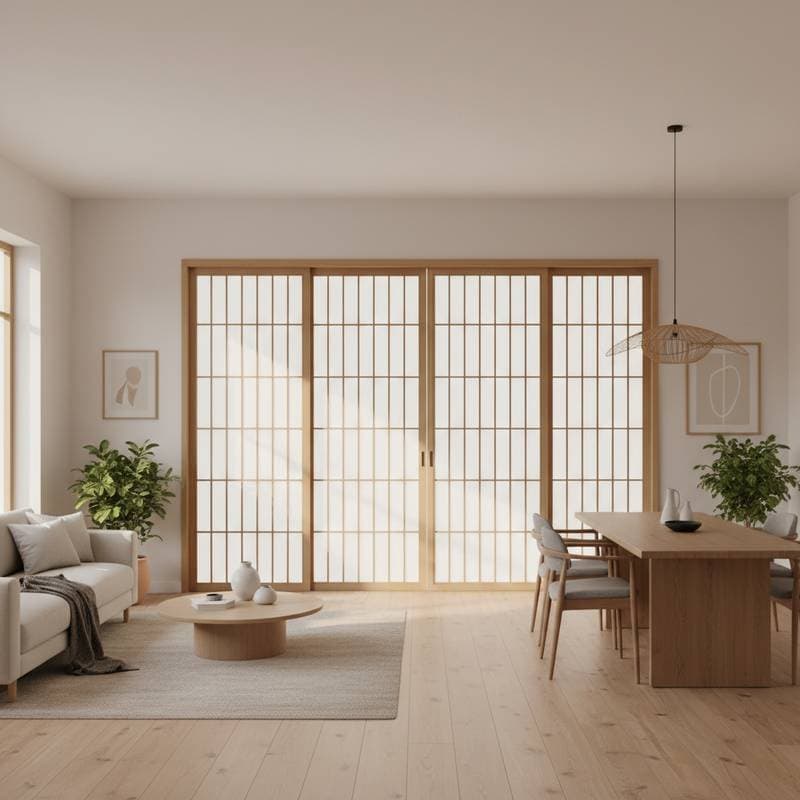
Open-plan living has become a defining feature of contemporary interiors, offering flexibility, natural light, and a sense of spaciousness. Yet, managing that openness can be challenging when privacy, warmth, or acoustic comfort are needed. Japandi Shoji doors present a creative solution that balances flow and division with quiet elegance. By merging Japanese simplicity with Scandinavian warmth, these doors transform open spaces into adaptable environments that remain serene and visually connected.
Understanding the Japandi Philosophy
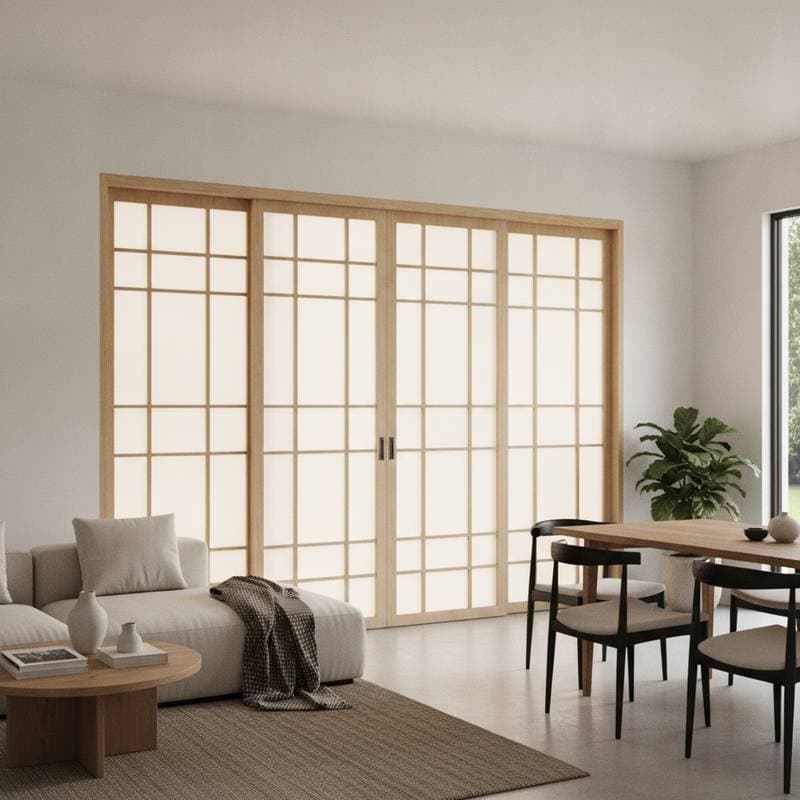
Japandi design blends the refined restraint of Japanese aesthetics with the comfort and functionality of Scandinavian living. It values craftsmanship, natural materials, and purposeful minimalism. Shoji doors fit naturally within this philosophy. Their translucent panels and clean lines support the idea that beauty lies in restraint and that function should never feel harsh or mechanical. The result is a living space that encourages calm without sacrificing modern practicality.
Shoji doors were originally used in traditional Japanese homes to diffuse light and separate rooms without heavy walls. In Japandi interiors, they take on a renewed role as movable dividers that shape space according to daily rhythms. They allow homeowners to maintain visual unity while adjusting privacy and light levels. This adaptability perfectly matches the flexible lifestyle many open-plan homeowners seek.
Material Choices and Construction Details
A core feature of Japandi Shoji doors is their emphasis on natural materials. Common frame options include light-toned woods such as ash, birch, or maple, paired with rice paper or synthetic shoji paper that diffuses light softly. The combination creates a tactile and visual harmony that feels both grounded and refined.
When selecting materials, homeowners can consider how wood tone and paper opacity affect the overall mood:
| Option | Initial Cost | Lifespan | Maintenance | Best For |
|---|---|---|---|---|
| Solid Maple Frame with Traditional Rice Paper | Moderate | Long | Occasional paper replacement | Authentic Japanese feel |
| Birch Frame with Synthetic Paper | Moderate to Low | Very Long | Easy cleaning | High-traffic areas |
| Ash Frame with Laminated Light-Diffusing Film | High | Very Long | Minimal upkeep | Contemporary minimal interiors |
While traditional rice paper provides unmatched delicacy, it is more susceptible to tearing. Synthetic alternatives preserve the appearance but offer improved durability. For households with children or pets, laminated materials can provide peace of mind while maintaining the desired aesthetic.
Installation and Room Integration
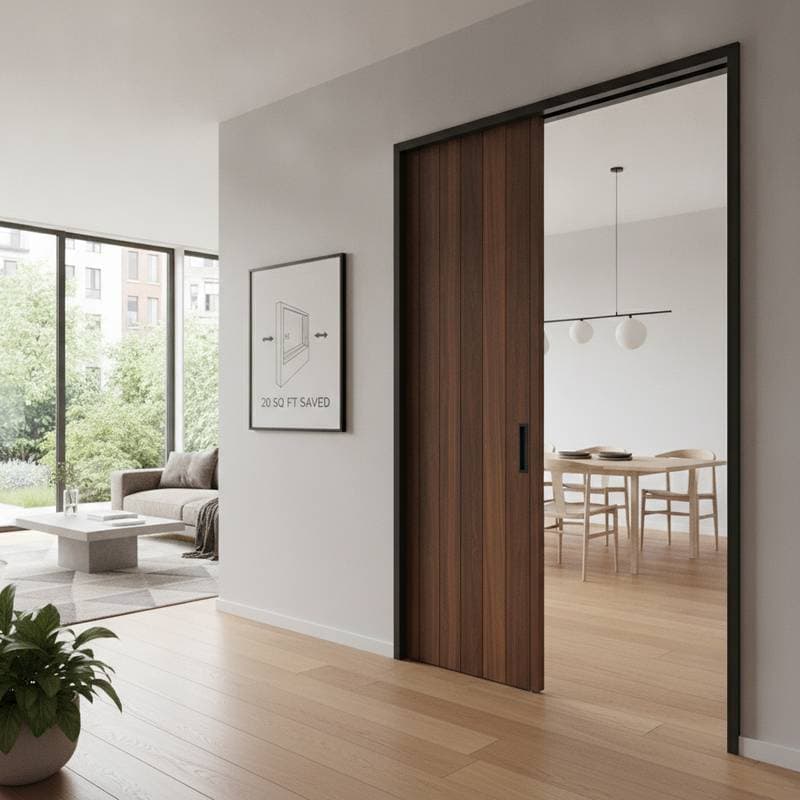
Installing Shoji doors within open-plan homes requires careful consideration of layout and light flow. The process typically begins with an assessment of how the door will interact with existing architectural lines and furniture placement. Sliding or track-mounted systems are most common, allowing panels to glide smoothly without occupying swing space.
Planning and evaluation
Before installation, measure the opening and consider ceiling height, wall alignment, and flooring transitions. Shoji doors often work best when they maintain consistent proportion with surrounding surfaces. For example, aligning the door grid with window lines or cabinetry panels can create a cohesive rhythm throughout the room.
Preparation steps
Ensure the track system is properly supported. For ceiling-mounted tracks, verify that the structure can bear the weight of the frame. Wall-mounted systems require solid anchoring to prevent sagging over time. Surface preparation, including smoothing and sealing edges, helps achieve a clean finish.
Main implementation
Once the structure is ready, the door panels are assembled and mounted. Precision in alignment is crucial since even a small deviation can affect sliding performance. At this stage, the paper or diffusing material is usually installed, secured within the frame without wrinkles or gaps.
Quality assurance
Glide the doors several times to confirm smooth motion and even spacing. Check that the panels do not drag or rattle. The closure should feel gentle, reflecting the calm design intention of Japandi interiors.
Completion and follow-up
After installation, clean the surfaces lightly and inspect periodically for dust accumulation in the track. Avoid harsh chemicals, which can damage wood finishes or discolor paper surfaces.
Functional Benefits Beyond Aesthetics
Shoji doors serve multiple roles that go beyond visual appeal. They filter natural light, reduce glare, and soften sound while preserving spatial openness. When used as room dividers, they transform large spaces into smaller zones for reading, dining, or working, without creating a sense of confinement.
Light management
One of the most distinctive qualities of shoji doors is their ability to diffuse daylight evenly. The translucent panels scatter light so that shadows appear soft and walls seem to glow. In homes with large windows or skylights, this effect enhances comfort and reduces the need for artificial lighting during the day.
Acoustic comfort
Although shoji doors are not fully soundproof, they can moderate echoes in large rooms. The paper surface and wooden lattice absorb some sound reflections, creating a quieter atmosphere. Pairing them with area rugs or fabric furnishings further improves acoustic balance.
Energy and temperature balance
Shoji doors help regulate temperature by moderating airflow between connected zones. In colder months, they reduce drafts and heat loss, while in warmer weather they can be left open to promote ventilation. This flexibility supports both comfort and efficiency.
Lifestyle and Design Integration
Japandi design encourages mindful living, and Shoji doors naturally support that mindset. Their movement invites users to interact with the space intentionally, closing panels for focus or opening them to connect with others. The tactile sliding motion contrasts with the abruptness of hinged doors, reinforcing a sense of calm and control.
From a stylistic perspective, Shoji doors pair well with neutral color palettes, matte finishes, and natural textiles. They complement wood flooring, linen curtains, and minimalist furniture. Yet they also adapt easily to contemporary interiors that include metal or stone elements. The balance of warm wood and crisp geometry ensures versatility across styles.
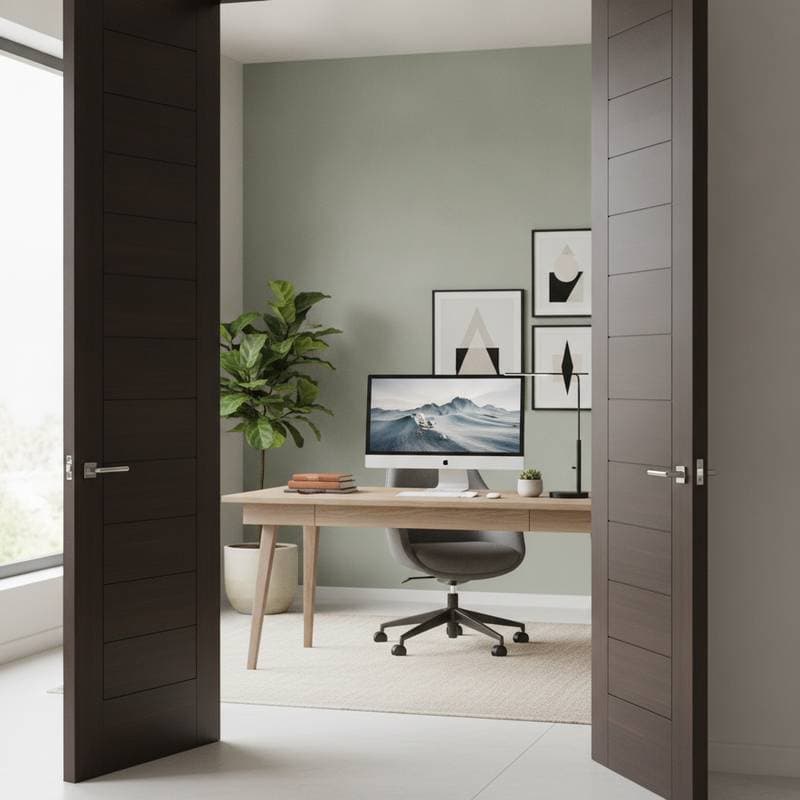
For homeowners who enjoy rearranging spaces according to mood or occasion, Shoji doors offer a dynamic alternative to fixed walls. They can enclose a home office during working hours, then open fully to blend with the living area for social gatherings. This adaptability supports evolving needs without major structural changes.
Maintenance and Longevity
Proper care extends the life of Shoji doors and preserves their delicate appearance. Regular dusting with a soft cloth or brush keeps panels clean. When using traditional paper, minor tears can be repaired by overlaying new sections with rice glue. For synthetic materials, a damp cloth with mild soap is usually sufficient.
Inspect the track occasionally for debris or uneven wear. Applying a small amount of wax or lubricant helps maintain a smooth glide. If panels begin to loosen, tightening the frame joints can restore alignment. With consistent care, Shoji doors can remain functional and beautiful for many years, matching the Japandi value of long-term quality over frequent replacement.
Choosing What Works Best
- Space function. A bedroom divider may require higher privacy, while a living area partition can use lighter paper for brightness.
- Traffic levels. High-use areas benefit from reinforced or laminated panels.
- Aesthetic direction. Minimalist interiors might prefer uniform grids, while traditional spaces can use asymmetrical designs inspired by Japanese architecture.
- Lighting preference. The degree of translucency affects mood and clarity.
- Budget and maintenance expectations. Balance the desire for authenticity with practical durability.
Working with Contractors
When hiring professionals for installation, clear communication matters. Discuss frame thickness, paper type, and track placement early in the design phase. Request material samples to confirm texture and color under natural light. Reliable contractors will measure multiple times and explain how each component fits together.
Bringing Serenity Home
Japandi Shoji doors redefine openness by proving that calm and connection can coexist. They create boundaries that breathe rather than confine, offering privacy without isolation. Their presence turns open-plan layouts into flexible environments shaped by intention and comfort.