Hidden Pocket Doors Solve the Open Floor Plan Dilemma
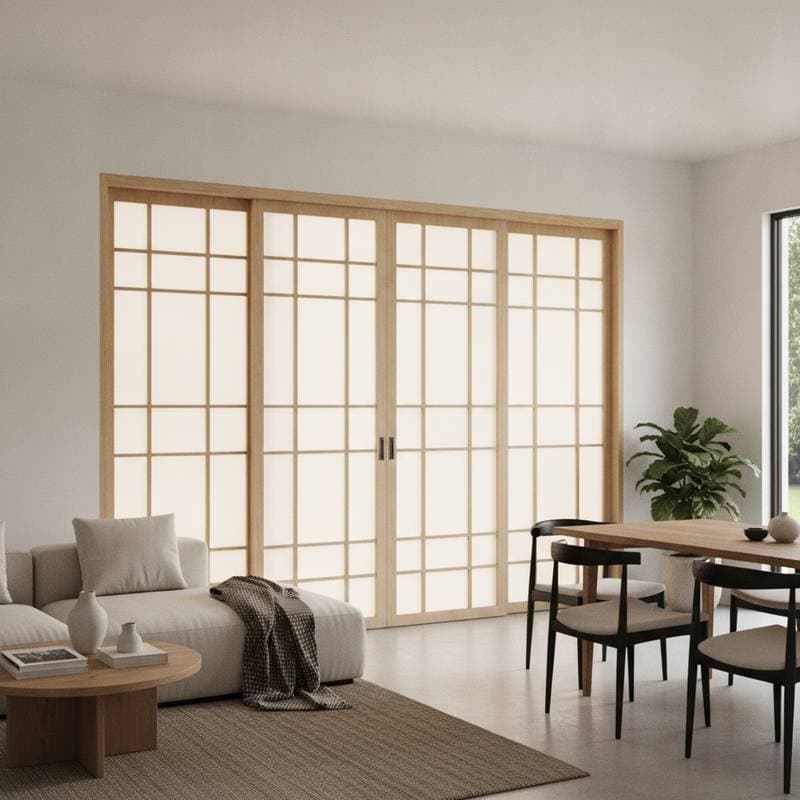
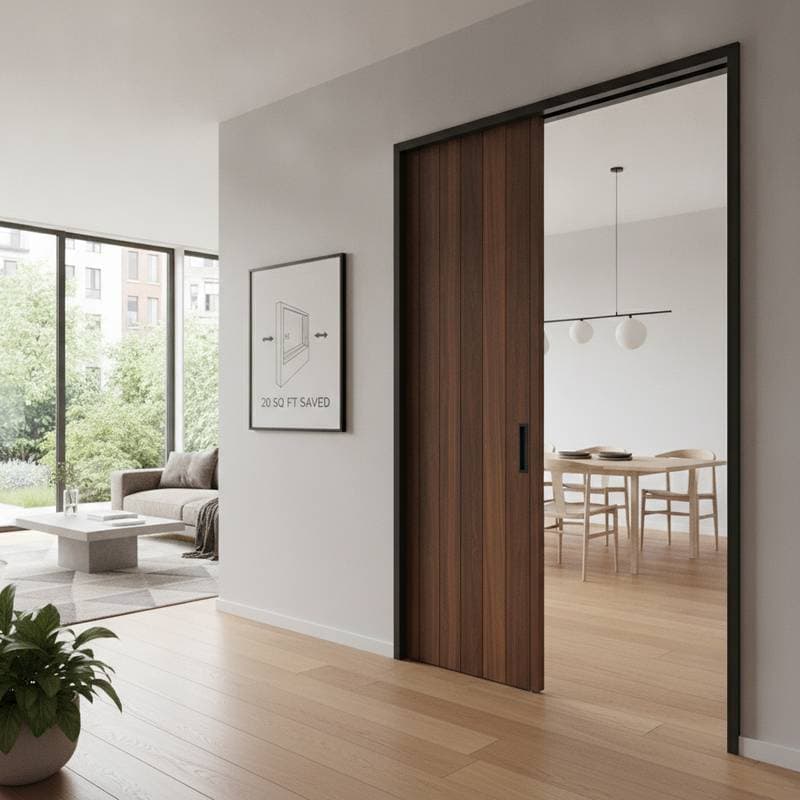
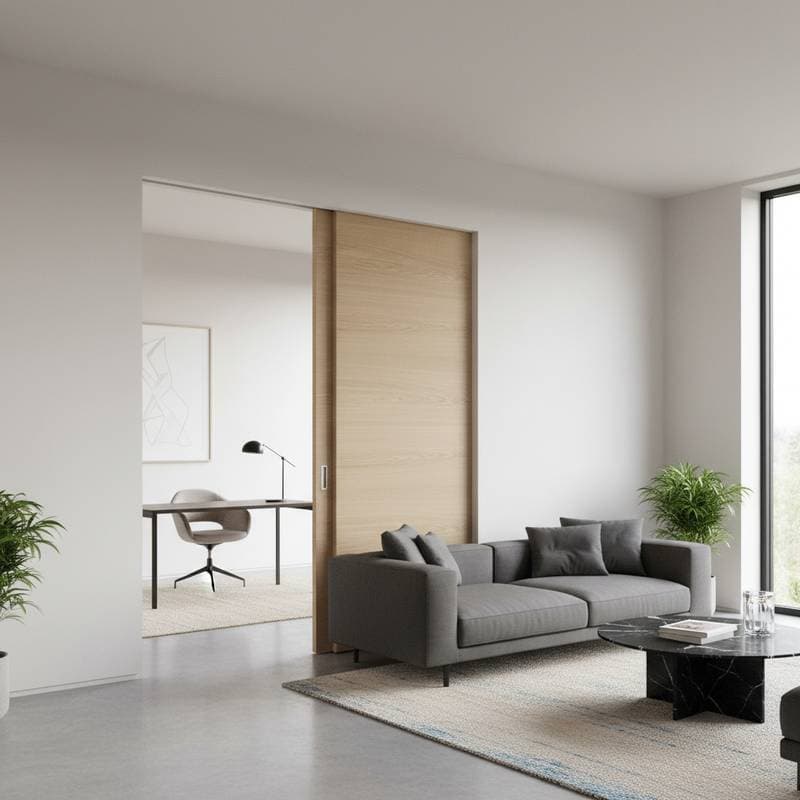
Hidden pocket doors address a common challenge in modern homes. Open floor plans promote connection and light, yet they often leave residents wanting options for privacy and noise control. These doors slide completely into the wall cavity. They disappear when open and provide solid separation when closed.
Why Demand Has Increased
Homeowners now seek solutions that preserve spaciousness without permanent barriers. Pocket doors meet this need through clean lines and flexible room division. Builders report higher requests for concealed hardware systems that avoid visible tracks or bulky frames. The result is a layout that adapts throughout the day. A living area can open fully for gatherings and close off for focused work or rest.
Core Components and Operation
A standard hidden pocket door uses a track mounted inside the wall cavity. Rollers attached to the door top allow smooth movement. The door panel itself measures the same thickness as a standard interior door yet requires no swing space. Soft-close mechanisms prevent slamming. Many models include floor guides that remain nearly invisible once installed. Proper wall framing during construction or renovation ensures the cavity is deep enough for full retraction.
Material and Finish Choices
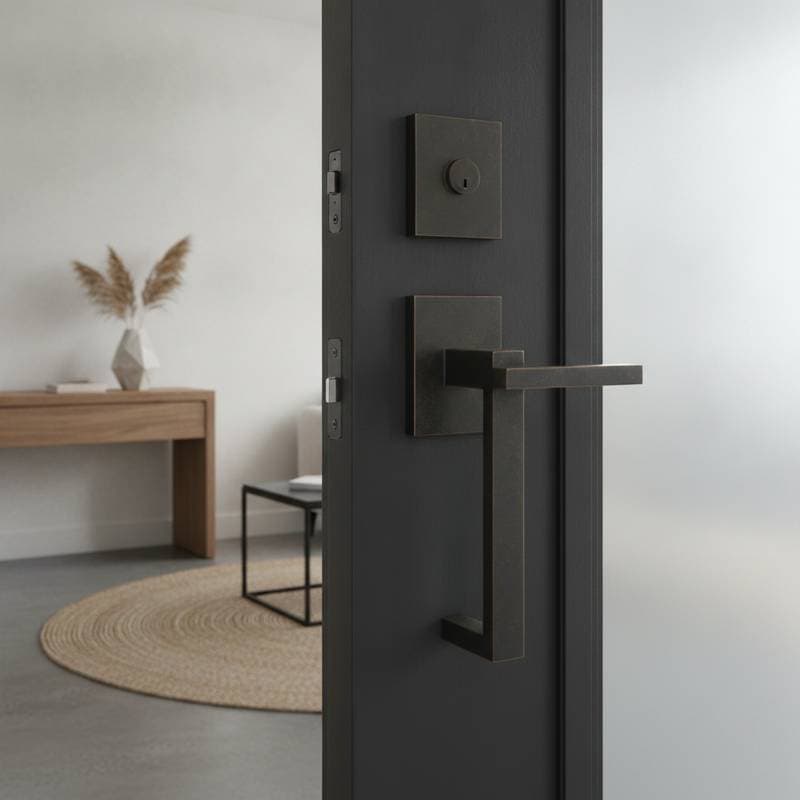
Wood remains the most popular choice for its warmth and ability to match existing trim. Manufacturers offer species such as oak, maple, and walnut in a range of stains. For moisture-prone areas, fiberglass or composite cores resist warping. Glass inserts add light transmission while maintaining separation. Hardware finishes coordinate with other fixtures through brushed nickel, matte black, or oil-rubbed bronze options.
Planning and Installation Steps
Measure the available wall space first. The pocket must equal the door width plus clearance for hardware. Consult framing plans early if the project involves new construction. Retrofitting an existing wall requires opening the drywall and possibly rerouting electrical or plumbing lines. Professional installers verify plumb walls and level tracks before closing the cavity. Homeowners who attempt DIY installation should confirm load-bearing walls are not compromised.
Everyday Advantages
Space savings become evident in smaller rooms where swing doors restrict furniture placement. Sound transmission drops when the door is closed, supporting better acoustics between living and sleeping zones. Cleaning is simple because there are no hinges or exterior tracks to collect dust. Resale value often improves because buyers recognize the thoughtful use of square footage.
Maintenance Practices
Annual inspection of rollers and track lubrication keeps operation quiet. Avoid leaning objects against the door when it is retracted. Touch-up paint or stain on the leading edge preserves appearance after repeated use. Replacement parts remain available for most major brands, extending service life beyond twenty years.
Selecting the Right System
Budget models start with basic wood cores and standard tracks. Mid-range options add soft-close features and better seals. Premium systems include integrated pocket door frames that simplify framing and offer lifetime warranties on hardware. Review local building codes for fire-rated requirements in certain applications. Test door operation in the showroom to confirm the weight and glide meet expectations.