Japandi Entryways: Achieving Zen Minimalism in 2026 Home Design
Japandi style establishes quiet sophistication in residential architecture, particularly in entryways that set the initial tone for a home. This approach merges Japanese minimalism, which emphasizes serenity and restraint, with Scandinavian warmth that prioritizes functionality and coziness. The result forms a welcoming space grounded in streamlined shapes, organic materials, and subtle neutral palettes that convey refinement without excess.
Entryways designed in this manner invite residents and visitors into an environment of calm. Architects and homeowners alike value how these elements enhance curb appeal while aligning with broader home aesthetics. As trends evolve toward sustainable and balanced living, Japandi entryways stand out for their timeless versatility.
Implementing Japandi Entryways Across Budget Levels
Homeowners can adopt Japandi principles through tiered strategies that match financial constraints. Each level builds on core tenets of simplicity and natural integration, ensuring the design remains cohesive and impactful.
Budget-Friendly Strategy ($2,000 to $4,000)
- Install fiber cement siding in a smooth, matte finish to replicate the clean texture of natural wood at reduced cost.
- Incorporate vinyl windows featuring slim frames in black or bronze, which emulate high-end aluminum profiles while providing energy efficiency.
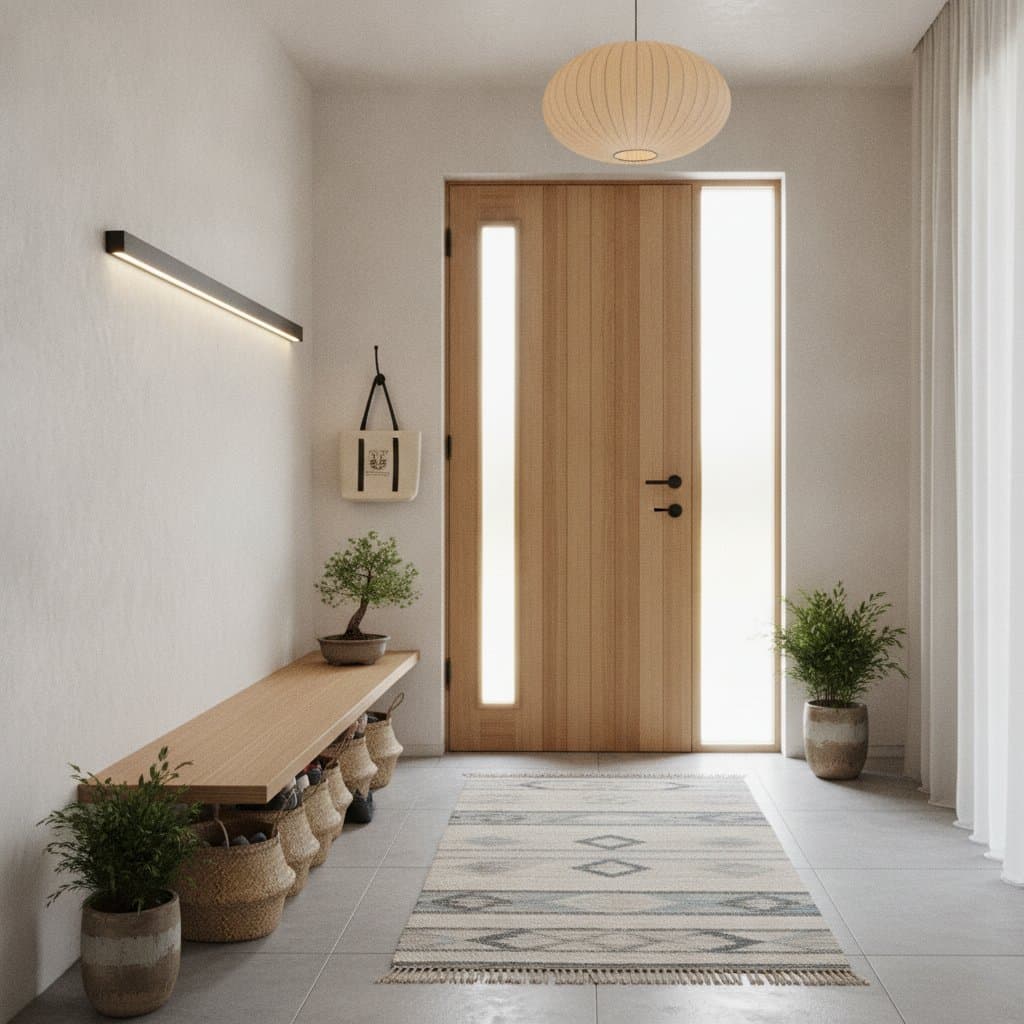
- Opt for a solid wood door finished with a clear coat or subtle stain to introduce organic warmth without excessive expense.
- Allocate resources to strategic lighting and hardware selections that emphasize clarity and equilibrium in the overall composition.
Moderate Investment Strategy ($5,000 to $9,000)
- Select composite wood siding or thermally broken aluminum windows to enhance insulation and longevity against weather elements.
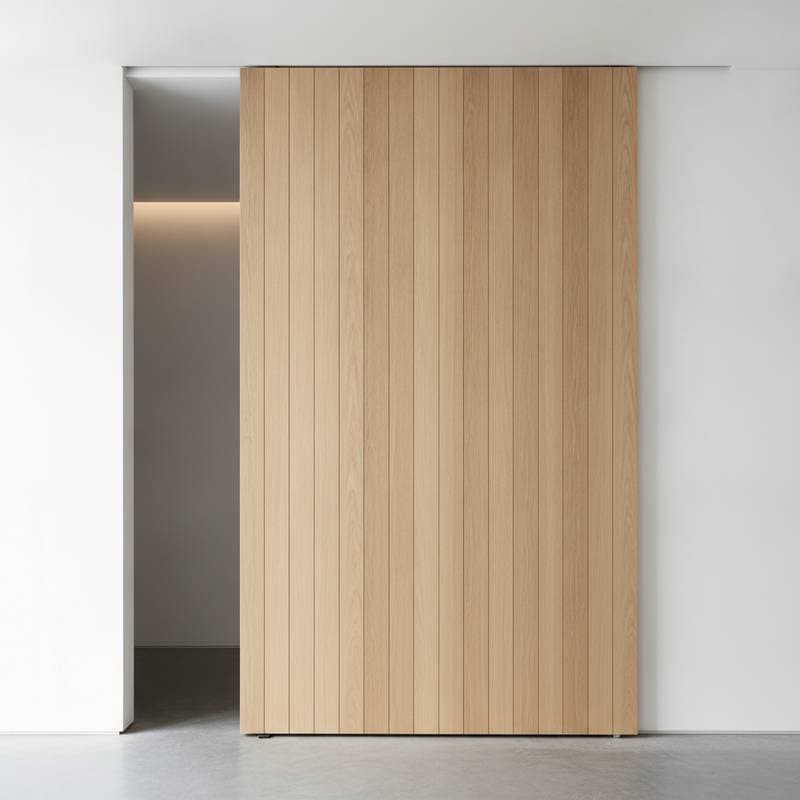
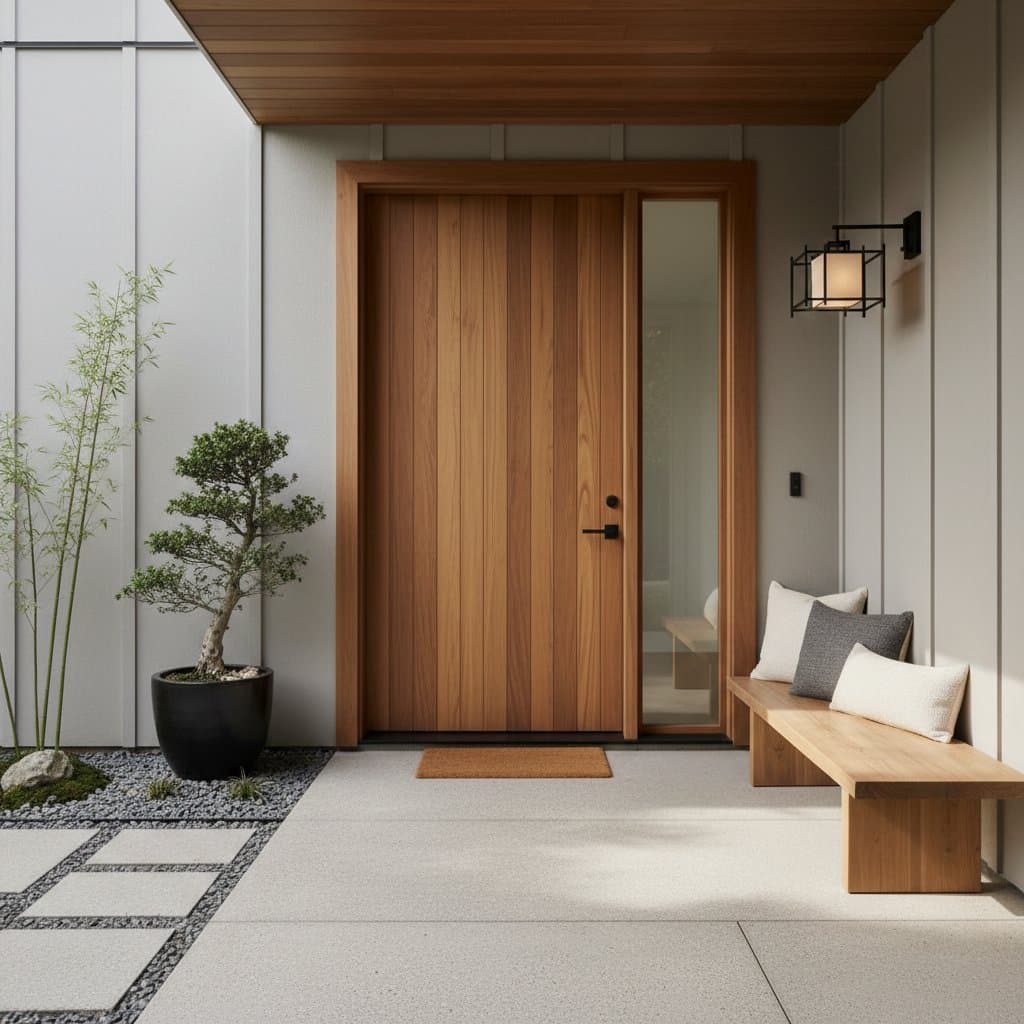
- Choose a veneer wood door showcasing vertical grain patterns and a satin finish for subtle depth and tactile appeal.
- Integrate a modest overhang or wood-clad canopy that echoes the home's clean lines and provides shelter.
- Position accent lighting adjacent to the entry, selecting fixtures with straightforward forms and subdued hues to amplify serenity.
Premium Investment Strategy ($10,000 to $18,000)
- Install custom wood or aluminum-clad wood windows with minimal mullions and concealed hardware for a seamless appearance.
- Feature a solid oak or teak pivot door accompanied by integrated glass side panels to promote fluidity in the design.
- Apply cedar or heat-treated ash siding in horizontal or shiplap configurations, offering enduring texture and resistance to decay.
- Incorporate hidden drainage systems and recessed lighting to preserve uninterrupted surfaces and foster a sense of visual peace.
Essential Materials and Finishes for Japandi Entryways
Selecting appropriate materials ensures the entryway embodies Japandi's essence of harmony and subtlety. Focus on options that balance durability with aesthetic restraint.
- Windows: Prioritize slim-profile black aluminum frames or warm oak interiors paired with low-emissivity glass. Brushed nickel or matte black hardware integrates smoothly into the neutral scheme.
- Doors: Employ smooth wood or high-quality veneer surfaces with vertical paneling. Add minimalist lever handles and options like frosted or fluted glass inserts to maintain privacy without isolation.
- Siding: Choose light neutral shades, including soft beige, pale gray, or warm sand. Introduce wood-grain textures for subtle dimension that avoids overwhelming the space.
- Trim and Accents: Minimize trim usage, favoring recessed edges or shadow gaps. These techniques add depth through illusion rather than added volume or decoration.
Practical Maintenance Considerations
Natural wood elements demand regular care to preserve their integrity and appearance. Apply seasonal oiling or sealing treatments to protect against moisture and color fading.
Composite alternatives deliver comparable visuals with simplified upkeep, though direct sunlight may cause gradual discoloration over time. Metal components, such as frames and panels, require periodic washing to eliminate buildup and avert corrosion, especially in areas with high humidity.
Vinyl selections minimize effort but may develop a softened finish after extended exposure. Plan for these routines to sustain the entryway's polished look year-round.
Common Pitfalls to Sidestep in Japandi Designs
Excessive layering of materials or patterns can fracture the serene equilibrium that defines Japandi. Restrict palette variations and emphasize proportional balance to uphold tranquility.
High-gloss surfaces clash with the style's inherent softness; matte or satin finishes better support a tranquil atmosphere. Subpar door hardware accelerates deterioration and diminishes refinement, so invest in durable solid metal pieces that develop patina gracefully.
Overlooking lighting temperature alters the ambiance significantly. Warm white illumination accentuates organic textures, reinforcing the design's welcoming core.
Harmonizing Colors and Styles
A unified Japandi color scheme draws from warm whites, subdued taupe, and gentle blacks. Introduce accents via natural oak, smoked ash, or bamboo for grounded contrast.
One effective palette pairs pale stone siding with a natural wood door, black-framed windows, and bronze fixtures. This arrangement yields a composed, hospitable entry that transitions seamlessly into interior spaces.
Pre-Design Documentation Essentials
Capture baseline details to inform material decisions and ensure compliance.
- Take photographs from various exterior viewpoints to assess proportions.
- Catalog current architectural features and materials for continuity.
- Note surrounding neighborhood aesthetics and regulatory guidelines.
- Evaluate local climate conditions affecting finish durability.
- Outline budget allocations specifically for doors, windows, and siding components.
Creating a Cohesive Japandi Threshold
Success in Japandi entryways stems from deliberate restraint and material synergy. This method cultivates a serene portal that mirrors internal harmony while enhancing external presence.
Homeowners benefit from adaptable implementations, whether through targeted refreshes or comprehensive overhauls. The enduring allure lies in its understated beauty, fostering lasting tranquility.