The $8K Zellige Trend Transforming Entryways in 2026
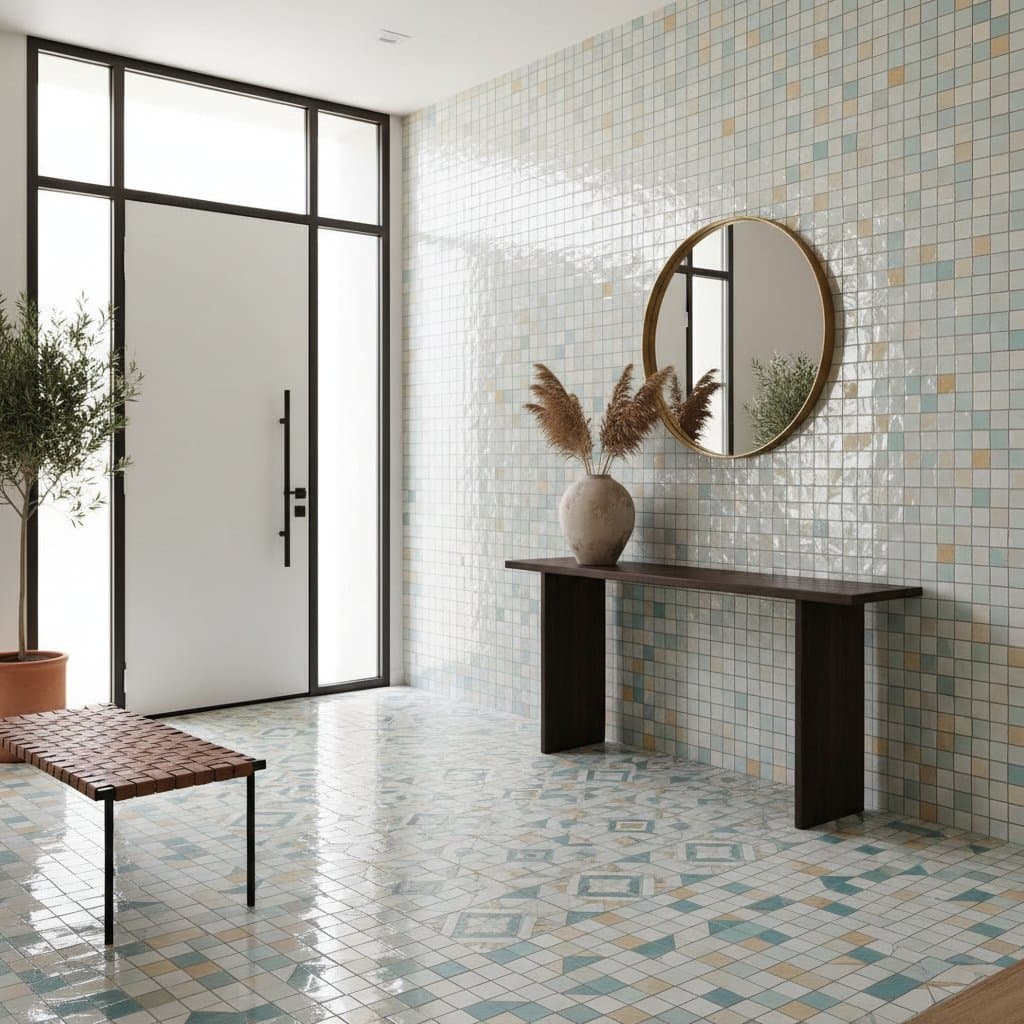
Handcrafted Moroccan Zellige tiles have moved beyond interior applications to redefine exterior entryways. These luminous tiles, with their irregular glazes, offer a unique blend of artistry and warmth. Each piece captures light in varied ways, producing a dynamic surface that evokes both historical depth and contemporary appeal. Applied around doors, steps, or nearby walls, Zellige creates a bespoke aesthetic that significantly enhances curb appeal.
This surge in popularity aligns with a larger shift toward authentic home finishes. Minimalist exteriors now yield to textured, artisanal elements that showcase craftsmanship and individuality. An average project cost of $8,000 represents a worthwhile investment, turning ordinary facades into compelling architectural features.
Three Ways to Achieve This Look
Budget-Friendly Approach ($2,000 - $4,000)
- Material Options: Select porcelain tiles designed to replicate Zellige's subtle variations. Opt for neutral shades such as sand, pale sage, or ivory.
- Cost-Effective Strategies: Restrict tile application to the door surround or porch risers. Select a door paint color that complements the tiles to deepen their visual impact.
- Key Areas for Investment: Prioritize high-quality grout and sealer. Inferior products may discolor rapidly in outdoor conditions and undermine the artisanal appearance.
Mid-Range Approach ($5,000 - $8,000)
- Material Combinations: Integrate authentic Zellige tiles with resilient options like cedar trim or fiber cement siding. Apply tiles to the entry wall or steps to deliver genuine texture without extensive coverage.
- Essential Performance Enhancements: Specify tiles sealed for exterior durability. Pair them with a solid wood or fiberglass door equipped with hardware in brushed brass or aged bronze for unified styling.
- Valuable Design Additions: Incorporate a slim transom window or sidelights framed in black or bronze to provide contrast against the tile's organic texture.
Premium Approach ($9,000 - $14,000)
- Superior Material Selections: Choose hand-cut Zellige tiles sourced from Fez or Marrakech. Select natural glazes in hues like seafoam, terracotta, or ivory luster.
- Refined Design Features: Extend the tiles across the entryway wall and pair with custom wood doors that include arched tops or antique brass knockers. Add limestone steps and slender steel windows for elegance.
- Factors for Enduring Value: Authentic Zellige demands expert installation and sealing, yet its durability and distinctiveness boost resale potential and aesthetic prestige.
Material and Finish Guide
- Windows: Slim frames in black or bronze enhance the gloss of Zellige surfaces. Casement designs with divided lites introduce a Mediterranean influence. For subtlety, select warm cream or muted green finishes that harmonize with tile colors.
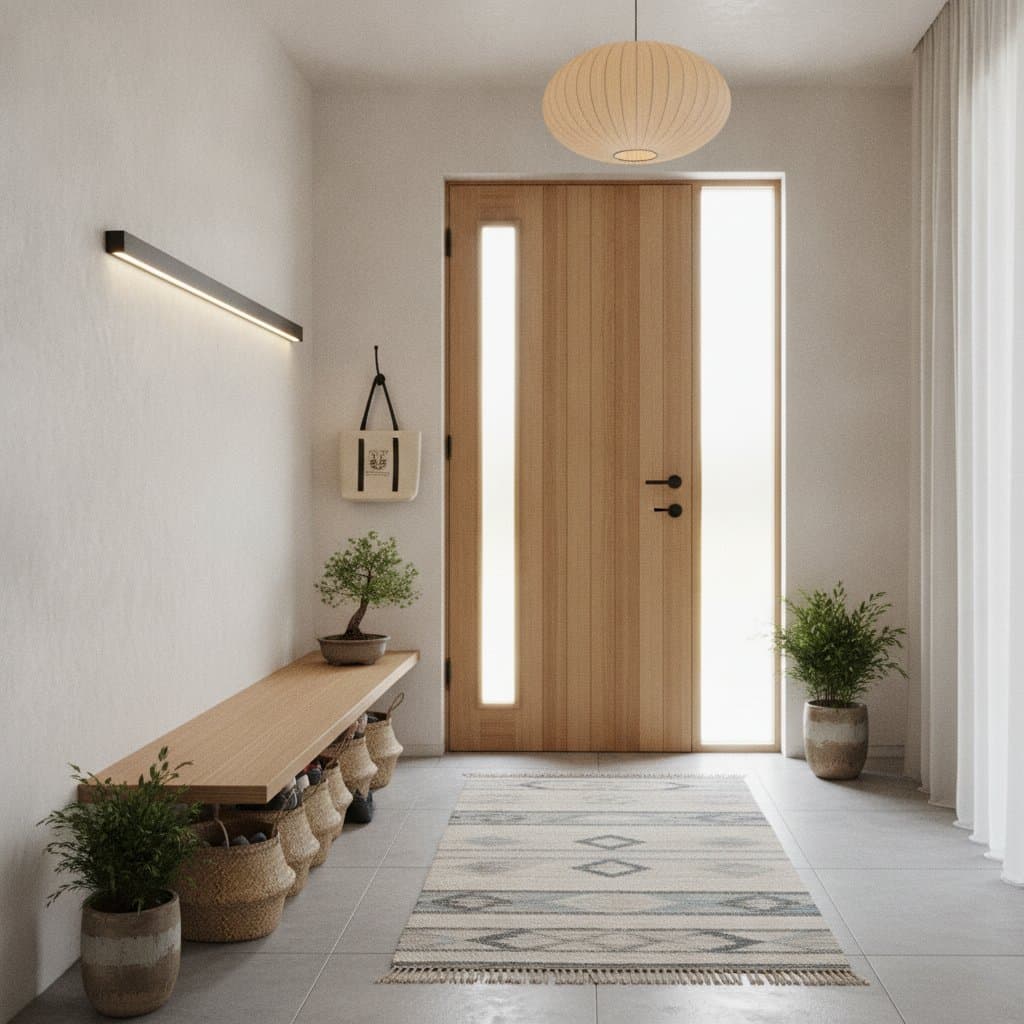
- Doors: Natural wood or stained oak doors offset the tile's shimmer. Marine-grade finishes shield the wood from moisture while preserving deep tones. For modern flair, install a matte black fiberglass door with simple paneling and brass hardware.
- Siding: Smooth stucco, limewash brick, or vertical cedar siding accentuates the tile's irregular texture. Steer clear of patterned lap siding near the entry, as it may compete with and diminish the artisanal effect.
- Trim and Accents: Maintain minimal trim to highlight the tiles. Install matte or brushed metal light fixtures in warm tones. A powder-coated mailbox or house numbers in a coordinating finish unifies the overall design.
Maintenance Considerations
Zellige tiles prove resilient yet require ongoing care. Unglazed edges and porous clay bodies necessitate sealing against water penetration. Reapply a penetrating sealer every few years, particularly in regions with intense rain or fluctuating temperatures. Use a mild soap solution and soft brush for cleaning to avoid dulling the glaze.
Porcelain or ceramic alternatives demand less upkeep. These materials withstand moisture and fading with basic attention. Select stain-resistant grout and check joints periodically for cracks. Doors adjacent to Zellige need periodic refreshing of protective finishes to guard against base-level moisture.
Common Pitfalls to Avoid
- Excessive Coverage: Applying tiles over broad areas risks overwhelming the facade. Concentrate on focal points like the entry wall, steps, or a bordered section.
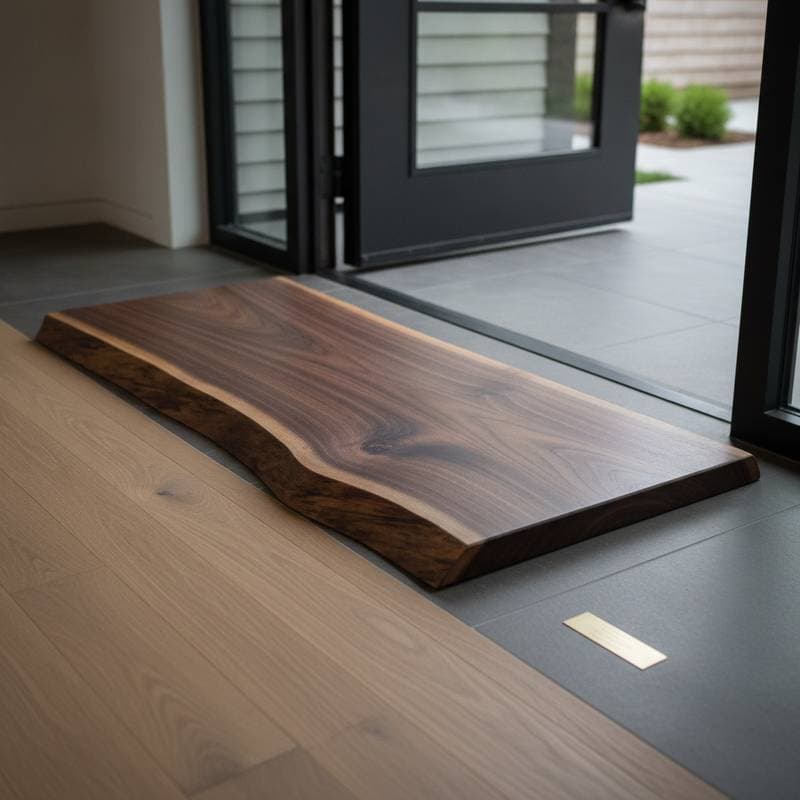
- Overlooking Drainage: Ensure installations slope gently away from the door to avoid water accumulation. Failure here invites damage and discoloration.
- Selecting Indoor-Only Tiles: Traditional Zellige may lack outdoor ratings. Verify treatment or sealing for exterior suitability.
- Inappropriate Grout Selection: White grout can emphasize irregular edges harshly. Warm gray or sand-colored grout promotes visual harmony.
- Neglecting Sealant: Premium setups fail without sealing. Employ breathable, penetrating sealers over surface types.
Color and Style Coordination
Zellige entryways excel through intentional contrast and equilibrium. The tiles' light-reflecting qualities demand a palette that feels purposeful but not rigid.
Recommended Palette
- Seafoam Green: Captures natural light and aligns with bronze hardware.
- Sand Beige: Provides warmth and integrates with stucco or stone elements.
- Ivory White: Illuminates shadowed facades and accentuates wood tones.
- Terracotta Red: Infuses Mediterranean vibrancy, ideal with black frames.
- Charcoal Gray: Builds drama against light walls and pairs with brass accents.
When blending materials, allow tiles to guide the color scheme. Draw door stains or paints from the glaze undertones. Introduce subtle variations for added depth and realism.
Planning and Photography Checklist
Document the current entryway thoroughly before finalizing materials or designs. This process aids in envisioning changes and refining plans.
Checklist
- Capture wide-angle photos from various perspectives to depict the full facade.
- Photograph close-ups of the door, trim, and siding for material reference.
- Identify the home's architectural style and highlight unique elements like arches or columns.
- Evaluate neighboring designs to promote community cohesion.
- Consult HOA rules or local codes regarding exterior modifications.
- Observe sunlight and shadow patterns throughout the day to predict tile appearance.
- Establish budget limits and rank priorities, such as tile extent, lighting, or door upgrades.
Adapting Zellige to Regional Styles
Local climates and architectures shape Zellige's integration into exteriors.
- Arid, Sunny Areas: Lighter glazes minimize heat gain. Combine with clay stucco or adobe for a unified, sunlit aesthetic.
- Humid or Coastal Zones: Prioritize salt-resistant glazes. Use composite or fiberglass doors to prevent warping.
- Colder Regions: Employ smaller tile areas to reduce frost risks. Darker glazes absorb sun and limit ice near entrances.
- Urban Environments: Bold palettes with charcoal or deep green tiles stand out against concrete or brick.
Tailoring materials to environmental demands sustains both form and function long-term.
Optimizing Budget and Impact
Zellige imparts luxury efficiently when paired with strategic choices. Direct funds to prominent areas like door surrounds or steps, supplemented by paint or plaster elsewhere. Strategic lighting, such as wall sconces, highlights texture at night and completes partial installations.
For gradual implementation, begin with modest tile sections and expand subsequently. Retain surplus tiles from initial work to ensure future matches. This method distributes expenses while upholding design integrity.
Collaborating with Experts
Handmade Zellige's varying dimensions call for experienced installation. Engage a tile specialist versed in artisanal products. Review layout details upfront, covering grout spacing and pattern alignment. For doors or trim, involve carpenters to seamless material junctions. Verify waterproof sub-surfaces prior to tiling.
Realizing the Vision
Zellige's resurgence in entryways underscores a preference for genuine craftsmanship and sensory richness. As an accent or centerpiece, its iridescent quality elevates entrances into artistic gateways. Paired with wood doors, metal accents, and varied textures, it prioritizes skilled creation over uniformity.
Effective Zellige designs harmonize aesthetics, resilience, and affordability. Success depends on precise planning, material evaluation, and proportional application.