Switchable Glass Doors Deliver On-Demand Privacy
Home design evolves as technology merges with daily routines. Electrochromic doors, also known as smart glass or switchable privacy doors, stand out among recent residential advances. They merge style, function, and privacy management in one streamlined unit. Homeowners gain a direct method to balance openness with seclusion while preserving natural light and visual appeal.
How Electrochromic Technology Works
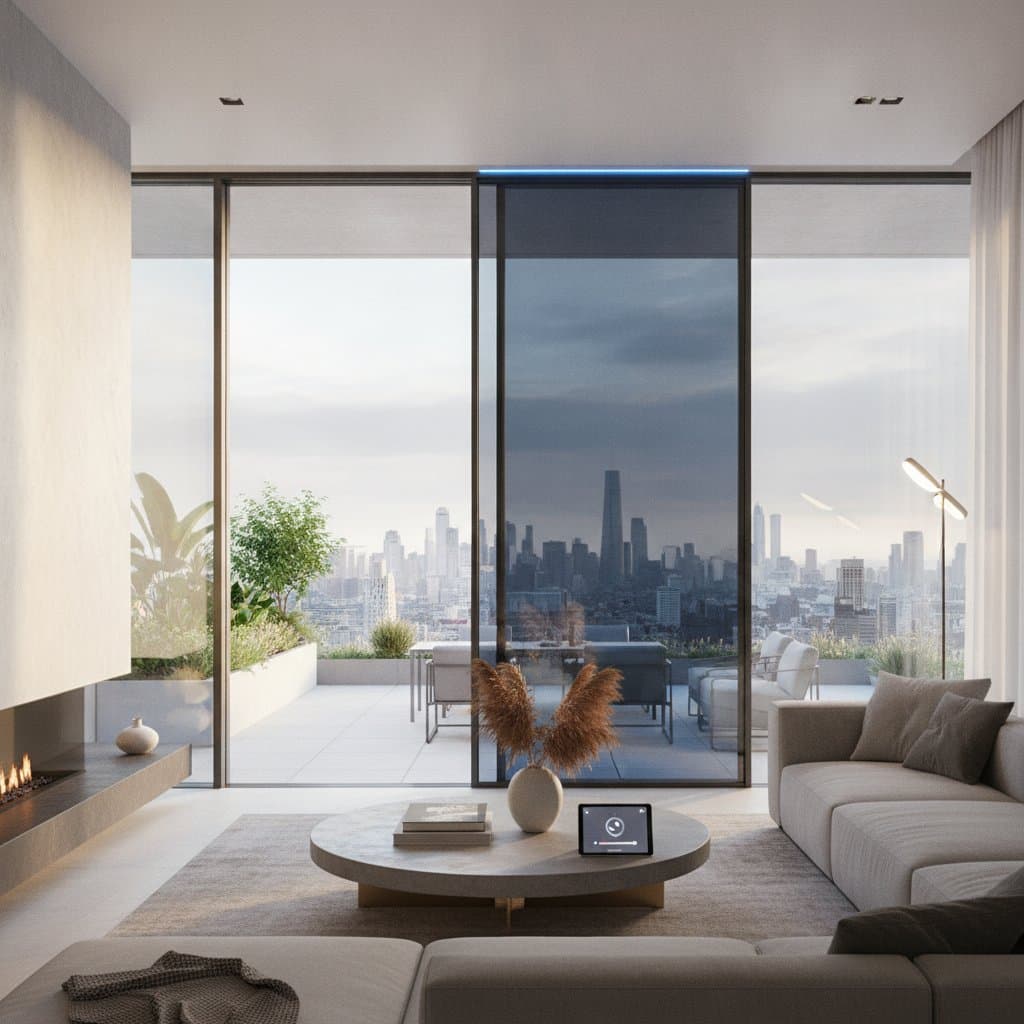
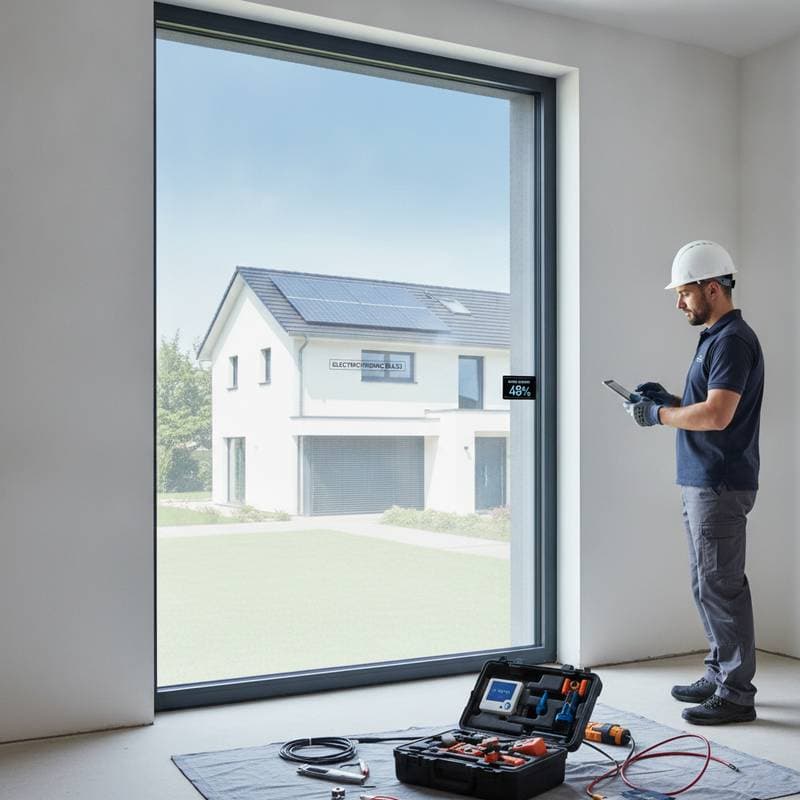
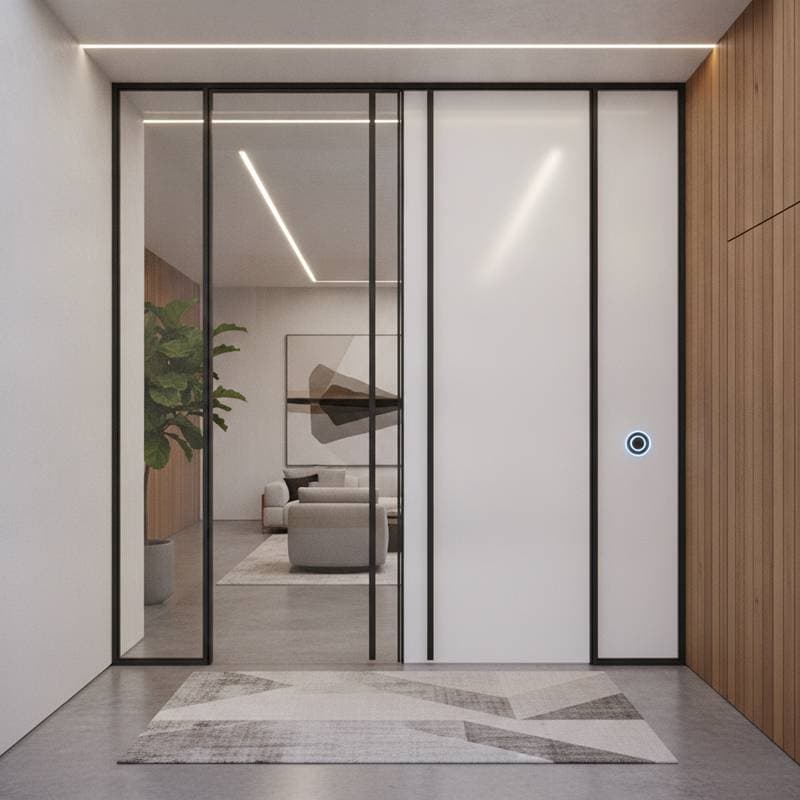
Electrochromic doors use glass panels that shift from clear to opaque when low-voltage current flows through embedded layers. Homeowners control the transition via wall switch, remote, or smartphone app. The layers respond to voltage by adjusting light absorption and reflection, producing uniform opacity without moving parts.
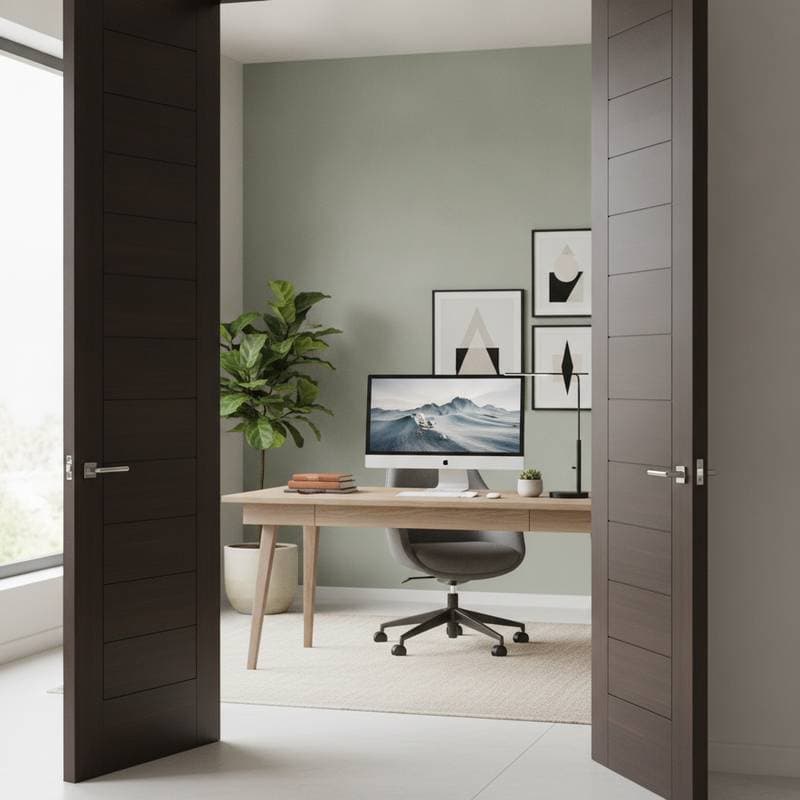
This feature suits rooms with changing purposes. A glass door to a home office stays transparent for an open feel during normal hours. It turns opaque instantly for calls or focused work.
Practical Advantages in Daily Use
Privacy control ranks first among benefits, yet the doors also cut glare and solar heat when opaque, which lowers cooling loads. In clear mode they admit daylight and reduce artificial lighting needs. Design flexibility follows: the doors divide open-plan spaces without permanent walls.
| Option | Initial Cost | Lifespan | Maintenance | Best For |
|---|---|---|---|---|
| Standard Glass Door | Low | Long | Minimal | Areas requiring constant visibility |
| Frosted Glass Door | Moderate | Long | Minimal | Fixed decorative privacy |
| Electrochromic Door | Higher | Long | Occasional cleaning and electrical checks | Zones needing variable privacy |
The higher purchase price yields returns through adaptability, energy reduction, and elimination of blinds or curtains.
Frame Materials and Design Fit
Tempered or laminated glass provides safety. Wood frames suit traditional interiors and require periodic sealing. Aluminum frames match minimalist or industrial styles and need little upkeep. Selection depends on thermal performance goals and existing architecture.
Step-by-Step Installation
- Evaluate power access, privacy needs, and exact opening dimensions.
- Run low-voltage wiring before frame placement.
- Mount the door and test electrical connections for consistent switching.
- Confirm uniform opacity change across the full glass area.
- Provide the homeowner with care instructions and basic troubleshooting steps.
Professional installation ensures reliable calibration and code compliance.
Cost Perspective and Long-Term Value
Initial expense often reaches two to three times that of standard glass. Lifecycle savings appear through reduced window treatments, lower energy use, and the capacity to reconfigure spaces without new construction. Owners planning extended residency or future resale typically recover value via added market appeal.
Routine Care and System Upkeep
Clean surfaces with non-abrasive glass solution and soft cloths. Keep moisture away from sealed electrical components. Schedule professional inspection every few years to verify wiring integrity and software compatibility within home-automation networks.
Sustainability and Lifestyle Impact
Reduced lighting and cooling demands support lower household energy consumption. Daily routines gain flexibility: a bright kitchen becomes a private dining space in seconds, and a patio door turns opaque for evening gatherings without added shades.
Decision Factors Before Purchase
Assess how frequently adjustable privacy serves the household. Review budget against projected energy and design returns. Confirm that chosen frames complement surrounding finishes. Determine whether smart-system integration will simplify daily operation.
Final Preparation Steps
Consult an electrician and experienced installer to confirm power routing and code adherence. Request warranty details and service contacts before purchase. These steps secure dependable performance and lasting satisfaction.