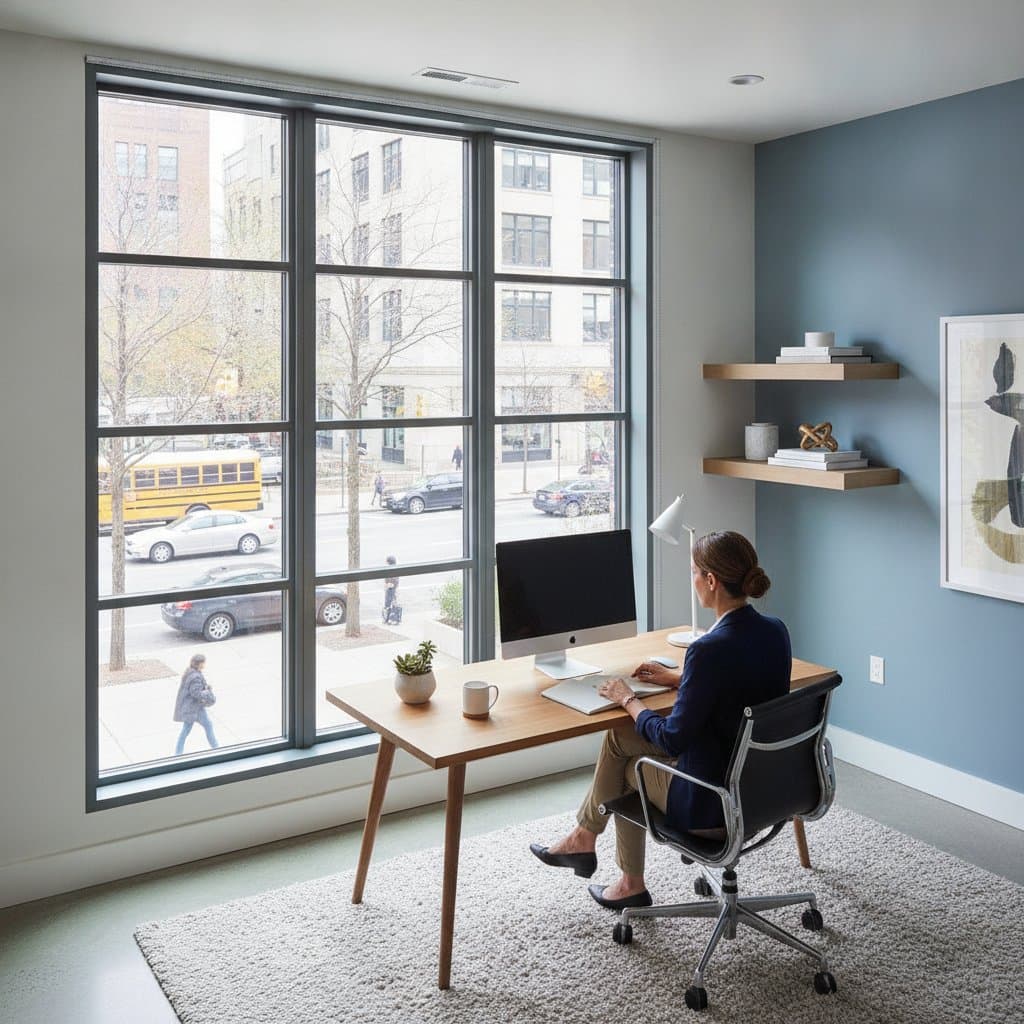
Acoustic Windows Reduce Noise by 85 Percent in Home Offices
Creating a quiet home environment has become a priority for remote workers. Street sounds, lawn equipment, and neighborhood activity often disrupt focus. Acoustic windows reduce external noise by up to 85 percent. This improvement supports better concentration and comfort.
How Acoustic Windows Reduce Sound Transfer
Acoustic windows limit sound through specialized glass, spacing, and frames. Sound moves as vibrations through air and materials. Standard windows permit many vibrations to pass indoors. Acoustic designs interrupt these vibrations.
Effective features include:
- Laminated glass layers bonded with a sound-dampening interlayer.
- Asymmetric pane thicknesses that prevent resonance at specific frequencies.
- Wider gaps filled with air or inert gas for added insulation.
- High-quality seals and insulated frames that close acoustic leaks.
Combined, these elements create a barrier that keeps most outdoor noise outside.
Acoustic Window Types and Applications
Several configurations suit different budgets and noise levels.
| Type | Initial Cost | Lifespan | Maintenance | Best For |
|---|---|---|---|---|
| Laminated double-pane | Moderate | Long | Low | Urban homes balancing sound and thermal needs |
| Triple-pane with acoustic interlayer | High | Long | Low | Properties near highways or airports |
| Secondary glazing systems | Moderate | Medium | Low | Retrofits without full replacement |
| Acoustic-grade uPVC or composite frames | Moderate | Long | Low | Offices requiring both noise and energy control |
Laminated double-pane units often provide strong value for typical home offices. Triple-pane systems deliver maximum reduction in high-noise locations.
Sound Transmission Class Ratings
Performance is rated by Sound Transmission Class. Standard windows score between 25 and 30. Acoustic windows reach 40 to 55. This range cuts audible outdoor noise by up to 85 percent. Conversations outside become inaudible. Traffic noise drops to a low background hum. Remote workers gain clearer calls and reduced fatigue.
Frame Materials and Performance
Frame choice affects both acoustics and energy efficiency.
- Wood provides natural density but needs regular upkeep.
- Vinyl and uPVC resist temperature changes and seal tightly at moderate cost.
- Aluminum requires thermal breaks to avoid sound transmission.
- Composite materials layer strength, insulation, and sound resistance.
Match the frame to the home style and maintenance preferences.
Installation Steps for Reliable Results
Correct installation preserves rated performance.
- Evaluate openings and identify primary noise sources.
- Remove old frames and repair any moisture damage.
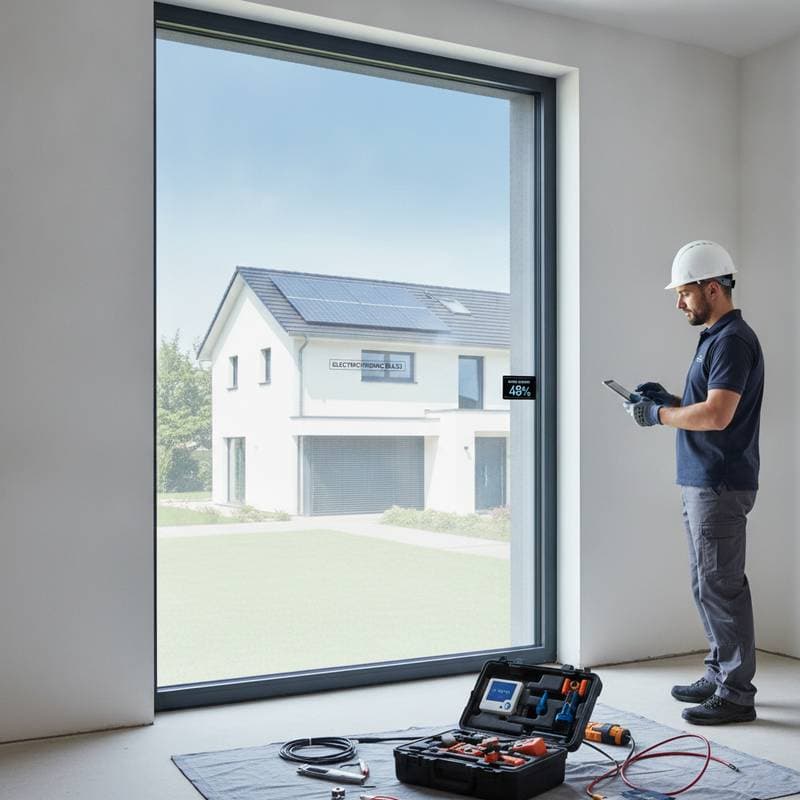
- Set new frames level, apply acoustic sealants, and position glass units.
- Test seals with a smoke pencil or pressure check.
- Add trim and verify operation after several days.
Work with installers experienced in acoustic projects.
Cost, Value, and Maintenance
Initial expense varies by configuration. Long-term benefits include lower energy bills, improved focus, and higher resale appeal. Track expected lifespan, warranty coverage, and maintenance needs when comparing options.
Clean glass and frames regularly. Inspect weatherstripping yearly. Address condensation between panes promptly. Periodic professional checks extend service life.
Selecting Windows for Specific Needs
Assess daily noise patterns and work requirements. Determine whether low-frequency rumble or high-pitched sounds cause the greatest distraction. Consider room location and secondary uses. These details guide selection between basic laminated units and high-performance triple-pane designs.
Design Integration and Energy Savings
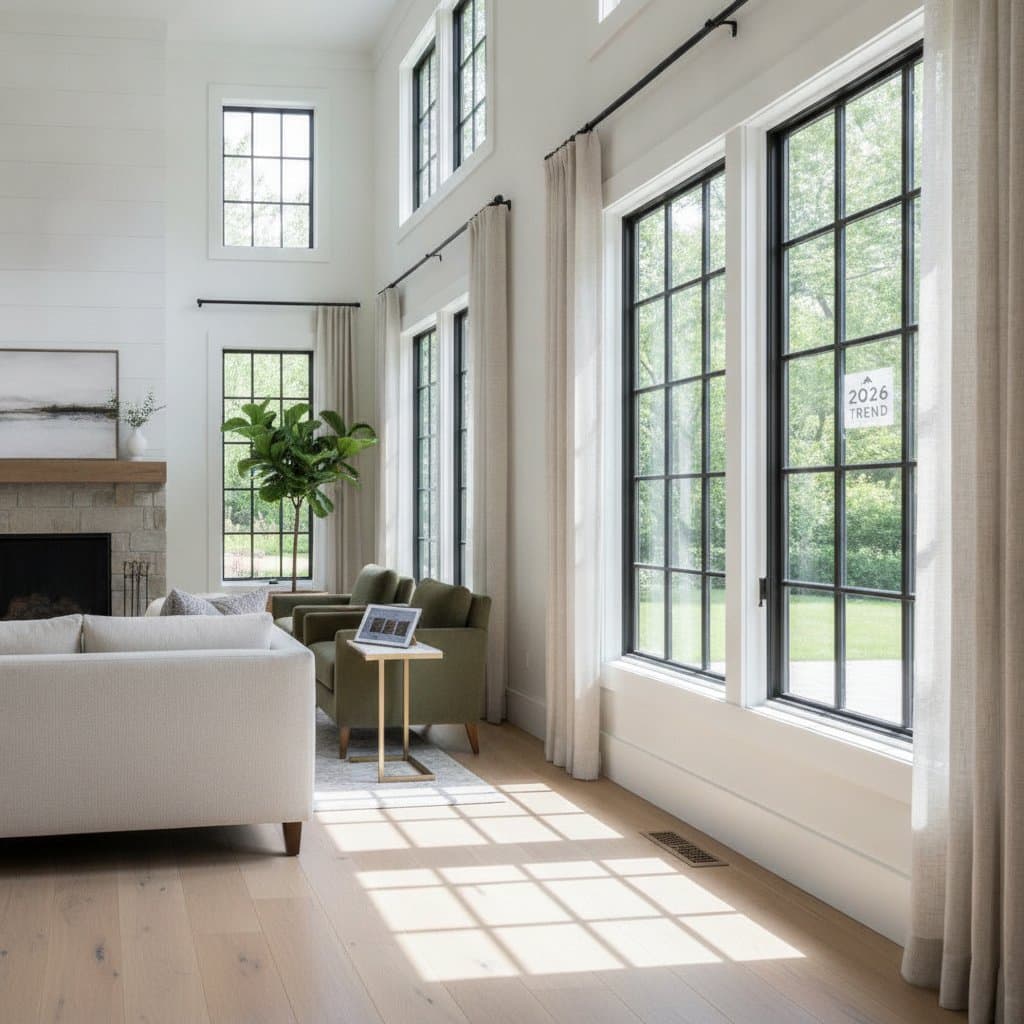
Acoustic windows support natural light while maintaining privacy. Pair them with cellular shades for extra softening. Multi-pane construction also limits heat transfer. Low-emissivity coatings further improve seasonal comfort and reduce energy use.
Avoiding Common Performance Issues
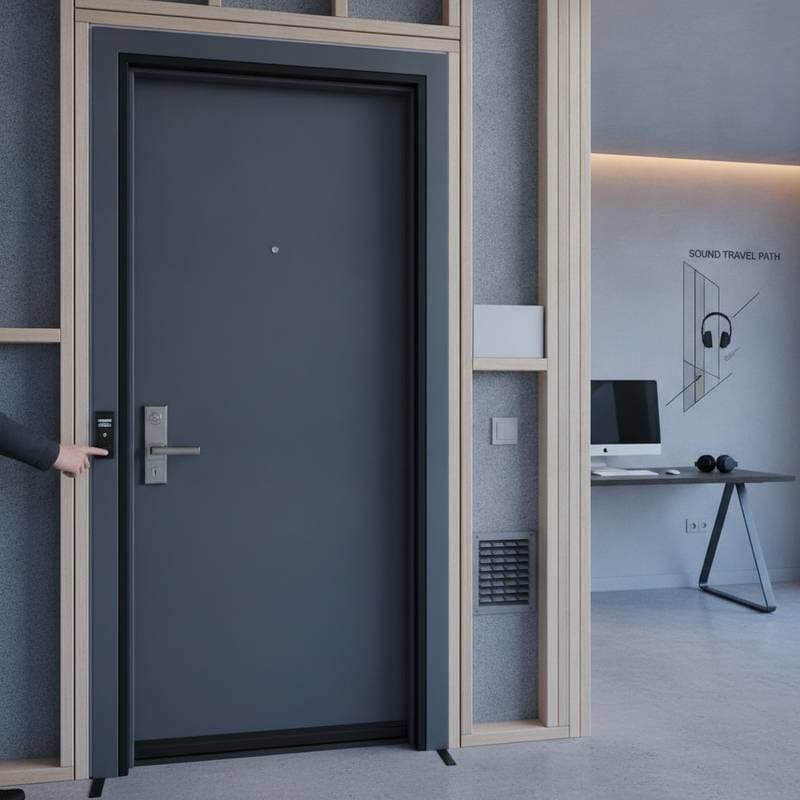
Treat window upgrades as part of a broader acoustic plan. Seal gaps in walls, doors, and ceilings. Add insulation around openings. This approach prevents sound from bypassing the new windows.
Contractor Selection and Long-Term Outlook
Choose professionals with documented acoustic experience. Request references, training certifications, and clear warranty terms. Proper selection and care deliver stable performance for many years. Homeowners often notice better sleep, lower stress, and a calmer workspace overall.