Electrochromic Glass Set to Hit $8B Market
Smart building materials are changing how people think about comfort, privacy, and energy efficiency within their homes. Electrochromic glass has gained remarkable attention among these innovations. This smart glass technology adjusts its tint in response to electrical signals. It allows homeowners to control light and heat levels with precision.
Understanding Electrochromic Glass
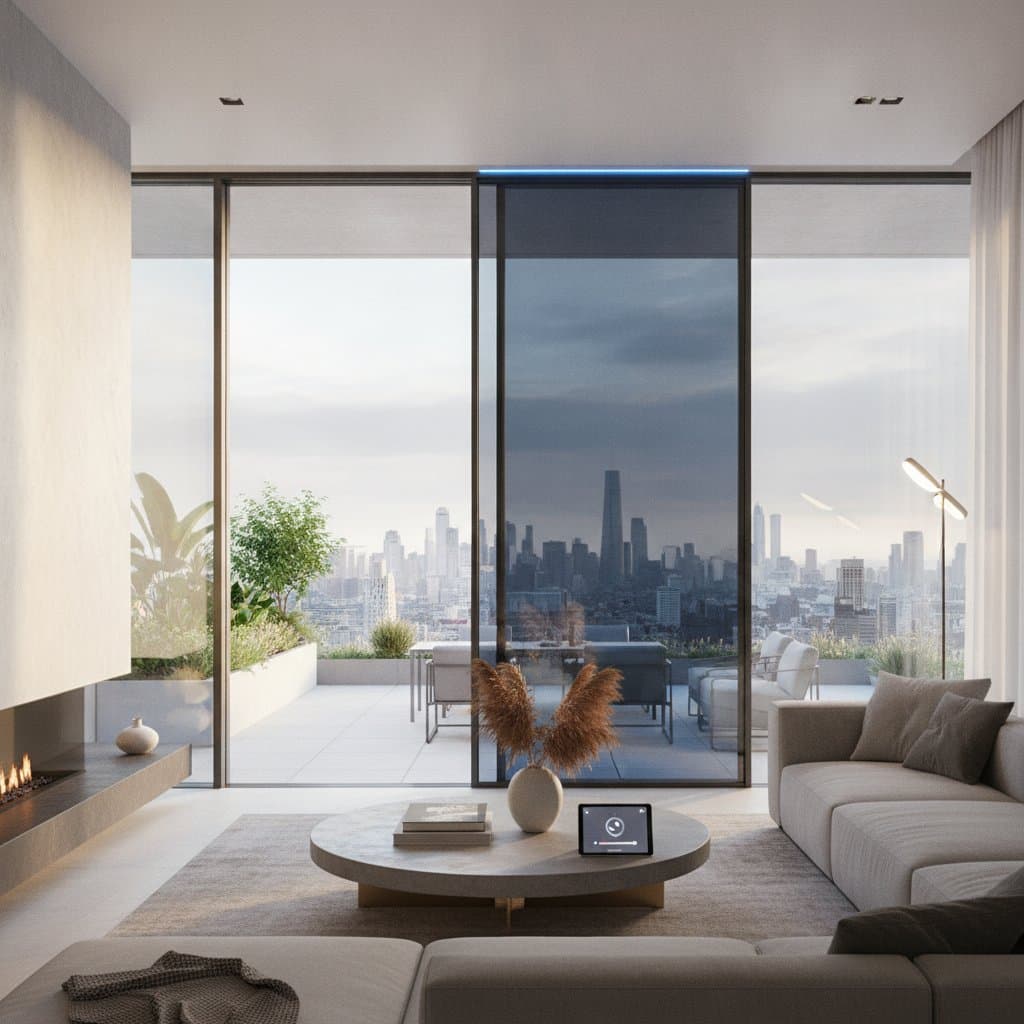
Electrochromic glass contains layers that change opacity when voltage is applied. It can shift from clear to tinted. This change allows control over glare, privacy, and thermal comfort. The technology relies on thin coatings of materials that react to electric current.
Most systems share a layered structure. This structure includes glass panes, electrochromic films, conductive coatings, and insulating layers. When the system is activated, ions move within the layers. The movement changes the glass from transparent to darker shades. Reversing the current clears the glass again. This reversible reaction enables smooth transitions without mechanical parts.
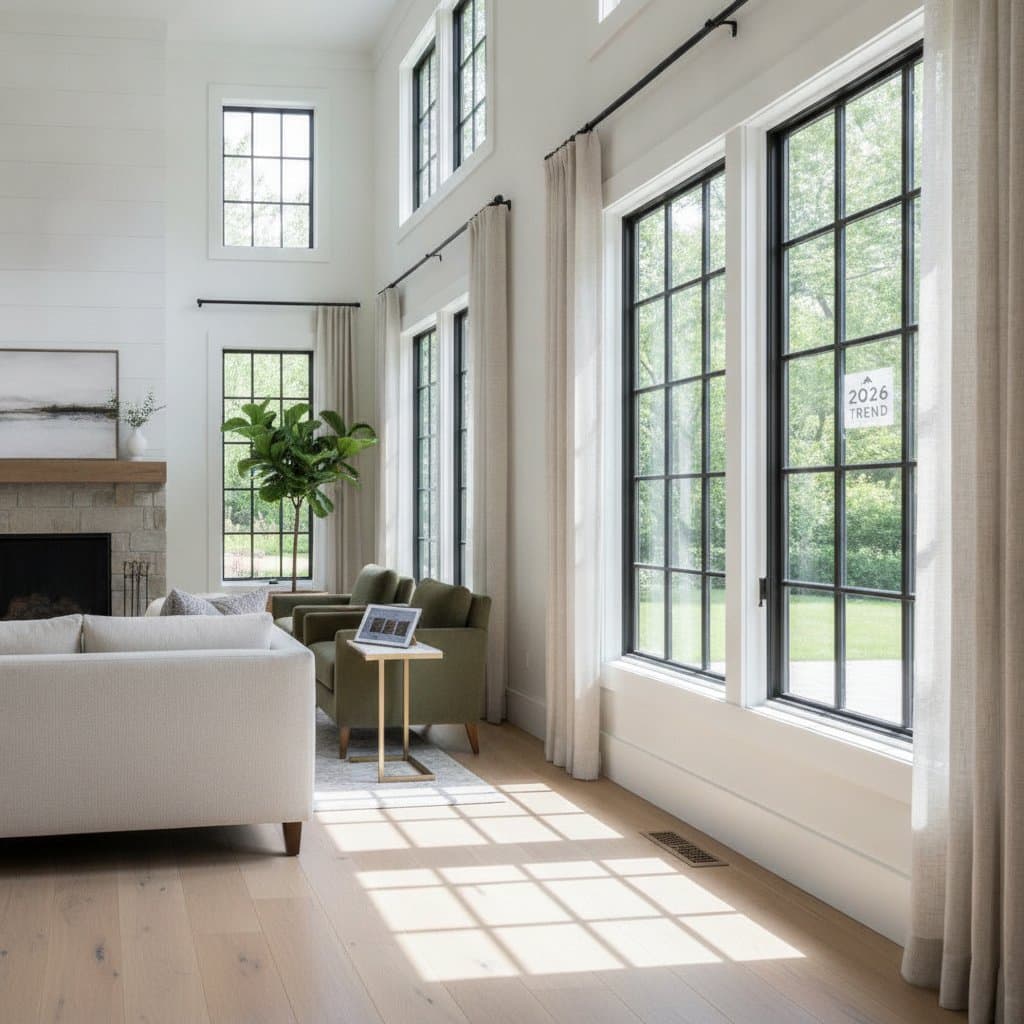
For residential use, this technology supports modern architecture with clean lines. It also fits into smart home systems that adjust conditions automatically based on sunlight or temperature.
Market Growth and Consumer Interest
The market for electrochromic glass has expanded as homeowners and builders look for ways to manage natural light more efficiently. Energy costs, sustainability goals, and aesthetic preferences all contribute to demand. Large commercial buildings often lead adoption. The technology is gradually entering residential projects.
Manufacturers continue to improve durability and reduce cost. These improvements help bring the material within reach for more homeowners. The predicted market value approaching $8 billion reflects both technological maturity and practical viability.
Benefits and Drawbacks for Homeowners
Electrochromic glass comes with both strengths and trade-offs.
Advantages include:
- Energy efficiency through management of solar heat gain.
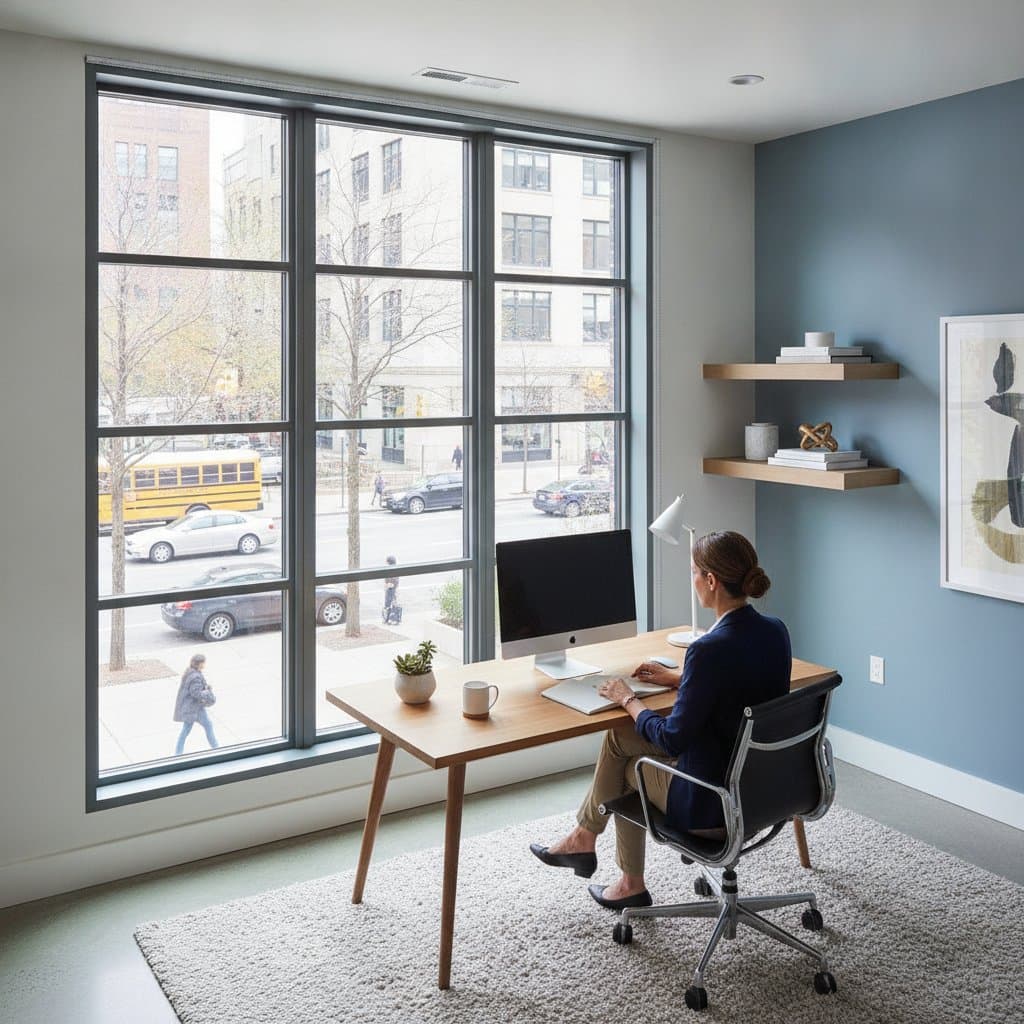
- Glare control that provides comfort without blocking views.
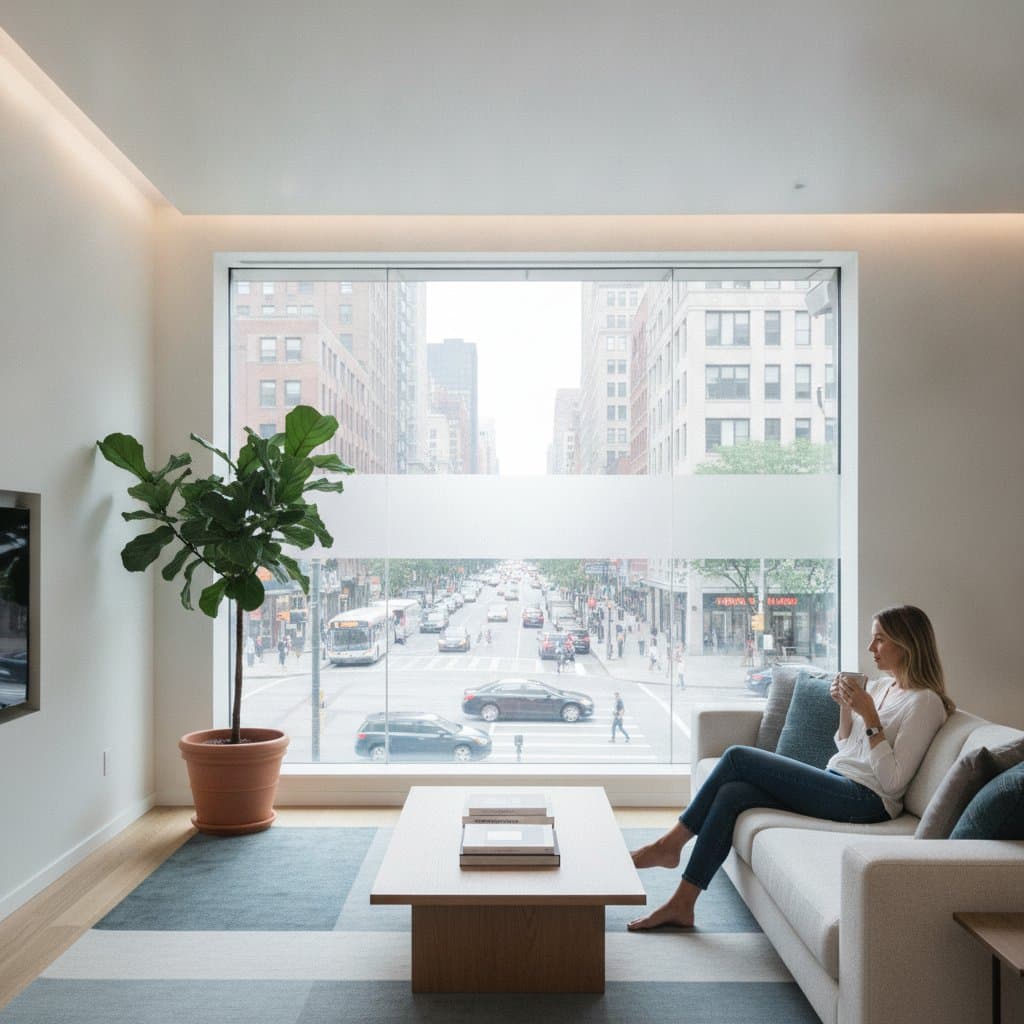
- Privacy when darkened without curtains or blinds.
- A minimalist appearance that suits modern interiors.
- Integration with automation for sensor or smartphone controls.
Challenges include:
- High initial cost compared with traditional glazing.
- Installation complexity that requires professional electrical integration.
- Potential maintenance for electronic components over time.
- Limited color options that typically darken to shades of gray or blue.
Comparison of Window Options
| Option | Initial Cost | Lifespan | Maintenance | Best For |
|---|---|---|---|---|
| Electrochromic Glass | High | Long | Low to Moderate | Energy-conscious homeowners seeking modern design |
| Double-pane Low-E Glass | Moderate | Long | Low | Balanced performance and affordability |
| Traditional Tinted Glass | Low | Long | Low | Simple installations with fixed shading |
| Smart Film Retrofit | Moderate | Medium | Moderate | Existing windows where full replacement is impractical |
This table illustrates how electrochromic glass compares with other common glazing choices. Its price remains higher, yet the functional benefits justify investment for homeowners who value comfort and long-term efficiency.
How Electrochromic Glass Works in Real Homes
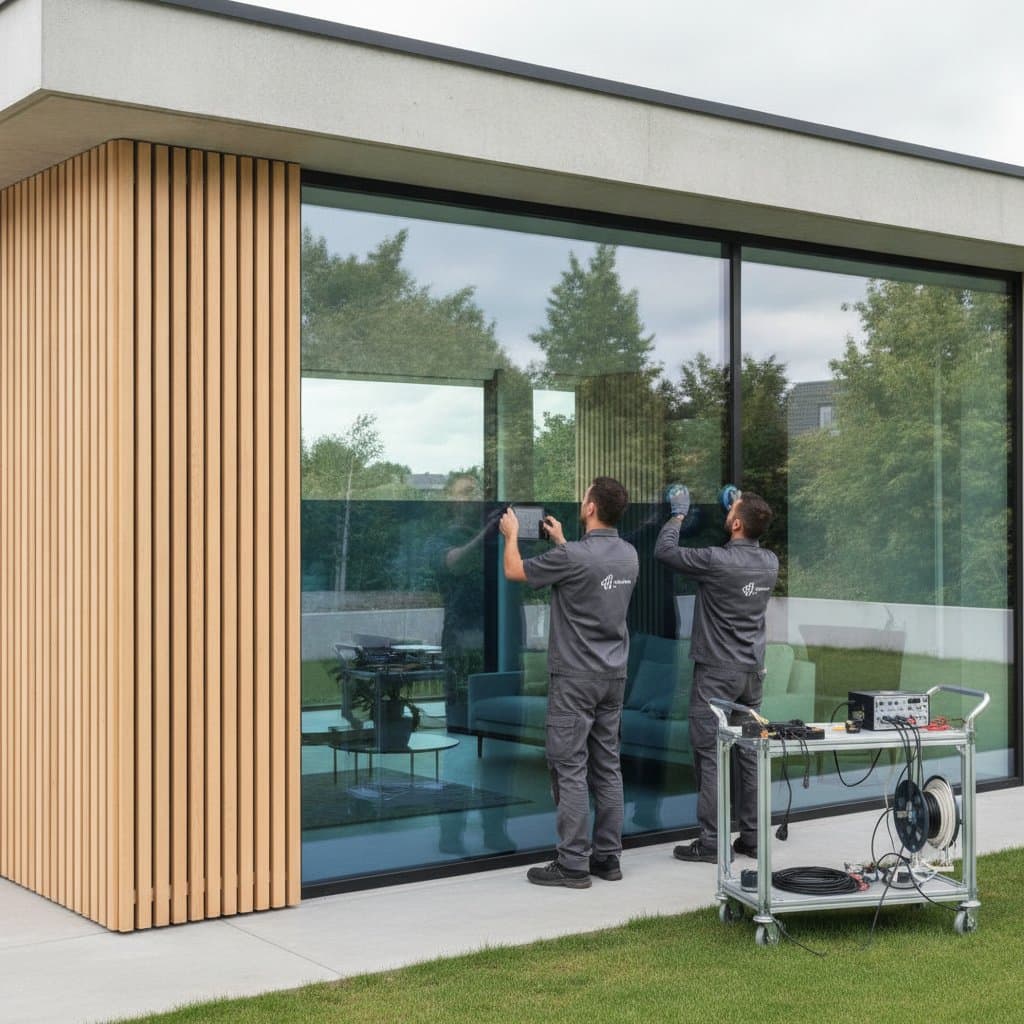
In a typical residential setting, electrochromic glass is installed in window frames similar to standard units. Wiring connects each pane to a control system that manages voltage. Homeowners can adjust tint levels manually or through automation. Sunlight sensors can darken the glass during peak hours. This action reduces glare while maintaining outdoor views.
The glass can also sync with HVAC systems. By reducing heat gain, it lessens cooling loads and helps maintain consistent indoor temperatures. Over time, this coordination can create measurable savings on energy bills.
Lifecycle Considerations
Smart glass should be evaluated for how it performs over time. The expected lifespan of electrochromic glass is comparable to or longer than conventional double glazing when properly installed and maintained.
Key lifecycle factors include durability of quality coatings under UV exposure. Electrical reliability requires protection of internal wiring from moisture. Cleaning calls for non-abrasive cleaners to preserve optical clarity. Individual panes can be replaced without changing the entire system when damage occurs.
Installation Process and What to Expect
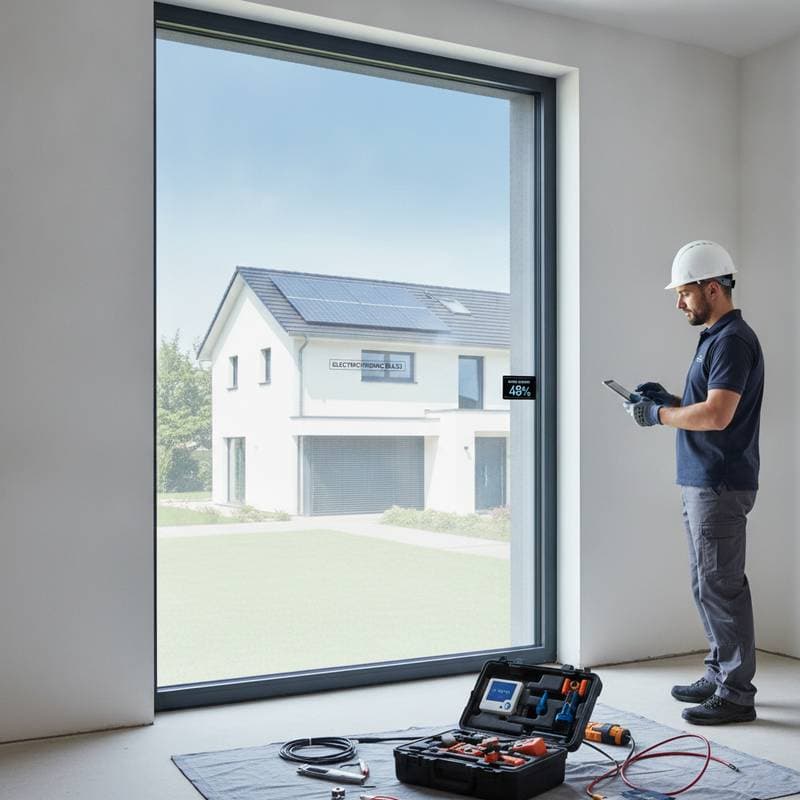
When planning an electrochromic glass installation, homeowners should understand each phase of the process.
- Planning and evaluation: Contractors assess window sizes, exposure directions, and electrical connections. They discuss control preferences such as manual switches or smart integrations.
- Preparation steps: Existing windows are measured and removed if necessary. Electrical wiring paths are mapped to avoid interference with walls or insulation.
- Main implementation: The new glass is fitted into frames with weatherproof seals. Wiring is connected to a control unit near a circuit panel or smart home hub.
- Quality assurance: Each pane is tested for uniform tinting and responsiveness. Installers verify that transitions occur smoothly.
- Completion and follow-up: Homeowners receive instructions for operation and maintenance. Some systems include remote monitoring through mobile apps.
Proper installation is critical for long-term reliability. Experienced professionals who understand both glazing and electrical systems ensure optimal results.
Cost and Value Considerations
Electrochromic glass is more expensive at the outset. The long-term value lies in reduced energy consumption, lower HVAC strain, and improved living comfort. Homeowners planning to stay in their property for many years often find the investment worthwhile.
When evaluating cost, consider energy savings over time. Also factor in the reduced need for window treatments and potential property value increase. Some installers offer tiered systems where only certain rooms use electrochromic glass. South-facing windows or spaces with heavy sun exposure usually provide the best return.
Matching Lifestyle and Design Goals
Smart glass technology appeals to homeowners seeking both efficiency and minimalism. It eliminates clutter from blinds and curtains. Those who prioritize privacy can darken windows instantly. Families who value automation can integrate electrochromic glass into broader smart systems.
For traditional homes, design integration may require creative framing or selective use in areas such as skylights or sunrooms. Matching the glass to the overall architecture ensures that functionality enhances the home character.
Climate and Environmental Factors
Electrochromic glass performs differently across regions. In hot climates, it can reduce cooling loads by limiting solar gain. In colder areas, it helps retain indoor warmth when kept clear during winter months. The ability to adjust tint dynamically makes it more versatile than fixed shading solutions.
From an environmental perspective, lower energy consumption means reduced carbon emissions. Some manufacturers use recyclable materials and energy-efficient production processes.
Maintenance and Long-term Care
Maintenance for electrochromic glass is straightforward but requires attention to both the glass surface and its electronic components.
Recommended care practices include cleaning surfaces with gentle glass cleaners and soft cloths. Avoid abrasive tools that can scratch conductive coatings. Inspect seals annually for moisture or condensation signs. Check control units during routine electrical inspections. Keep firmware or software updated if the system connects to smart home networks.
Safety and Reliability Considerations
Electrochromic glass undergoes safety testing similar to conventional glazing. It meets building standards for impact resistance and insulation. Electrical components operate at low voltage, minimizing risk. Professional installation remains essential to ensure compliance with building codes.
In case of power outages, most systems maintain their last tint state until power returns. Warranties often cover both the glass and control electronics for several years.
Choosing What Works Best
When deciding whether to install electrochromic glass, homeowners should compare their goals with the system strengths. Those seeking maximum energy efficiency, modern design, and automation benefits will find it appealing.
Questions to guide decision-making include how much direct sunlight the home receives. Other questions cover whether privacy is a recurring concern, what the budget allows for window upgrades, how important smart home integration is, and whether energy savings take priority over short-term cost.