Acoustic Glass: Cutting 85% of Street Noise for Quieter Homes
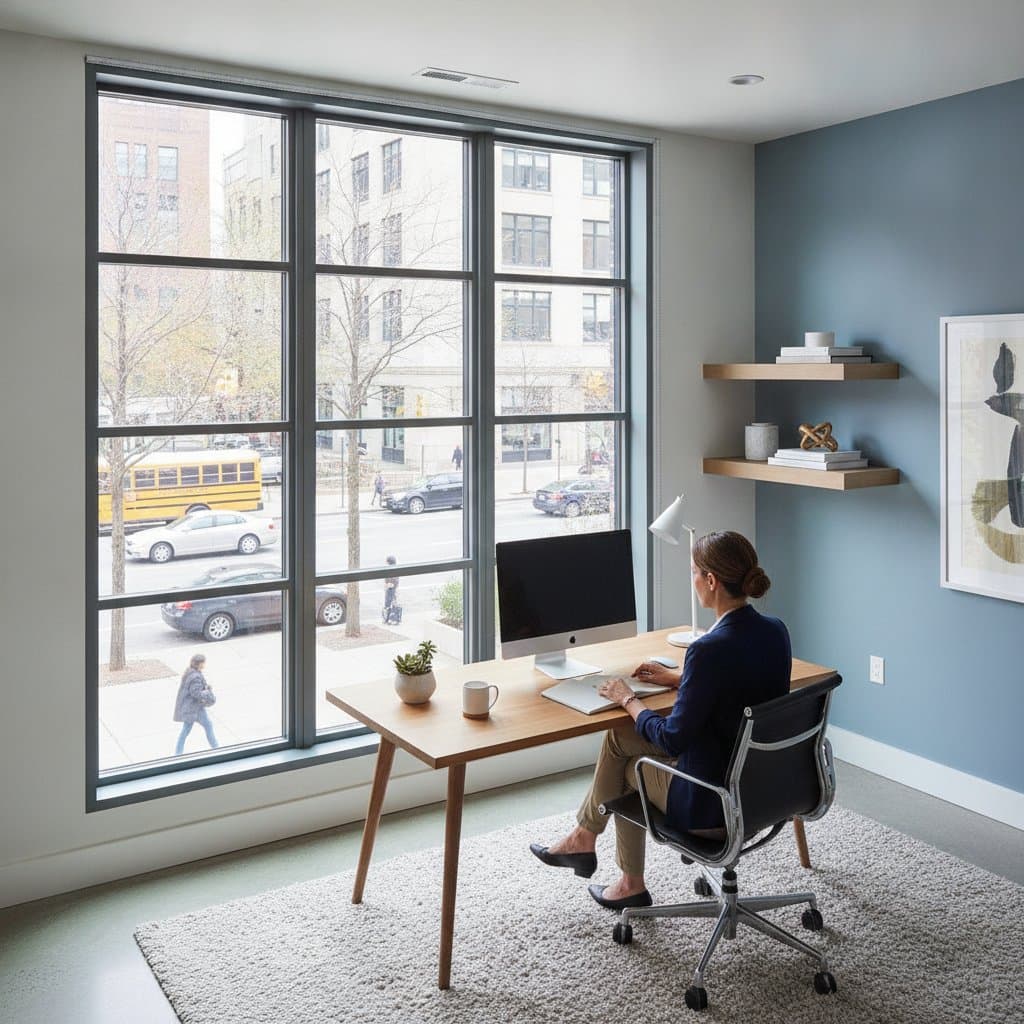
A calm home environment ranks high among homeowner priorities in busy neighborhoods. Traffic hum, barking dogs, and conversations often penetrate standard windows. Acoustic glass reduces up to 85 percent of such street noise while preserving natural light and exterior style.
How Acoustic Glass Performs
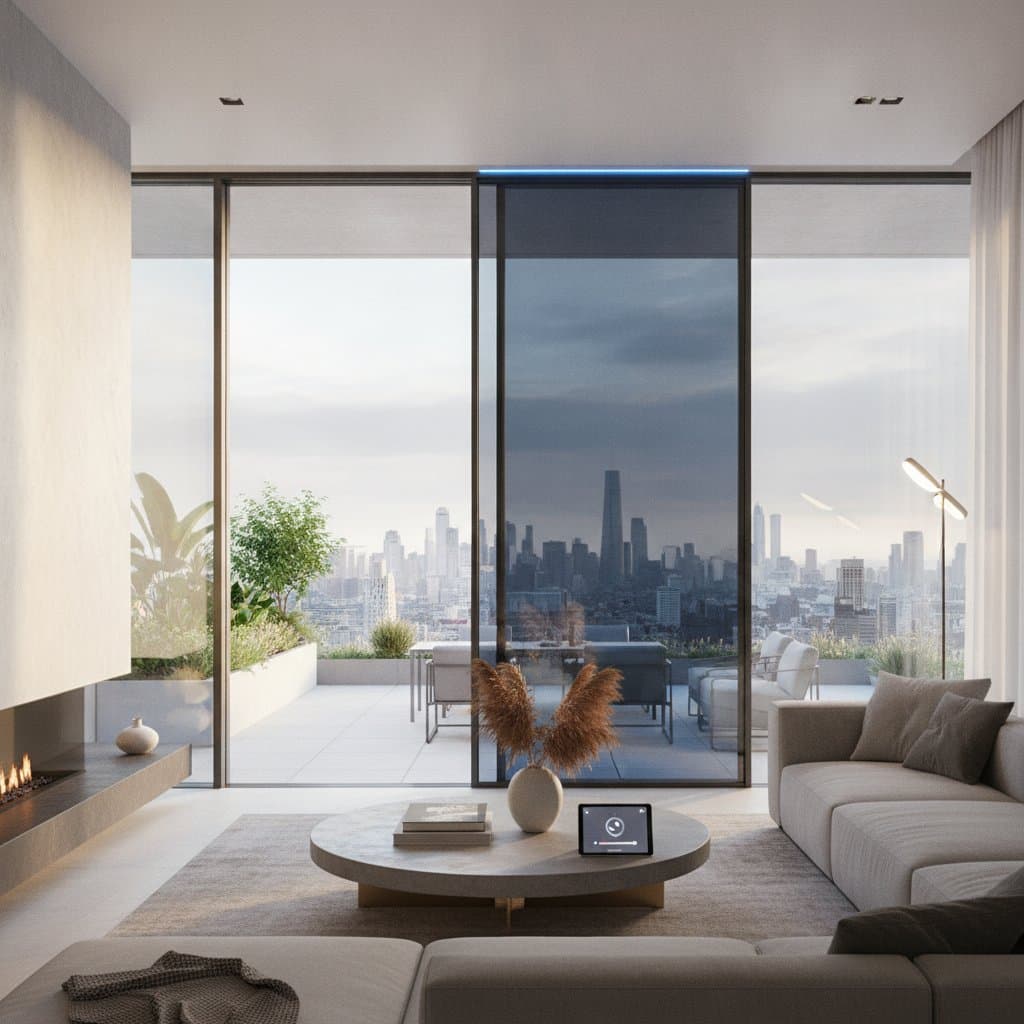
Acoustic glass consists of laminated layers with a sound-dampening interlayer. Sound waves lose energy as they pass through, which lowers transmission without reducing daylight. The material suits contemporary, minimalist, and traditional homes alike because it accepts varied frame finishes.
Interest in acoustic performance reflects wider trends toward comfort, privacy, and energy efficiency. Once considered a luxury, the upgrade now supports daily livability and resale value.
Budgeted Installation Paths
Entry-level option (3000 to 6000 dollars)
- Fit double-pane acoustic inserts into existing frames.
- Select vinyl frames to control cost and improve insulation.
- Target bedrooms and street-facing rooms first.
Mid-level option (6000 to 12000 dollars)
- Replace full frames with laminated acoustic units.
- Choose aluminum-clad wood for strength and warmth.
- Add perimeter seals and weatherstripping to block flanking paths.
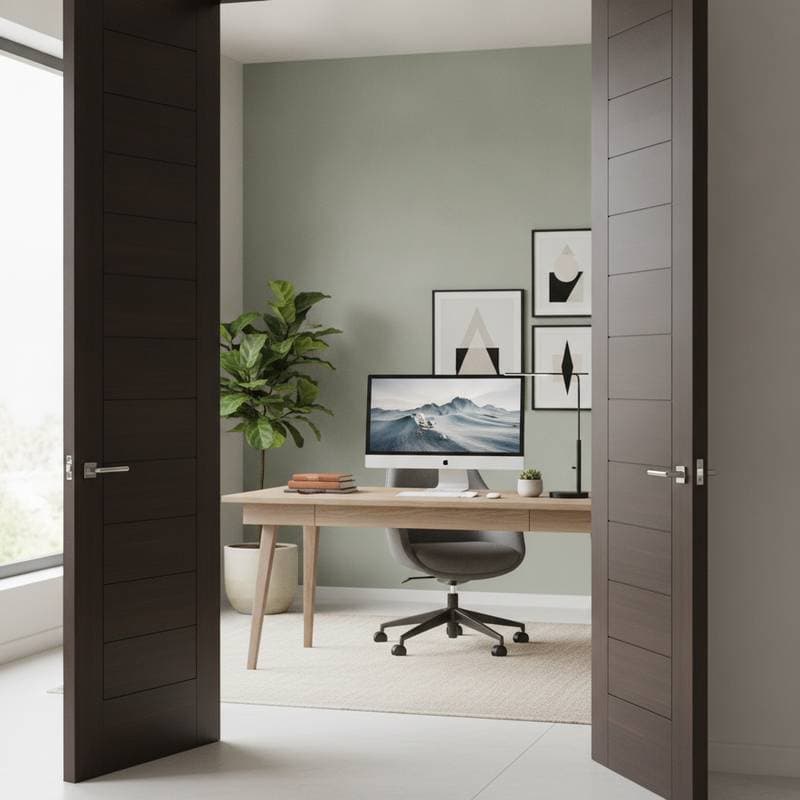
- Match with solid-core doors that carry insulated glass inserts.
Premium option (12000 to 25000 dollars)
- Install triple-pane units with variable glass thicknesses.
- Pair with thermally broken aluminum or composite frames.
- Incorporate low-profile detailing and concealed hardware.
- Extend coverage to sliding patio doors while retaining acoustic performance.
Material and Finish Selections
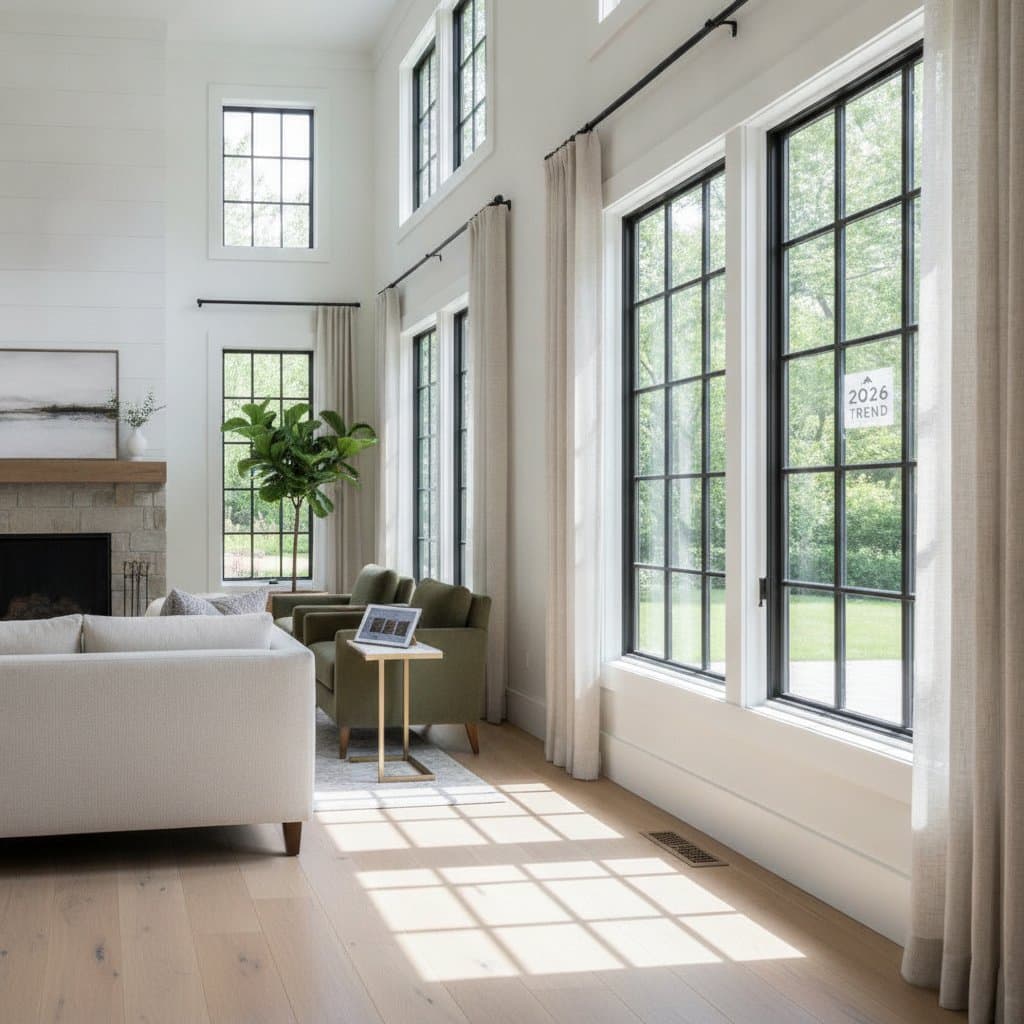
Windows perform best with laminated acoustic glass inside insulated frames. Matte black or bronze finishes create contrast. Soft gray or white frames provide a classic appearance. Brushed nickel or matte black hardware pairs with most palettes.
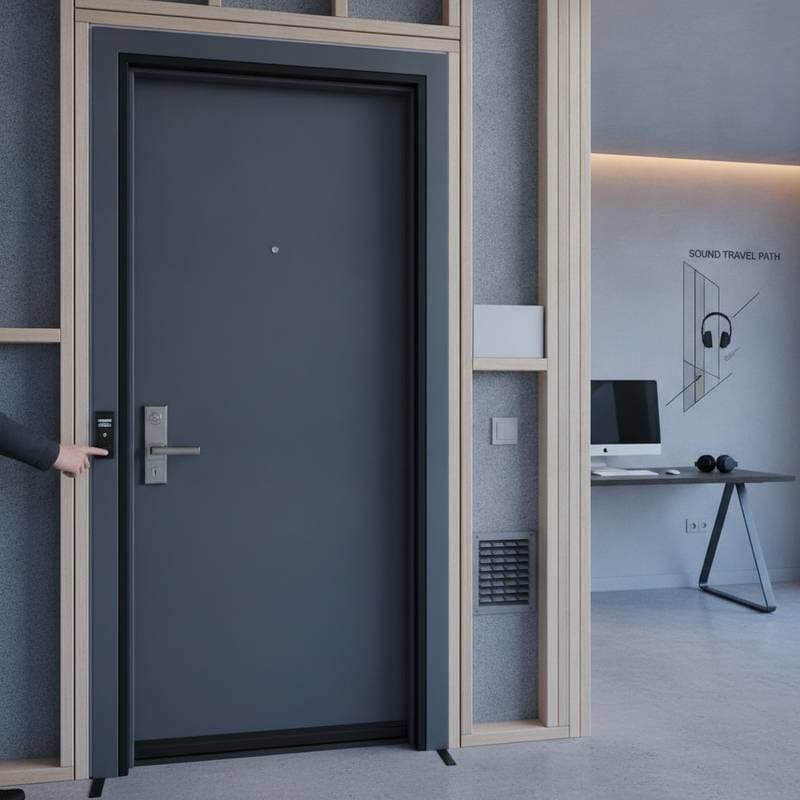
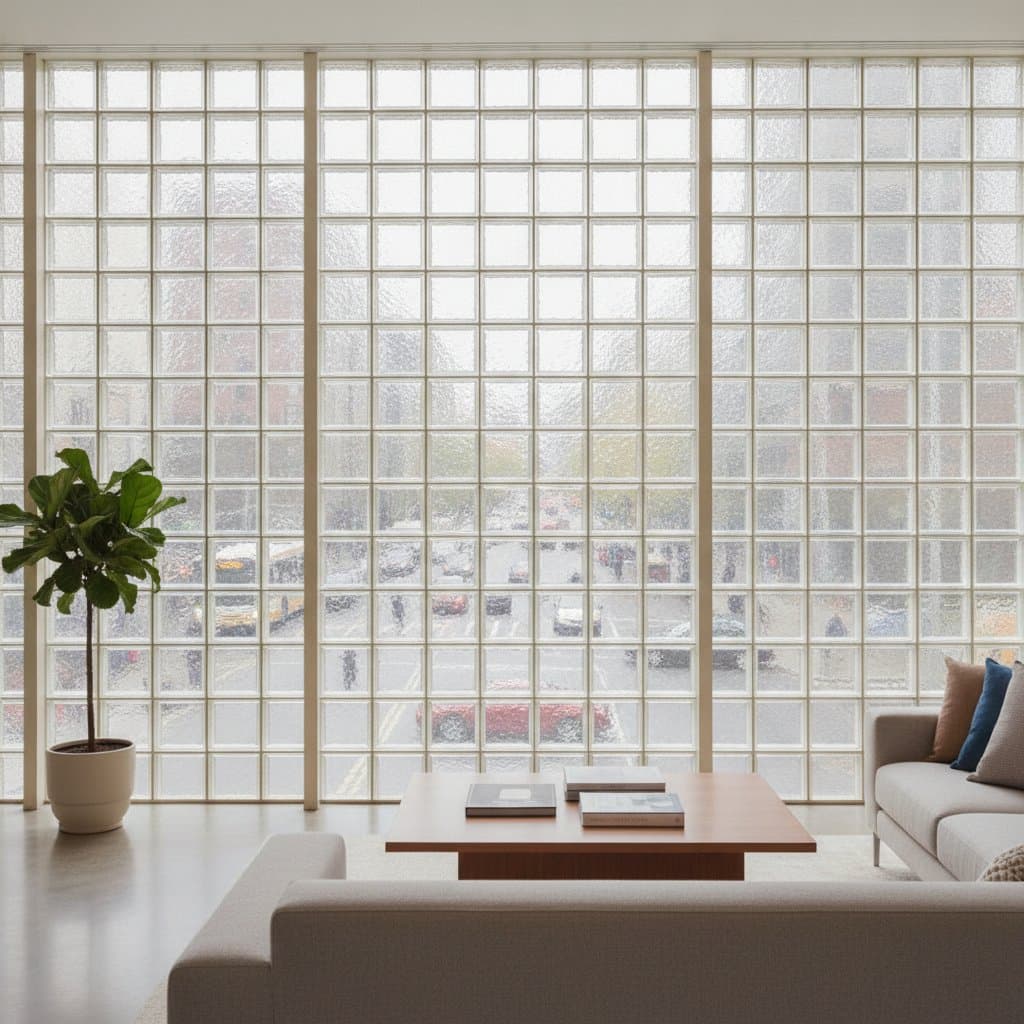
Doors should feature solid cores and internal sound barriers. Frosted or patterned acoustic glass panels add interest while filtering light. Satin chrome or aged brass hardware supplies durability.
Siding in insulated fiber cement complements the windows. Horizontal profiles suit modern homes. Board-and-batten styles fit farmhouse settings. Coastal gray, warm taupe, and off-white tones coordinate with neutral frames.
Wide trim boards define openings. Charcoal trim against light siding or white trim against darker siding improves visual balance.
Routine Care Requirements
Clean acoustic glass with a mild solution and soft cloth. Check seals seasonally for flexibility. Vinyl and composite frames need little attention. Wood frames require periodic sealing to resist moisture.
Proper maintenance allows high-performance systems to last decades. The interlayer also blocks ultraviolet light, which protects interior furnishings from fading.
Common Installation Errors to Prevent
- Pair acoustic glass with well-sealed frames. Weak frames allow sound to bypass the glass.
- Provide controlled ventilation. Trickle vents or mechanical systems preserve air quality.
- Match glass thickness to the noise spectrum. A specialist can recommend the correct configuration.
- Hire certified installers. Precise fitting prevents gaps that reduce performance.
Coordinated Color Palettes
- Urban Calm uses charcoal siding, black frames, and silver hardware.
- Coastal Light combines soft white siding, pale gray frames, and brushed nickel accents.
- Modern Warmth features taupe siding, bronze frames, and wood-toned doors.
- Timeless Contrast places midnight trim against cream siding with matte black hardware.
- Natural Harmony pairs light cedar with clear-coated wood frames and aged brass fixtures.
Pre-Project Documentation Steps
Photograph the existing exterior from multiple angles. Record window placement, trim details, and siding texture. Note architectural style and any neighborhood guidelines. Assess local climate conditions that affect material choice. Define budget limits and room priorities before work begins.
Added Performance Benefits
Acoustic upgrades also stabilize indoor temperatures and cut energy use. Laminated construction improves safety because broken glass remains intact. Light transmission stays high, so interiors remain bright.
Homeowners can combine acoustic glazing with matching doors and siding to create a unified exterior. Matte black windows set against fiber cement siding and a solid entry door deliver both quiet and visual impact.
Matching Solutions to Specific Noise Sources
City traffic, playgrounds, and construction each produce different frequencies. Glass type, frame material, and installation details can be adjusted to address the dominant sounds at each property. The resulting windows and doors add architectural rhythm while delivering measurable quiet.
Thoughtful material choices turn noise reduction into lasting comfort and higher property value.