Experience On-Demand Privacy with Electrochromic Glass
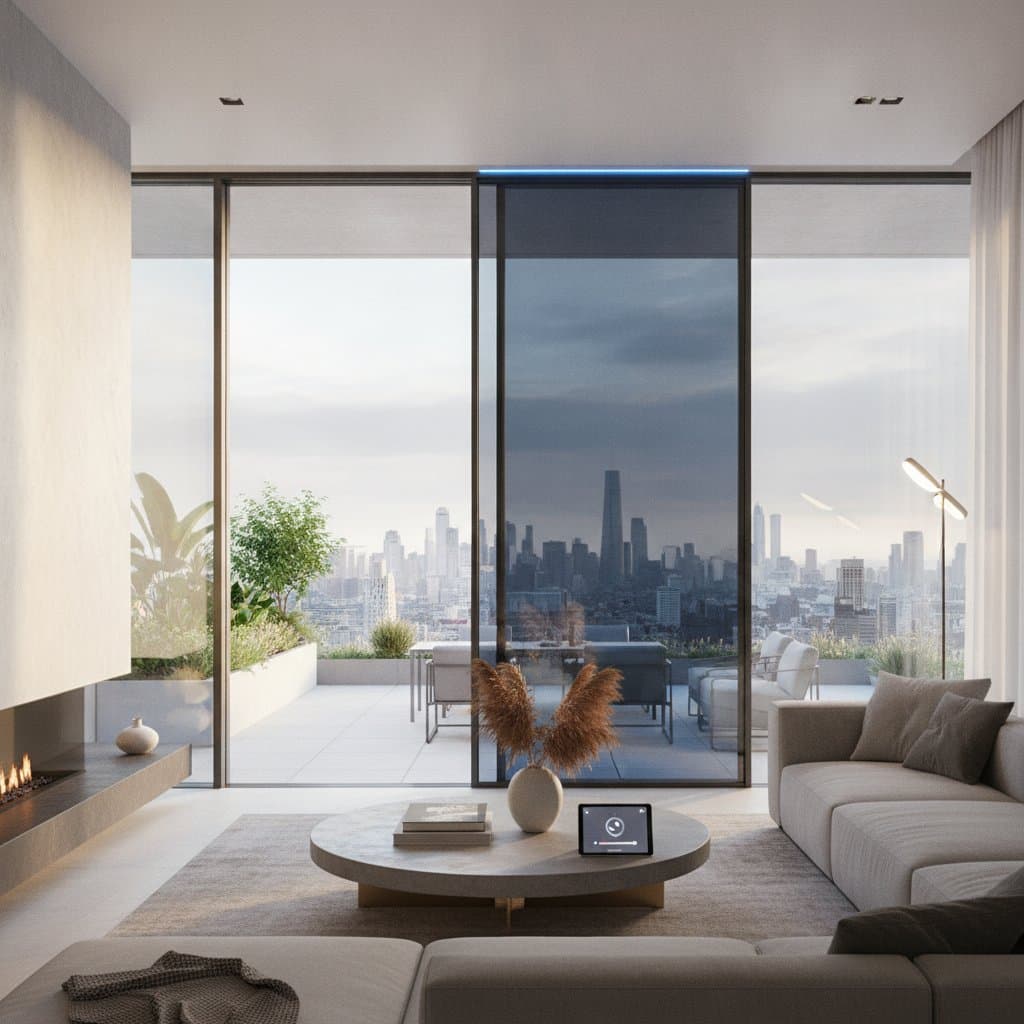
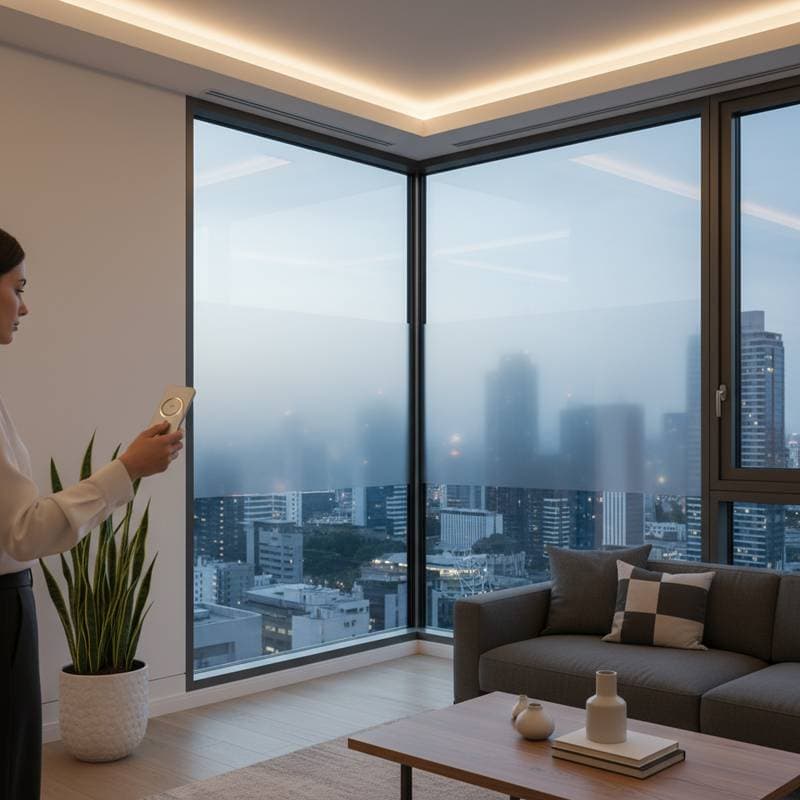
Homeowners seek privacy solutions that adapt quickly while preserving natural light and interior style. Electrochromic glass meets this need by shifting windows and panels from clear to opaque through a simple control. The material integrates light management, energy performance, and visibility control in a single system.
How Electrochromic Glass Works
The glass contains thin conductive layers placed between two panes. A low-voltage current moves ions within the layers, producing a reversible tint or frost effect. Controls range from wall switches to smartphone apps or whole-home automation platforms.
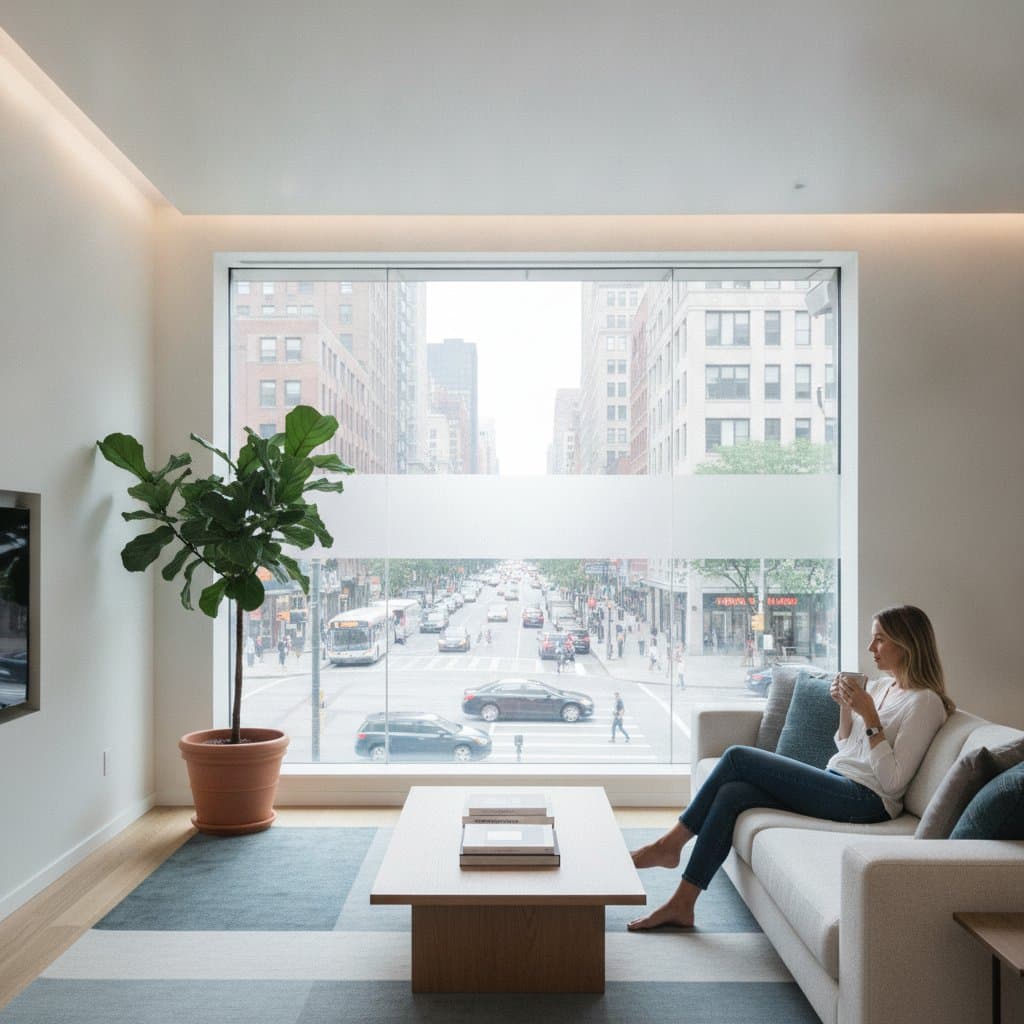
Residential use has grown as panel sizes, framing options, and power requirements have become more practical. Common locations include bathroom windows, office partitions, and street-facing sidelights where adjustable privacy adds daily value.
Privacy Options Compared
Several treatments address visibility concerns. The following table outlines key differences in cost, durability, and upkeep.
| Option | Initial Cost | Lifespan | Maintenance | Best For |
|---|---|---|---|---|
| Curtains or Blinds | Low | Moderate | Regular dusting and fabric care | Classic rooms needing variable light levels |
| Frosted Film | Low to Medium | Moderate | Periodic film replacement | Permanent privacy on fixed panes |
| Electrochromic Glass | High | Long | Occasional electrical inspection | Spaces requiring frequent state changes and efficiency gains |
Electrochromic panels eliminate the need for layered coverings. They also limit solar heat gain during peak hours, which supports lower cooling loads over multiple seasons.
Installation Steps
Successful projects follow a clear sequence that coordinates glazing and electrical work.
- Evaluate each opening for privacy priority and confirm nearby power access.
- Verify local codes and select the preferred control method before ordering panels.
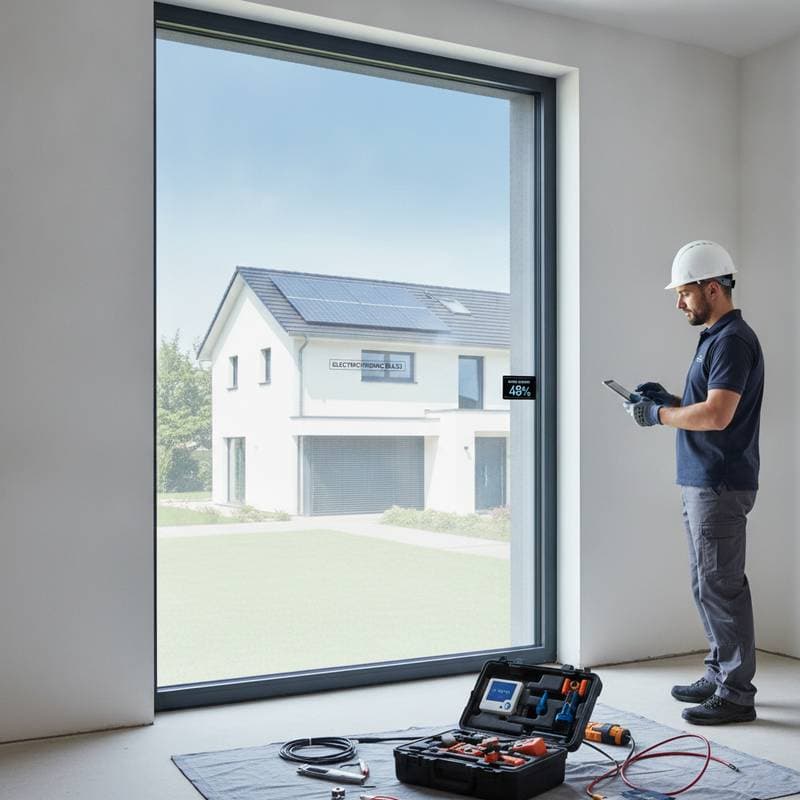
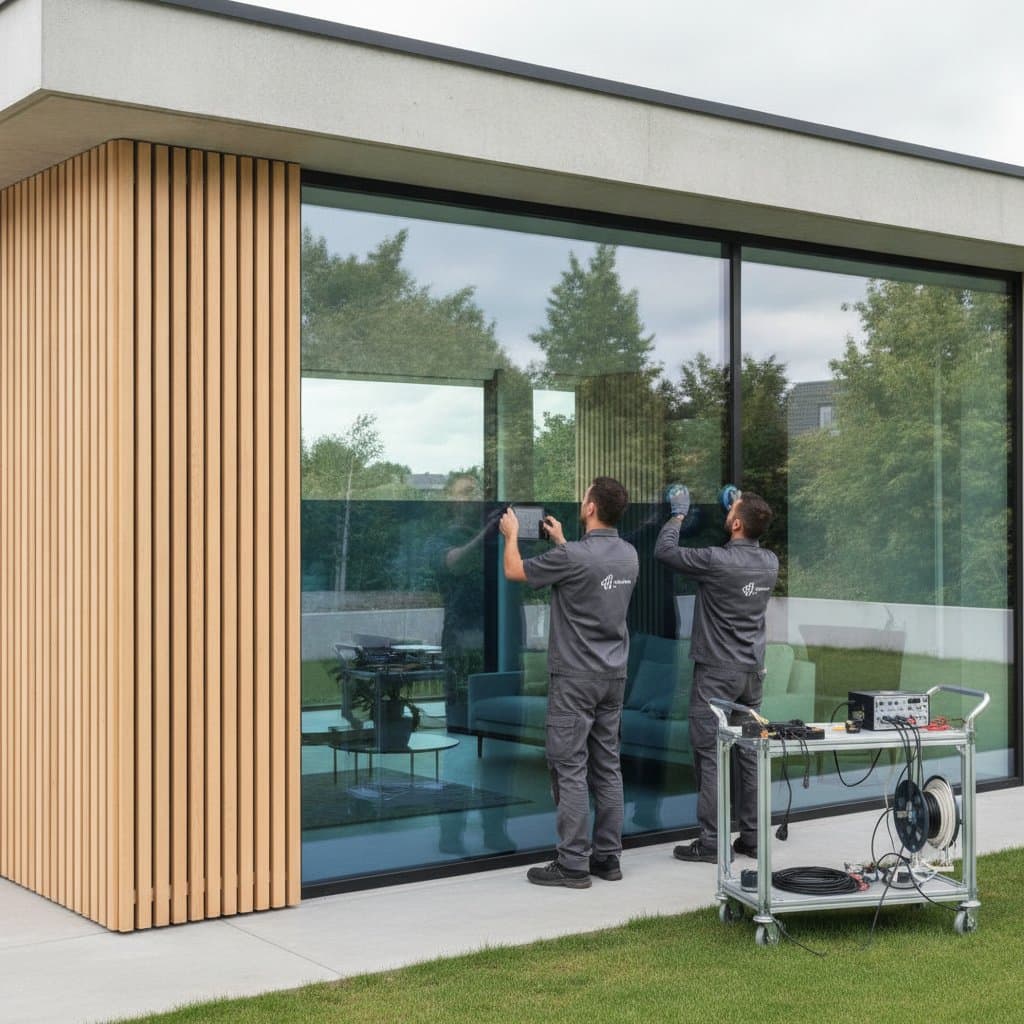
- Mount the glass in standard frames and connect low-voltage wiring.
- Test every panel for uniform switching and concealed connections.
- Provide the owner with operating instructions and warranty details.
Professional teams complete most residential jobs within one to two days once measurements are finalized.
Cost, Comfort, and Design Balance
Initial expense remains higher than conventional treatments. Long-term returns appear through reduced glare, lower utility costs, and the removal of bulky shades or blinds. The glass surface stays flat and modern, suiting both minimalist and traditional room styles.
Interior partitions made from this material separate living zones while transmitting daylight. Skylights and patio doors equipped with the same technology allow brightness adjustments without added hardware.
Care and Service Life
Routine cleaning uses standard glass methods and non-abrasive products. Sealed electrical components resist moisture and dust. Warranties typically cover both the switching function and glass integrity for extended periods.
Over years the system protects furnishings from ultraviolet exposure and stabilizes indoor temperatures. These effects reduce replacement cycles for carpets, upholstery, and flooring.
Selecting the Right Fit
Review household routines, preferred daylight levels, and specific privacy requirements before committing. Automated schedules suit busy homes, while manual controls appeal to those who value direct oversight. The result is a practical layer of technology that supports both openness and seclusion without visual clutter.