Colonial Window Grids Return as a 2026 Design Trend
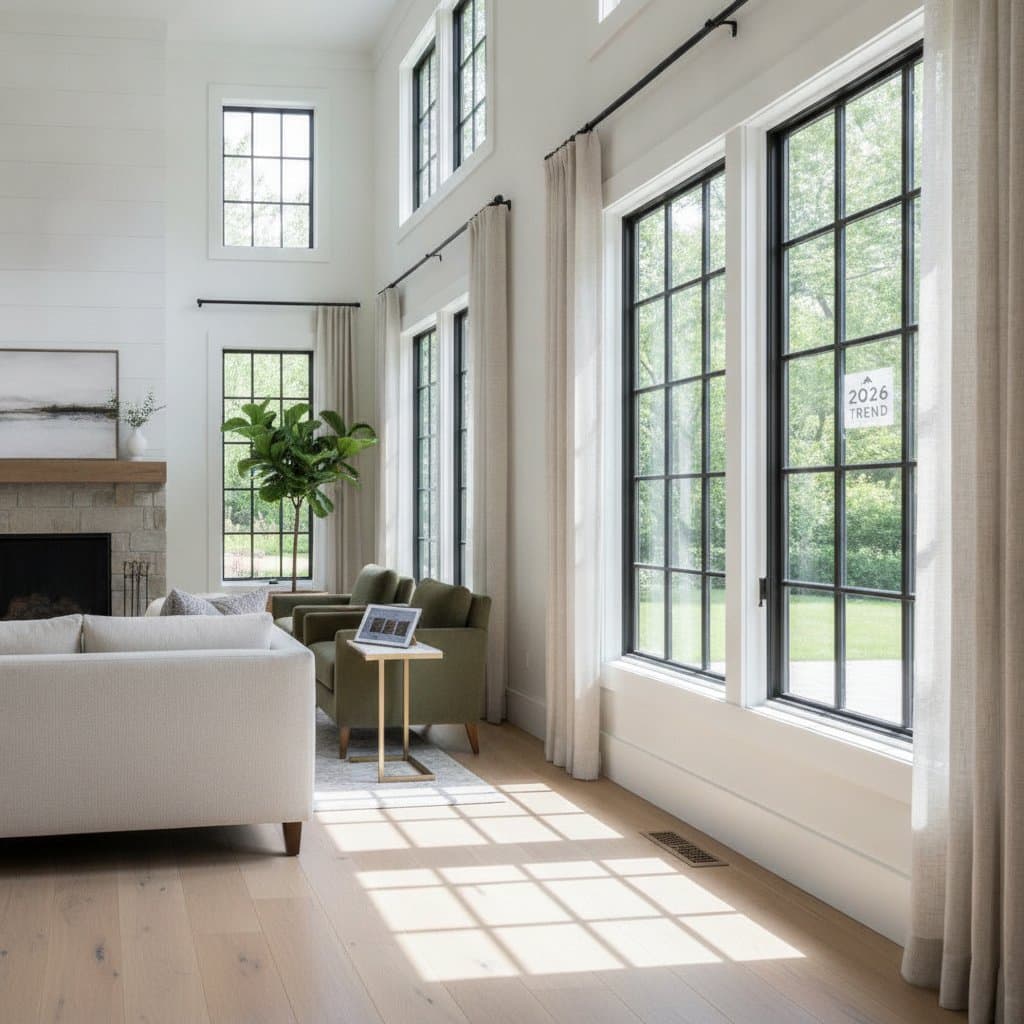
Colonial window grids are returning to residential design as homeowners seek windows with more character, proportion, and architectural detail. This familiar style divides glass into smaller sections with muntins, creating a traditional appearance that fits colonial, farmhouse, cottage, and transitional homes.
Installing new windows with colonial grids typically costs about $450 to $1,500 per window, including standard materials and labor. Larger units, custom wood frames, specialty glass, and structural changes can raise the project total to $1,500 to $4,000 per window. Your final bill will depend on window size, frame material, grid configuration, installation access, and local labor rates.
What Colonial Window Grids Are
Colonial grids are decorative or structural divisions that create a repeated pattern across a window. Traditional windows used individual panes separated by muntins, while modern units often use simulated divided lite designs. These newer products place grids between glass panes or attach them to the interior and exterior surfaces.
A common colonial pattern uses six panes over six panes, often written as six over six. Other options include four over four, six over one, or custom layouts selected to match the home's architecture.
Grid placement affects both appearance and cleaning. Between glass grids are protected from dust and weather, while surface applied muntins provide stronger dimensional detail but require more care.
Why Homeowners Are Choosing This Style
Many homeowners want replacement windows that feel connected to the home's original architecture. Large uninterrupted glass remains useful for modern interiors, yet it can look out of place on older properties or traditionally styled exteriors.
Colonial grids provide visual rhythm without requiring major remodeling. They can make tall windows appear more balanced, strengthen a symmetrical facade, and repeat design details found in doors, shutters, trim, and porch railings.
Interior designer Sarah Barnard said in a residential design discussion that divided window patterns can help a home feel "rooted in its architectural language." That principle matters when you are replacing windows in a period inspired home. The grid should match the building's scale instead of appearing added as an afterthought.
Colonial Grid Options and Typical Costs
The table below provides broad installed cost ranges. Local pricing can differ based on region, access, warranty terms, and the condition of the existing opening.
| Window or Grid Option | Typical Installed Cost | Key Features |
|---|---|---|
| Vinyl window with between glass grids | $450 to $900 | Low maintenance, affordable, suitable for many replacement projects |
| Fiberglass window with colonial grids | $700 to $1,400 | Strong frame, stable performance, painted or factory finished options |
| Wood window with simulated divided lites | $900 to $2,200 | Traditional appearance, repairable materials, requires regular maintenance |
| Custom wood window with true divided lites | $1,500 to $4,000 | Authentic construction, detailed craftsmanship, higher upkeep |
| Grid inserts for existing windows | $80 to $300 per window | Lower cost option, useful for selected interior updates |
Grid inserts can refresh the look of certain windows, but they may not fit every frame or glass package. Ask the manufacturer whether the insert is removable, properly secured, and compatible with the existing sash.
Choosing the Right Grid Pattern
Start by studying the home's existing proportions. A narrow window may look crowded with many small panes, while a broad opening can support a six over six pattern without losing too much visual openness.
Use matching patterns across rooms that share the same elevation. Front facing windows often benefit from consistent grids, while rear windows can use fewer divisions if you want more daylight and outdoor visibility.
Consider the view before selecting a pattern. Dense grids can interrupt sightlines, especially on windows facing gardens, wooded areas, or scenic spaces. A perimeter grid, which places muntins around the outside edges while leaving the center clearer, may provide a traditional impression with less visual interruption.
Material Choices and Performance
Vinyl remains one of the most budget friendly choices. It resists peeling and does not require routine painting, though color and profile options may be limited. Check the frame's insulation values, drainage design, and warranty before selecting a low cost product.
Fiberglass offers a rigid frame with good resistance to expansion and contraction. It can resemble painted wood more closely than basic vinyl and typically supports larger glass areas. The initial cost may be higher, but the material can suit homeowners who want traditional detailing with limited maintenance.
Wood offers the strongest historic appearance. It can be painted or stained, repaired in sections, and customized with authentic muntin profiles. Wood windows need regular inspection around joints, sills, and exterior finishes. Moisture damage can spread when small maintenance issues remain untreated.
Energy performance matters with every frame type. Ask for the window's U factor and solar heat gain coefficient. A lower U factor generally indicates better insulation, while the appropriate solar heat gain rating depends on climate, orientation, shading, and cooling needs.
Installation Factors That Affect the Budget
Window replacement usually costs less when the existing frame remains sound and the new unit fits the opening. Full frame replacement can cost more because installers remove trim, sash components, and sometimes exterior cladding before rebuilding the opening.
Expect added charges for:
- Rotten sill plates or damaged framing
- Masonry openings that need adjustment
- Oversized or unusually shaped windows
- Second story access
- Interior and exterior trim replacement
- Lead paint or hazardous material procedures
- Historic district review and special approval
- Specialty glass, acoustic upgrades, or enhanced security hardware
A professional should inspect the opening before providing a firm quote. Photos can help with preliminary estimates, but hidden moisture damage is often discovered only after trim or siding is removed.
Installation Timeline and Permits
A straightforward replacement may take about one to two hours per window, while a full home project can require several days. Custom wood units, structural changes, extensive trim work, and historic detailing can lengthen the schedule.
Permit requirements differ by municipality. Replacing a window with a unit of the same size may receive simpler treatment than enlarging an opening or changing the exterior appearance. Historic districts may require approval for grid pattern, frame material, color, and muntin profile.
Ask your contractor who will obtain permits and schedule inspections. Keep the approved product specifications available, especially if the project affects egress windows in bedrooms. Emergency escape openings must meet local size and operation rules.
DIY or Professional Installation?
Grid inserts and some interior muntin kits may suit experienced do it yourself homeowners. Measure carefully, follow the product instructions, and avoid forcing an insert into a frame that is not designed for it.
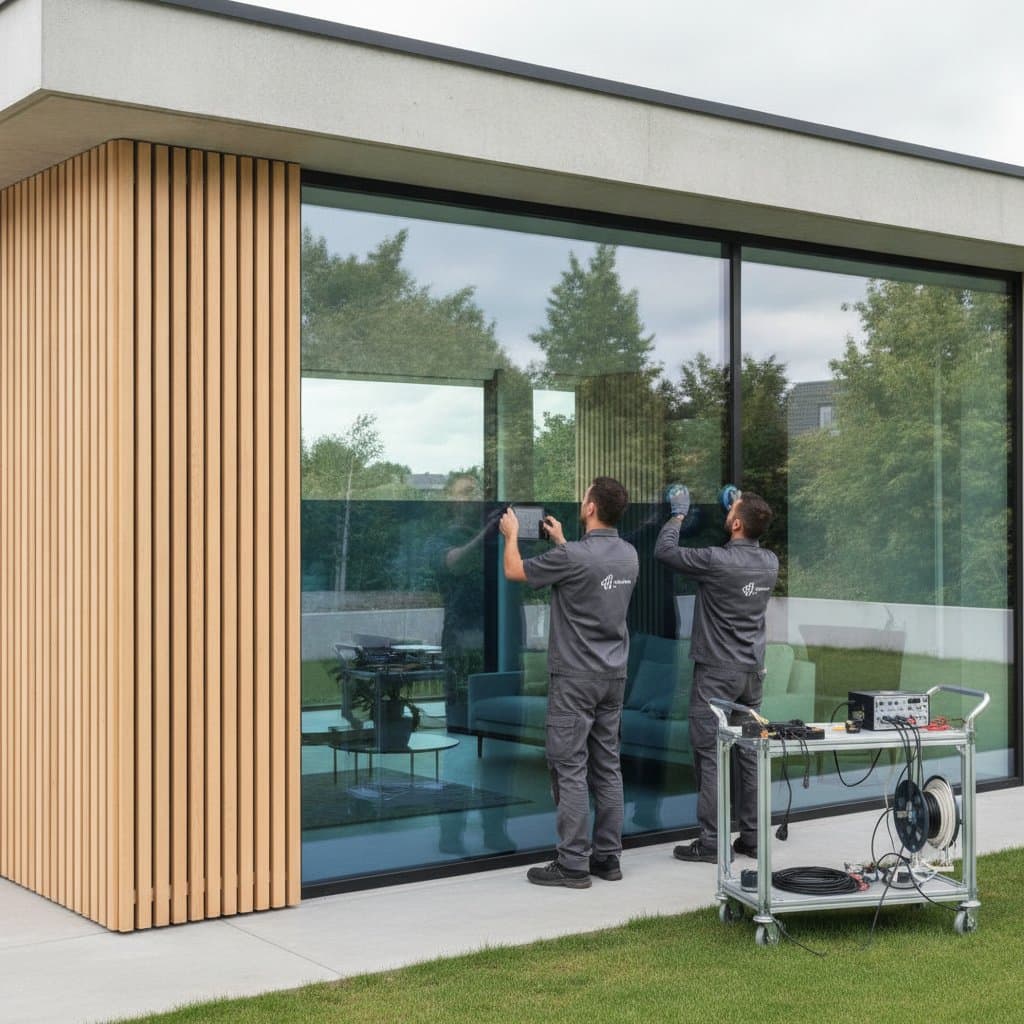
Full window replacement requires careful weatherproofing, shimming, fastening, insulation, and flashing. Poor installation can allow water infiltration, air leakage, operation problems, and premature frame damage. Professional installation is usually the safer choice when the opening is out of square, the window is heavy, or exterior cladding must be removed.
Before hiring, request an itemized estimate that separates windows, grids, labor, trim, disposal, permits, and repairs. Confirm the installer's insurance, product training, workmanship warranty, and method for handling unexpected framing damage.
Maintenance for Colonial Windows
Maintenance depends on the frame and grid type, but a practical schedule helps protect the investment.
- Clean glass and inspect muntins during routine seasonal cleaning.
- Check exterior caulk around the frame for gaps or cracking.
- Inspect wood surfaces for peeling paint, swelling, soft spots, or dark staining.
- Confirm that locks, balances, and hinges operate smoothly.
- Clear debris from exterior tracks and drainage openings.
- Refinish exposed wood when the protective coating begins to fail.
- Replace failed glass seals when fogging appears between panes.
Avoid abrasive cleaners on painted grids and do not use sharp tools near insulated glass seals. If a window sticks suddenly, investigate moisture or frame movement before applying excessive force.
Making Colonial Grids Work in Your Home
Colonial window grids can refresh a home's exterior without changing its basic footprint. The strongest results come from matching the grid density, muntin width, frame color, and trim proportions to the architecture.
Before ordering, compare full size samples from inside and outside the home. Review the pattern at different distances, assess the view through the glass, and confirm the grid location in writing.
With thoughtful planning, colonial windows can provide traditional character, improved comfort, and a cohesive appearance that supports your home's design for many years.