Smart Tinting Windows Reduce Home Energy Costs in 2026
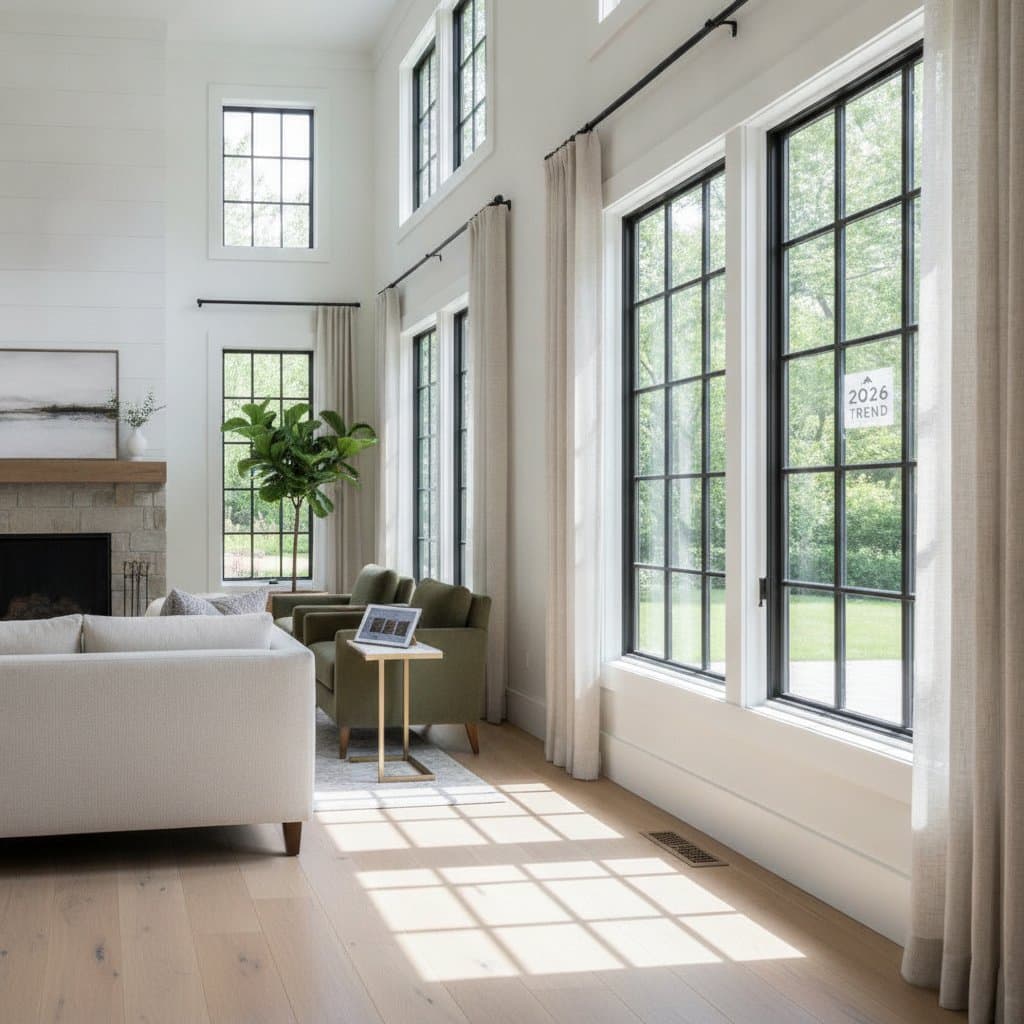
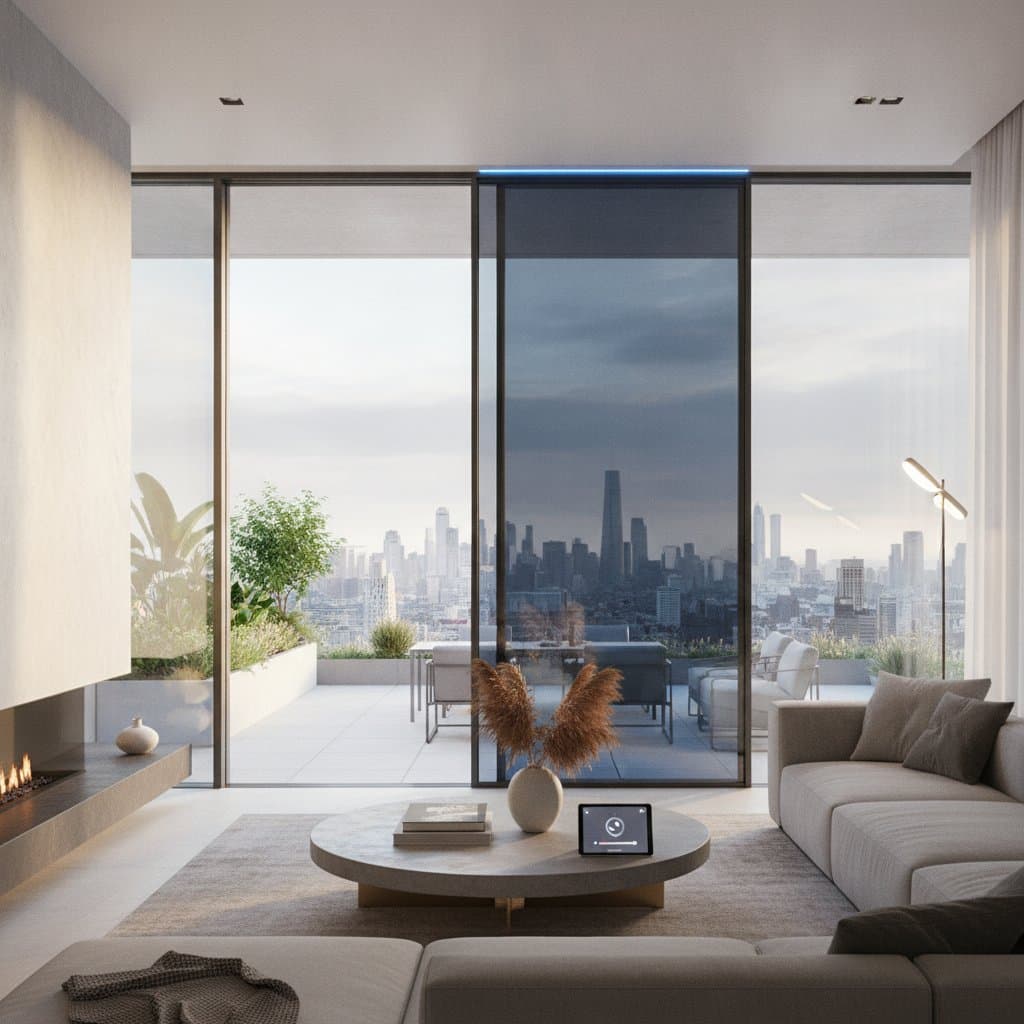
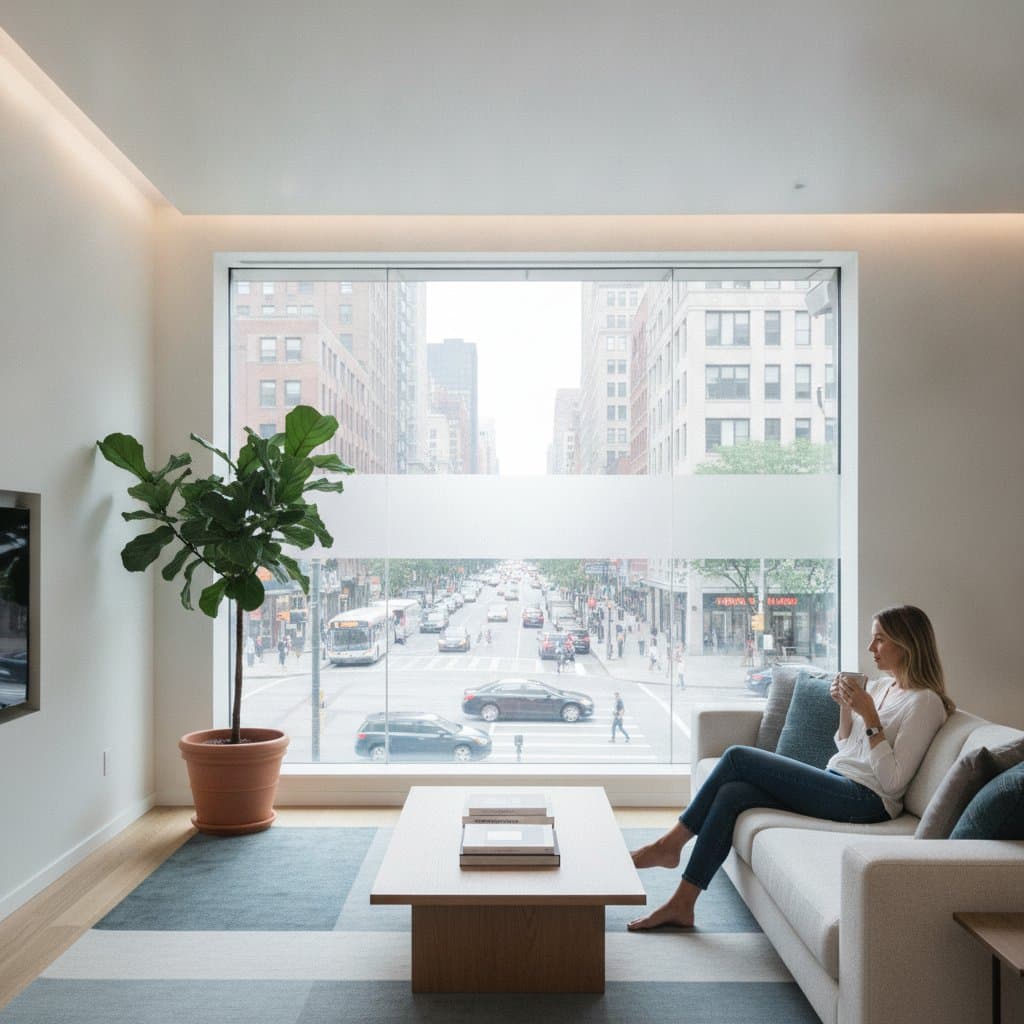
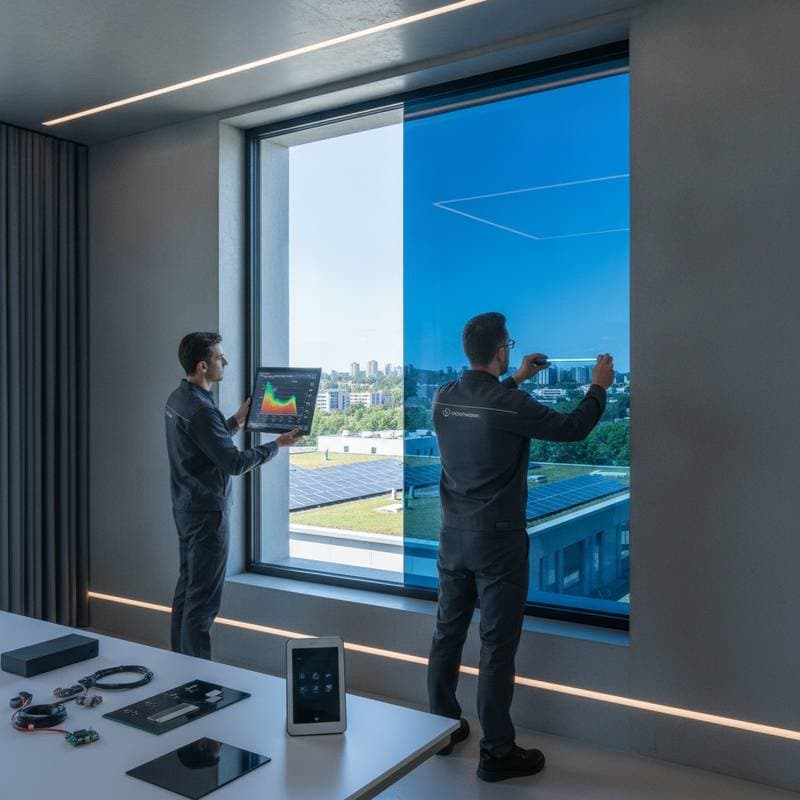
Smart tinting windows offer a practical upgrade for homeowners focused on energy efficiency and modern comfort. This technology, known as electrochromic glass, lets users control light and heat entry through a switch or automated system. Rising energy prices position these windows as an investment that lowers utility expenses while improving overall home performance.
The following sections cover how the technology works, associated costs, performance factors, and installation considerations.
Average Costs for Smart Tinting Windows
Smart tinting windows carry premium pricing that reflects advanced technology and installation requirements. Prices depend on window size, glass type, and automation features. The table below shows typical ranges.
| Window Type | Cost per Square Foot | Installed Cost Range | Key Features |
|---|---|---|---|
| Electrochromic Glass | $50 to $125 | $900 to $2,500 per window | On-demand tinting and energy savings |
| Suspended Particle Device Glass | $60 to $110 | $1,000 to $2,200 per window | Fast response for large panes |
| Liquid Crystal Glass | $40 to $85 | $800 to $1,800 per window | Privacy control with moderate efficiency |
| Thermochromic Glass | $35 to $70 | $700 to $1,400 per window | Automatic reaction to sunlight |
These figures include materials and professional installation. Custom shapes or smart home integration can raise total expenses.
Home energy specialist Mark Holloway notes that homeowners recover the investment through reduced heating and cooling costs over time.
Factors That Influence Cost and Performance
Several elements determine both price and long-term results. Window size and shape affect material needs and wiring complexity. Larger or custom designs increase labor requirements.
Glass type also matters. Electrochromic options balance energy savings and cost, while suspended particle device glass responds faster at a higher price. Thermochromic glass operates without wiring but provides less user control.
Installation complexity rises when existing frames need modification or electrical upgrades. Older homes often require additional labor. Integration with systems such as Google Home or Alexa adds convenience and expense. Climate plays a role as well. Hot and sunny regions deliver the largest energy reductions.
Maintenance and Longevity
Smart tinting windows need little upkeep after installation. The electrochromic layers remain sealed inside the glass, so cleaning follows the same process used for standard windows. Nonabrasive cleaners and soft cloths prevent surface damage.
Manufacturers typically provide ten to twenty year warranties on performance. With proper care the units last as long as conventional double pane glass. Delayed tinting or uneven response usually stems from electrical or sensor issues and warrants a call to the installer.
Comparison with Alternative Window Options
The table below compares smart tinting glass with other energy efficient choices.
| Window Type | Average Cost per Window | Energy Savings | Maintenance | Key Advantage |
|---|---|---|---|---|
| Smart Tinting Glass | $900 to $2,500 | Up to 30 percent HVAC reduction | Low | Adjustable tint and privacy |
| Low E Glass | $500 to $1,200 | Up to 20 percent | Low | Affordable performance |
| Triple Pane Glass | $800 to $1,800 | Up to 25 percent | Low | Superior insulation |
| Window Film Retrofit | $150 to $400 | Up to 10 percent | Moderate | Budget friendly option |
Smart tinting glass requires a larger initial outlay yet supplies greater control and comfort benefits, especially within automated home systems.
Expert Perspectives
Senior glazing contractor Janet Lopez states that electrochromic windows allow dynamic control of solar heat and glare. Homeowners gain natural light without increased cooling loads. Energy auditors recommend the technology for large southern or western exposures that contribute heavily to cooling demand.
Challenges and Solutions
Upfront cost remains the primary barrier. Targeting key areas such as living rooms or skylights helps manage expenses. Power requirements call for electrical access or low voltage wiring. Homes with older systems may need upgrades.
Response time for electrochromic glass spans several minutes. Manual shades in selected rooms can address needs for instant privacy. Compatibility checks with existing automation platforms prevent integration issues.
Environmental and Energy Impact
Smart tinting windows can cut annual energy consumption by up to 20 percent in warm climates. They reduce reliance on air conditioning and artificial lighting by adapting to real time sunlight. The Department of Energy notes that windows account for roughly one third of residential heat loss and gain. Local utility rebates may offset part of the installation cost.
Professional Installation Considerations
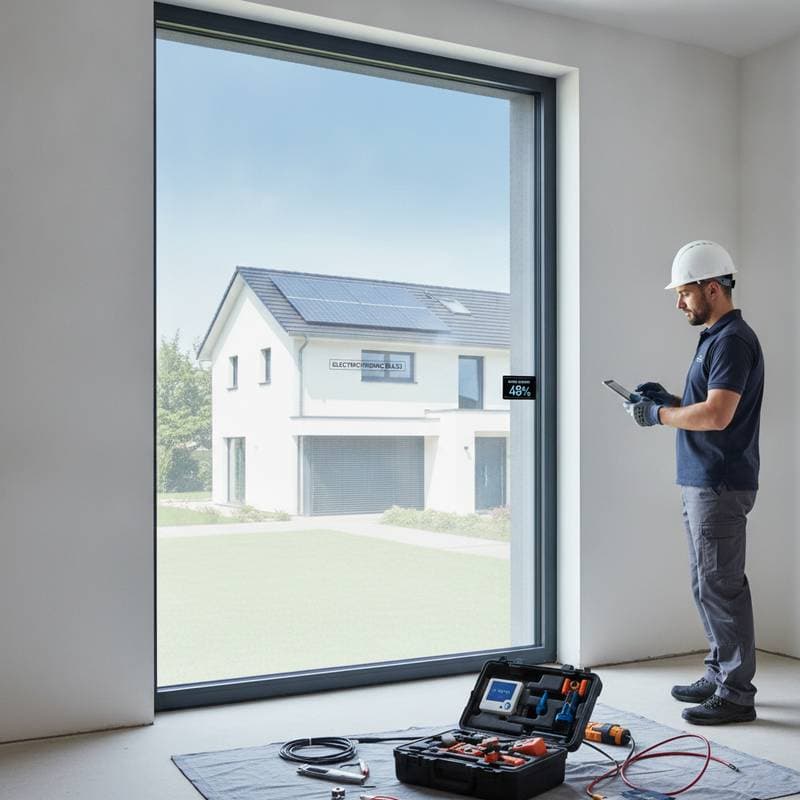
Smart tinting glass requires professional installation because of electrical connections and calibration needs. DIY attempts risk voiding warranties and improper performance. Certified contractors experienced with smart home integration provide the most reliable results. References and past project reviews help confirm contractor qualifications.
Next Steps for Homeowners
Evaluate high sun exposure areas first when planning an upgrade. Obtain multiple quotes that detail electrical requirements and system compatibility. Confirm warranty terms and available utility incentives before final selection.