Acoustic Doors Reduce Home Office Noise by Up to 85 Percent
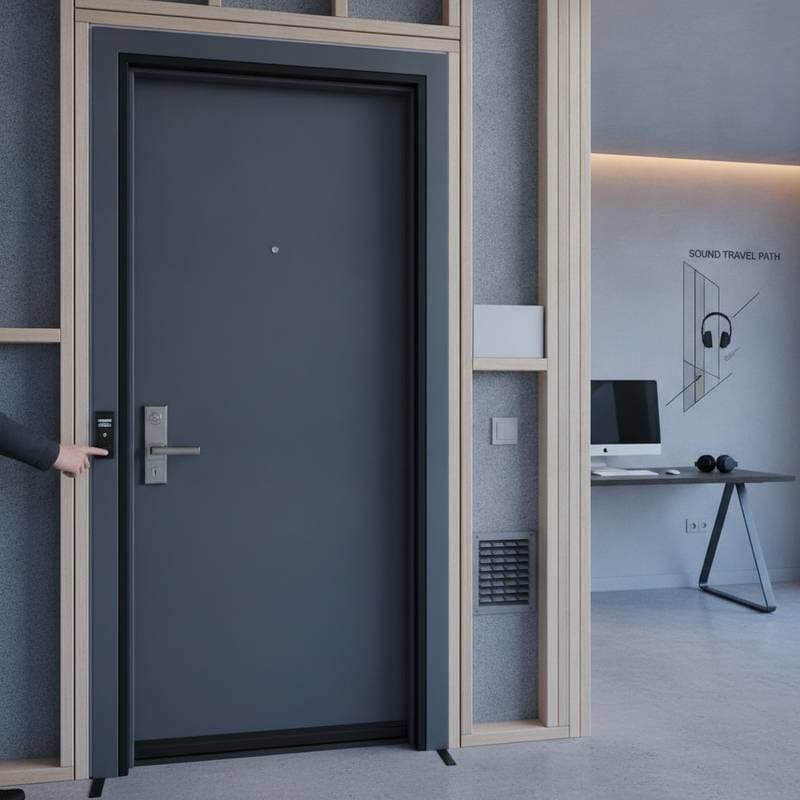
Creating a quiet home office presents ongoing challenges when household sounds disrupt concentration. Daily interruptions from barking dogs, running appliances, or children playing nearby affect focus and productivity. Acoustic doors address these issues directly by limiting sound transmission up to 85 percent.
This guide covers the mechanics of acoustic doors, associated costs, material comparisons, and selection criteria. Readers will find practical steps for installation decisions along with maintenance practices that preserve performance over time.
Average Cost to Install Acoustic Doors
Installation expenses vary based on material selection, door dimensions, hardware requirements, and site conditions. Homeowners typically invest between 700 and 2500 dollars per door when professional labor is included. Entry level models begin near 500 dollars while premium custom units for demanding environments may surpass 3000 dollars.
| Door Type | Cost Range (Installed) | STC Rating | Common Use |
|---|---|---|---|
| Solid Wood Core | 700 to 1200 | 30 to 35 | Light sound control for home offices |
| Engineered Composite | 1200 to 1800 | 35 to 45 | Moderate soundproofing for shared walls |
| Acoustic Laminate | 1800 to 2500 | 45 to 55 | Professional grade noise isolation |
| Custom Acoustic Door Sets | 2500 to 3500+ | 50+ | Recording studios and high end offices |
These figures encompass materials, prehung frames, acoustic seals, and labor. Labor costs alone range from 200 to 600 dollars depending on access and complexity.
Comparing Acoustic Materials and Core Types
Core construction determines both sound reduction capability and long term durability. The following comparison highlights performance differences across common options.
| Core Material | Sound Reduction | Weight | Maintenance Needs | Best For |
|---|---|---|---|---|
| Solid Wood | Moderate | Heavy | Occasional refinishing | Traditional interiors |
| MDF | Good | Medium | Low | Modern budget friendly upgrades |
| Composite Core | Excellent | Heavy | Low | Professional grade home offices |
| Metal Core Acoustic | Superior | Very Heavy | Minimal | Studios and high traffic work areas |
Composite and metal core models deliver the highest STC ratings yet require reinforced framing. MDF and solid wood selections offer balanced performance suitable for most residential offices.
DIY versus Professional Installation
Individuals with solid carpentry experience may install prehung acoustic doors when frames are square and standard sized. Professional installers provide expertise in perimeter sealing and alignment that protects rated performance.
DIY advantages include labor savings between 200 and 600 dollars and scheduling control. Potential drawbacks involve compromised seals from misalignment, physical handling challenges with heavier units, and possible warranty complications.
When reliable noise control is essential for a converted bedroom or den, professional installation protects the investment.
Maintenance and Longevity
Acoustic doors require routine attention to sustain both appearance and function. A simple inspection schedule prevents gradual performance loss.
- Clean seals and gaskets every few months to avoid dust accumulation.
- Inspect for light gaps around edges that signal seal degradation.
- Tighten hinge screws at regular intervals to maintain alignment.
- Refinish wood surfaces as needed to guard against humidity and surface wear.
Quality acoustic doors typically provide 20 to 30 years of service with consistent care.
Selecting the Right Door for Your Home Office
Begin the selection process by identifying primary noise sources. Voices and moderate household sounds respond well to STC ratings of 35 to 40. Stronger sources such as music or equipment benefit from ratings of 45 or higher.
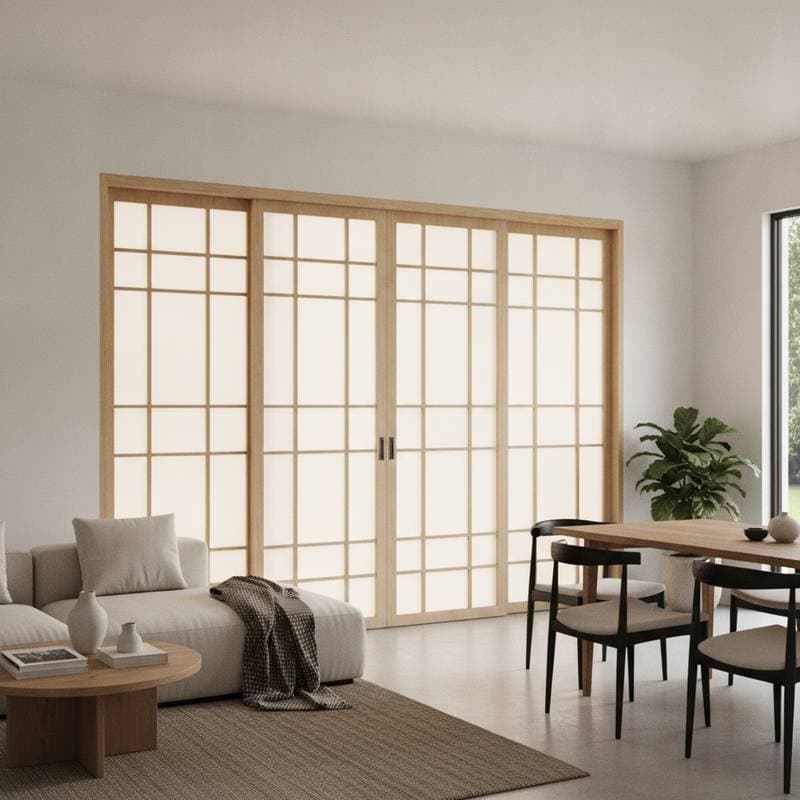
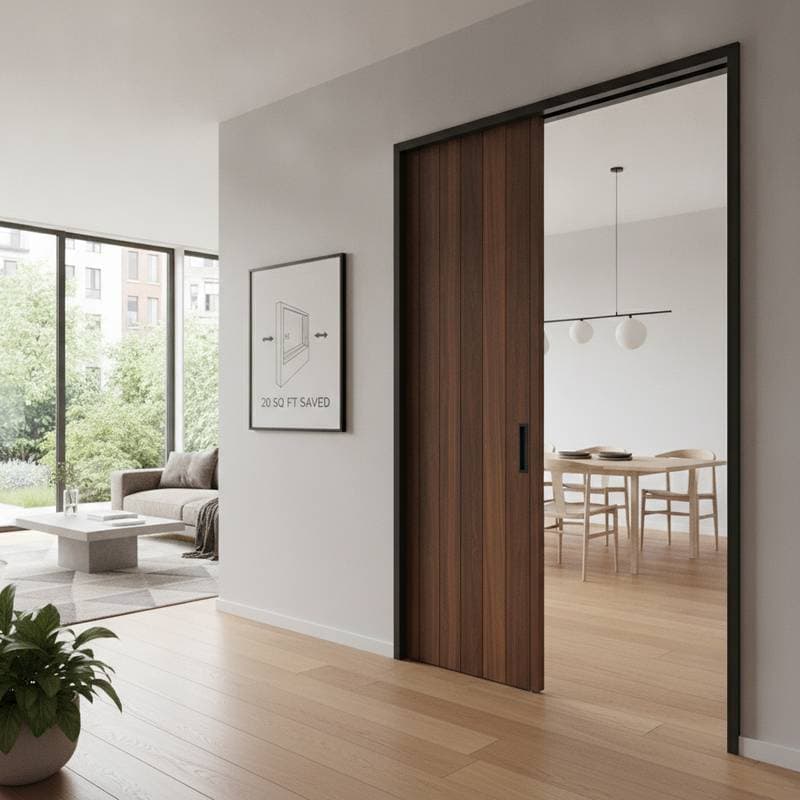
Match finishes to existing décor. Manufacturers supply acoustic doors in wood veneer, painted MDF, and laminate options that integrate with varied interior styles.
Integrating Acoustic Doors into Daily Work
Proper door selection and installation create measurable improvements in concentration and output. Consistent maintenance extends these benefits across years of use. Homeowners who evaluate noise levels, budget, and aesthetics together achieve workspaces that support sustained productivity.