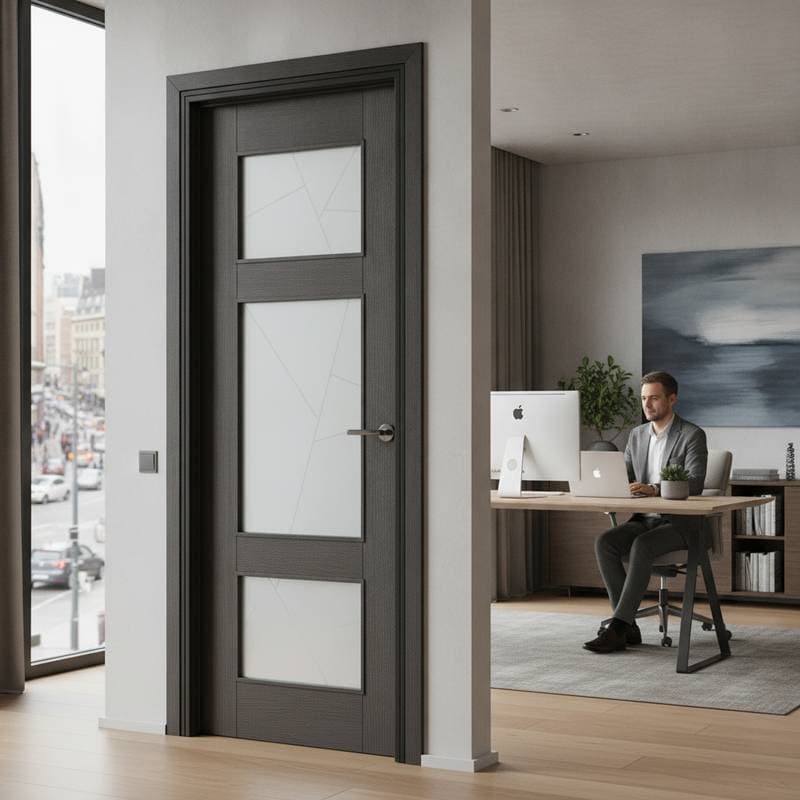
Acoustic Doors Reduce Noise by 85 Percent for Productive Home Offices
As more homes evolve into shared spaces for work, study, and family life, controlling noise has become a design priority. Acoustic doors offer an effective solution for homeowners who need calm, private work environments without sacrificing style. With the right materials and installation, these doors can reduce noise transfer by up to 85 percent, creating a productive and comfortable home office zone.
Why Acoustic Doors Work for Home Offices
Acoustic doors combine dense cores, tight seals, and precise construction to block airborne sound. Their design goes beyond standard interior doors by using sound-absorbing materials such as solid wood, engineered composites, or laminated layers. When paired with proper seals and frames, they significantly reduce echo and transmission between rooms. The result is a space that promotes focus, confidentiality, and better overall acoustics for virtual meetings or creative work.
Choosing the Right Design
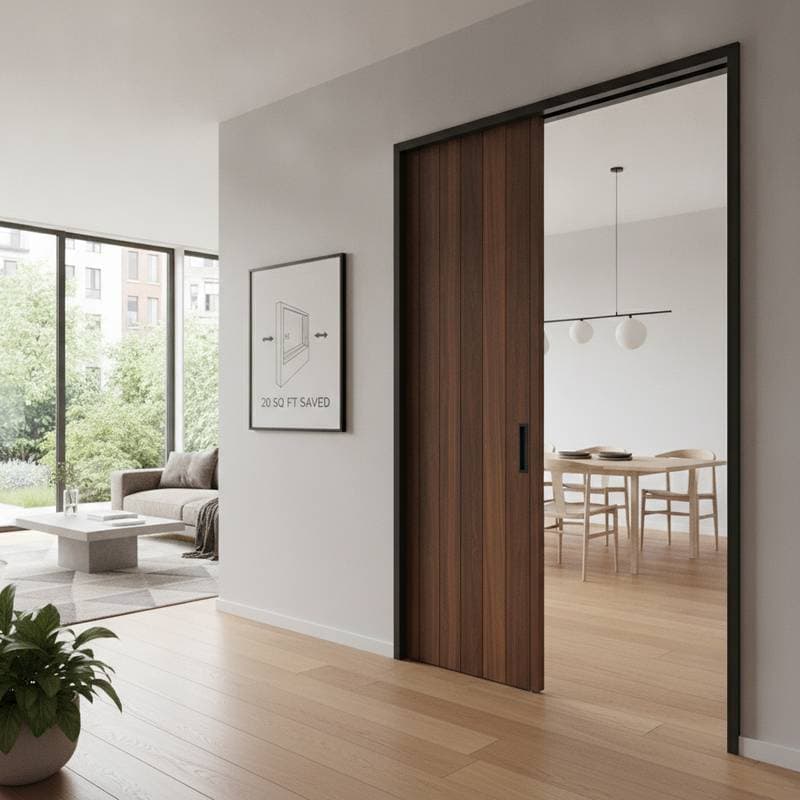
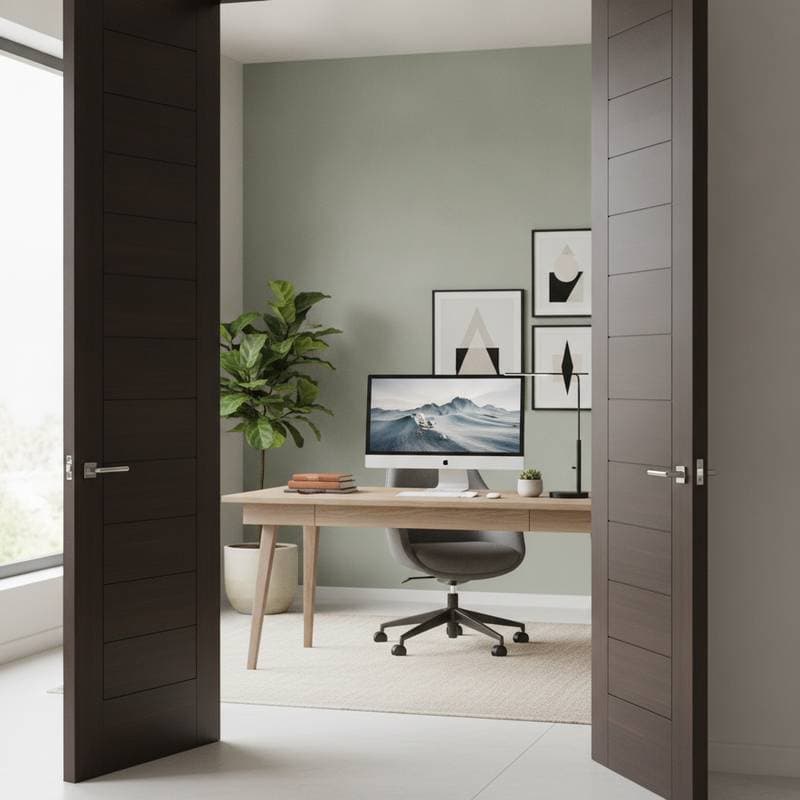
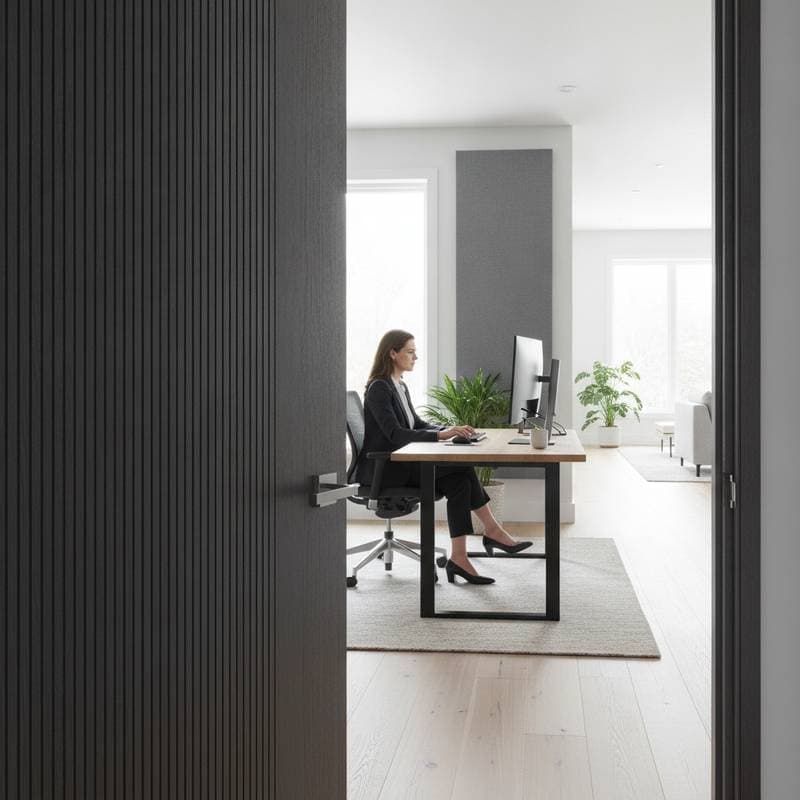
Homeowners no longer have to choose between performance and aesthetics. Modern acoustic doors come in a range of finishes and panel details that complement both traditional and contemporary interiors. Options include minimalist flush panels, warm stained woods, or painted finishes in soft neutrals and dark tones that coordinate with interior trim. Frosted glass inserts can add light while maintaining privacy and sound control.
Budget-Friendly Options
Save Approach ($400 - $800)
- Hollow-core upgrades with soundproofing seals or door sweeps
- DIY installation using acoustic frames and perimeter gaskets
- Focus investment on weatherstripping and automatic drop seals for noticeable improvement
Mid-Range Approach ($900 - $1,800)
- Solid composite or solid wood core doors with acoustic ratings
- Professionally installed frames with integrated seals
- Satin or matte finishes that enhance durability and resist fingerprints
Invest Approach ($2,000 - $4,000)
- Premium multi-layer acoustic doors with certified sound ratings
- Custom veneer or painted finishes for seamless design integration
- Concealed hinges and magnetic seals for near-total sound isolation
Material and Finish Guide
- Door Core: Engineered wood or acoustic composite panels provide consistent sound performance with minimal warping.
- Frames and Seals: Use solid jambs and magnetic seals to prevent gaps that leak sound.
- Hardware: Select heavy-duty hinges and latch sets in brushed nickel or matte black to match office hardware.
- Glass Inserts: Choose laminated or double-glazed glass for light transmission without losing acoustic integrity.
Maintenance Reality Check
Acoustic doors require minimal upkeep beyond routine cleaning and periodic seal inspection. Keep door gaskets clean to maintain proper compression. Painted finishes can be refreshed as needed, while wood veneers benefit from gentle dusting and occasional polish. High-traffic office doors should have their hinges tightened periodically to prevent rattling or air leaks that reduce sound performance.
Avoid These Mistakes
- Ignoring Frame Sealing: Even the best acoustic door fails if the frame or threshold is poorly sealed. Always include perimeter seals in the installation plan.
- Choosing Style Over Substance: Lightweight decorative doors may look appealing but offer little sound control. Prioritize solid cores for function and longevity.
- Overlooking Airflow: Complete sealing can trap heat or stale air. Combine soundproofing with discreet ventilation or transom vents for comfort.
Selecting Acoustic Doors for Your Workspace
A quiet home office supports productivity, privacy, and peace of mind. The most successful acoustic door installations balance aesthetics, performance, and practicality. Thoughtful material selection and proper installation deliver lasting results that look as good as they sound.