Acoustic Doors Cut Noise 85% for Productive WFH Spaces
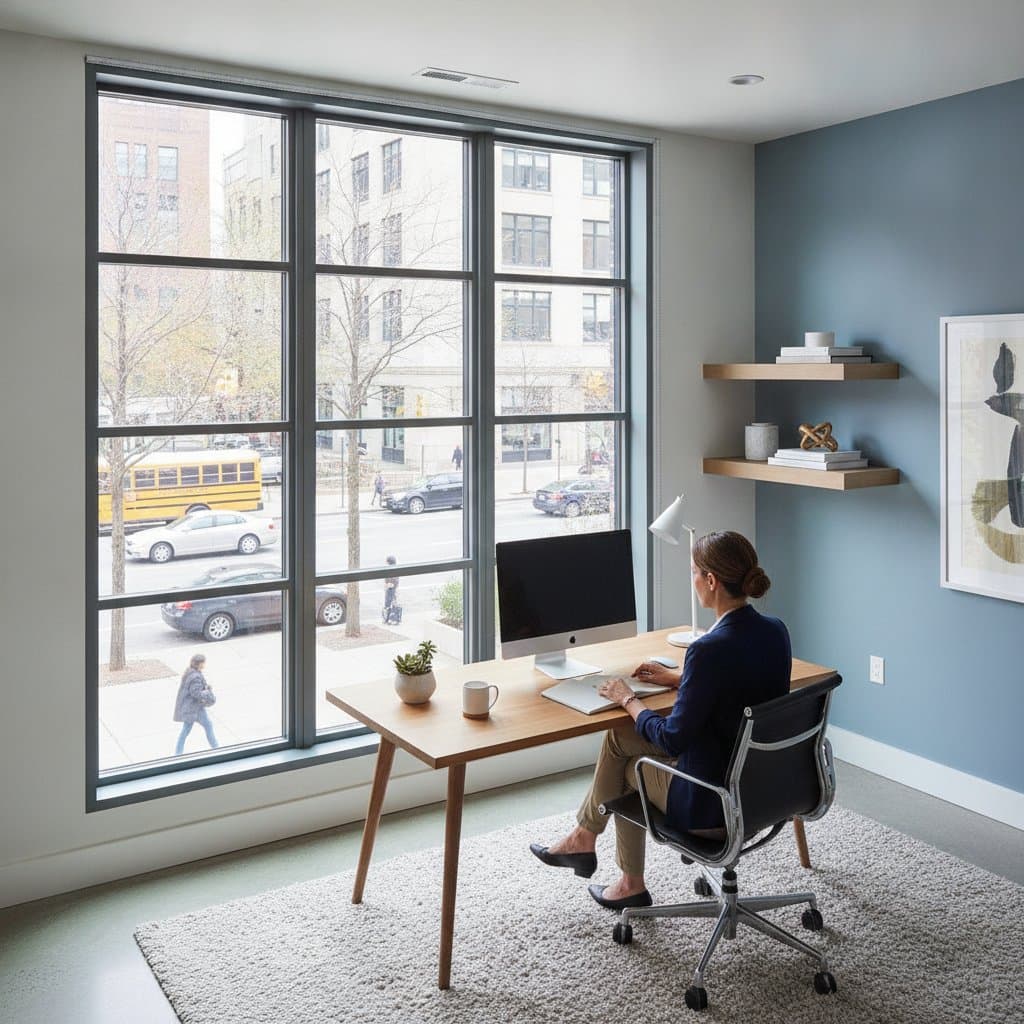
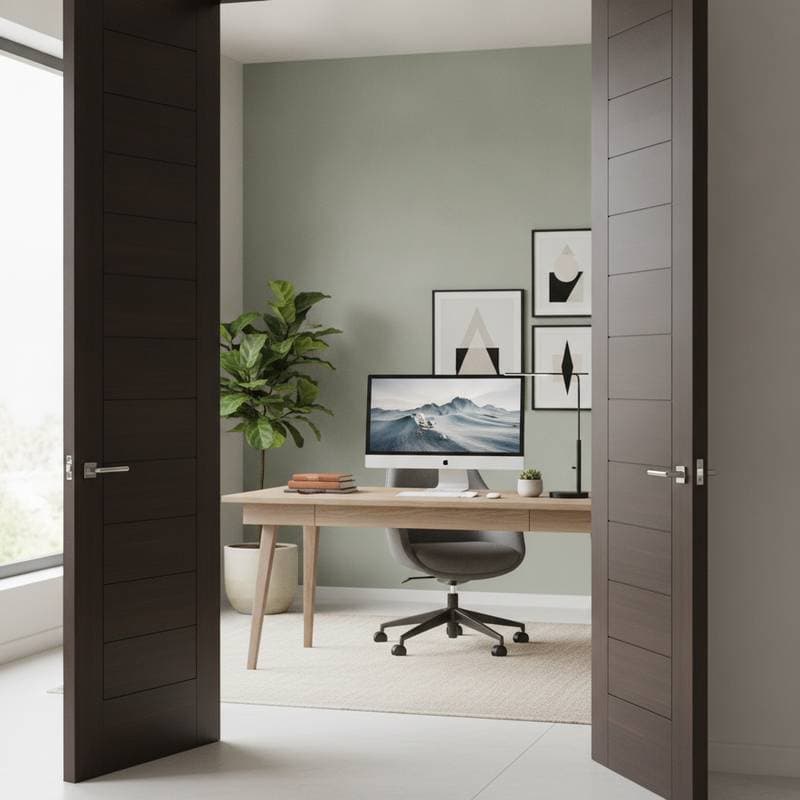
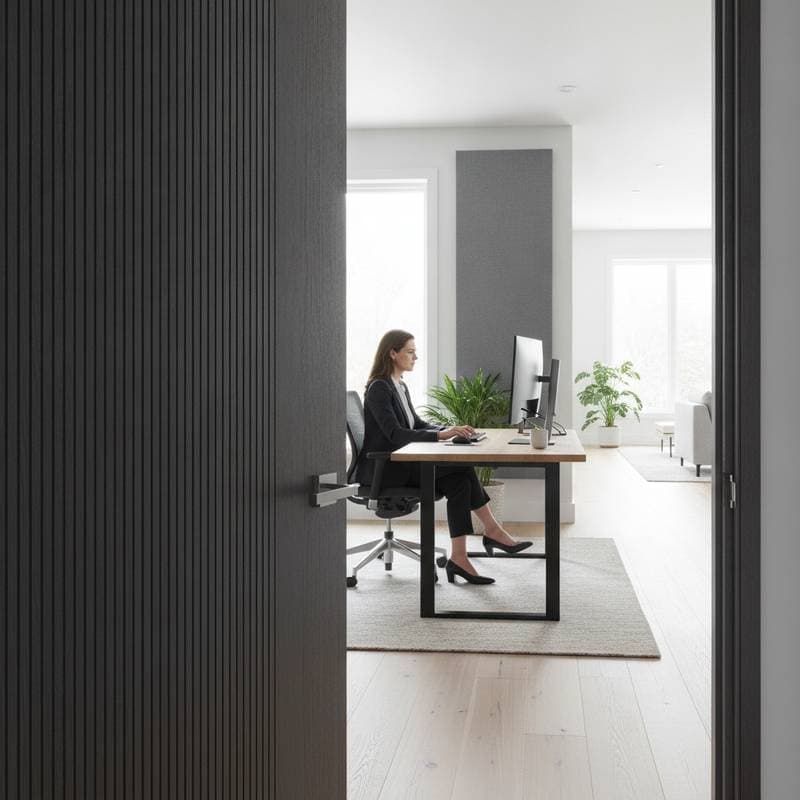
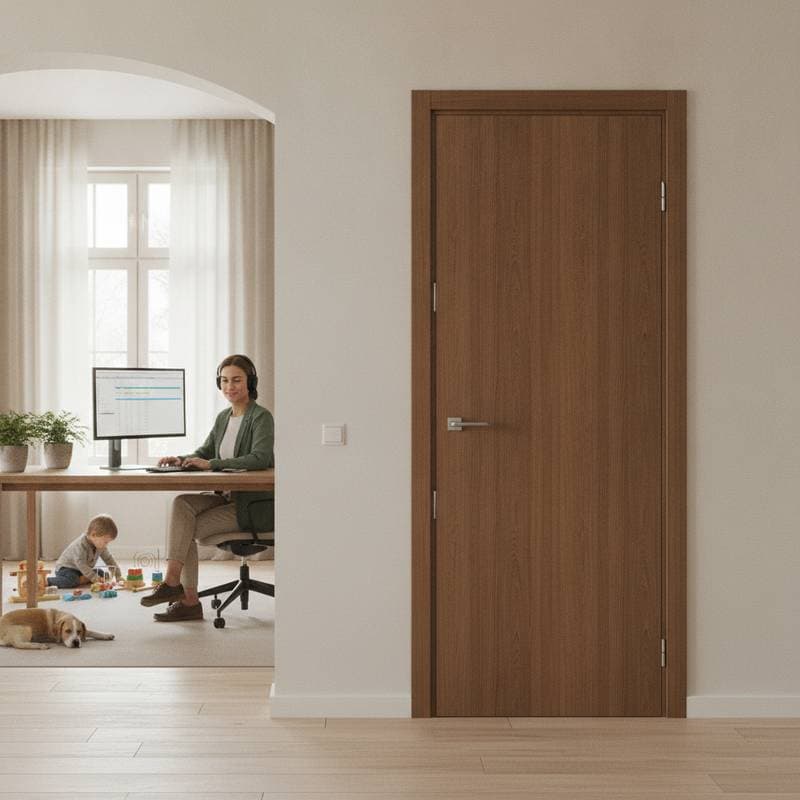
The shift toward working from home has created new design priorities for many homeowners. Comfort, concentration, and privacy now shape how spaces are planned and finished. Acoustic doors stand out as one of the most effective upgrades for a productive home office. These specialized doors reduce ambient noise by up to 85 percent and turn busy households into quiet, focused environments. Modern acoustic doors also come in attractive designs that blend with both traditional and contemporary interiors.
This approach meets a growing demand for harmony between aesthetics and function. Homeowners seek workspaces that look beautiful while performing at a professional level. An acoustic door delivers both outcomes through sleek style, enhanced comfort, and measurable gains in daily productivity.
Budget, Mid-Range, and Premium Installation Paths
Budget path ($400 to $900)
- Select solid-core composite doors that carry a sound transmission class rating of 28 to 32.
- Add acoustic seals and sweeps around the frame to close sound gaps.
- Paint the door to match existing trim for visual continuity.
- Invest in quality hinges and handles for added polish.
Mid-range path ($1,000 to $2,500)
- Choose engineered wood doors with integrated soundproof cores and upgraded perimeter seals.
- Specify flush or panel designs finished in matte paint or light wood veneer.
- Include double-glazed glass inserts with frosted or laminated glass when natural light is required.
- Upgrade hardware to brushed nickel or black finishes.
Premium path ($3,000 to $6,000)
- Commission custom doors with sound transmission class ratings of 40 to 50.
- Specify solid hardwood or premium laminate veneers together with concealed hinges and magnetic seals.
- Integrate the door into a full sound-control system that includes acoustic wall panels and upgraded thresholds.
- Add matching acoustic sidelights or transoms for design consistency.
Supporting Materials and Finishes
Double or triple-pane windows with laminated glass reduce external noise on exterior walls. Black or bronze frames pair well with both modern and traditional rooms. Cellular shades or lined curtains provide further reinforcement. Solid-core acoustic doors remain the central element. Natural oak, white satin, and dark walnut finishes are popular choices. Flush slabs suit minimalist rooms, while raised panels fit classic styles. Insulated siding panels cut sound transmission on shared exterior walls. Foam-backed casing and acoustic caulk seal small air leaks around the frame.
Routine Care and Common Pitfalls
Check seals every few months to confirm full contact with the frame. Clean finishes with a mild detergent. Apply gentle polish to wood veneers once a year. Lubricate hinges and handles annually. Dust magnetic closures periodically to preserve seal performance.
Install sound-rated doors only in solid jamb systems fitted with acoustic seals. Close every gap at thresholds and latches with sweeps and perimeter seals. Match door finishes to adjacent trim and flooring. Hire skilled installers to achieve precise alignment and full noise reduction.
Warm Minimalist Design for Quiet Home Offices
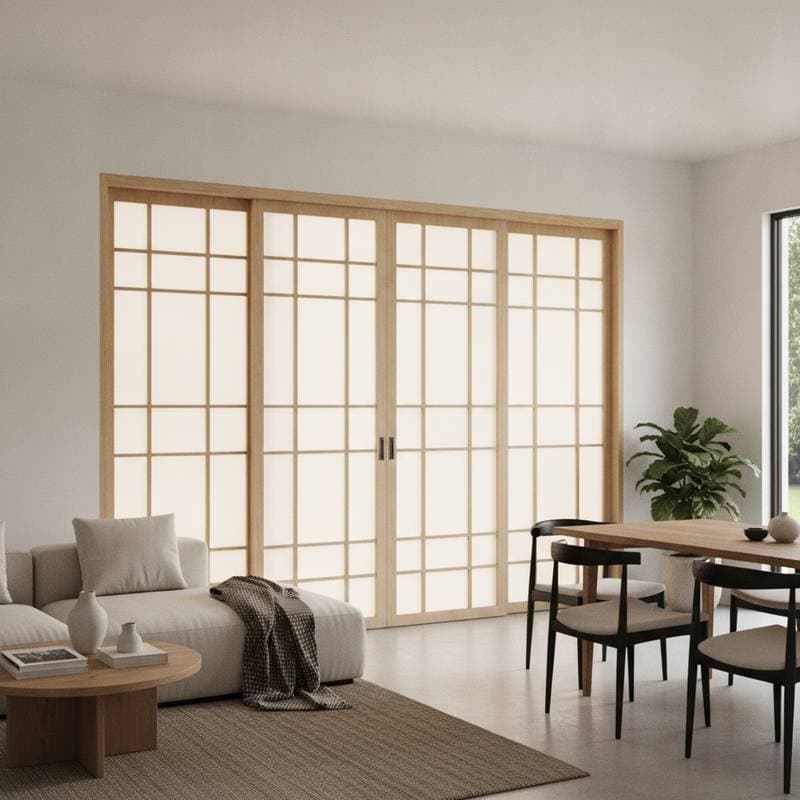
Many homeowners now favor warm minimalist interiors that combine simplicity with texture. Neutral colors, clean lines, and functional beauty define this style. Acoustic doors fit naturally into the approach. Their smooth surfaces and subtle detailing complement matte walls, streamlined furniture, and soft lighting.
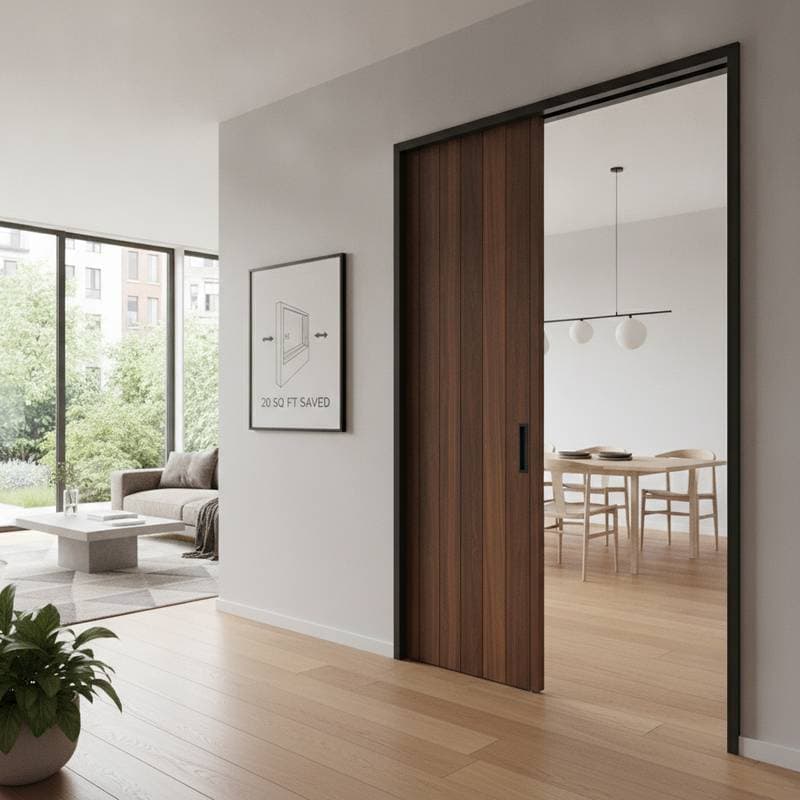
The same doors also help multifunctional homes maintain boundaries between living, working, and relaxing areas without adding visual clutter.
Budget, Mid-Range, and Premium Paths for Minimalist Rooms
Budget path ($300 to $800)
- Install a pre-finished composite door in warm white or light gray.
- Add simple black hardware for contrast.
- Use flat paint finishes on walls and trim.
Mid-range path ($1,000 to $2,000)
- Upgrade to veneered wood acoustic doors in pale oak or maple.
- Include soft-close hinges and flush pull handles.
- Pair the door with neutral acoustic panels on one wall.
Premium path ($2,500 to $5,000)
- Order a custom door with concealed frame and pivot hinge.
- Select a hand-rubbed natural wood finish that matches the flooring.
- Integrate LED perimeter lighting for subtle illumination.
Finishes and Ongoing Care
Narrow-frame aluminum windows with sheer drapery soften sound reflections. Flush acoustic slabs finished in ash veneer, taupe-gray paint, or matte black lacquer maintain clean lines. Smooth fiber cement panels or vertical wood cladding in neutral stains extend the theme to exterior walls. Thin reveal trim or shadow gaps conceal potential sound leaks while preserving minimal detailing.
Dust veneered doors regularly and polish them occasionally. Refresh painted surfaces with a single coat when scuffs appear. Vacuum acoustic panels gently to remove dust. Avoid harsh cleaners on matte finishes.
Design Errors to Prevent
Keep hardware simple and avoid ornate details or strong color contrasts. Choose matte or satin finishes rather than glossy surfaces that reflect sound. Introduce a few natural materials such as wood or linen to prevent a sterile appearance.
Recommended Color and Finish Options
- Soft white creates a clean, calming backdrop that maximizes natural light.
- Warm oak introduces organic texture that blends with most flooring.
- Slate gray offers a modern, grounding tone suited to contemporary offices.
- Deep charcoal forms a sophisticated, quiet setting for focused work.
- Muted sand connects well with coastal or desert-inspired schemes.
Preparation Steps Before Purchase
Photograph current exterior and interior conditions from multiple angles. Record architectural style and trim details to guide proportion choices. Note neighborhood character and any homeowners association rules that affect color or material selection. Assess local climate conditions that influence material performance. Set clear budget limits and identify priority zones such as doors between the office and living areas.
Final Selection Guidance
An acoustic door combines style, performance, and comfort in a single element. It lowers household noise, improves privacy, and supports overall design goals. Whether the choice is a straightforward composite model or a fully custom unit, the right door enhances both daily routines and long-term satisfaction. Balance visual appeal with practical performance, coordinate finishes throughout the home, and follow the care steps outlined above to protect the investment.