Why Acoustic Doors Are a 2026 Home Office Essential
Creating a quiet, productive home office requires more than just a desk and a comfortable chair. The door plays a surprisingly large part in focus and comfort. Acoustic doors reduce sound transfer between rooms. They have become essential for homeowners who need privacy and peace while working from home. Their value extends to concentration, energy use, and property value.
How Acoustic Doors Achieve Sound Reduction
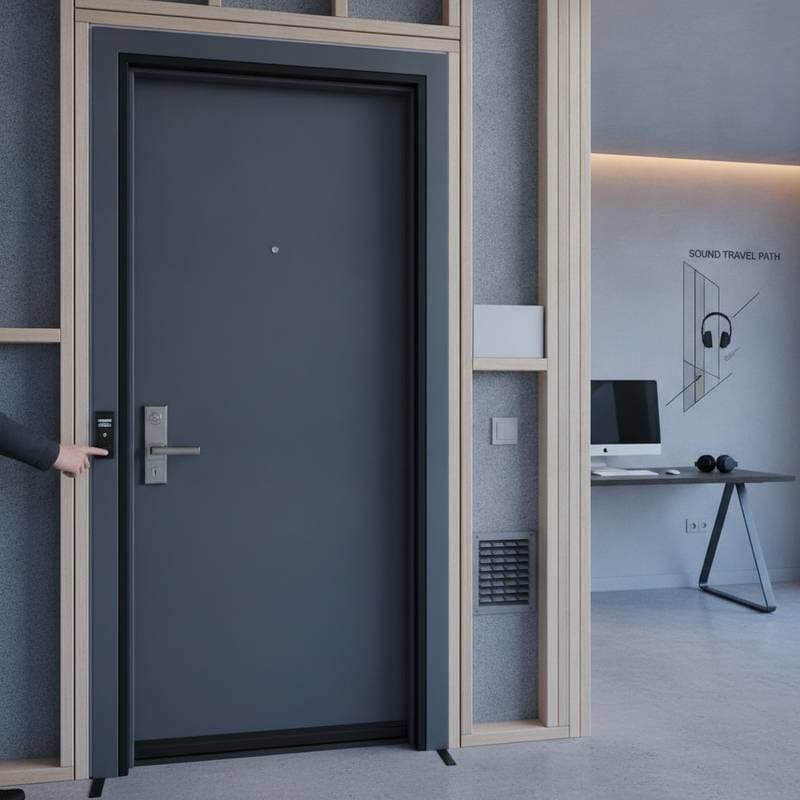
An acoustic door minimizes sound transmission through dense materials, seals, and construction techniques. Unlike standard hollow core doors, these models use solid wood, engineered cores, or layered composites. Specialized seals around the frame and threshold close gaps where sound could pass.
Sound reduction is measured by Sound Transmission Class rating. A higher rating means better noise control. Typical interior doors rate around 20 to 25. Acoustic doors range from 35 to 50 or higher. The difference becomes clear in environments where privacy and focus matter.
Noise Control Benefits for Home Offices
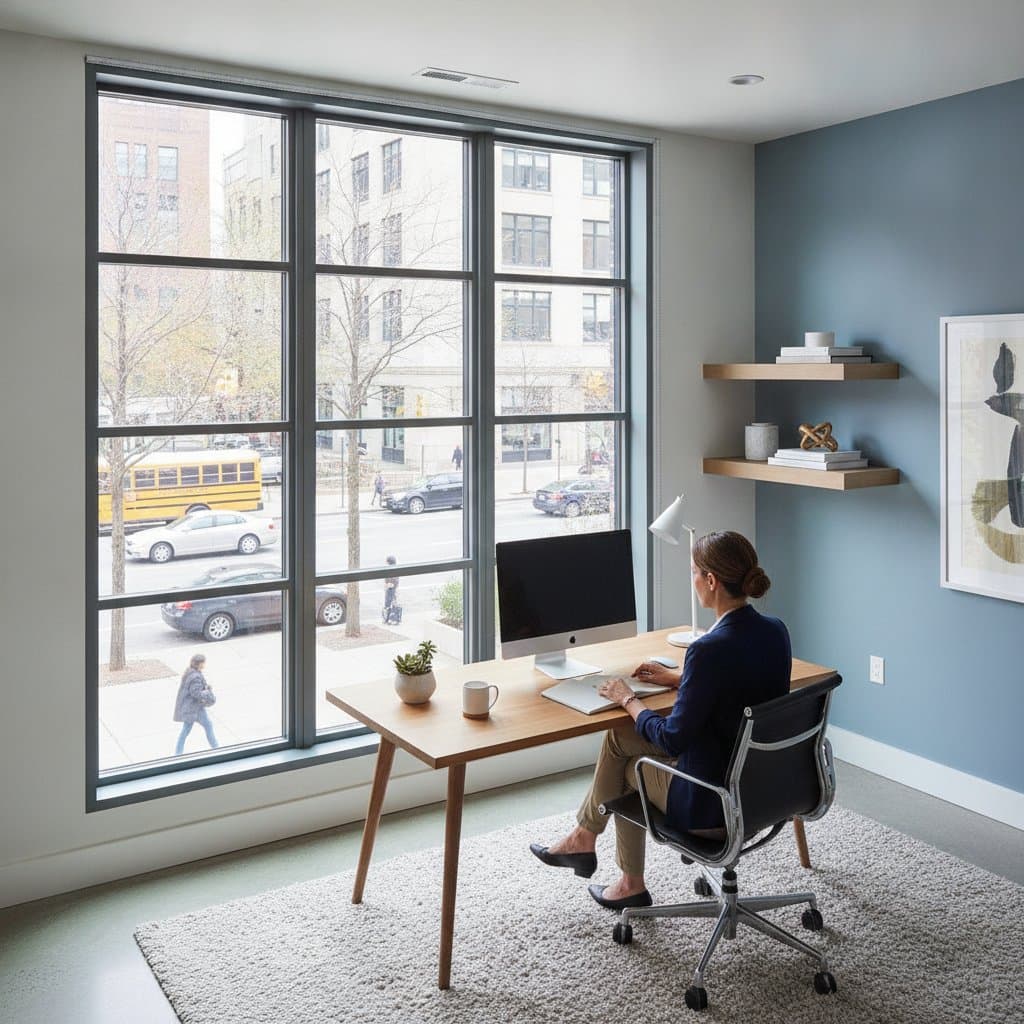
Household noise from family activities, pets, or traffic can interrupt concentration. Acoustic doors create a physical and psychological boundary between work and home life. This separation supports better work life balance. Closing the door signals a shift into focused work time.
Door Type Comparison for Sound Performance| Door Type | Initial Cost | Lifespan | Maintenance | Best For |
|-----------|--------------|----------|-------------|----------|
| Hollow Core | Low | Moderate | Minimal | Basic rooms with little noise concern |
| Solid Core | Moderate | Long | Low | Offices and bedrooms needing partial control |
| Acoustic | High | Long | Low | Professional offices, studios, or shared spaces |Hollow core doors cost less initially but rarely reduce sound adequately. Solid core doors improve density yet may allow leaks at edges. Acoustic doors combine mass, seal integrity, and engineering for consistent quiet.
Key Build Factors That Affect Performance
Core composition uses solid wood or composites for greater density. Perimeter seals with acoustic gaskets and drop seals prevent leakage. Proper frame fit and alignment ensure the door performs at its rated level. Surface finishes influence appearance and durability without directly affecting soundproofing.
Design Integration with Home Style
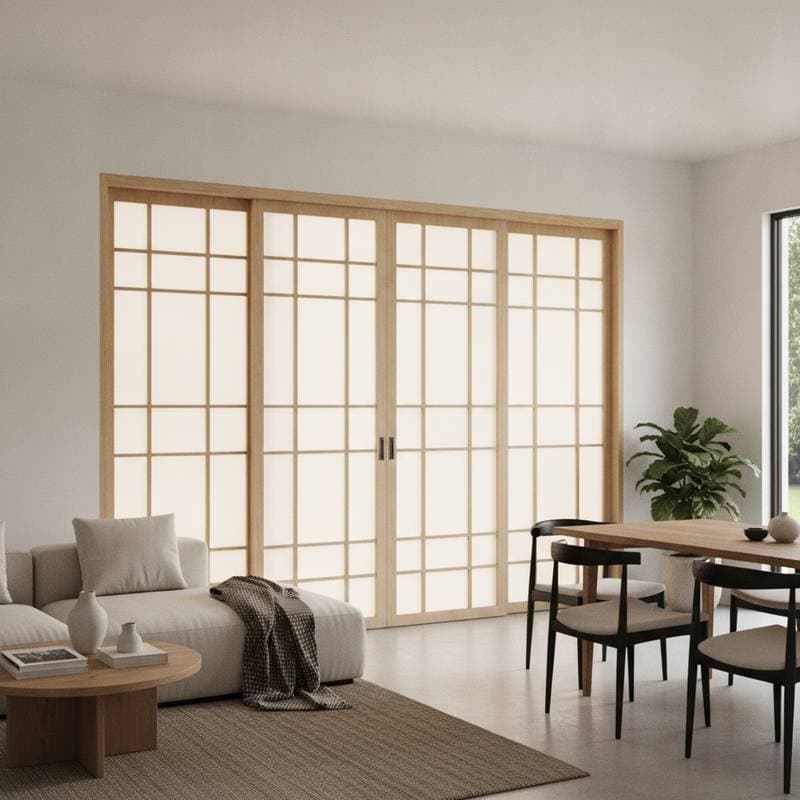
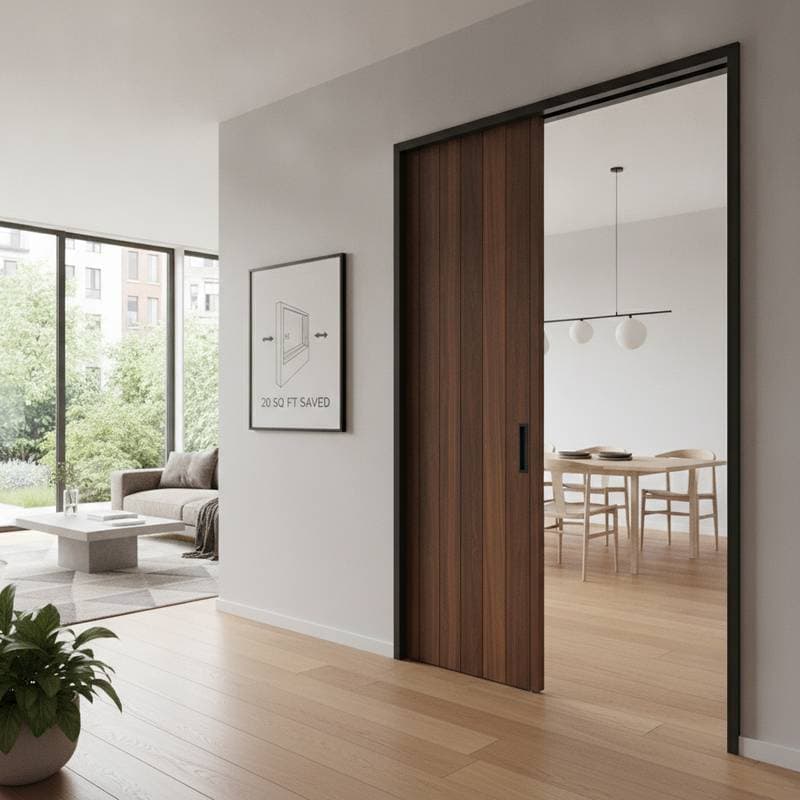
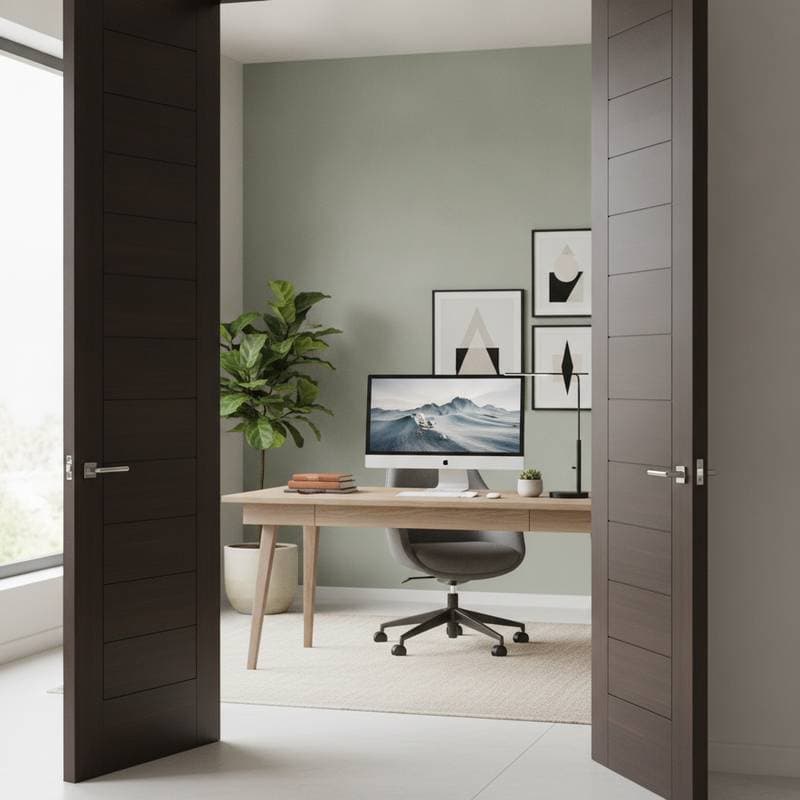
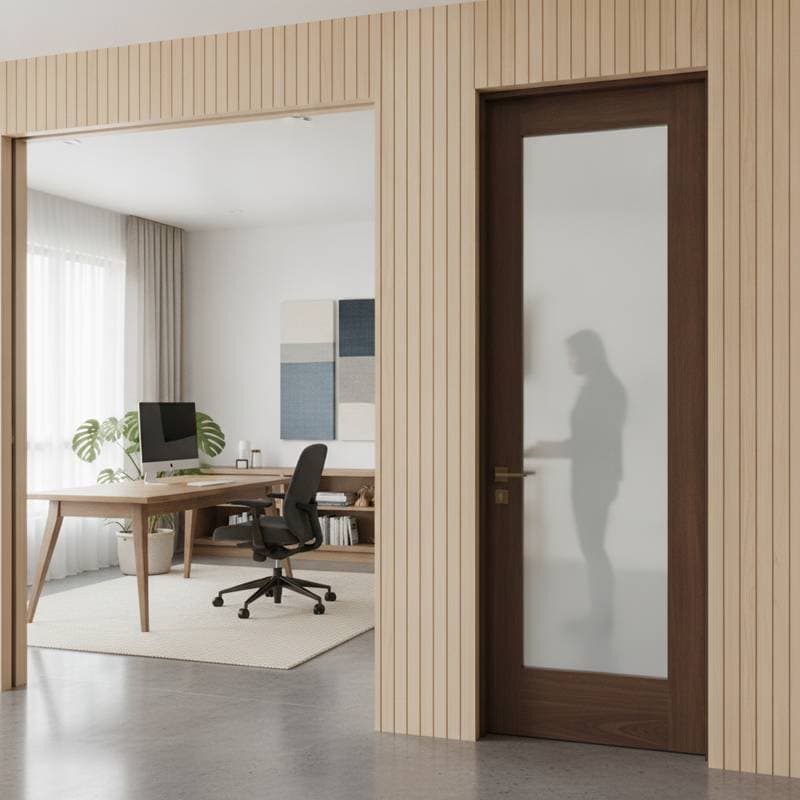
Modern acoustic doors allow customization in finishes, panel designs, and hardware. Wood veneers bring warmth while painted finishes create a clean look. Frosted glass inserts can maintain visual openness with acoustic glazing. The door functions as both a barrier and a design element.
Steps in Professional Installation
- Assess and measure the opening for a tight fit.
- Prepare the frame to be square and insulated.
- Mount the door with hinges that support its weight.
- Apply acoustic seals and drop thresholds.
- Test performance after completion.
Professional installation is recommended because small details affect results. Homeowners who attempt installation themselves must focus on alignment and sealing.
Long Term Value and Upkeep
Acoustic doors cost more upfront yet deliver measurable returns through improved concentration and reduced stress. They add appeal for future buyers. Quality models last many years with minimal replacement needs. Annual inspection of seals and occasional gasket replacement maintain effectiveness.
Energy Efficiency and Sustainability Aspects
Dense cores and tight seals reduce air leakage and help maintain indoor temperatures. This lowers heating and cooling demands. Homeowners can select doors from sustainably sourced wood or recycled materials with low emission finishes. These choices support both comfort and environmental responsibility.
Matching Door Performance to Specific Needs
Light use in a calm household may suit a solid core door. Moderate noise in shared spaces calls for an acoustic model with basic seals. High noise exposure near busy areas or outdoors requires full assemblies with reinforced frames and drop seals. Evaluate how the office interacts with the rest of the home to select the right level of investment.
Preparing the Space Before Purchase
Review room layout for swing direction and furniture placement. Check existing frame condition and replace it if warped. Match finishes and hardware to adjacent rooms. Factor professional installation and customization into the budget and timeline.
Selecting Your Ideal Door
Choosing an acoustic door involves balancing cost, design, and performance. As remote work shapes home design, sound control remains a priority. The right door supports daily comfort and long term satisfaction.