Pocket Doors Make a Comeback by Saving 20 Sq Ft
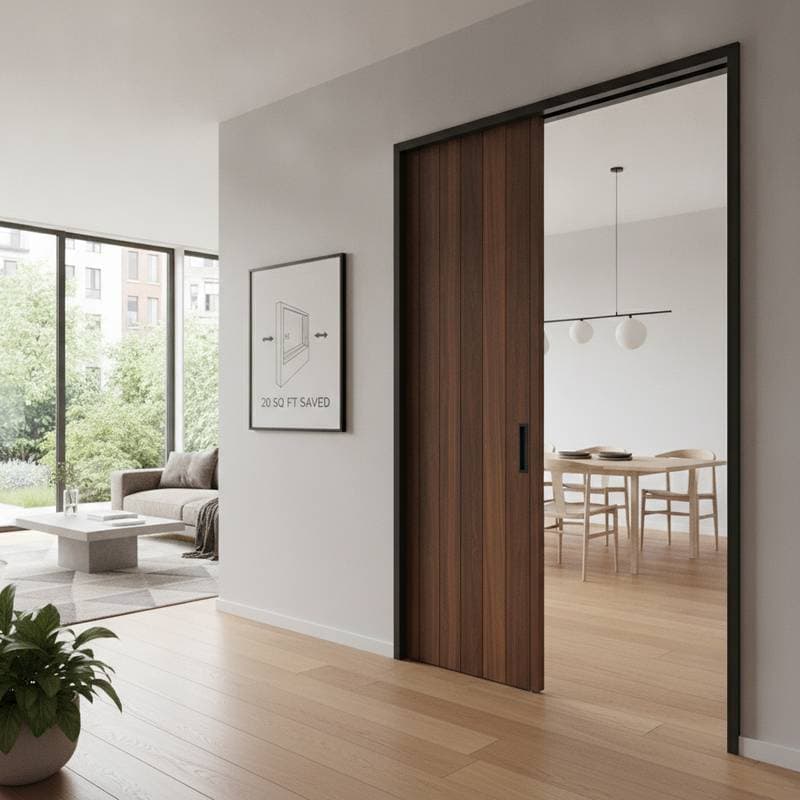
Pocket doors are redefining interior design by combining space efficiency with modern style. Homeowners who once viewed them as relics of older homes are rediscovering their value. When designed with high quality hardware and thoughtful finishes, pocket doors can save up to 20 square feet per opening while contributing to a clean, streamlined look.
A Trend with Purpose
The renewed interest in pocket doors comes from a mix of practicality and design flexibility. As open floor plans evolve, many homeowners want the ability to close off spaces without committing to a swinging door that consumes precious square footage. A pocket door slides into a wall cavity, allowing rooms to feel larger and more connected while still offering privacy when needed.
This makes them ideal for smaller homes, bathrooms, laundry rooms, and transitional spaces where every inch counts.
Three Ways to Get This Look
Save Approach ($300 to $700)
- Choose hollow core or lightweight composite doors with simple hardware.
- Focus on rooms where space savings matter most, such as half baths or closets.
- Use paint grade materials to match existing trim and reduce finishing costs.
This approach keeps costs low while immediately improving flow. The key is proper installation to ensure smooth sliding and a snug fit in the wall cavity.
Mid Range Approach ($800 to $1,800)
- Opt for solid wood or veneer doors that enhance acoustic separation.
- Upgrade to soft close sliding mechanisms for quieter use.
- Add coordinating trim or casing for a more integrated look.
This level blends performance and design value. The added weight of a solid door provides a satisfying glide and better sound control, which is especially useful between bedrooms and living spaces.
Invest Approach ($2,000 to $5,000)
- Select custom wood species such as white oak, walnut, or maple with architectural grade hardware.
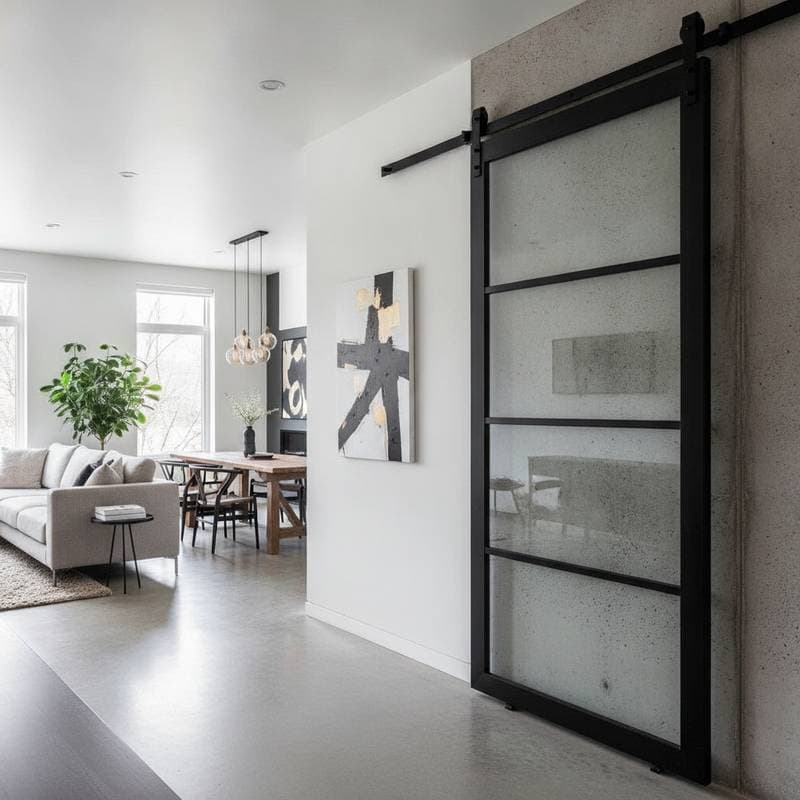
- Consider glass insert panels for areas needing both light and separation.
- Use concealed track systems and minimalist handles for a contemporary aesthetic.
The investment tier transforms pocket doors into architectural features. Hidden tracks and flush pulls create a refined effect that complements modern and transitional interiors alike.
Material and Finish Guide
- Windows: When coordinating with nearby windows, select trim and casing profiles that match the door frame. Matte black, brushed nickel, or warm brass hardware ties the look together.
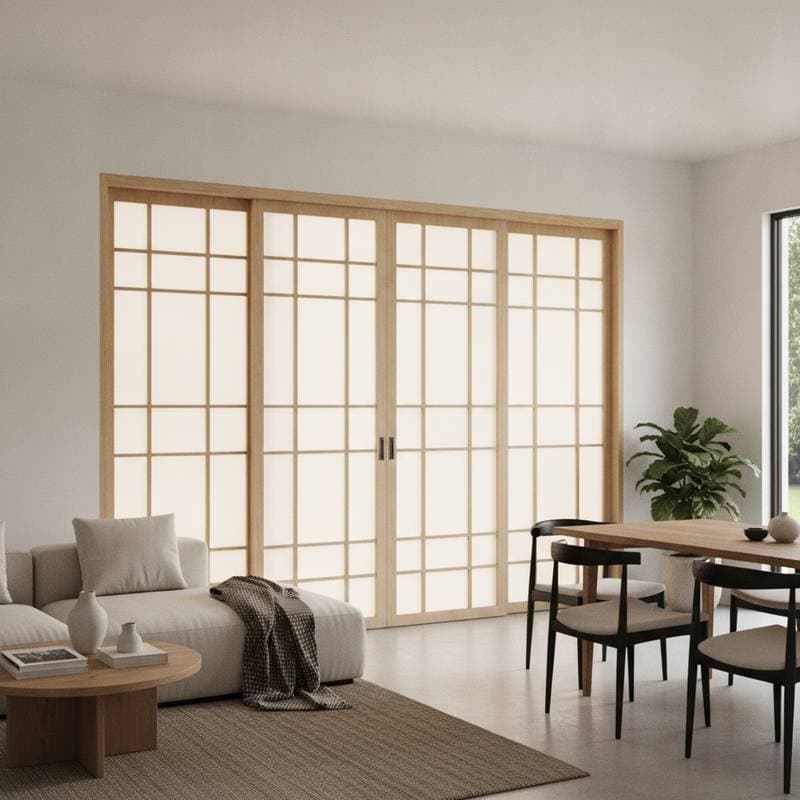
- Doors: Solid core wood or composite doors provide durability and sound insulation. For a bright, open feel, choose frosted or reeded glass inserts. Painted doors in soft neutrals like dove gray or creamy white remain timeless, while natural wood tones add warmth.
- Walls: Smooth drywall or shiplap works well around pocket door openings, but ensure the pocket cavity remains clear of obstructions.
- Trim and Accents: Use consistent baseboards and casing dimensions to maintain architectural unity. A 3 inch flat trim gives a modern edge, while a beaded profile suits traditional homes.
Maintenance Reality Check
Pocket doors require less cleaning than hinged doors since they have fewer exposed surfaces, but they demand proper maintenance of the sliding mechanism. Dust and pet hair can collect inside the track, so periodic vacuuming keeps the glide smooth. In humid climates, wood doors may expand slightly, which can cause sticking. Choosing stable, engineered materials helps minimize this issue.
Premium hardware systems with stainless steel rollers perform best in varying conditions and rarely need adjustment once installed.
Avoid These Mistakes
- Ignoring Wall Space: Installing electrical wiring or plumbing inside the pocket cavity is a common error. Always verify wall suitability before framing.
- Choosing the Wrong Door Weight: A heavy solid door on light duty rollers leads to track strain and eventual sagging. Match the hardware to the door weight for reliable longevity.
- Skipping Professional Installation: DIY installation can be tempting, but misaligned frames or uneven tracks result in long term frustration. Hiring a skilled carpenter ensures smooth operation and proper alignment.
Color and Style Coordination
Pocket doors can either blend into walls or become accent features. For a cohesive palette, consider these options.
- Soft Neutrals: Warm whites, putty beige, and greige keep interiors calm and adaptable.
- Natural Woods: White oak, ash, or walnut tones provide organic texture and depth.
- High Contrast: Charcoal or deep navy doors against light walls create a striking focal point.
- Muted Pastels: Dusty sage or slate blue adds subtle personality without overwhelming the space.
- Monochrome Finishes: Painting door and trim in the same tone creates a seamless, architectural effect.
Pair finishes with complementary hardware. Matte black works well with modern schemes, while brushed nickel or bronze suits more traditional interiors.
Planning Photography Checklist
Before purchasing or installing pocket doors, document the following items.
- Current Room Photos: Capture all angles to understand wall clearances and light flow.
- Architectural Details: Note ceiling heights, molding styles, and floor transitions.
- Existing Systems: Identify switches, outlets, or vents on walls where a pocket door might recess.
- Neighborhood or Building Style: Ensure the design complements the overall architecture.
- Budget Priorities: Decide where to invest, whether that means upgraded hardware, premium finishes, or custom millwork.
Bringing It All Together
Pocket doors combine practicality with design sophistication. They free up valuable square footage, reduce visual clutter, and create flexible divisions between spaces. Whether used in a compact apartment or a large family home, they enhance flow without sacrificing privacy. By aligning materials, finishes, and installation details with the home character and layout, pocket doors can feel both timeless and forward thinking.