Hidden Rails: Fixing Common Barn Door Hardware Fails
Sliding barn doors have become a favorite interior design feature for homeowners who want a mix of rustic charm and space saving function. Yet as many discover after installation, even high quality systems can develop performance issues. A properly installed hidden rail system can solve several of the most frequent barn door hardware fails. It offers smoother operation, a cleaner appearance, and fewer maintenance headaches. Here is what to know about how hidden rails work, what problems they fix, and how to get them right the first time.
Understanding Hidden Rails
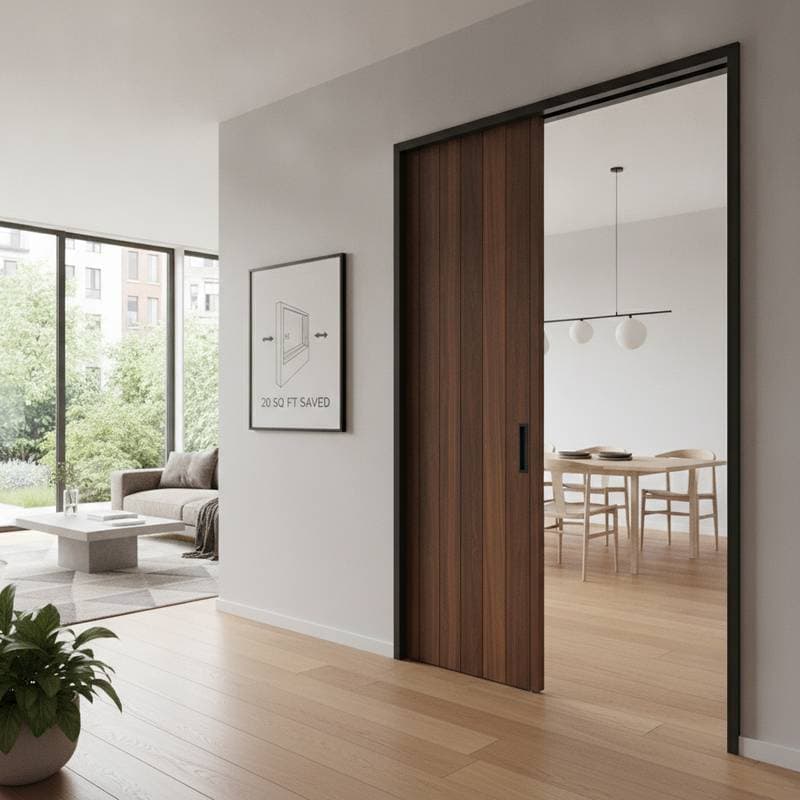
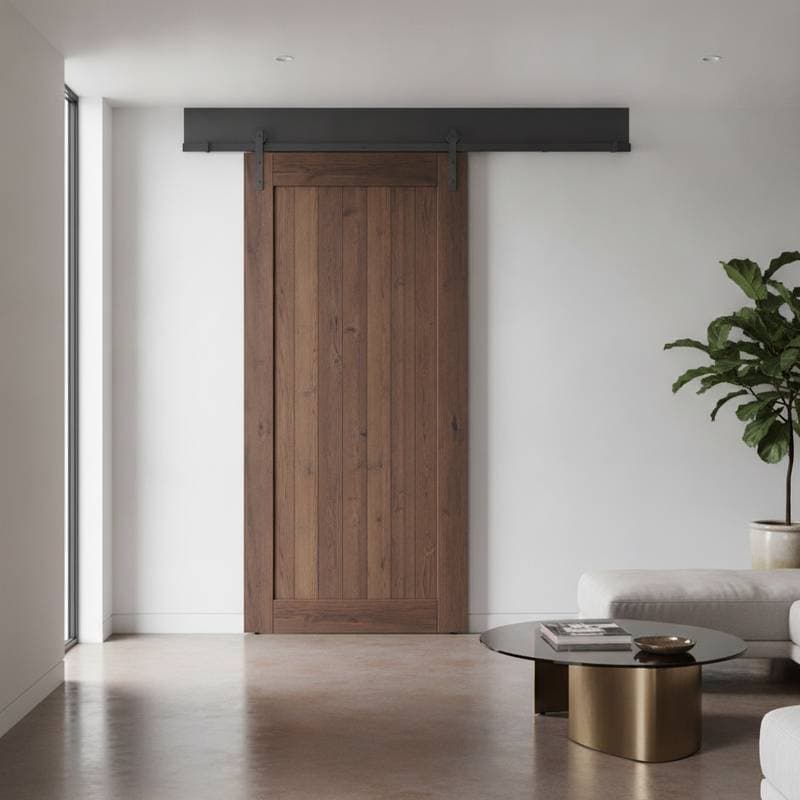
A hidden rail is a concealed track system mounted either inside the wall cavity or behind a decorative valance. Unlike exposed top mounted hardware, a hidden rail keeps the sliding mechanism out of sight. This creates a more streamlined and modern appearance. For homeowners aiming for a minimalist or transitional look, this system can make a major visual difference.
Hidden rails also help reduce dust buildup and protect moving parts from wear. Many systems use soft close or dampening mechanisms that make operation quieter and reduce the impact on stops and brackets.
Common Barn Door Hardware Problems
Even well made barn door systems can face issues over time. Understanding these common failures helps you decide if switching to hidden rails is the right move.
- Door wobble or sagging. This issue is often caused by uneven track installation or poor alignment of rollers.
- Noisy operation. Metal on metal contact or misaligned hangers can create grinding sounds.
- Track visibility. Exposed hardware may clash with certain design styles or collect dust easily.
- Insufficient wall clearance. Doors may scrape baseboards or trim if the track spacing is off.
- Limited privacy or light leakage. Gaps between the door and wall can be visually unappealing and reduce sound isolation.
Each of these problems can be reduced or eliminated with the correct hidden rail system and proper setup.
Cost Overview for Hidden Rail Systems
Hidden rail barn door hardware typically costs more than standard exposed kits due to the precision installation and concealed design. Expect the following general cost ranges including materials and labor.
| Material/Service | Cost Range | Key Features |
|---|---|---|
| Hidden rail kit (single door) | $200 to $600 | Concealed mounting, quiet operation |
| Wall cavity prep or valance fabrication | $300 to $900 | Carpentry, drywall cutting, and finishing |
| Professional installation | $150 to $400 | Leveling, alignment, and soft close setup |
| Complete project total | $650 to $1,900 | Includes hardware, materials, and labor |
These averages depend on door size, wall structure, and finish quality. A solid core wood door will require heavier duty rails than a hollow interior door, which affects both material and labor costs.
Why Hidden Rails Solve Hardware Fails
Hidden rails use precision engineered channels that distribute weight evenly across the top of the frame. This reduces wear on rollers and prevents the sagging common with exposed systems. Because the hardware is shielded, dust and debris have less opportunity to interfere with movement.
A hidden rail also stabilizes the door more effectively. Many kits include a recessed floor guide that fits into a groove on the bottom edge of the door. This keeps the door from swinging out or scraping walls, especially in high traffic areas.
Installation Factors That Influence Cost and Performance
Several variables affect both the durability and expense of hidden rail systems. Understanding these factors helps you plan more accurately.
1. Wall Type
Drywall over wood studs is typically easiest for installation. If your wall is masonry or concrete, additional drilling or mounting brackets may be required, which raises labor costs.
2. Door Weight and Material
Light composite doors may only need a single concealed track, while heavier hardwood doors might require dual rail reinforcement or higher capacity rollers.
3. Finish and Trim Details
Matching a hidden track to existing trim or crown molding can require custom carpentry. Some homeowners choose to use a false beam or valance that conceals the track completely.
4. Soft Close Add ons
Soft close mechanisms add convenience but also increase cost slightly. They can prevent wear on the ends of the track by catching and slowing the door before it hits the stop.
Expert Insights on Proper Setup
Hidden rail systems demand precise alignment. Even a quarter inch off level can cause long term binding, said Michael Torres, a door installation specialist in Portland. Always check both plumb and level across the full track before securing the mounts.
Contractors also stress using manufacturer specified fasteners and anchors. Generic screws may fail under the door weight, especially with heavier wood panels.
If you are installing into drywall, never rely on toggle bolts alone, said Dana Mills, a finish carpenter who installs sliding hardware for custom homes. You need to tie into at least two wall studs or use a header board for reliable support.
Hidden Rail Maintenance and Longevity
Hidden rail systems are designed for longevity but still need occasional attention. Keep the following maintenance steps in mind.
- Clean the track channel every few months using compressed air or a vacuum attachment to remove dust.
- Lubricate roller bearings with a silicone based spray once or twice a year. Avoid oil based lubricants that can attract debris.
- Inspect fasteners for loosening. Vibrations or repeated use can gradually shift mounting screws or anchors.
- Check door alignment if you notice rubbing or uneven gaps. Small adjustments can prevent major wear later.
When maintained properly, most hidden rail systems can last for decades without noticeable performance loss.
DIY vs. Professional Installation
Installing a hidden rail may appear straightforward, but it often involves modifications to wall framing or drywall. While experienced DIYers can handle standard exposed tracks, hidden systems require exact spacing and stud positioning.
DIY installation may work if you have access to both sides of the wall for mounting verification, the door is lightweight and the wall structure is standard, and you are comfortable patching drywall or trim afterward.
Professional installation is recommended when the door is solid core or oversized, the wall contains electrical wiring or plumbing, or you want a seamless built in appearance.
Hiring a professional typically adds $150 to $400 to the total cost but ensures precise alignment and code compliant framing.
Comparing Hidden Rails to Exposed Hardware
The choice between hidden and exposed rails often comes down to aesthetics and performance preferences. The table below summarizes key differences.
| Feature | Hidden Rail System | Exposed Barn Door Track |
|---|---|---|
| Appearance | Minimalist, concealed | Rustic, decorative |
| Maintenance | Requires less cleaning | Easier access for adjustments |
| Cost | Higher due to concealment | Lower for standard kits |
| Sound level | Quieter operation | Slightly louder movement |
| Installation complexity | Moderate to high | Low to moderate |
For modern or transitional interiors, hidden rails provide a sleek and quiet solution. For rustic or industrial spaces, exposed hardware may still fit better visually.
Preventing Future Hardware Fails
If your barn door has already shown signs of misalignment, noise, or loose fittings, a hidden rail upgrade can prevent further issues. Before installation, inspect the following areas. Check stud placement to ensure adequate support for the rail. Verify door squareness to confirm the top and bottom edges are parallel. Confirm track length to allow for full door clearance without hitting trim or furniture.
Always measure twice and dry fit components before securing them. Proper preparation is the best defense against hardware failure.
When to Replace Instead of Repair
Sometimes repairing an existing track system costs nearly as much as a full replacement. If you see bent rollers, cracked brackets, or tracks that have pulled from the wall, replacement may be more reliable.
Planning Your Upgrade
Upgrading to a hidden rail system can transform the way your barn door functions and looks. Start by evaluating your existing setup and noting any signs of wear, noise, or uneven movement.
When choosing a system, look for concealed tracks rated for at least 25 percent more weight than your door actual load for added safety. If you are uncertain about hidden framing or electrical placement, bring in a professional installer for a quick consultation.
Once the rail is installed, commit to light maintenance every few months. Keep the track clean, check fasteners, and ensure soft close mechanisms work consistently. A hidden rail not only fixes common barn door hardware fails but also enhances your home interior finish with a cleaner, more polished look. With the right planning and expert help, you can enjoy a space that functions as smoothly as it appears.