
Acoustic Doors Reduce Noise by 85 Percent
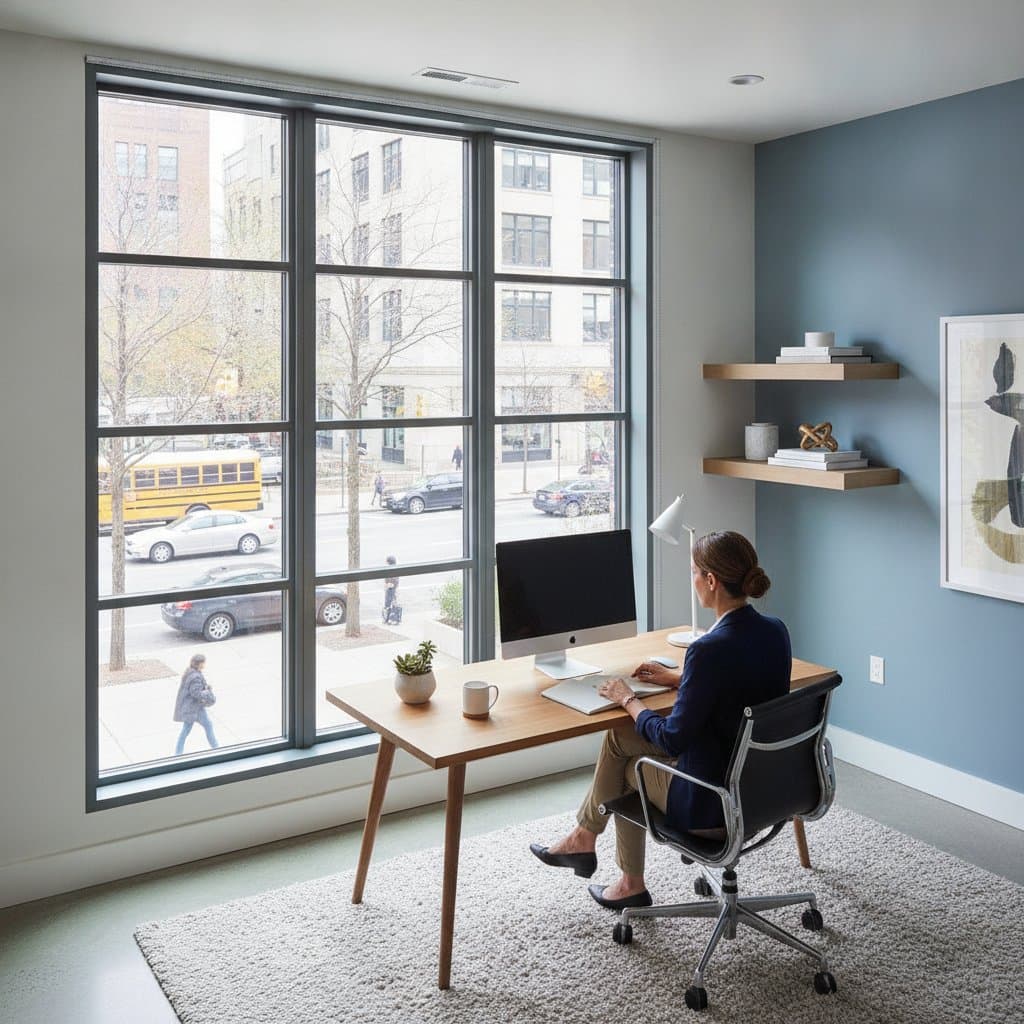
Contemporary homes frequently incorporate open layouts, proximity to urban streets, and vibrant family activities. These elements enrich everyday experiences yet introduce a common issue: excessive noise. The newest acoustic doors address this concern effectively, blocking up to 85 percent of sound transmission to foster quieter, more inviting interiors without compromising on visual appeal or operational efficiency.
This advancement reshapes perspectives on door systems for both interior and exterior applications. Homeowners no longer need to accept noise as an inherent aspect of current lifestyles. Instead, these doors enable the creation of environments that promote tranquility, concentration, and seclusion.
Key Door Types and Their Applications
Selecting the appropriate acoustic door involves considering the room's purpose, required noise reduction levels, and integration with the home's architecture.
| Option | Initial Cost | Lifespan | Maintenance | Best For |
|---|---|---|---|---|
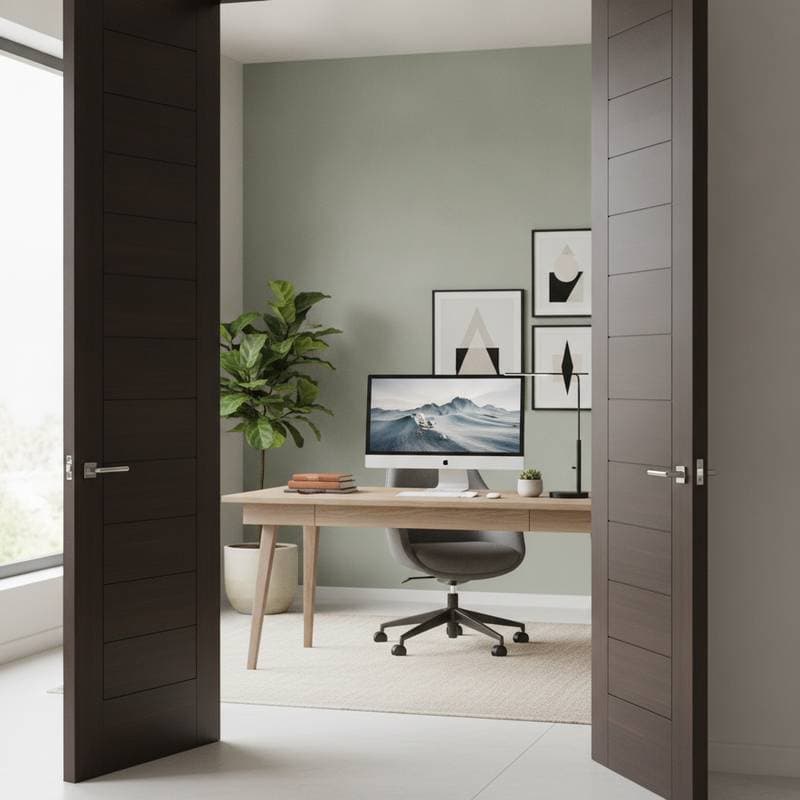
| Solid Core Hinged Door | Moderate | Long | Occasional seal inspections | Bedrooms, home offices, libraries |
| Sliding Acoustic Door | Moderate to High | Long | Track cleaning, seal upkeep | Home theaters, open living areas |
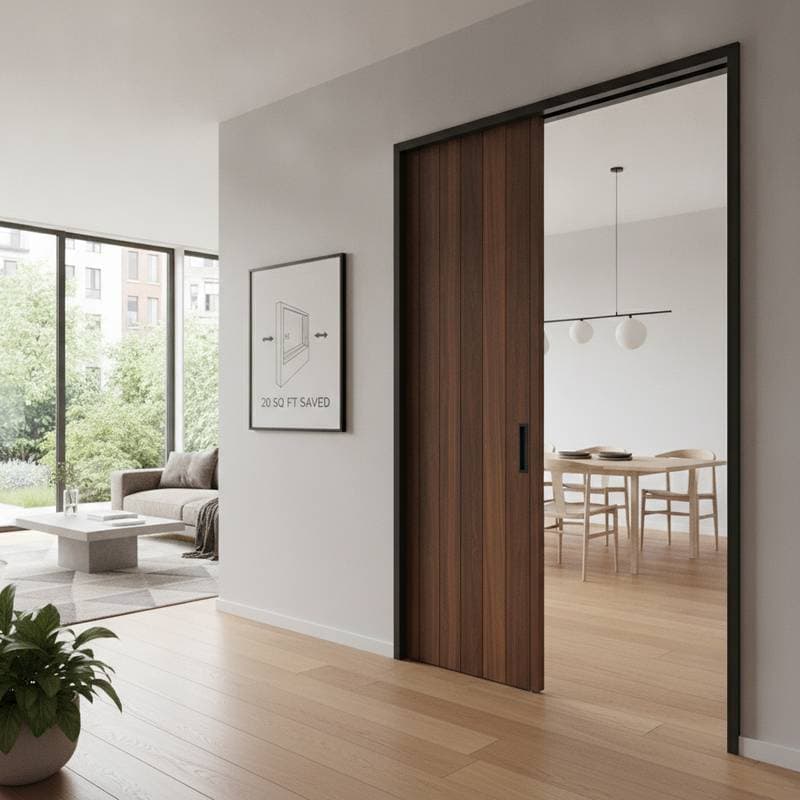
| Acoustic Pocket Door | Higher | Long | Frequent track examinations | Apartments, space-limited designs |
| Glass Acoustic Door | High | Long | Surface cleaning, gasket maintenance | Creative studios, professional offices, meeting rooms |
Hinged doors provide straightforward reliability for everyday use. Sliding and pocket varieties optimize space in dynamic areas. Glass options allow natural light to filter through while effectively containing sound.
Assessing Performance Metrics and Certifications
Professionals measure sound insulation through the Sound Transmission Class (STC) rating, where elevated values signify superior noise attenuation. Leading acoustic doors attain up to 85 percent reduction, yet achieving optimal outcomes requires attention to several factors.
For reliable performance, evaluate these elements:
- Frame integrity: Insulated frames block sound paths through adjacent structures.
- Seal integrity: Minor openings can significantly diminish effectiveness.
- Installation precision: Accurate positioning and seal compression prove essential alongside material quality.
- Ambient acoustics: Soft furnishings like rugs and drapes, along with wall treatments, further modulate sound dynamics.
Request verified STC data from independent testing to gauge real-world efficacy post-installation.
Step-by-Step Installation Process
Acoustic doors demand meticulous setup to maximize their benefits. Inadequate sealing or frame alignment can undermine premium materials.
- Initial assessment: Precisely measure door openings, accounting for wall depths and floor variations.
- Site preparation: Verify subframe levelness and structural stability.
- Core assembly: Mount the door and frame simultaneously to secure uniform seal pressure.
- Verification checks: Gauge closing force, fine-tune hinges or tracks, and ensure complete seal engagement.
- Finalization: Seal frame perimeters with acoustic compounds and schedule routine inspections.
Experienced installers employ sound level meters to validate results. Homeowners performing upkeep should maintain seal cleanliness and suppleness for sustained performance.
Ongoing Maintenance Practices
These doors endure well with regular care. Clean seals using a moist cloth to eliminate residue and confirm gasket pliability. For sliding mechanisms, remove debris from tracks via vacuuming. Apply minimal lubrication to hinges and rollers to support seamless, secure operation.
Should noise levels rise, examine for gaps or degraded seals. Most manufacturers supply replacement components for swift restoration of acoustic integrity.
Selecting the Ideal Acoustic Door
The optimal choice aligns with specific room functions and noise tolerance. Areas such as home offices, infant rooms, and multimedia zones gain from elevated STC ratings. Standard separation between sleeping and communal areas benefits from moderate options.
Individuals favoring fluid layouts might opt for sliding or pocket configurations to enable adaptable sound management. Adherents to classic aesthetics often select solid wood hinged variants. Prioritize harmony among sound control, visual harmony, and daily routines.
Pre-Installation Planning Essentials
Prior to purchase, validate dimensions and assess wall and floor compatibility with the chosen design. Factor in door movement patterns, potential furniture conflicts, and alterations to illumination or ventilation upon enclosure.
Achieving Lasting Acoustic Excellence
Investing in acoustic doors yields enduring serenity when paired with thoughtful selection and upkeep. These solutions empower homeowners to curate personalized sanctuaries amid bustling surroundings, elevating both comfort and quality of life through innovative sound management.