Shoji Doors Are Transforming Modern Homes
Shoji doors are quietly redefining what it means to live in a modern home. Originating from traditional Japanese architecture, these translucent panel doors bring together a balance of privacy, light, and spatial harmony that fits naturally into contemporary interiors. Their minimalist design and adaptable structure make them appealing to homeowners who value both functionality and visual tranquility.
Understanding the Shoji Door Concept
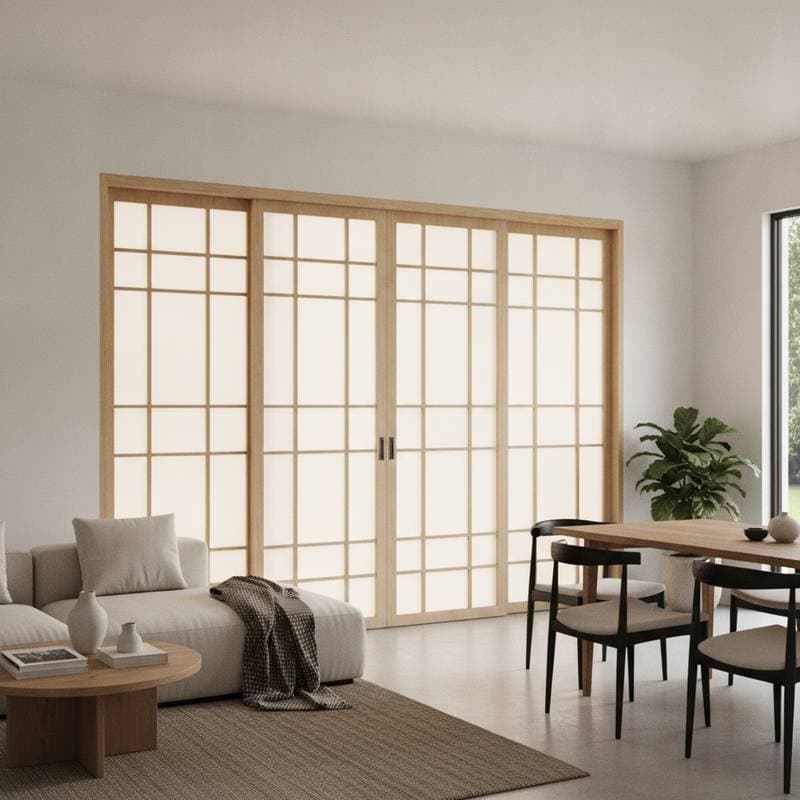
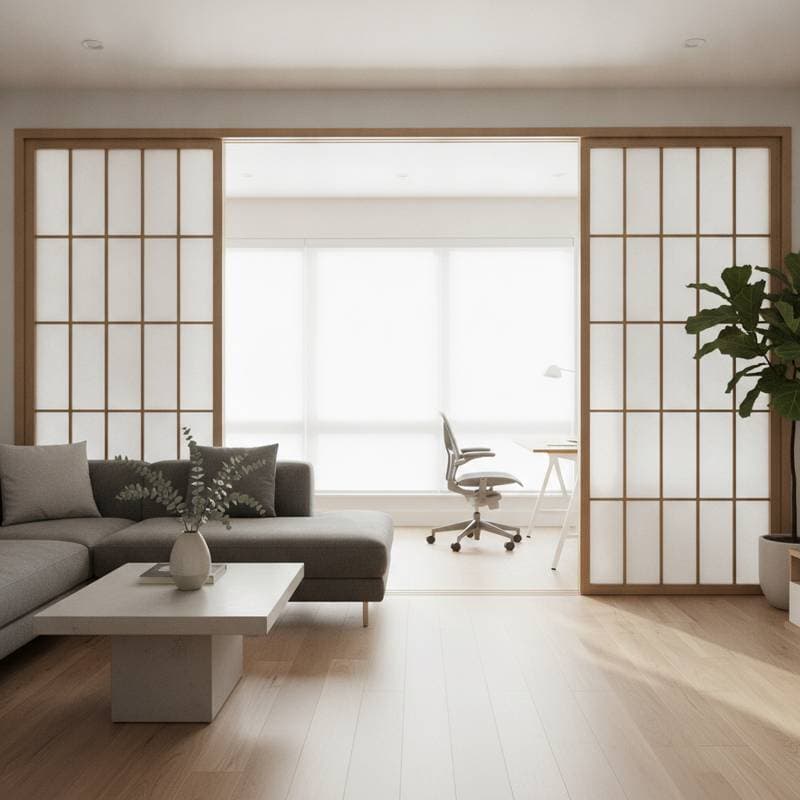
A Shoji door is typically built using a lightweight wooden frame fitted with translucent panels made from rice paper or modern alternatives such as acrylic or synthetic fiber sheets. The design allows natural light to pass through while maintaining privacy. Shoji doors often slide along a track rather than swinging open, which makes them particularly effective for spaces where efficiency and simplicity matter.
This combination of minimalism and practicality has made Shoji doors an attractive choice for homeowners looking to blend traditional aesthetics with modern living. The design encourages calmness and clarity, turning ordinary rooms into peaceful retreats.
Material Choices and Construction Details
While traditional Shoji panels used handmade washi paper, contemporary versions incorporate durable materials that resist wear and moisture. Homeowners can now select from several panel options, each offering different visual and performance characteristics.
| Material Option | Durability | Light Transmission | Maintenance | Best For |
|---|---|---|---|---|
| Rice Paper | Moderate | Soft Diffused | Gentle cleaning only | Authentic aesthetic |
| Acrylic | High | Bright Diffused | Easy to wipe | High-traffic areas |
| Synthetic Fiber | High | Moderate Diffused | Moisture resistant | Bathrooms and kitchens |
The wooden frame is usually made from lightweight species such as pine, cedar, or alder. These woods provide structural strength while keeping the doors easy to move. Finishes can range from natural stains that highlight the wood grain to painted surfaces that match modern color schemes.
Comparing Shoji Doors with Conventional Interior Doors
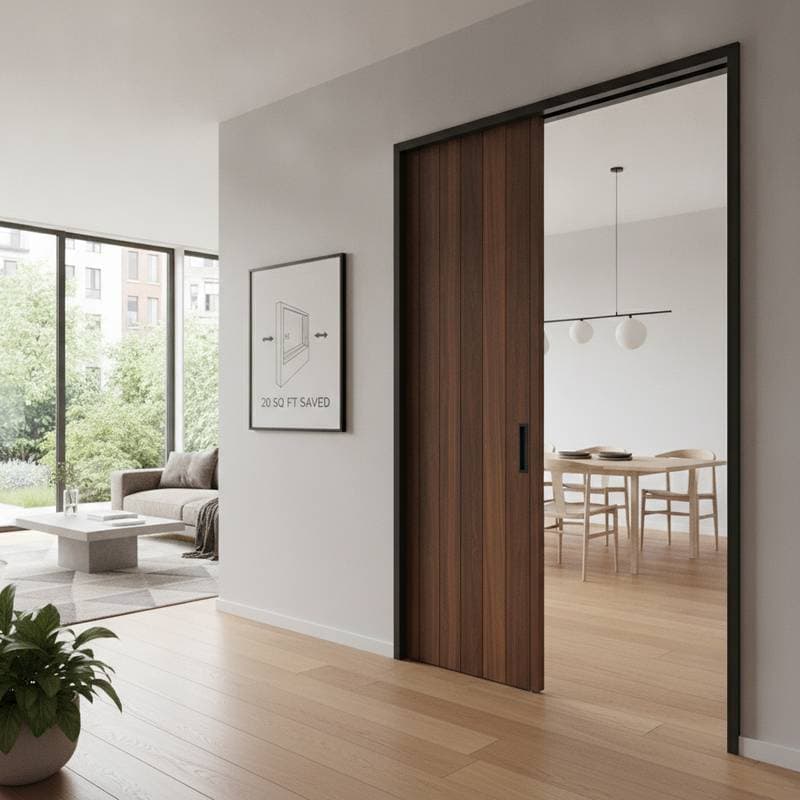
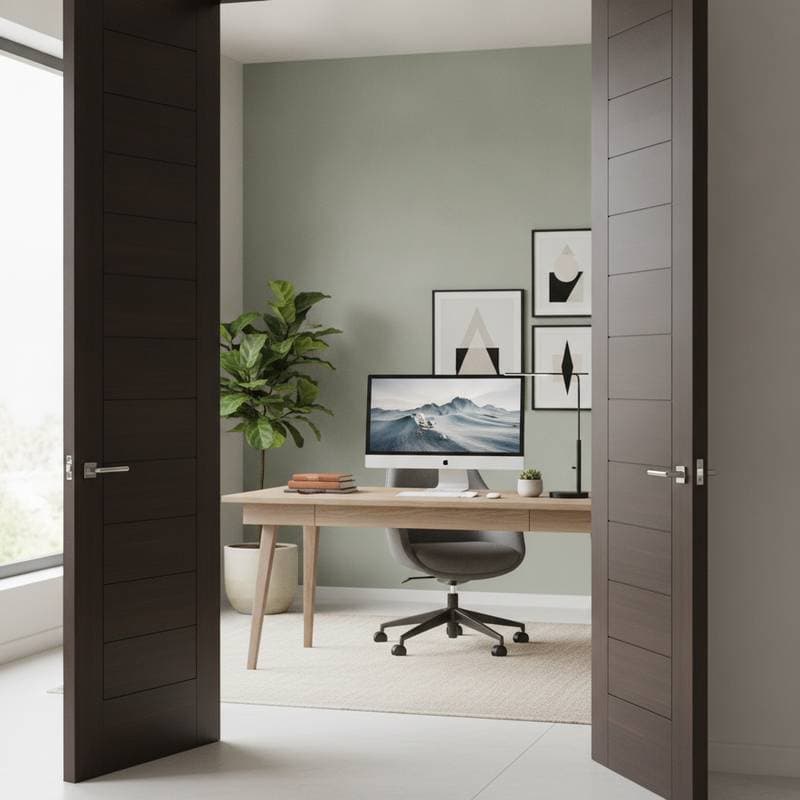
Shoji doors differ from standard hinged doors in several ways. They save space since they slide rather than swing, which allows for more flexible furniture placement. Their translucent panels distribute light evenly, reducing the need for artificial illumination during the day. The design also softens room acoustics, creating a quieter environment compared to hard-surfaced doors.
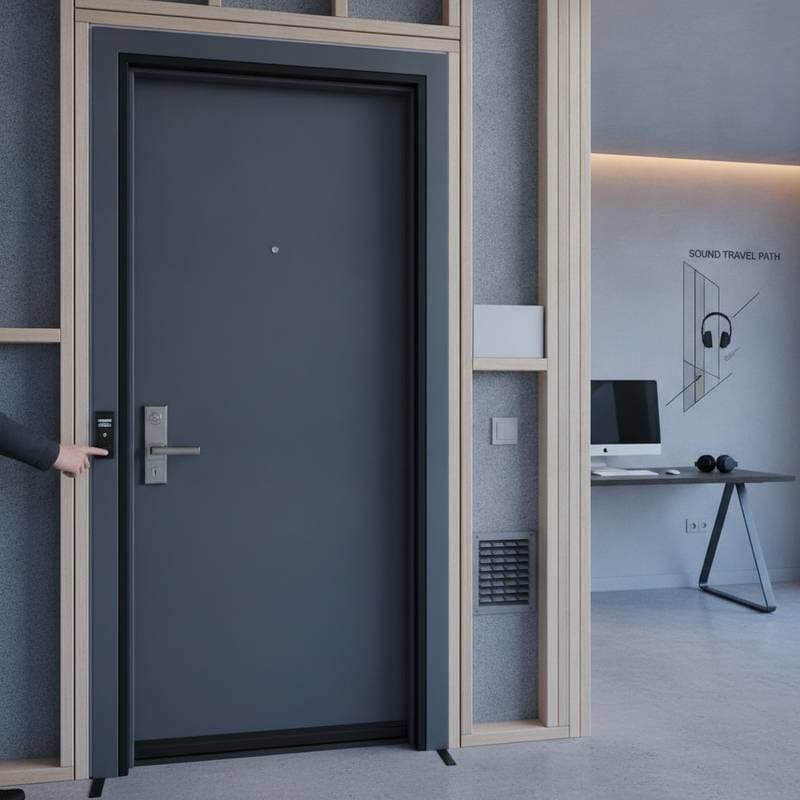
On the other hand, Shoji doors are less soundproof than solid-core wood doors, and their panels can be more delicate if traditional rice paper is used. The trade-off between light diffusion and noise control should be weighed carefully, depending on where the doors will be installed.
Lifestyle and Design Integration
The minimalist appeal of Shoji doors fits seamlessly into a variety of design styles. In open-plan layouts, they serve as elegant room dividers that create flexible boundaries without heavy visual separation. In compact apartments, they make small spaces feel larger by allowing daylight to travel between rooms. In larger homes, they can frame views or connect interior spaces with garden areas, bringing a sense of nature into daily living.
For homeowners drawn to simple interiors, Shoji doors complement furniture pieces with clean lines and neutral tones. They also match well with natural materials such as stone, bamboo, and linen. The overall effect is one of balance, where every element contributes to a calm and cohesive atmosphere.
Installation Process and What to Expect
Installing Shoji doors involves a few key stages that ensure smooth operation and durability over time.
- Planning and evaluation: Measure the opening carefully and decide whether the door will slide into a pocket, along a wall-mounted track, or serve as a stationary panel.
- Preparation steps: Ensure the wall or frame structure can accommodate the track system. Check for level surfaces to avoid uneven sliding.
- Main installation: Mount the track securely, fit the door panels, and test the sliding motion. Adjust for smooth movement and consistent gap spacing.
- Quality assurance: Inspect each panel for even alignment and verify that the translucent material is tensioned properly within the frame.
- Completion and follow-up: Apply finishing touches such as trim pieces or handles, then test operation several times to confirm performance.
Professional installation is often recommended for multi-panel configurations or built-in pocket systems. DIY installation can be manageable for single sliding panels, provided accurate measurements and proper tools are used.
Maintenance and Care Considerations
Shoji doors require gentle maintenance. Dust the wooden frames regularly with a soft cloth and use a slightly damp towel for deeper cleaning. For rice paper panels, avoid harsh cleaners or excessive moisture. Modern acrylic or synthetic panels can be wiped clean with a mild solution.
Regular inspection of the track system helps maintain smooth operation. If the doors start sticking, clean the track and apply a small amount of lubricant. Replacing worn rollers or guides when needed will extend the door lifespan.
Cost and Long-Term Value
The price of Shoji doors varies according to materials, size, and installation complexity. While initial costs can be higher than standard doors, the long-term value lies in their durability, visual appeal, and space-saving benefits. Their ability to enhance lighting and ambiance often reduces the need for additional decorative elements, which can offset part of the expense.
Since Shoji doors blend easily with different interior styles, they remain relevant even as design trends shift. This adaptability supports long-term satisfaction and maintains property value by appealing to future buyers who appreciate natural and balanced interiors.
Choosing What Works Best
When selecting Shoji doors, consider the following factors:
- Location: Use durable materials for high-traffic areas and moisture-resistant panels near bathrooms or kitchens.
- Privacy level: Choose denser or double-layered panels for bedrooms or offices.
- Design preference: Decide between traditional grid patterns or modern frameless interpretations.
- Ease of operation: Evaluate handle placement and track accessibility for all household members.
Balancing these elements helps create a solution that matches both functional needs and personal style.
Integrating Shoji Doors Into Daily Living
Shoji doors offer more than a design statement. They bring light, space, and calm into daily life while maintaining a sense of privacy and order. By understanding their structure, materials, and care requirements, homeowners can make informed decisions that suit their lifestyle.