Reclaimed Barn Doors: Rustic Sliding Style for $2K
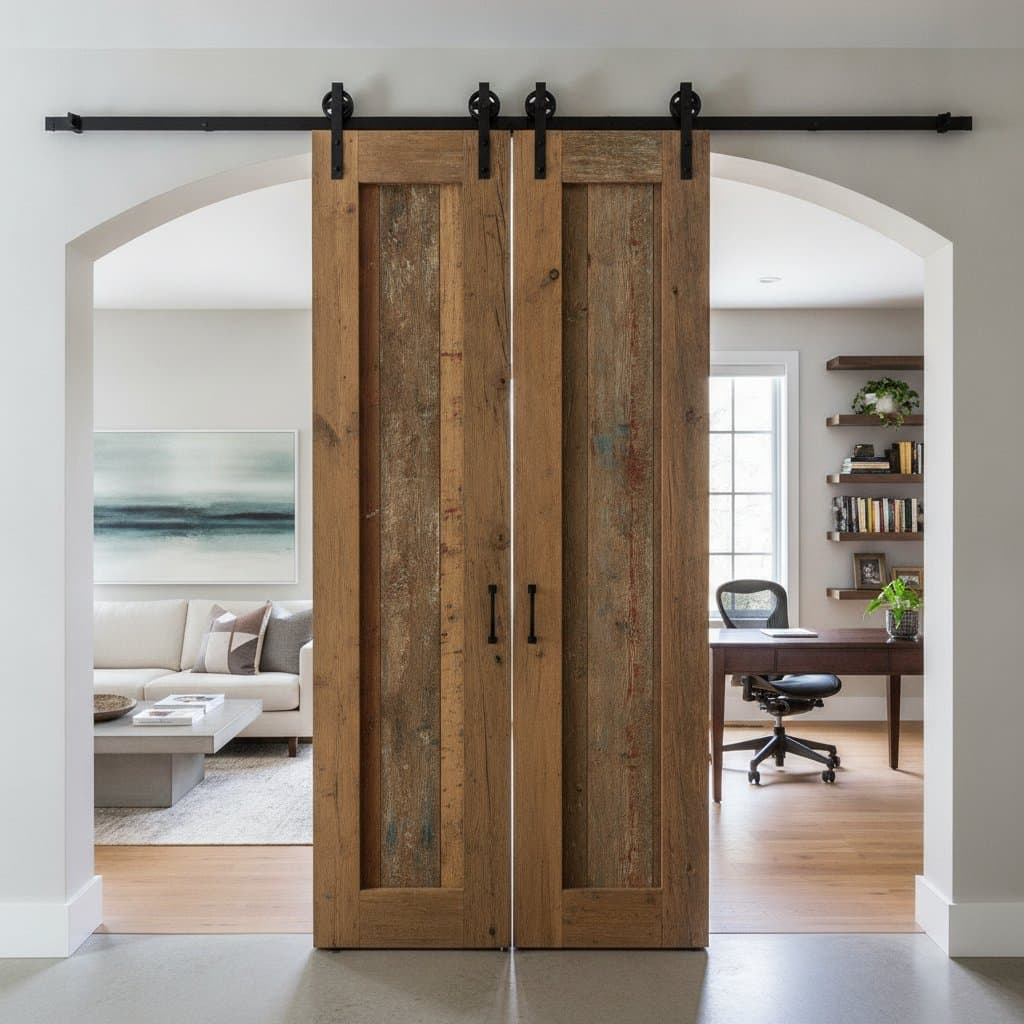
Reclaimed barn doors bring warmth, texture, and history into modern interiors. Built from salvaged wood and mounted on sliding tracks, these doors combine rustic character with functional design. For many homeowners, investing around $2,000 delivers a custom piece that adds architectural charm while maximizing space efficiency.
Understanding how these doors are made, what affects their cost, and how they perform over time helps ensure the investment fits both lifestyle and budget goals.
Understanding the Appeal
A reclaimed barn door transforms ordinary openings into focal points. The marks, knots, and color variations in aged wood cannot be replicated by new materials. Each door carries subtle evidence of its past use, adding authenticity that complements both traditional and contemporary homes.
Beyond aesthetics, sliding doors save space since they glide along a wall instead of swinging open. This makes them practical in tight hallways, bathrooms, or laundry areas where clearance is limited.
Material and Construction Factors
Reclaimed wood varies widely in type and quality. Common sources include pine, oak, or chestnut recovered from barns, fencing, or industrial floors. The wood is cleaned, kiln-dried, and treated to remove pests before being milled into panels.
Craftsmen then assemble planks using tongue-and-groove joints or board-and-batten patterns. Hardware choices, such as steel tracks or wrought iron rollers, influence how smoothly the door moves and how it appears once installed.
Surface finishing also affects cost and maintenance. Some homeowners prefer a lightly sanded texture that preserves weathered grain, while others choose a sealed or stained finish that protects against moisture. The thickness of the wood and the complexity of the design, such as cross-bracing or decorative inlays, can raise the price but also enhance durability.
Cost and Value Perspective
A budget of about $2,000 generally covers a professionally built reclaimed barn door with quality hardware and installation. Simpler designs might fall slightly below this range, while custom sizes or intricate finishes can exceed it.
The investment often yields strong value because reclaimed wood retains its appeal over time and can add resale interest to a home.
| Option | Initial Cost | Lifespan | Maintenance | Best For |
|---|---|---|---|---|
| Basic reclaimed door | $1,200 to $1,800 | 20+ years | Occasional oiling | Small openings or minimal designs |
| Custom reclaimed door | $1,800 to $2,500 | 25+ years | Regular cleaning and sealing | Feature walls or large spaces |
| DIY reclaimed kit | $800 to $1,400 | 15+ years | Variable | Skilled homeowners with tools |
Pros and Cons
Advantages
- Sustainability: Reusing wood reduces waste and preserves natural resources.
- Aesthetic value: Distinctive patterns and grain create visual interest that complements many styles.
- Durability: Old-growth wood often resists warping better than new lumber.
- Space efficiency: Sliding tracks free up floor area compared to hinged doors.
Disadvantages
- Cost fluctuations: Authentic reclaimed wood can be expensive depending on availability.
- Weight: Solid planks may require reinforced walls or heavy-duty tracks.
- Maintenance: Periodic cleaning and resealing keep surfaces stable.
- Limited sound control: Sliding systems do not seal as tightly as conventional doors.
What to Expect During Installation
- Planning and evaluation: Measure the opening carefully and allow extra width so the door covers the frame completely when closed.
- Preparation steps: The wall must support the track weight. Stud placement and anchor type determine stability.
- Main implementation: Install the track, hang the door, and test movement before final adjustments.
- Quality assurance: Ensure the door glides smoothly without gaps and that stoppers prevent over-travel.
- Completion and follow-up: Apply protective oil or finish as needed and inspect hardware periodically.
Professional installers often complete the process within a day, but preparation time for sourcing materials or treating reclaimed wood can extend the schedule.
Long-term Considerations
Over the years, reclaimed barn doors hold their character even as interior styles evolve. They handle moderate humidity changes well when properly sealed. Periodic inspection of rollers and track bolts prevents premature wear.
For homeowners planning future renovations, these doors can be relocated or refinished to suit new decor.
Matching Doors to Your Home Needs
When deciding between ready-made and custom reclaimed doors, consider how the piece fits your home layout and daily routine. Households with children or pets may prefer a soft-close system that reduces noise and prevents pinched fingers.
The key is matching craftsmanship, material quality, and finish with both aesthetic goals and functional needs. With thoughtful planning and care, a reclaimed barn door around the $2,000 range becomes more than a decorative accent.