The $5K Reclaimed Beam Entryway Trend Dominating 2026
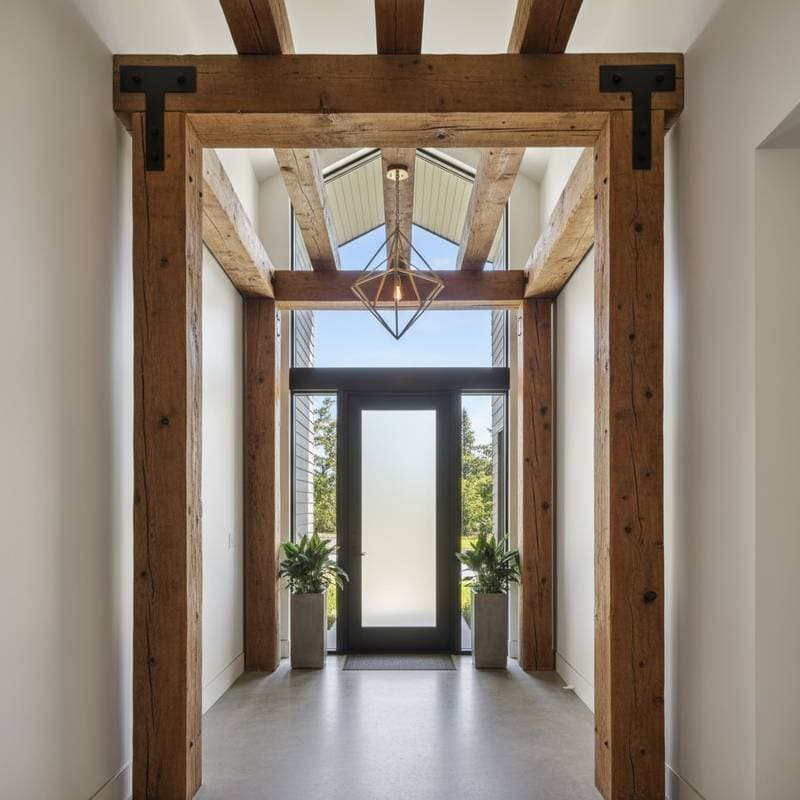
Homeowners are turning their entryways into statement spaces. Reclaimed wood beams have become the centerpiece of this growing design movement. The trend toward rustic, character-rich entries reflects a shift toward sustainable materials and craftsmanship that tells a story. Installing reclaimed beam entryways typically costs between $4,500 and $6,000. Pricing depends on materials, installation details, and structural modifications.
This project combines architectural presence with eco-conscious design. It gains attention among homeowners who want both warmth and authenticity at their front door.
Average Cost to Build a Reclaimed Beam Entryway
Most reclaimed beam entryway projects fall within a mid-range investment level. Pricing varies depending on beam size, wood type, and whether the design includes structural framing or purely decorative features.
| Material/Service | Cost Range | Key Features |
|---|---|---|
| Reclaimed Oak Beams | $2,500 to $3,800 | Extremely durable, classic rustic tone |
| Reclaimed Douglas Fir | $1,800 to $3,000 | Lighter weight, warm grain patterns |
| Installation Labor | $1,200 to $2,000 | Framing, anchoring, finishing |
| Custom Stain & Sealer | $200 to $600 | Enhances color and protects wood |
| Hardware & Supports | $150 to $400 | Brackets, bolts, decorative fasteners |
Most homeowners spend about $5,000 total, including materials and labor. Structural adjustments to support large beams can raise costs closer to $7,500. A simple faux-beam design can be completed for under $3,500.
What Drives the Cost of Reclaimed Beam Entryways
Several factors influence final pricing. Understanding these factors helps with budget planning and design scope decisions.
Beam Sourcing and Quality
Reclaimed wood prices vary widely. Beams salvaged from barns or historic buildings often command higher prices due to rarity and character. Kiln-dried and de-nailed beams cost more but install more safely. Rougher beams may require additional milling or sanding before use.
Entryway Design Complexity
A simple overhead beam across a doorway costs less than a full timber-framed portico or pergola. Projects that involve load-bearing structures often require engineering review and permits. Decorative-only installations finish faster and cost less.
Labor and Finishing Requirements
Experienced carpenters charge between $75 and $150 per hour for this type of custom work. A hand-brushed oil finish creates a more natural patina but takes longer to apply. Stains and sealants add cost yet increase longevity, especially for entryways exposed to weather.
Regional Material Pricing
Costs vary by region. Areas with easy access to reclaimed wood yards or architectural salvage centers often see lower material costs. In urban markets, sourcing and delivery fees can add several hundred dollars.
Why Reclaimed Beams Excel in Entryway Design
Reclaimed beams bring qualities that new lumber cannot replicate. Their weathered surfaces, nail marks, and natural patinas create instant character. Homeowners appreciate how these materials tell a story while reducing waste.
Interior designer Claire Jensen from Heritage Wood Interiors noted that every reclaimed beam carries its own history. Using it in an entryway creates an immediate sense of warmth and craftsmanship.
Beyond aesthetics, reclaimed wood performs well structurally when properly treated. Old-growth lumber is often denser and more stable than new timber. This stability means fewer issues with warping or cracking over time.
Material Options and Design Choices
Choosing the right wood species and beam configuration shapes both appearance and performance.
| Wood Type | Visual Style | Maintenance Level | Best Use |
|---|---|---|---|
| Oak | Deep grain, dark tone | Low | Rustic or traditional homes |
| Douglas Fir | Warm amber hue | Moderate | Modern farmhouse or craftsman designs |
| Chestnut | Distressed texture | Low | Vintage-inspired entryways |
| Pine | Light color, versatile | Moderate | Contemporary rustic styles |
Reclaimed oak beams remain a top choice for homeowners seeking authentic character and durability. Fir and pine cost less and shape more easily for decorative elements like headers or faux trusses.
Some homeowners mix materials. Pairing reclaimed beams with steel brackets or glass sidelights creates a modern rustic balance. Others keep the design purely organic and highlight natural imperfections such as saw marks or weather checking.
DIY vs. Professional Installation
A few homeowners with strong carpentry experience may attempt a small decorative beam installation on their own. Professional input remains strongly recommended for structural or load-bearing designs. A licensed contractor evaluates entryway framing, determines necessary supports, and ensures the project meets local building codes.
Professional installation takes two to four days depending on complexity. Contractors often coordinate with finish carpenters and painters to achieve a seamless look. Many professionals also offer sealing services that protect reclaimed wood from moisture infiltration and UV damage.
Maintenance and Long-Term Care
Reclaimed wood entryways require minimal upkeep when sealed properly. Most professionals recommend applying a wood sealer every two to three years to maintain color depth and prevent surface drying. Regular cleaning with a damp cloth and mild soap removes dirt without damaging the finish.
Inspect joints and brackets annually to confirm they remain tight. Beams exposed to direct sunlight or rain benefit from a small overhang or awning to extend their life. Avoid pressure washing, which can erode aged surfaces and lift fibers.
Sustainability and Environmental Benefits
Choosing reclaimed beams supports sustainable building practices. Each beam reused represents wood saved from landfills or incineration. Reclaimed lumber also reduces demand for newly harvested timber and helps preserve forests.
Using reclaimed materials can lower a project carbon footprint by as much as 70 percent compared to new lumber. For homeowners seeking eco-friendly improvements, this project delivers both environmental and aesthetic rewards.
Expert Insights on Design Trends
Contractor Mike Ellis of Timber Revival Construction observed that clients move away from overly polished finishes. They want beams with real patina and texture. A reclaimed beam entryway sets the tone for the rest of the home.
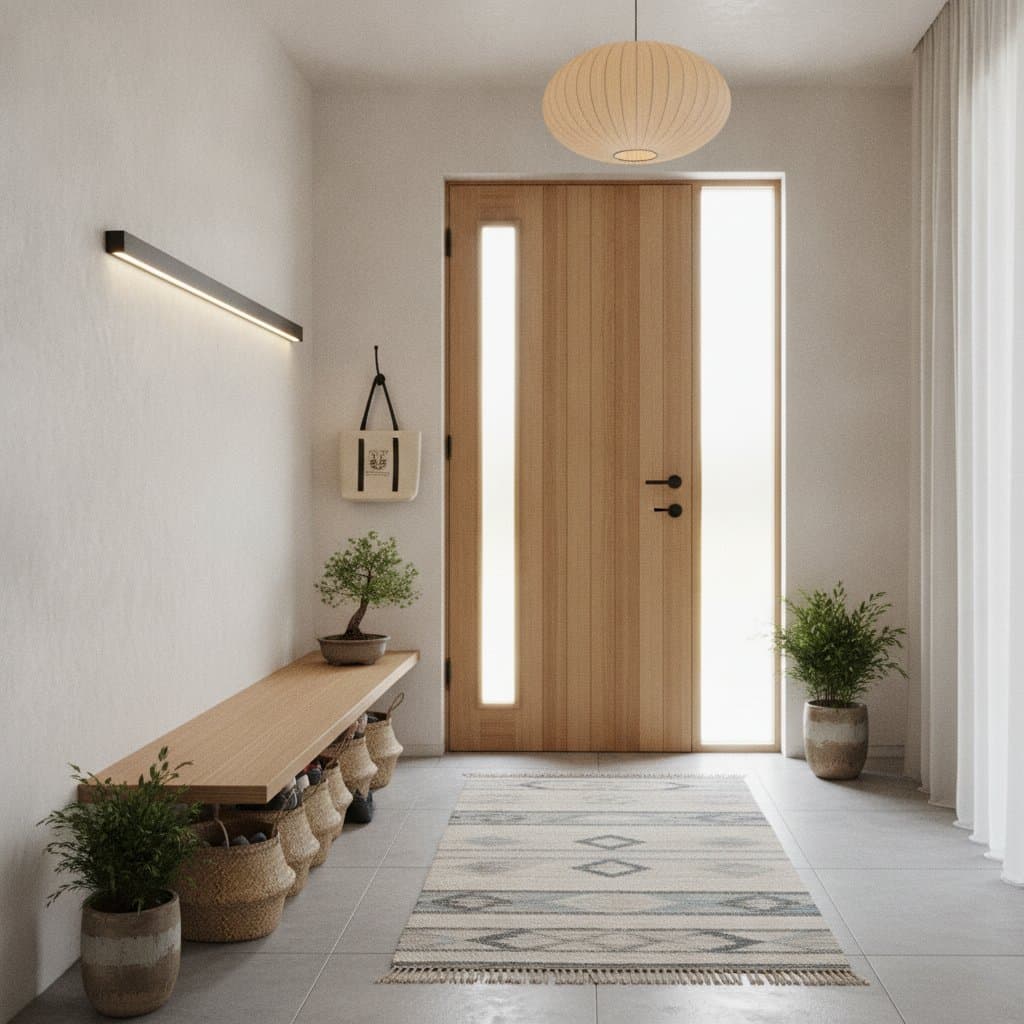
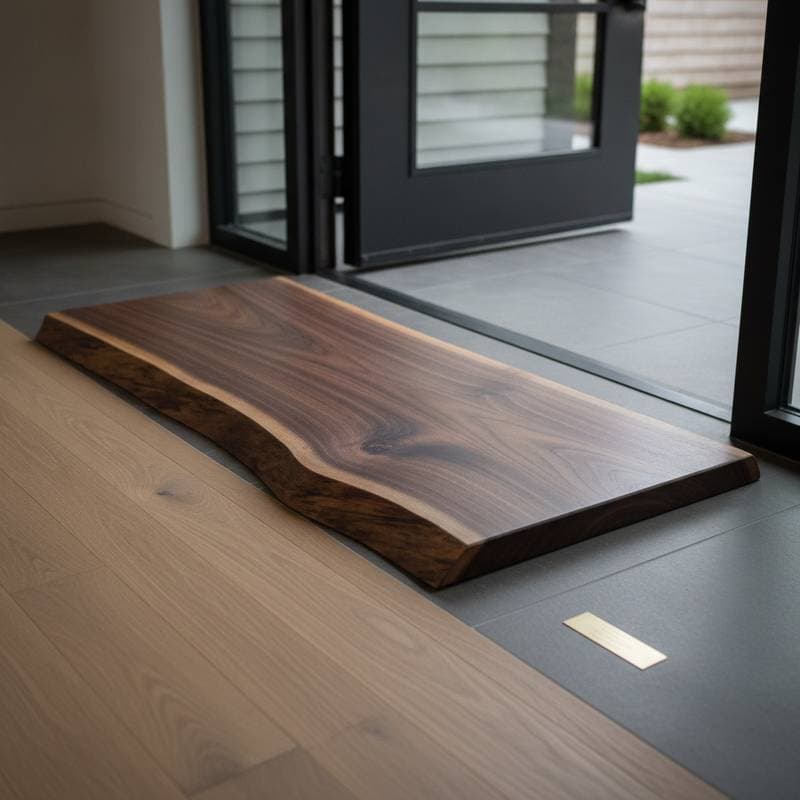
Designers also note a growing preference for blending rustic beams with modern finishes. Matte black door hardware, smooth concrete steps, and minimalist lighting pair beautifully with weathered wood. The contrast highlights craftsmanship while keeping the overall look clean and balanced.
Planning Your Project
Start by defining the look you want. Gather inspiration photos, then work with a contractor familiar with reclaimed materials. Budget around $5,000 for a complete project that includes materials, labor, and finishing. Prepare for potential adjustments if the entry structure needs reinforcement.
A reclaimed beam entryway represents a lasting investment that combines sustainability, history, and craftsmanship.