Barn Door Prices Surge to $8,000 as 2026 Wood Shortage Approaches
Escalating wood prices have elevated interior barn doors to luxury status, where certain custom installations now match the expense of complete kitchen overhauls. Homeowners undertaking renovations reliant on premium lumber encounter heightened uncertainty from the looming wood shortage. Grasping the forces behind these shifts enables better cost management and expectation setting for projects.
Unpacking the Surge in Barn Door Expenses
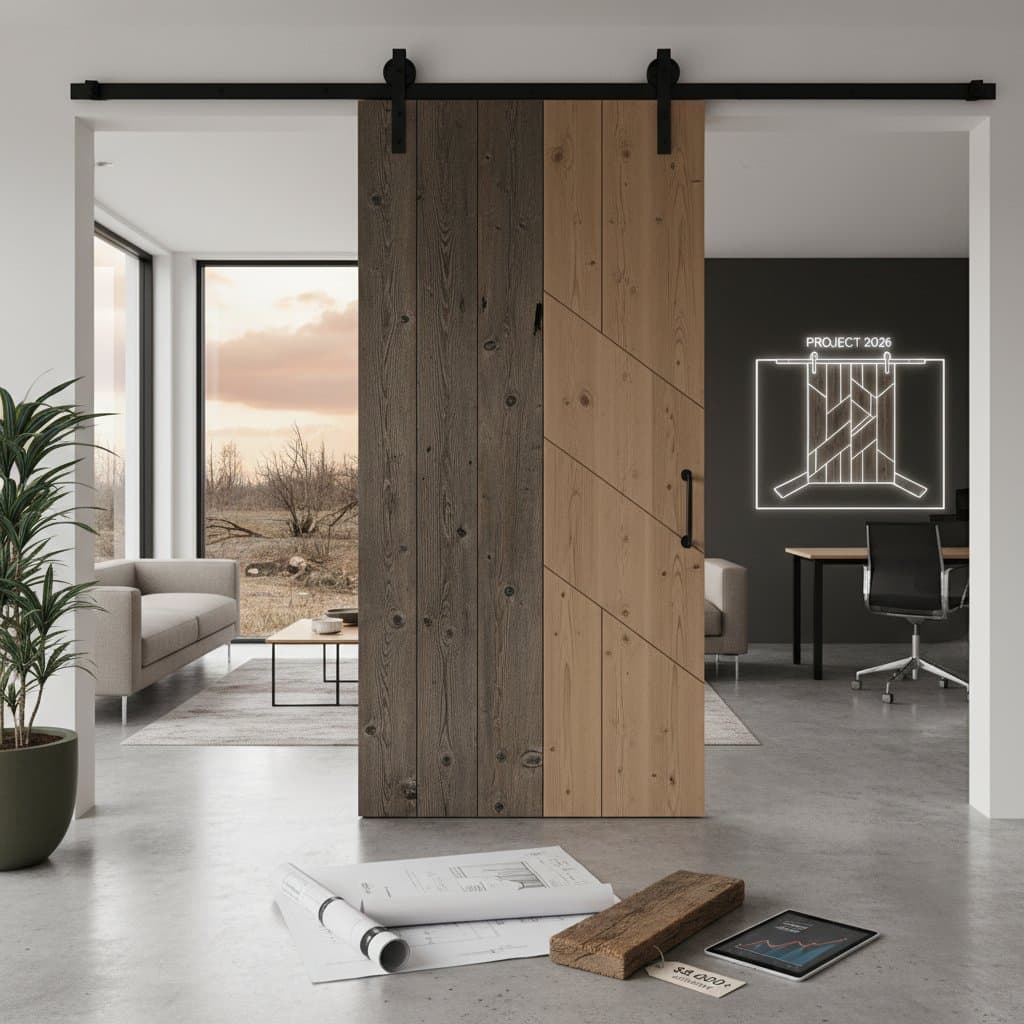
Barn doors continue to captivate with their blend of rustic appeal and practical space efficiency. Their rise aligned with the popularity of open-concept layouts, yet the raw materials defining their allure prove increasingly difficult to obtain. Reclaimed wood, previously a cost-effective and eco-friendly choice, diminishes as demolition sites deplete and historical buildings vanish.
Parallel pressures from elevated transportation fees, workforce gaps, and constrained sawmill operations drive up fresh lumber rates. Custom barn doors crafted from solid hardwoods or salvaged timber thus incur substantial cost increases. For instance, a standard 36-inch-wide reclaimed oak door might now demand $5,000 to $8,000, including hardware and installation, compared to half that amount just five years ago.
Evaluating Material Alternatives
Selecting materials for barn doors demands careful consideration amid evolving options. Reclaimed wood retains its allure through unique textures, aged finishes, and reduced environmental footprint, though premiums often exceed 50 percent over new alternatives. Engineered wood and composites replicate these aesthetics with greater price stability and uniform performance.
| Material Type | Initial Cost | Lifespan | Maintenance | Best For |
|---|---|---|---|---|
| Reclaimed Wood | High | Long if sealed | Requires refinishing | Authentic rustic aesthetics |
| New Solid Wood | Moderate to high | Long | Occasional polishing | Classic or sleek designs |
| Engineered Wood | Moderate | Medium | Minimal | Cost-conscious renovations |
| Composite Materials | Lower | Medium | Minimal | Versatile painted surfaces |
Reclaimed wood delivers irreplaceable character but necessitates thorough checks for integrity and flaws like insect damage. Engineered wood ensures dependable expansion resistance in varying humidity, although it forgoes the organic depth of genuine grain patterns. Composites provide budget relief and design adaptability, yet they fall short in conveying the sensory richness of true wood.
Impacts of the Shortage on Renovation Timelines
The projected 2026 wood shortage extends beyond price hikes to prolong fabrication timelines. Bespoke millwork dependent on rare species or salvaged stock may encounter delays of several months. Large renovations incorporating multiple doors or panels must account for these extensions alongside budget adjustments.
Professionals adapt by advocating versatile designs and underutilized local hardwoods. Poplar, for example, accepts stains that emulate walnut or cherry at 30 to 40 percent less cost. Maple offers a clean grain suitable for contemporary settings, often sourced domestically to sidestep import volatility. Embracing such swaps maintains visual harmony while curbing expenses.
Strategies for Aligning Projects with Market Realities
Homeowners benefit from assessing key elements prior to finalizing a barn door commitment:
- Timing Assessment: Initiate sourcing three to six months ahead for bespoke or reclaimed elements to buffer against delays.
- Budget Allocation: Incorporate a 20 to 30 percent contingency for unforeseen price swings.
- Material Adaptability: Explore substitutes like bamboo composites or FSC-certified pine if primary choices falter.
- Vendor Selection: Partner with providers boasting diverse supply chains and transparent inventory updates.
- Care Evaluation: Review sealing protocols and humidity safeguards to extend door longevity.
These measures mitigate disruptions and foster opportunities for cost negotiations. Early engagement with designers or suppliers reveals current trends, such as rising demand for metal-accented hybrids that blend wood with durable alloys.
Sustaining Value Over Time
Despite upward trends, barn doors represent a sound investment when selected for durability. A properly maintained reclaimed door endures for generations through annual sealing against moisture and gentle cleaning with non-abrasive solutions. Engineered variants require hardware lubrication every two years and minor finish renewals to retain vibrancy.
Environmental stewardship influences choices as well. Opting for Forest Stewardship Council-certified sources or reclaimed elements promotes ethical harvesting and cultural preservation. Such decisions yield aesthetic rewards alongside a reduced carbon footprint, appealing to those prioritizing legacy in their homes.
Securing Your Ideal Barn Door Solution
Market dynamics demand deliberate choices over impulsive ones. By integrating design aspirations with material versatility and strategic timing, homeowners secure the inviting essence barn doors provide. This balanced method delivers spaces that endure both stylistically and structurally.