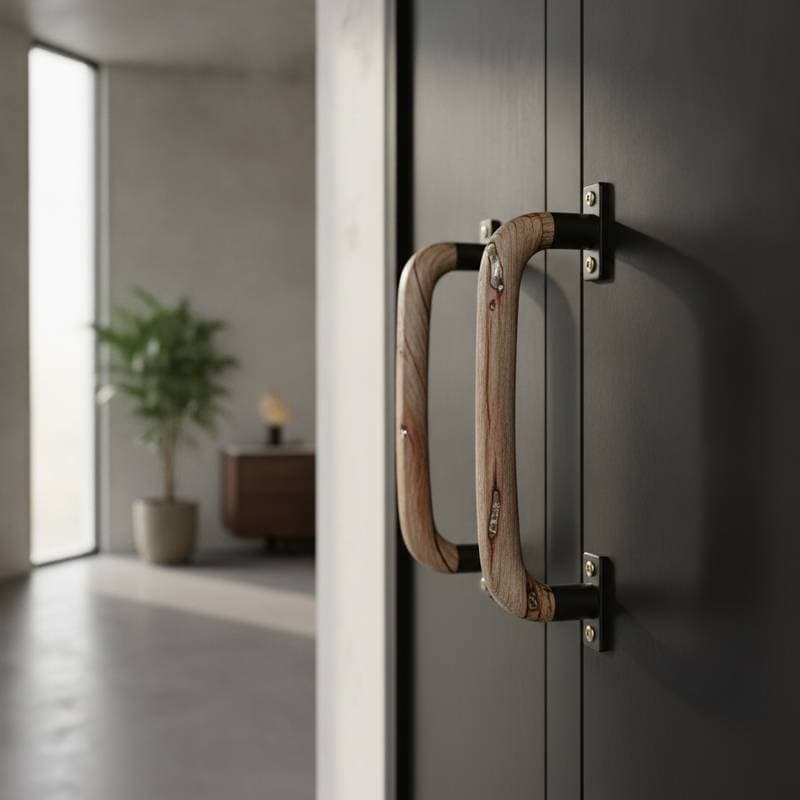
Why Reclaimed Barn Wood Handles Reach $500 Prices
Reclaimed barn wood handles serve as distinctive hardware in both modern and rustic interiors. These pieces now appear in upscale homes, boutique hotels, and high end renovation projects. Their appeal stems from aged beauty, documented history, and ties to sustainable practices. Several material and process factors explain prices near five hundred dollars.
Authentic Material Qualities
Reclaimed barn wood displays texture and depth absent from new lumber. Each board shows weathering patterns, color shifts, and grain formed over decades of agricultural use. When shaped into handles, the wood places this character within daily reach. Owners value the natural imperfections that distinguish one piece from another.
The source material typically originates from livestock barns or grain storage buildings. It has already demonstrated durability through years of moisture and temperature exposure. After cleaning, treatment, and sealing, the wood stabilizes for frequent handling. This combination of strength and visible age drives current demand.
Cost Factors in Detail
Sourcing requires careful removal from old structures, followed by de nailing, sorting, and milling. Skilled workers perform these steps because automation risks damage to aged stock. Craftsmanship adds further expense. Artisans in small workshops shape each handle and often add hand forged steel or brass accents. All sanding, staining, sealing, and fitting occur by hand.
Heavier weight necessitates reinforced mounting hardware. Reputable suppliers include this hardware plus installation guidance in the listed price. The result is a functional item produced in limited quantities rather than mass output.
Hardware Comparison
The following table places reclaimed barn wood handles alongside other premium options.
| Option | Initial Cost | Lifespan | Maintenance | Best For |
|---|---|---|---|---|
| Reclaimed Barn Wood Handles | $400 to $500 | 30+ years | Occasional oiling | Rustic, modern, or transitional interiors |
| Solid Brass Handles | $150 to $300 | 25+ years | Polishing as needed | Classic or traditional settings |
| Stainless Steel Handles | $100 to $200 | 20+ years | Minimal | Contemporary or industrial spaces |
| Composite Wood Handles | $50 to $100 | 10 to 15 years | Limited | Budget projects or temporary use |
Long service life and singular appearance often justify the higher initial outlay for owners planning extended use.
Design and Lifestyle Fit
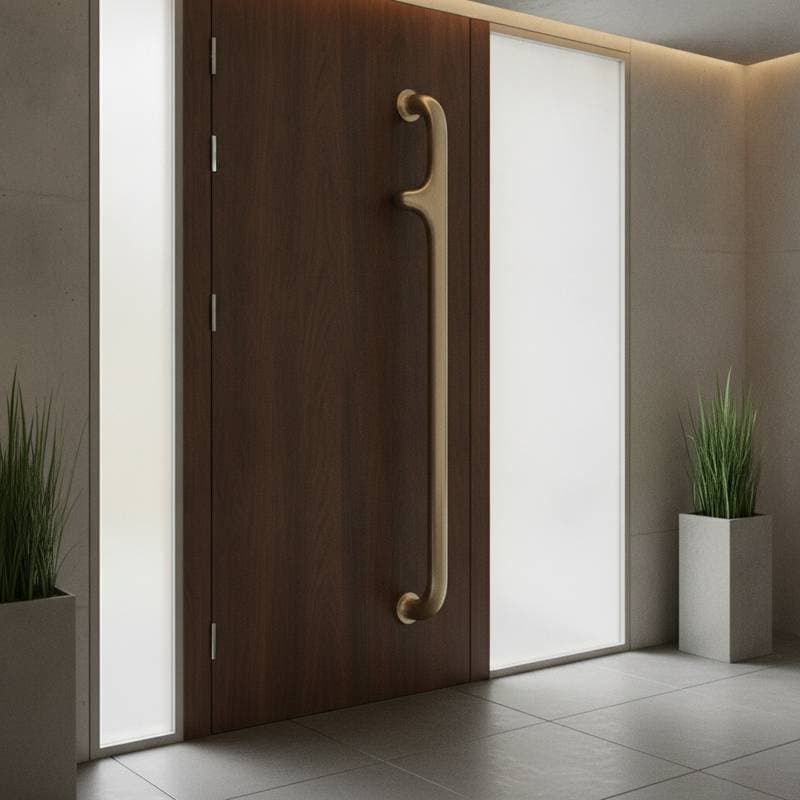
Selection of these handles frequently supports a preference for authentic materials and reduced environmental impact. The warmth of wood offsets cooler surfaces such as glass or metal. In open plan rooms, the handles bridge older and newer architectural elements on sliding doors, cabinets, or custom interior doors.
Sustainability Aspects
Reclaimed wood diverts material from disposal and lowers demand for fresh timber. Local sourcing reduces transport emissions. Makers apply low VOC sealants and natural oils to protect air quality while preserving surface integrity.
Production Sequence
Each handle follows these steps:
- Material Recovery: Inspect and dismantle suitable barns, selecting boards with stable grain.
- Cleaning and Milling: Remove nails, clean surfaces, and plane to expose natural tone.
- Design and Fabrication: Cut and shape the handle, adding metal or leather elements when specified.
- Finishing: Sand and apply natural oils or waxes for moisture resistance.
- Assembly and Quality Check: Attach mounting hardware and verify smooth operation.
Selection Guidance
Assess door thickness and weight capacity before purchase. Request matched sets from one wood batch for visual consistency or combine varied tones for an eclectic effect. Confirm moisture content and sealing products with the maker. Coordinated installation with a designer or contractor prevents loosening in changing humidity.
Aging and Upkeep
The surface develops a soft patina over time. Clean with mild soap and reapply oil periodically to maintain appearance. Unlike many synthetic alternatives, the wood gains character rather than showing wear.
Final Selection Steps
Evaluate how reclaimed barn wood handles align with existing finishes and daily traffic. When matched to project requirements and maintained properly, they deliver both visual interest and lasting performance.