Why Walnut Slab Benches Define Modern Entryways
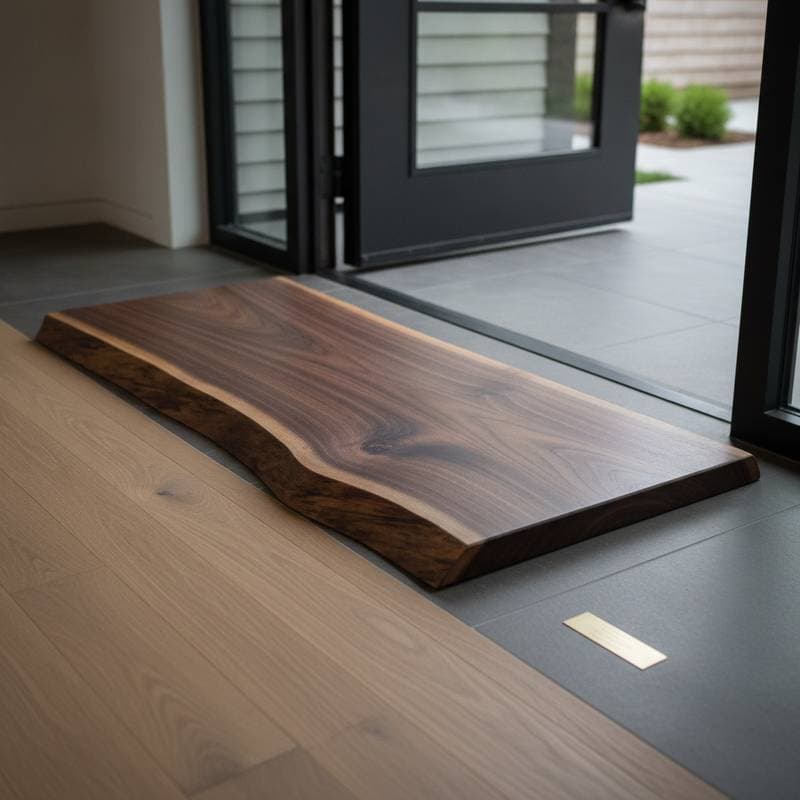
The entryway introduces the character of a home and sets a tone for every arrival and departure. Walnut slab benches now anchor many updated designs because of their natural grain, live edges, and solid presence. These pieces bring warmth to both minimalist and traditional spaces without overwhelming the room.
Each bench displays unique color shifts and movement that veneers cannot match. The result feels sculptural yet practical for daily use. Homeowners value the way a single slab grounds an entry while offering a place to sit or stage essentials.
Budget Option
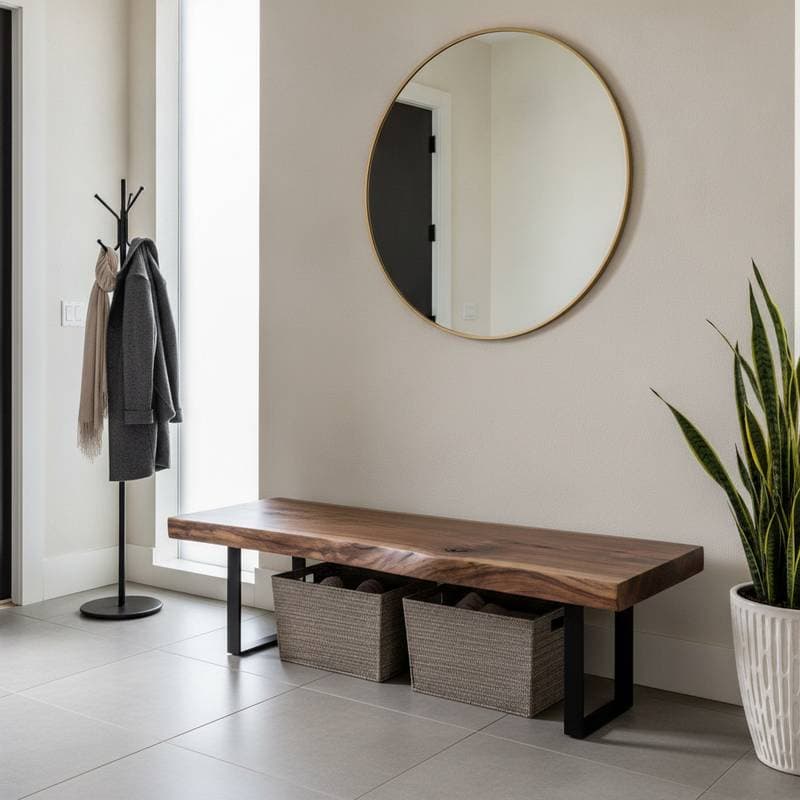
Select a prefinished walnut veneer bench with a rectangular seat and metal legs priced between 450 and 850 dollars. Look for models that include solid walnut trim along the seat edge to add authenticity. Pair the bench with matte black or powder coated hardware to improve the overall appearance.
Mid Range Option
Choose a kiln dried or reclaimed walnut slab with a live edge in the 900 to 1800 dollar range. Apply a hand rubbed oil finish and mount the slab on simple steel hairpin legs. Order the slab cut to fit the available wall length so the proportions remain comfortable and balanced.
Investment Option
Commission a single thick slab bench from a local maker for 2000 to 4500 dollars. Request butterfly inlays or a shallow drawer beneath the seat for added function. Finish the wood with a natural oil wax blend that protects the surface while allowing the material to age gracefully.
Wood, Finish, and Hardware Choices
Black walnut supplies a deep brown tone and subtle luster suitable for most interiors. English walnut provides a lighter golden cast that suits coastal rooms. Hand rubbed oil finishes emphasize texture, while satin polyurethane adds protection in homes with children or pets. Matte black steel legs create a modern profile, and tapered walnut or maple legs introduce mid century lines. Brushed brass or antique bronze brackets tie the bench to nearby door hardware.
Care Guidelines
Wipe the surface weekly with a soft dry cloth to remove grit. Reapply penetrating oil every few months on unfinished pieces. Place felt pads under decorative objects and keep the bench away from direct heat or intense sunlight. Veneer versions need less attention yet may show wear faster in high traffic areas.
Common Design Errors to Prevent
Measure wall length and leave several inches of clearance on each side so the bench does not crowd the space. Pair walnut with neutral walls, black metal, or gray stone rather than orange or red toned woods. Keep the seat surface clear of excess baskets or shoes so it functions as both seating and focal point.
Palette Coordination
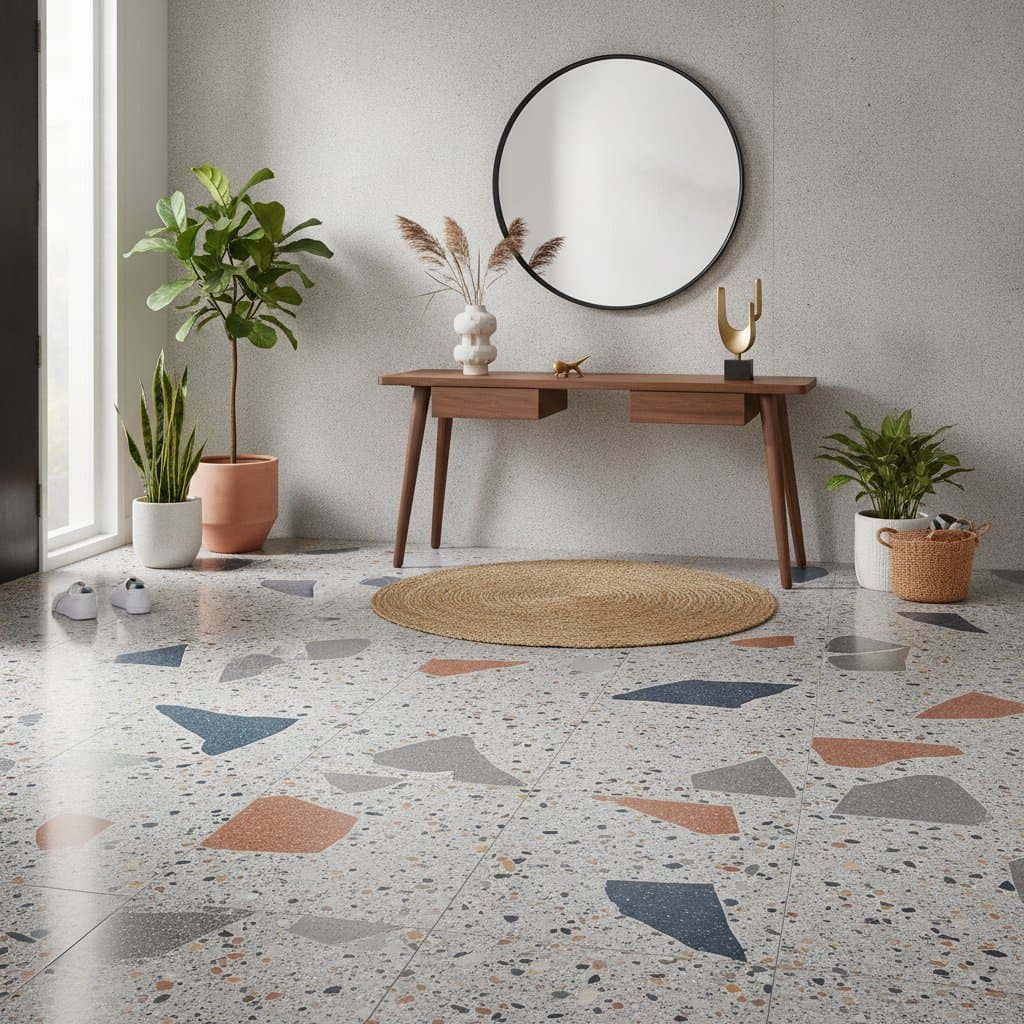
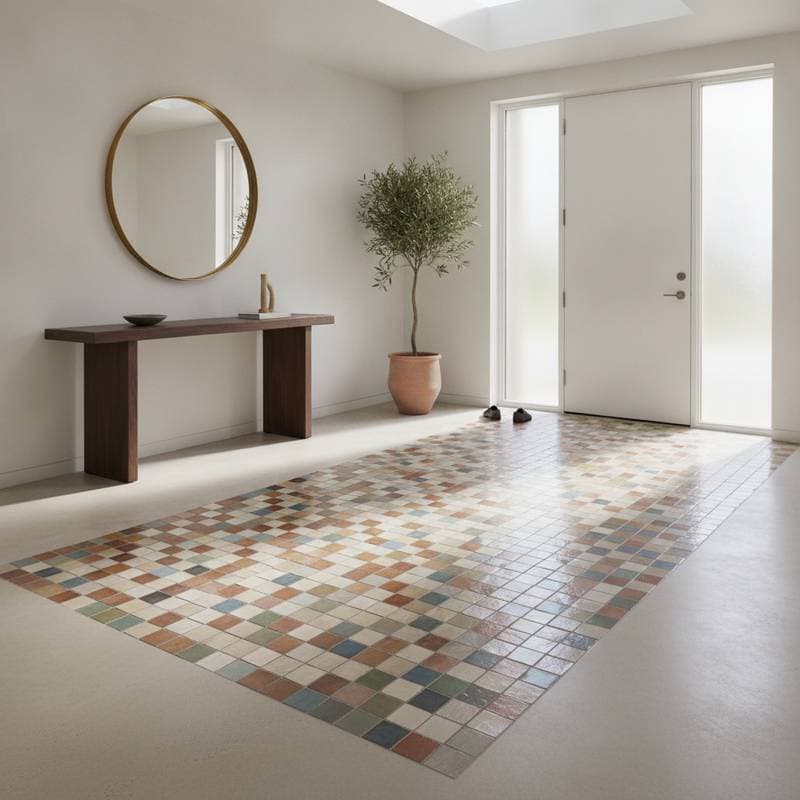
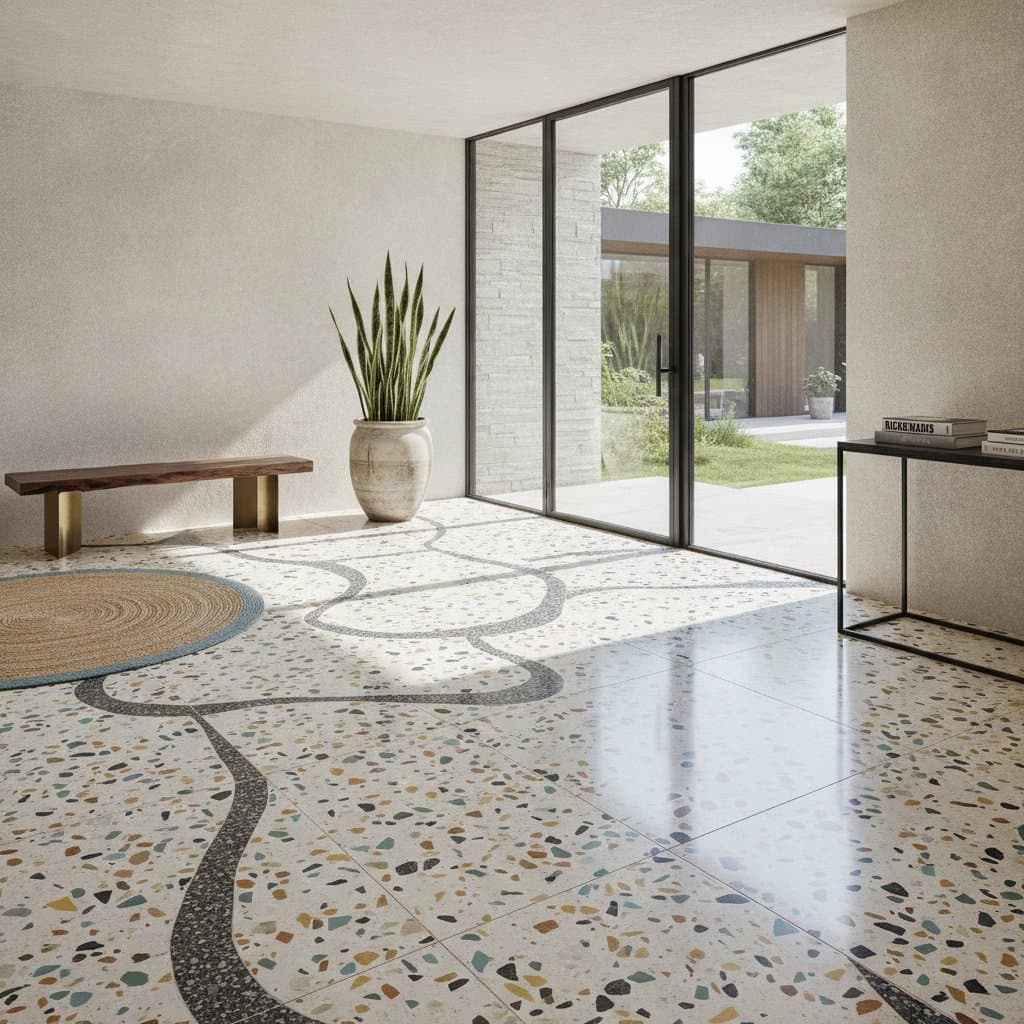
Soft beige walls with off white trim and black hardware create a warm neutral setting. Charcoal tile and crisp white walls produce a modern contrast. Natural stone floors with woven baskets and muted linen cushions add organic layers. Pale gray siding and brushed nickel accents suit coastal schemes, while concrete floors and dark steel doors support an urban look.
Planning Steps
Photograph the entry from multiple angles before purchase. Note the architectural style, existing wood tones, and lighting conditions throughout the day. Record door finishes and hardware so the bench complements them. Confirm clearance for door swing and foot traffic, then set a firm budget range.
Integration with Doors and Lighting
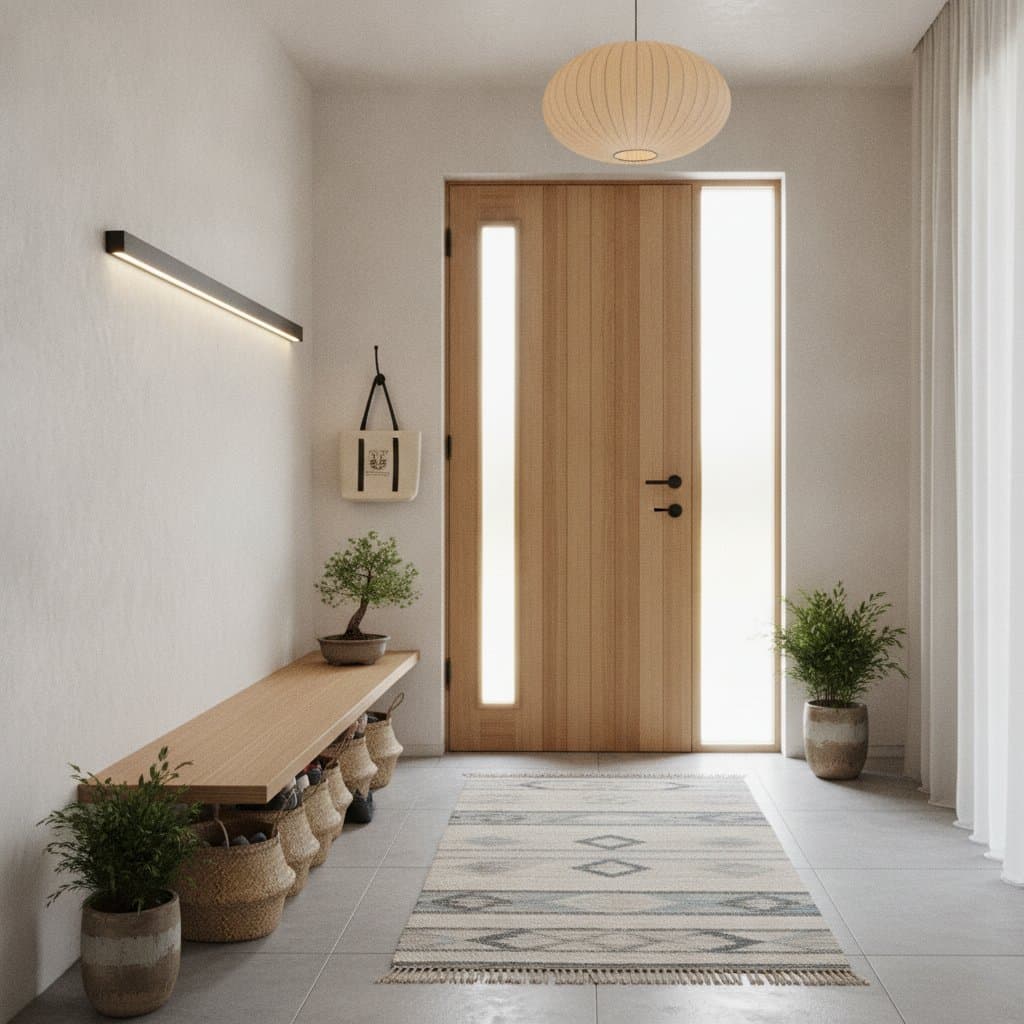
Pair the bench with a solid wood entry door that shares similar undertones or with a black steel framed glass door for contrast. Match door hardware in matte black or brushed brass. Wall sconces or a simple pendant with a warm bulb accentuate grain and provide evening illumination.
Personal Touches
Add a handwoven cushion, a sculptural hook, or a small plant to frame the bench without hiding its surface. These details highlight craftsmanship and create a welcoming transition from outside to interior. A walnut slab bench offers lasting presence that supports both daily routines and long term design goals.