Live-Edge Windowsills: 2026's Organic Interior Trend
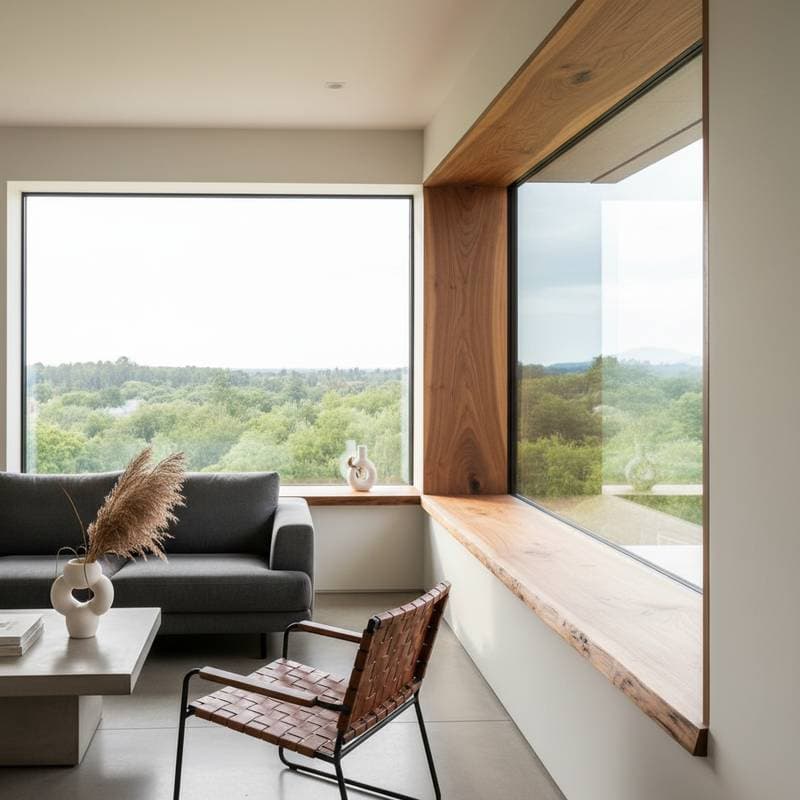
Live-edge windowsills introduce a raw, authentic essence to interior spaces by preserving the tree's natural contours and textures. This approach grounds contemporary designs in nature's imperfections, fostering environments that feel vibrant and connected. As preferences shift toward genuine materials, these windowsills offer a subtle yet impactful way to infuse warmth into otherwise stark architectures.
Understanding the Live-Edge Concept
Live-edge windowsills retain the tree's original edge, showcasing irregular bark lines, visible knots, and flowing grain patterns that ensure each installation stands unique. This distinctiveness resonates with those seeking personalized interiors free from uniformity. Paired with sleek window frames or sparse furnishings, the organic irregularity creates visual intrigue while maintaining restraint.
The design harmonizes rustic elements with polished finishes, adapting seamlessly to diverse styles from cozy farmhouses to urban apartments. Its enduring appeal lies in this versatility, where natural variance enhances rather than disrupts the overall aesthetic.
Material Choices and Wood Characteristics
Choosing the appropriate wood species forms the foundation of a durable live-edge windowsill, as each variety presents unique hues, patterns, and resilience levels.
| Wood Type | Initial Cost | Lifespan | Maintenance | Best For |
|---|---|---|---|---|
| Oak | Moderate to high | Long | Periodic oiling or sealing | Traditional and farmhouse interiors |
| Walnut | High | Long | Occasional conditioning | Modern or contemporary spaces |
| Maple | Moderate | Medium to long | Light sanding and sealing | Bright, clean interiors |
| Cedar | Moderate | Medium | Occasional oil or wax | Natural, aromatic finishes |
| Reclaimed wood | Variable | Depends on source | Regular sealing | Eco-conscious or rustic designs |
Durable hardwoods like oak and walnut withstand daily use and retain their form over decades. Softer options, such as cedar, deliver inviting scents and softer tones but demand vigilant care to prevent wear. Reclaimed pieces add historical patina, appealing to sustainability-focused projects while repurposing existing resources.
Preparing and Finishing the Surface
Proper preparation begins with kiln-drying the wood slab to below 8 percent moisture content, minimizing risks of warping in controlled indoor conditions. Flattening follows, using wide-belt sanders to create a stable base without altering the edge profile.
Finishing options range from penetrating oils that deepen grain colors to durable polyurethanes for high-traffic areas. Apply oils in thin layers, allowing 24 hours between coats for absorption, to achieve a satin sheen that highlights textures. For bark-edged sections, seal edges with epoxy resin to guard against moisture ingress and structural breakdown.
In moisture-prone spots, opt for removable bark strips sealed individually, ensuring longevity without sacrificing the wild appearance.
Installation Process and Quality Checkpoints
The installation of a live-edge windowsill demands precision to integrate seamlessly with existing structures.
-
Planning and evaluation: Take exact measurements of the window opening, accounting for a 1- to 2-inch overhang on each side. Evaluate slab thickness, typically 1.5 to 3 inches, to balance aesthetics and support needs.
-
Preparation steps: Verify wall plumb and frame level using a laser level. Fill any voids with expanding foam for insulation, and reinforce framing if the sill will bear weights exceeding 20 pounds per linear foot.
-
Main implementation: Align the slab, marking pilot holes for anchors spaced every 16 inches. Fasten with corrosion-resistant screws into hidden brackets, torquing to 15-20 inch-pounds to secure without surface damage.
-
Quality assurance: Confirm levelness within 1/16 inch across the surface using a straightedge. Inspect for finish uniformity and edge integrity, applying touch-up sealant as needed.
-
Completion and follow-up: Monitor for movement after one month, tightening fasteners if humidity fluctuations cause shifts up to 1/8 inch. Schedule annual inspections to maintain performance.
Comparing Design Approaches
Tailor live-edge windowsills to specific visions through varying refinement levels.
-
Rustic style preserves full natural features, including rough bark and live knots, ideal alongside exposed brick or wooden ceilings for a cabin-like atmosphere.
-
Semi-refined style involves light sanding of the top surface while keeping the edge wild, striking a middle ground for transitional rooms.
-
Modern style incorporates subtle polishing and metallic accents, such as brushed steel supports, to complement glass-heavy or neutral palettes.
These variations allow adaptation to room dynamics, ensuring the sill enhances rather than competes with surrounding elements.
Balancing Aesthetics with Maintenance
To sustain the allure of live-edge wood, employ gentle care routines that respect its organic nature. Wipe surfaces weekly with a microfiber cloth dampened in distilled water, followed by immediate drying to avert water spots.
Reapply food-grade mineral oil biannually, rubbing in circular motions to nourish the wood and restore vibrancy. For stains from spills, blot promptly and sand lightly with 220-grit paper before refinishing.
This patina-building process evolves the sill's character, turning everyday marks into subtle enhancements that reflect lived-in authenticity.
Considering Lifestyle and Space Integration
Live-edge windowsills extend beyond decoration, shaping daily interactions within a room. In sunlit living areas, they serve as ideal shelves for succulents or framed photos, maximizing natural light exposure.
Kitchen applications position them as herb ledges, where the wood's subtle aroma complements fresh produce. In serene bedrooms, their tactile quality softens hard lines, promoting a restful ambiance.
For active families, select rounded edges and sealed hardwoods to mitigate hazards, ensuring the feature remains practical amid play or pet activity.
Sustainability and Environmental Factors
Live-edge practices promote eco-friendly design by utilizing full tree sections, reducing waste from standard milling. Source from certified forests or local mills to cut carbon footprints associated with shipping.
Opt for zero-VOC finishes like tung oil, which evaporate harmlessly and support indoor air purity. In arid regions, apply beeswax blends quarterly to combat dryness; in coastal areas, use marine-grade sealants against salt air corrosion.
These choices not only extend the material's life but also align interiors with broader environmental stewardship.
Selecting and Integrating for Lasting Impact
Final selection hinges on harmonizing the windowsill with personal priorities and home context. Invest in walnut for bold statements in high-contrast settings, or choose maple for subtle integration in light-filled rooms.
Coordinate tones with cabinetry or trim for unity, or introduce deliberate contrasts like a honeyed oak against cool grays for depth. Professional consultation during planning ensures the piece elevates the space, delivering enduring satisfaction through thoughtful execution.