Reclaimed Beams: The Budget-Friendly Trend Reshaping Entryway Design
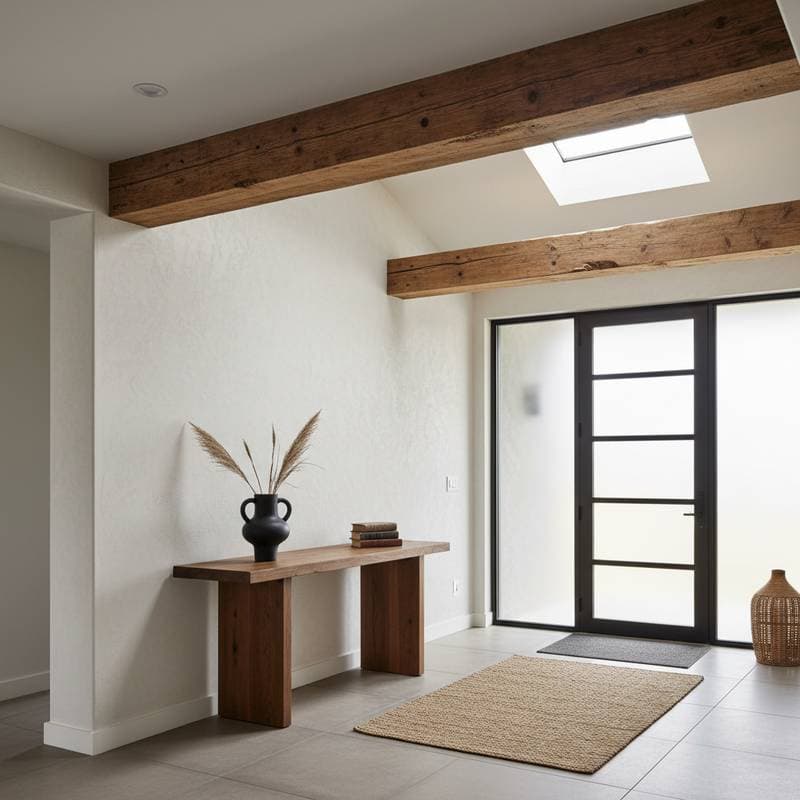
Reclaimed beams serve as the focal point in entryway designs that emphasize warmth and character. Their weathered surfaces, natural grain patterns, and inherent authenticity provide a level of personality that fresh materials seldom achieve. Homeowners seeking to infuse modern spaces with depth discover in these beams a compelling narrative that elevates the initial view of a residence.
Three Strategies to Achieve This Aesthetic
Budget Strategy ($2,000 - $3,000)
- Select reclaimed softwoods such as pine or fir sourced from dismantled barns or regional salvage operations.
- Position one or two full-length beams as a prominent element overhead above the entry door or as flanking supports.
- Minimize installation expenses through straightforward designs that prioritize sanding and sealing over complex milling or sculpting.
Mid-Range Strategy ($3,500 - $5,000)
- Blend reclaimed oak or chestnut with contemporary clear-coated wood accents to merge rustic elements with modern lines.
- Incorporate a matching reclaimed beam as a mantelpiece or interior lintel to maintain visual cohesion from the exterior into the foyer.
- Allocate funds for expert surface treatments that regulate moisture levels, promoting durability while preserving the wood's distinctive texture.
Premium Strategy ($5,000 - $7,000)
- Procure exceptional reclaimed hardwoods featuring evident saw marks, developed patina, and documented origins.
- Incorporate bespoke joinery techniques, including mortise and tenon connections or ornamental corbels.
- Complement the beams with premium glass-paneled and steel-framed doors, satin-finish black hardware, and natural stone cladding to create a refined rustic ensemble that matures elegantly over time.
Guide to Materials and Finishes
- Windows: Opt for frames in dark bronze or matte black with slim profiles to highlight the wood's rough texture. Patterns with grilles or divided lights introduce a nod to historical styles.
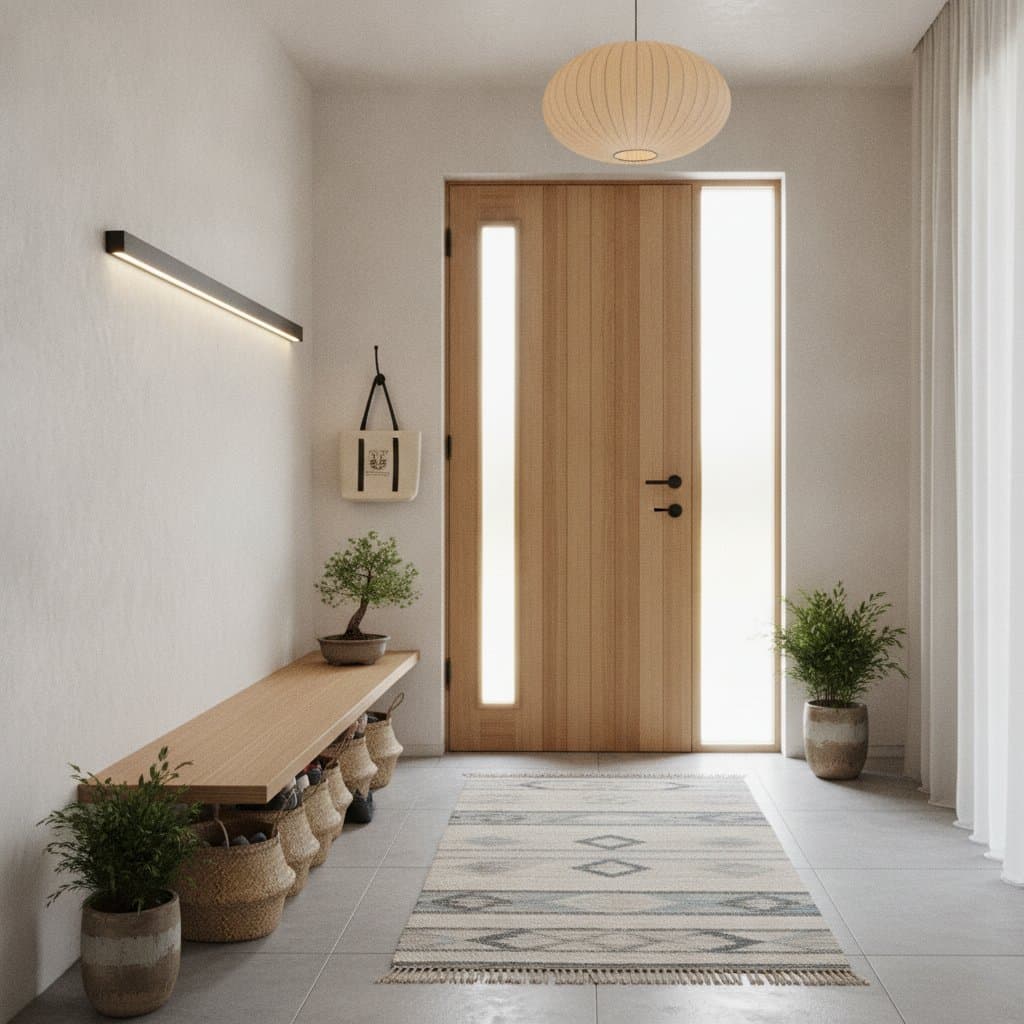
- Doors: Pair a solid wood panel door exhibiting vertical grain with the beams. Finishes like oiled walnut or distressed oak, accented by forged iron pulls, enhance the overall harmony.
- Siding: Integrate fiber cement boards mimicking wood grains for durability that echoes reclaimed surfaces. Styles such as board-and-batten or horizontal shiplap integrate seamlessly with beam-dominated facades.
- Trim and Details: Employ unadorned, square-profile trim in neutral shades like soft taupe or neutral gray. Incorporate metallic strap hinges or support brackets to amplify the artisanal quality.
Essential Maintenance Considerations
Reclaimed beams demand regular care to sustain their appeal. These pieces frequently include fissures, embedded fasteners, or irregular contours that may trap debris or absorb excess humidity without intervention. Application of a permeable matte polyurethane or natural wax coating mitigates distortion and fading. In areas with high humidity, conduct periodic checks for fungal growth or pest presence. Gentle brushing removes surface dirt, while periodic reapplication of oil preserves luster and structural soundness. For those desiring reduced maintenance, synthetic reclaimed wood overlays provide a realistic alternative requiring little effort.
Common Pitfalls to Sidestep
- Excessive Elements on the Facade: An abundance of reclaimed features risks visual clutter. Restrict beams to focal areas, such as door frames or overhang supports, to foster equilibrium.
- Neglecting Scale: A oversized beam over a modest door creates an oppressive effect. Align beam dimensions with the building's existing proportions for cohesive integration.
- Overlooking Water Resistance: Reclaimed wood readily takes in moisture. Install adequate flashing and sealants at junctions with outer walls to prevent damage.
- Underestimating Labor Costs: Beyond materials, projects often necessitate structural upgrades or specialized finishing. Reserve at least 20 percent of the total budget for qualified workmanship.
Coordinating Colors and Styles
Unity in an entryway begins with thoughtful color selection. This curated scheme supports seamless integration:
- Weathered Oak: A muted gray-brown tone with pronounced grain suits modern rustic vibes.
- Charcoal Black: Ideal for fixtures, window surrounds, and lighting to add depth.
- Warm White: Brightens the area and offsets denser wood hues from becoming somber.
- Sandy Beige: Harmonizes with patinated wood and stone for organic continuity.
- Copper Patina: Introduces subtle metallic glow that enhances reclaimed components.
Photography and Planning Essentials
Prior to material choices, capture your current setup comprehensively:
- Photograph the entryway in broad views and detailed shots from various perspectives.
- Document structural elements including roof edges, support posts, and molding profiles.
- Assess surrounding environment and potential regulatory constraints.
- Analyze exposure to environmental factors like sunlight, dampness, and thermal variations.
Integrating Elements for Lasting Impact
Reclaimed beams elevate a standard entry to embody skilled workmanship and enduring legacy. Whether aligned with streamlined metal entries or traditional cladding, they project stability and genuineness, significantly boosting exterior allure and welcoming presence.