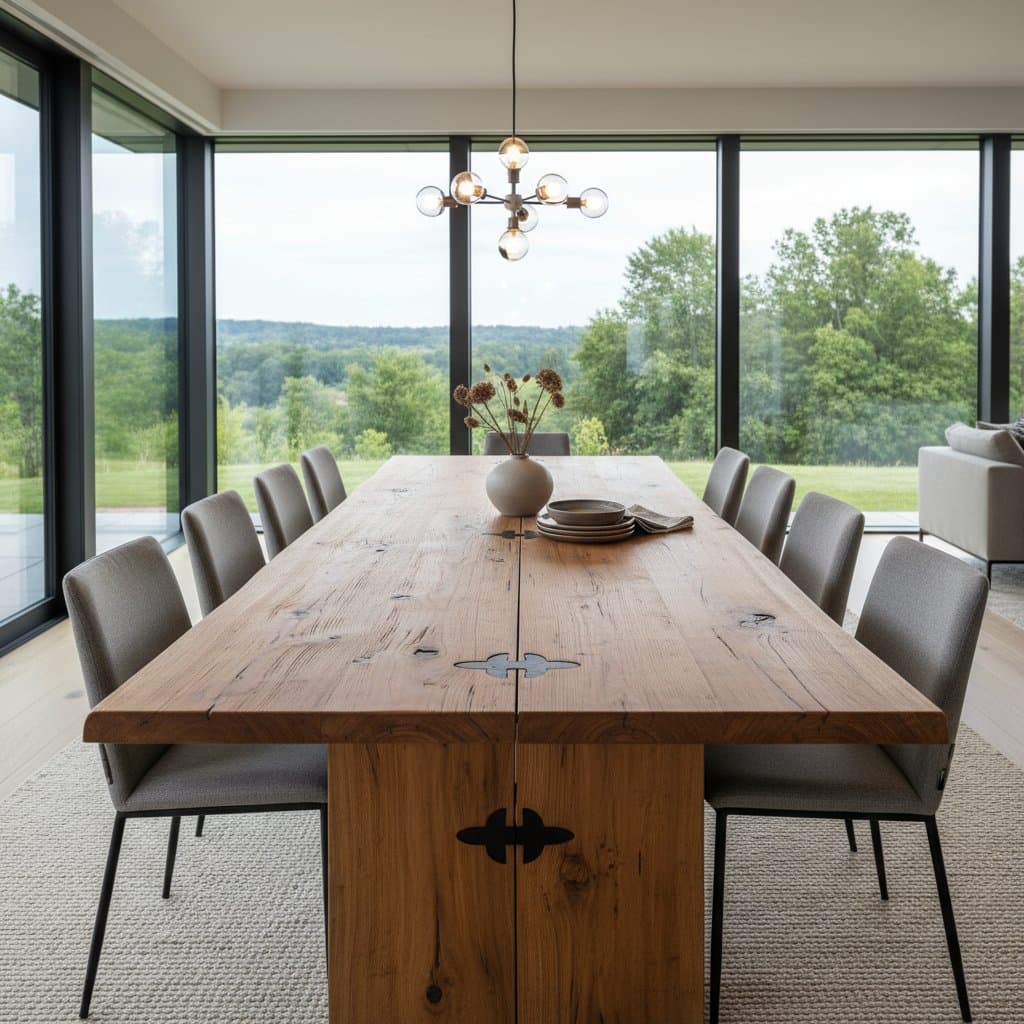
The Allure and Value of Reclaimed Barn Wood Tables
Reclaimed barn wood tables stand out in modern interiors for their unique blend of history and functionality. Crafted from timber salvaged from old structures, these tables carry the patina of time, with each board telling a story of past eras. Homeowners value them not only for aesthetic appeal but also for their environmental benefits and durability.
The high cost reflects the intricate process behind each creation. Sourcing authentic reclaimed wood demands extensive effort, as suppliers search dismantled barns across rural landscapes. This material, often over a century old, offers unmatched character that new lumber cannot replicate. Prices begin at $8,000 due to these factors, combined with skilled labor and customization options.
Factors Driving the Premium Price
Several elements contribute to the elevated cost of reclaimed barn wood tables. First, material acquisition involves significant logistics. Workers dismantle structures carefully to preserve wood integrity, transporting heavy beams to workshops. This process ensures no defects compromise the final product.
Craftsmanship plays a central role. Artisans select and mill each plank by hand, matching grains for visual harmony. Joinery techniques, such as mortise-and-tenon, provide strength without visible fasteners, enhancing the table's heirloom potential. Finishes like natural oils highlight the wood's texture while protecting against wear.
Sustainability adds intrinsic value. Reclaimed wood reduces deforestation by repurposing existing resources. Certifications for ethical sourcing further justify the price, appealing to environmentally conscious buyers. In essence, these tables embody a commitment to quality over mass production.
DIY Construction: A Hands-On Approach
For those inclined toward personal projects, building a reclaimed barn wood table offers rewarding creativity. This endeavor requires dedication and precision to achieve professional results.
Essential Tools and Preparation
Gather these tools before starting:
- Table saw for precise cuts
- Planer to smooth surfaces evenly
- Jointer for straightening edges
- Clamps to secure pieces during assembly
- Sander for refining finishes
Allocate 40 to 80 hours, depending on table size and complexity. Source wood from reputable suppliers to avoid contaminants like old paints or pesticides.
Key Steps for Success
Begin by drying the wood thoroughly in a controlled environment to prevent moisture-related issues. Treat surfaces with sealants to guard against insects and decay. Assemble the frame using durable joints, then attach the tabletop securely.
DIY builders must prioritize proper preparation. Inadequate drying leads to warping, while insufficient treatment causes splitting or failure. Test stability by applying weight gradually before full use.
Opting for Professional Construction
Many prefer entrusting the project to experts for superior outcomes. Professional builders bring years of experience to ensure flawless execution.
Cost and Benefits Breakdown
Expect costs between $5,000 and $8,000, varying by size and features.
Advantages:
- Expert craftsmanship that withstands daily use
- Guaranteed structural stability with warranties
- Custom designs tailored to specific needs
Disadvantages:
- Higher initial investment compared to DIY
Professionals handle challenges like uneven wood grains, delivering tables ideal for dining areas or statement pieces. Live-edge designs, in particular, benefit from their specialized skills, resulting in pieces that enhance any space.
Exploring Customization Options
Tailoring a table elevates its personal significance. Consider these aspects during the design phase.
- Dimensions: Measure your space to ensure a perfect fit, such as 72 by 42 inches for standard dining.
- Base materials: Choose steel for modern contrast, iron for industrial vibe, or reclaimed beams for cohesion.
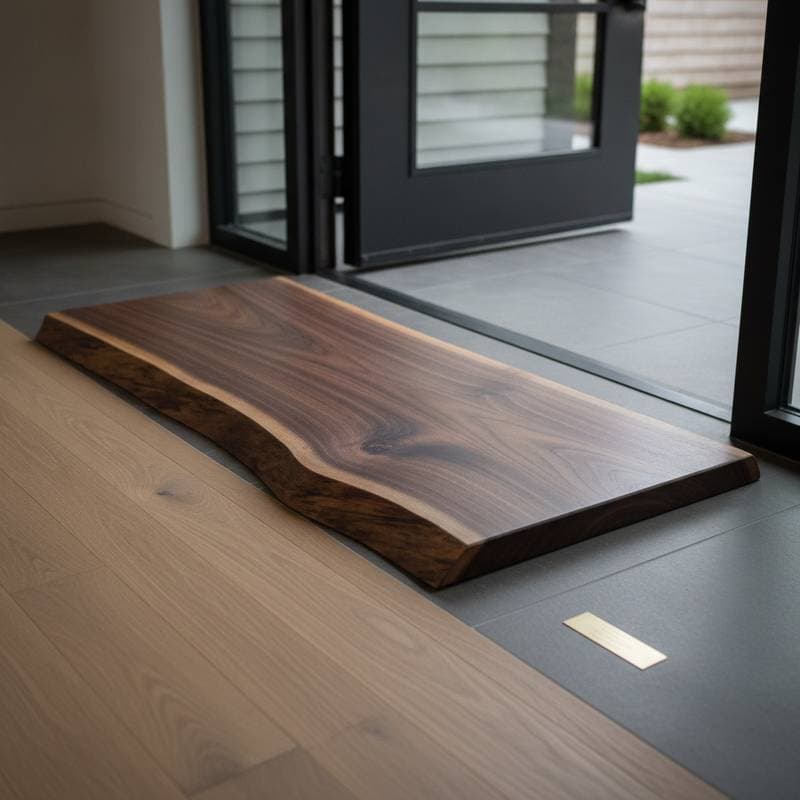
- Edge profiles: Select straight edges for clean lines or live edges to preserve natural contours.
- Finish types: Apply matte oil for subtle sheen, satin varnish for added protection, or wax seal for easy maintenance.
Custom orders typically require 6 to 10 weeks, influenced by design intricacy and workshop capacity. This timeline allows for meticulous detailing, yielding a unique item that aligns with your vision.
Care Strategies for Longevity
Preserve your table's beauty through routine upkeep. Dust surfaces weekly with a soft cloth to remove particles that could scratch the finish.
Conduct seasonal inspections for signs of dryness, such as cracks, or loose joints that need tightening. Reapply oil or wax annually to maintain moisture balance and prevent fading.
Proper care ensures the table ages with grace, retaining its historical charm. Families often inherit these pieces, passing down not just furniture but stories embedded in the wood.
Investing in Timeless Rustic Elegance
Reclaimed barn wood tables transcend ordinary furniture. They integrate sustainability, artistry, and practicality into one enduring form. For those who appreciate authentic design, this investment delivers lasting satisfaction and elevates living spaces with genuine character.