Reclaimed Barn Doors Reach $8,000: The Rise of Rustic Luxury
Reclaimed barn doors, once fixtures in rural farmhouses, now appeal to affluent homeowners seeking distinctive interior elements. Prices for these handcrafted pieces climb as high as $8,000, transforming symbols of simplicity into emblems of sophistication and ecological responsibility. This evolution stems from heightened regard for artisanal work and materials imbued with historical depth, sustainability, and genuine character.
The Unique Appeal of Reclaimed Barn Doors
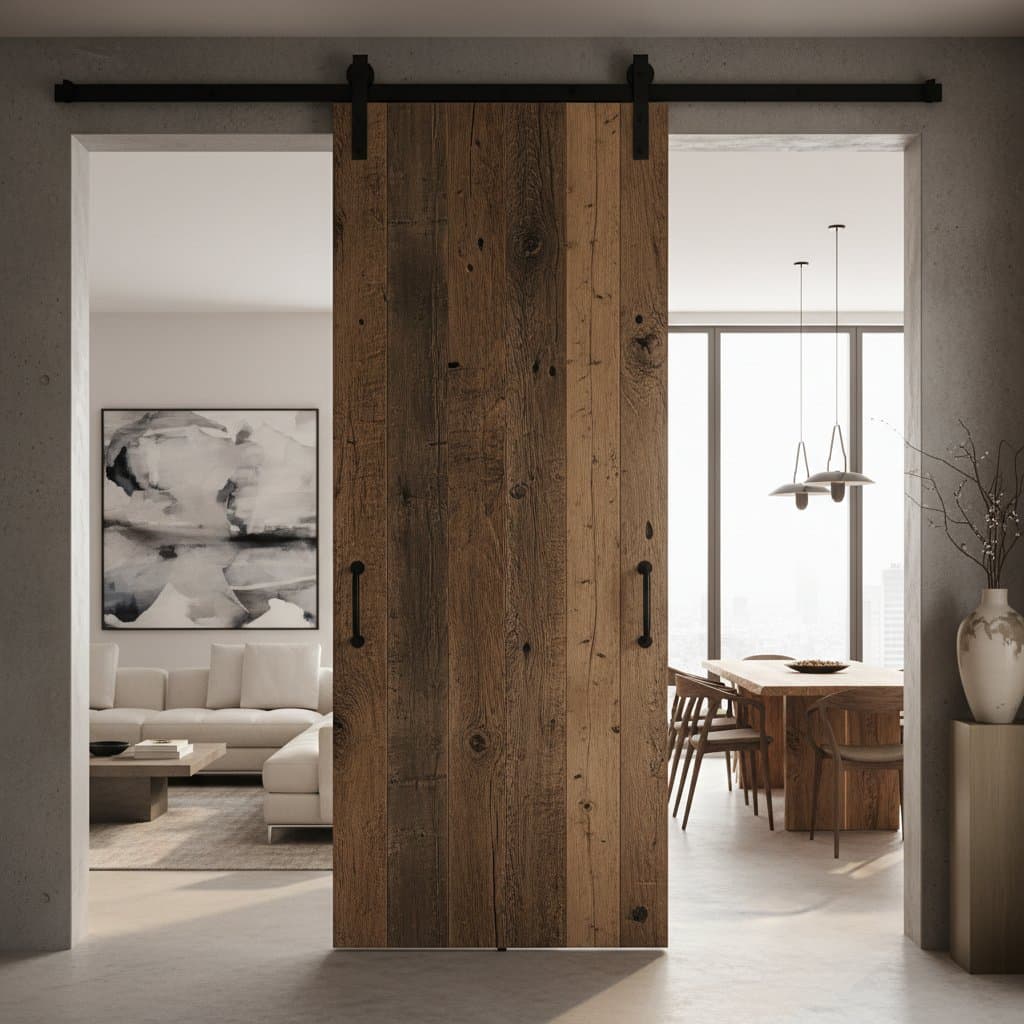
Reclaimed barn doors emerge from timber salvaged from aged barns, mills, or industrial sites. Every panel bears traces of its past, such as nail remnants, tool marks, and time-worn surfaces. Homeowners value these characteristics not as defects, but as narratives etched into the wood.
Affluent buyers prize the scarcity and veracity of these materials. Limited availability of authentic reclaimed lumber fuels market interest. Interior designers leverage these doors to infuse contemporary spaces with organic warmth and tactile interest, creating seamless transitions between modern minimalism and elemental authenticity.
Factors Driving the High Cost of Materials
Pricing hinges on the wood species and its condition. Varieties like oak, pine, chestnut, and maple each provide unique grains and strengths. Dense hardwoods, including oak and walnut, justify premium rates due to their resilience and visual richness. Softer options prove more economical yet demand enhanced treatments for long-term stability.
Procurement adds complexity. Workers extract timber from historic structures with care, then purify it to remove debris, insects, or residues. Procedures encompass de-nailing, surfacing, and controlled drying in kilns, all requiring expert handling and dedicated tools. These preparatory efforts elevate expenses prior to assembly.
Fabrication further impacts value. Artisans employ bespoke joinery, forged metal fittings, and superior sealants. While replicas from fresh lumber may mimic appearances superficially, authentic reclaimed doors possess irreplaceable nuances in color, texture, and patina.
Reclaimed Versus Alternative Wood Doors
| Option | Initial Cost | Lifespan | Maintenance | Best For |
|---|---|---|---|---|
| Reclaimed Barn Door | $2,000 to $8,000 | 50+ years | Occasional resealing; cleaning with natural oils | High-end interiors; eco-conscious homeowners |
| New Solid Wood Door | $800 to $3,000 | 30 to 40 years | Periodic refinishing or repainting | Custom builds and renovations |
| Engineered Wood Door | $300 to $1,500 | 20 to 30 years | Minimal maintenance | Budget-friendly projects; modern homes |
Although fresh solid or composite wood doors can approximate stylistic effects, reclaimed versions deliver unparalleled singularity. Formed by years of environmental exposure, no two pieces match exactly. Owners bear the duty of correct fitting and upkeep to safeguard this distinctiveness.
Steps in Crafting a Reclaimed Barn Door
Artisans follow a meticulous sequence to produce these doors, ensuring both heritage preservation and practical utility.
-
Planning and Assessment
Examine each board for fissures, infestations, and hydration levels. Sketch the layout to optimize material use and align with client specifications. -
Preparation
Remove nails and cleanse surfaces gently to retain aged finishes. Apply kiln drying to stabilize moisture, averting distortions over time. -
Assembly
Precision-cut panels and secure them with time-honored techniques like mortise-and-tenon joints, eschewing synthetic glues. Integrate custom-forged components such as tracks and pulls to enhance the vintage aesthetic. -
Inspection
Verify seamless gliding, robustness, and uniform treatment. Balance preservation of original allure with reliable performance. -
Finishing and Care
Post-installation, apply oils or sealants based on ambient conditions. Monitor alignment and lubricate mechanisms quarterly for sustained operation.
Reasons for Escalating Luxury Pricing
Several dynamics propel reclaimed barn doors into the luxury realm. Authentic sources dwindle as demolishable structures vanish, constricting supply. Concurrently, preferences for eco-friendly, narrative-driven elements surge among consumers. Labor expenses rise alongside the expertise needed for sourcing and fabrication.
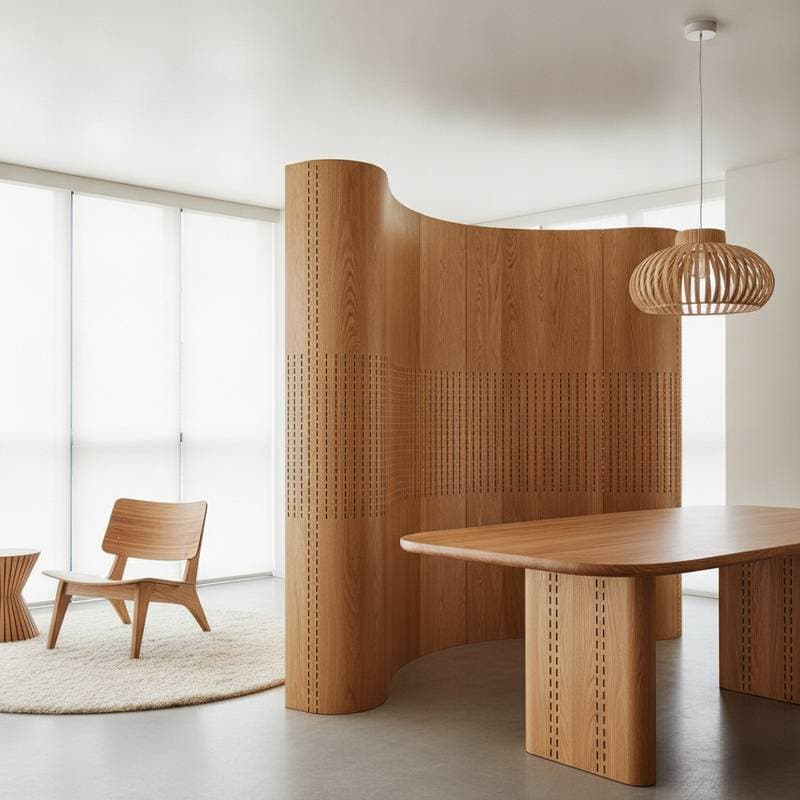
Current design paradigms amplify this trend. Upscale residences blend crisp geometries with organic accents. These doors anchor such compositions, injecting vitality into austere environments and defining zones in expansive floor plans.
Weighing Investment Against Practicality
Allocating thousands to an interior portal may appear indulgent, yet purchasers regard it as a commitment to enduring quality and creativity. With diligent maintenance, a superior reclaimed door endures generations, elevating the residence's emotional and visual essence.
Prospective owners should align choices with individual needs. For those prioritizing ethics and affluence, authentic reclamation yields profound satisfaction. Budget-limited individuals might opt for freshly milled wood with simulated aging, capturing comparable depth economically.
Enhancing Daily Living Through Design
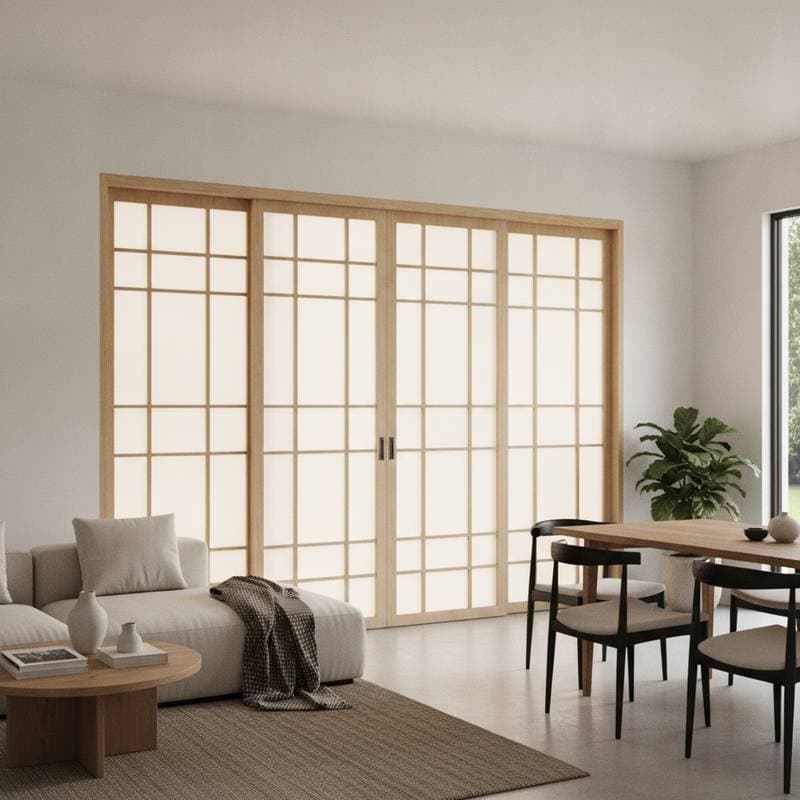
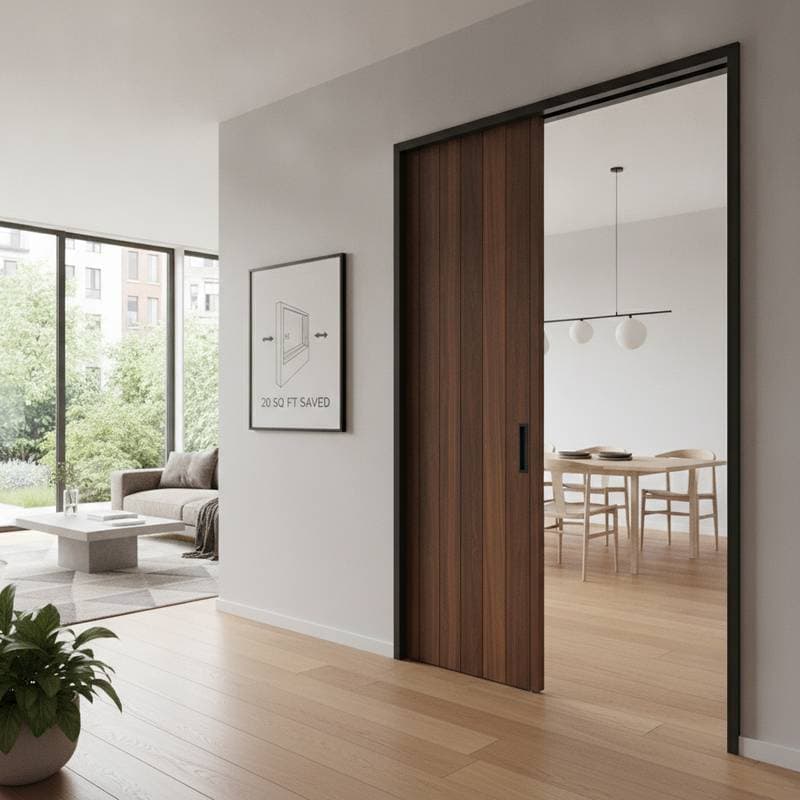
Reclaimed barn doors extend beyond mechanics to shape ambiance and utility. Sliding configurations optimize space, facilitating adaptable partitions in fluid interiors where seclusion yields to connectivity.
These elements foster sensory engagement. Rough-hewn grains offset sleek furnishings, promoting tranquility and genuineness. In expansive dwellings, coordinating with raw ceilings or earthen floors harmonizes the palette.
For households, robustness matters. Seasoned timber withstands impacts superior to nascent alternatives, suiting active zones like culinary spaces, workspaces, or communal areas.
Sustainability Benefits of Reclamation
Opting for reclaimed barn doors advances environmental stewardship. Repurposing timber diverts it from landfills and curtails harvesting pressures on forests. This practice diminishes emissions tied to logging and milling.
Eco-minded residents select these items for their moral weight alongside aesthetics. Such choices endorse circular economies and revitalize obsolete edifices. Integrated with efficient systems and ethical procurement, the gains compound significantly.
Avoiding Frequent Challenges
Rising demand spawns counterfeits and variable standards. Items marketed as reclaimed sometimes incorporate virgin wood artificially weathered. Request provenance records or origin certificates from sellers to confirm legitimacy.
Installation errors pose hazards. Barn-style sliders demand exact calibration for fluid motion. Faulty setups lead to binding or accelerated deterioration. Engage certified installers for substantial panels, and verify wall reinforcements for load-bearing.
Coating decisions affect longevity. Organic oils safeguard textures yet necessitate periodic renewal. Durable varnishes repel dampness but impart sheen. Weigh these aspects to sustain form and function.
Key Considerations for Selection
Narrow options by evaluating these elements:
- Architectural Harmony: Align the door's patina with your dwelling's motif. Weathered tones complement subdued schemes, forging dynamic interplay.
- Spatial Requirements: Gauge openings and pathways to accommodate rail spans and operational arcs.
- Upkeep Readiness: Assess tolerance for routine care. Genuine pieces invite more involvement than fabricated counterparts.
- Financial Approach: Weigh full artisanal builds against hybrids featuring reclaimed veneers.
- Vendor Integrity: Prioritize providers offering sourcing transparency and verified reviews.
Tailor decisions to your environment for optimal results.
Installation Essentials for Longevity
Prior to fitting, reinforce the lintel to bear the assembly's mass. Secure a ledger board if needed for added surety. After mounting, cycle the door repeatedly to affirm equilibrium and unobstructed paths. Incorporate damping features to mute closures and prolong fittings.
Realizing Timeless Value in Your Home
Integrating a reclaimed barn door elevates interiors with narrative depth and sustainable elegance. This choice not only enhances visual appeal but also aligns with enduring lifestyle priorities, delivering lasting satisfaction through craftsmanship and conscience.