The Mortise and Tenon Method That Doubles Cabinet Value
The mortise and tenon joint remains one of the most respected woodworking techniques for both furniture and architectural millwork. Its timeless strength, clean geometry, and authentic craftsmanship have made it a favorite among skilled makers for centuries. When applied to cabinetry, this method does more than create stability. It enhances the perceived and actual value of cabinets by blending traditional craftsmanship with modern precision. Homeowners who understand this method often find that it distinguishes ordinary cabinetry from heirloom-quality installations.
Why the Mortise and Tenon Joint Matters
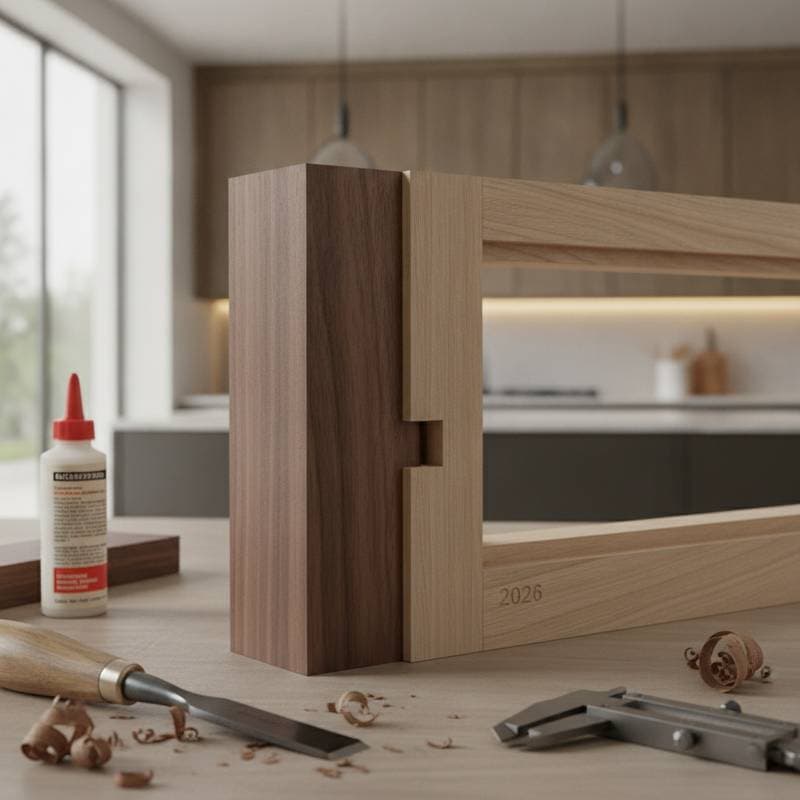
A mortise-and-tenon joint is a connection where a projecting tenon fits tightly into a corresponding mortise cut into another piece of wood. The fit is snug, the structure is strong, and the visual effect communicates fine craftsmanship. Unlike screws or brackets, this joint becomes part of the wood itself, relying on geometry and compression rather than metal fasteners. The result is a timeless connection that resists movement, supports heavy loads, and ages gracefully.
In cabinetry, this method translates into doors and frames that remain square, joints that do not loosen over time, and finishes that maintain clean lines even after years of use. It is a method that appeals to those who value both beauty and endurance.
Three Ways to Get This Look
Save Approach ($X,XXX - $X,XXX)
- Materials: Use solid hardwood face frames combined with engineered wood panels. This limits cost while still showcasing authentic joinery at visible points such as door rails and stiles.
- Technique: Opt for faux mortise-and-tenon construction. The appearance of the joint can be achieved by using dowels or biscuits in combination with glued seams. This method mimics the traditional design while reducing fabrication time.
- Where to Splurge: Invest in visible corners and door frames. Even when other parts of the cabinet use simpler joinery, the visible mortise-and-tenon details at the door frame elevate the perceived quality.
Mid-Range Approach ($X,XXX - $X,XXX)
- Materials: Choose solid maple, cherry, or oak for all face frames and cabinet doors. Use veneered plywood for sides and backs to balance strength with cost efficiency.
- Technique: Incorporate true mortise-and-tenon joints on cabinet doors and central frame structures. This provides structural integrity where it matters most.
- Investments: Upgrade to hand-fitted tenons with slight shoulders to ensure a crisp fit. Use wood glue with long open time for precise assembly. Add concealed hinges that protect the joinery from stress during repeated use.
Invest Approach ($X,XXX - $X,XXX)
- Materials: Commit to full solid-wood construction using species like walnut, white oak, or mahogany. Use traditional quarter-sawn cuts for dimensional stability and refined grain patterns.
- Technique: Employ hand-cut mortise-and-tenon joints throughout the cabinet, including internal framing. Add pegged joints for extra durability and a signature artisan touch.
- Long-Term Value: These cabinets can last for generations. The craftsmanship becomes a design statement that supports long-term property value and aesthetic appeal.
Material and Finish Guide
- Cabinet Frames: Solid hardwood remains the best choice. Oak offers visible grain and durability, maple provides a smooth contemporary finish, and walnut adds deep color and refinement.
- Doors: Choose rail-and-stile construction with mortise-and-tenon joints at each corner. This design resists warping and maintains alignment over time.
- Panels: Use floating panels that allow for seasonal movement. Veneered panels work well for cost control while maintaining a high-end look.
- Hardware: Select understated hinges and pulls in brushed nickel or antique bronze. Hardware should support the joinery rather than overpower it.
- Finish Options: Clear, natural finishes highlight the craftsmanship. For a more modern feel, opt for matte stains in charcoal, sand, or soft white. Hand-rubbed oil finishes bring out the grain while remaining easy to maintain.
Coordinated Palette
- Warm Walnut and Bronze: Deep brown tones with soft metallic hardware for traditional luxury.
- Soft Maple and Pewter: Light wood with cool gray accents for modern simplicity.
- Natural Oak and Black Iron: Rustic yet refined with visible texture.
- Painted Linen and Brass: Classic combination for bright transitional interiors.
- Charcoal Ash and Chrome: Industrial edge with contemporary polish.
Maintenance Reality Check
Mortise-and-tenon cabinetry is durable but not maintenance-free. The joint itself rarely fails, yet wood movement can still influence appearance. Keep humidity levels moderate to prevent expansion and contraction that may stress the joint lines. Periodically inspect finishes for cracks that allow moisture intrusion. A light sanding and reapplication of finish every few years keeps surfaces protected.
For painted finishes, touch-ups can be done with matched paint using a small brush. For natural wood, an occasional coat of wax or oil refreshes the surface and maintains depth of color. Avoid harsh cleaners that can weaken adhesive bonds or dry out the wood. When properly cared for, these cabinets will age gracefully and develop a patina that adds to their charm.
Avoid These Mistakes
- Ignoring Wood Movement: Tight-fitting joints without allowance for seasonal change can cause splitting. Always leave space for expansion in floating panels.
- Overcomplicating Design: Too many visible joints can make cabinetry appear busy. Use mortise-and-tenon selectively for visual rhythm.
- Budget Misalignment: Investing heavily in hidden joinery while neglecting visible surfaces can waste resources. Focus craftsmanship where it will be seen.
- Skipping Finish Prep: Poor surface preparation before staining can highlight glue marks around joints. Sand carefully and clean all residues before finishing.
- Mixing Species Improperly: Combining woods with different expansion rates can create tension at joints. Choose compatible materials within similar moisture movement ranges.
Craftsmanship and Value Connection
Cabinets built with mortise-and-tenon joints command higher resale and aesthetic value because they express integrity. Buyers recognize the difference between glued butt joints and traditional joinery. The tactile quality, smooth transitions, and visual balance of these joints signal skilled workmanship.
From a structural perspective, these cabinets handle daily use gracefully. Doors hang straight, drawers align perfectly, and frames do not twist. Over the years, the precision of the joinery prevents sagging and maintains consistent performance. This durability translates directly into long-term savings since replacement or repair needs are minimal.
Integrating Joinery into Modern Styles
Mortise-and-tenon construction is not limited to traditional looks. It adapts beautifully to modern and transitional designs. For minimalist kitchens, the joint can be hidden behind seamless panels, allowing the craftsmanship to perform structurally without visual interruption. In rustic or farmhouse settings, visible pegged tenons emphasize authenticity and handwork.
Pair traditional joinery with contemporary finishes for a balanced aesthetic. For instance, a natural oak cabinet with exposed joinery can look striking beside sleek quartz countertops. Similarly, painted maple cabinets with concealed joints can achieve a refined, architectural simplicity.
The Role of Precision Tools
While the earliest mortise-and-tenon joints were cut by hand, modern tools enhance both accuracy and efficiency. Mortising machines, tenon jigs, and CNC routers allow woodworkers to produce repeatable results while maintaining a handcrafted feel. The key remains the same: tight fit, clean shoulders, and grain alignment.
For those building cabinets themselves, test each joint before gluing. A tenon that slides smoothly into its mortise with light resistance is ideal. Avoid gaps, since even small misalignments can weaken the bond. Once assembled, clamp evenly across the frame to distribute pressure.
Planning Your Cabinet Upgrade
Before commissioning or building mortise-and-tenon cabinetry, homeowners should document several key details to guide design and budget decisions.
Checklist:
- Current Kitchen or Room Photos: Capture multiple angles and lighting conditions.
- Existing Architectural Details: Note trim profiles, flooring material, and ceiling height.
- Preferred Wood Species and Finishes: Decide on tone and grain before selecting hardware.
- Usage Patterns: Identify high-traffic zones that need stronger joinery.
- Budget Range: Define investment priorities for visible craftsmanship versus hidden structure.
- Climate Considerations: Record humidity and temperature variations in your region.
- Professional or DIY Installation: Determine if you will hire a cabinetmaker or assemble prefabricated units with traditional joinery features.
Making It Personal
The mortise-and-tenon method represents more than a joinery choice. It reflects a philosophy of craftsmanship rooted in patience and precision. Cabinets built this way hold emotional and material value because they express care at every corner. Homeowners seeking lasting beauty gain both aesthetic satisfaction and performance longevity.
When the joinery is honest and the materials are chosen carefully, cabinets become more than storage. They become part of the home’s architectural story. Whether you prefer the rustic charm of pegged oak or the quiet refinement of painted maple, the mortise-and-tenon joint ensures that your investment endures gracefully. By respecting this time-tested technique, you create cabinetry that feels solid, looks refined, and truly doubles its value in both craftsmanship and everyday enjoyment.