Japandi Shoji Doors: The 2026 Zen Home Entry Trend
Tranquility and function merge into a design movement that shapes home interiors. Japandi style blends Scandinavian simplicity with Japanese minimalism. It reaches entryways and room transitions through the rising use of Shoji doors.
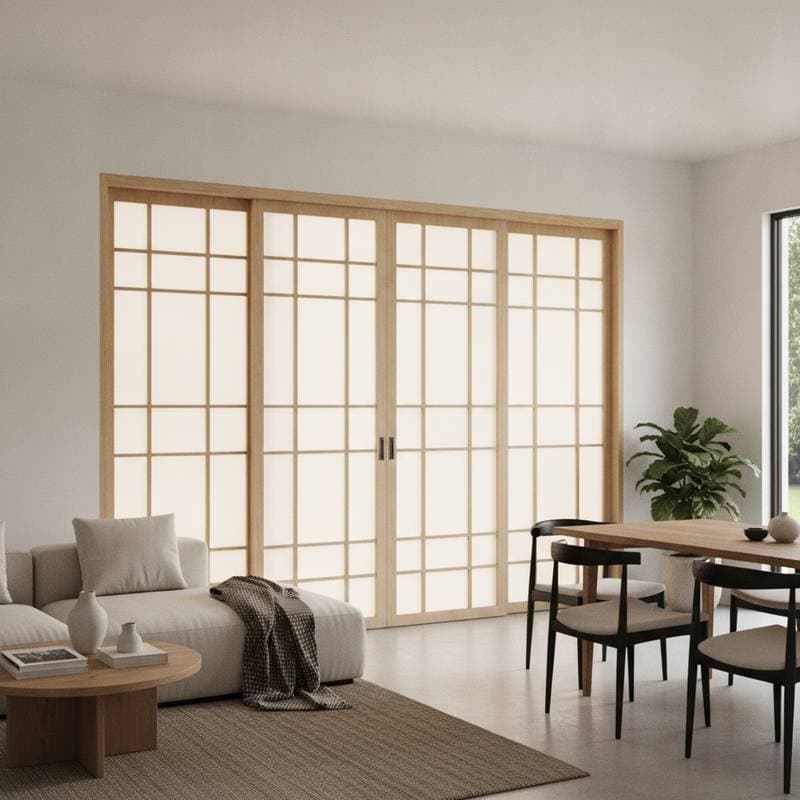
These sliding panels draw from traditional Japanese architecture. They introduce light, balance, and quiet sophistication into modern homes. Their appeal rests on craftsmanship paired with calm.
Why Japandi Shoji Doors Work
The Japandi aesthetic values balance and natural beauty from two cultures. Japanese influences contribute harmony, clean lines, and handcrafted detail. Scandinavian traditions add comfort, muted colors, and functional design.
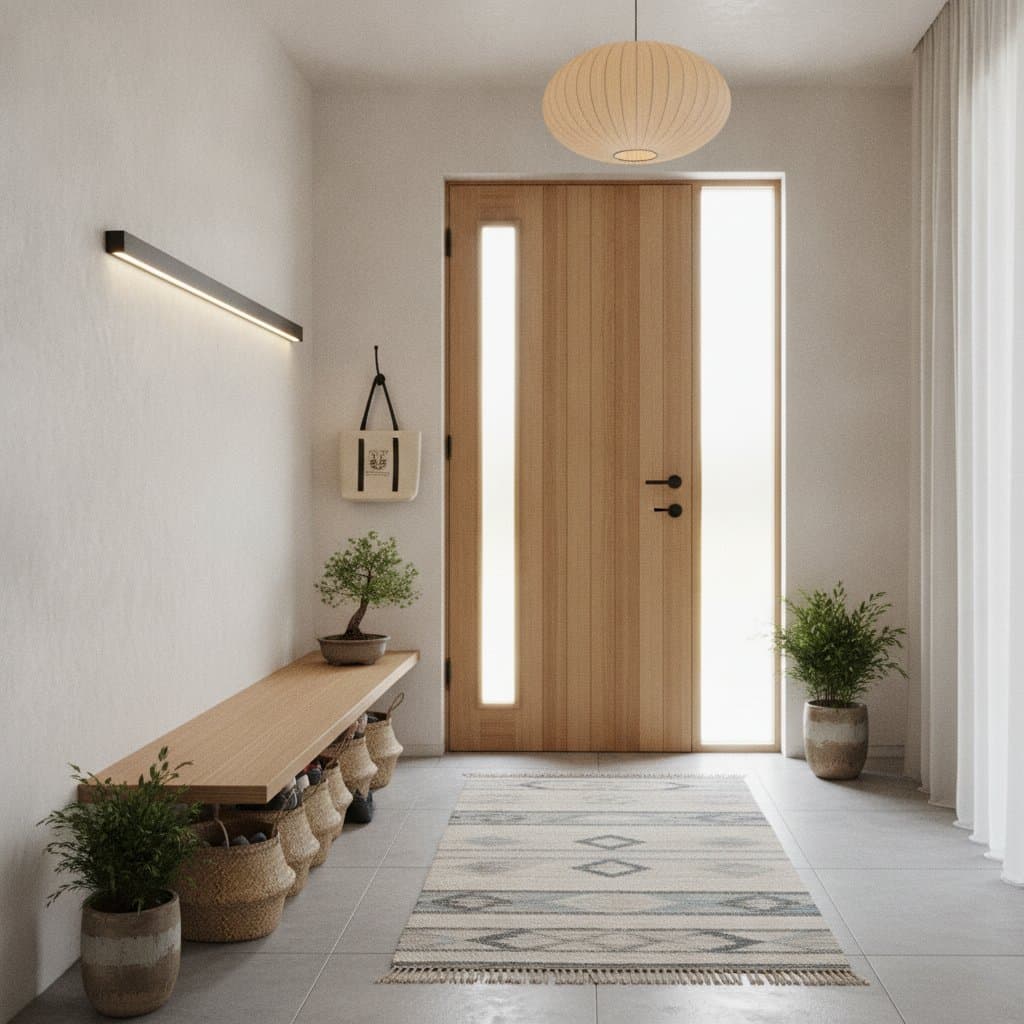
Shoji doors reflect these principles through translucent panels that diffuse light. Wood frames provide gentle structure. In open-plan spaces filled with busy textures, the doors create visual rest and improve air and light flow.
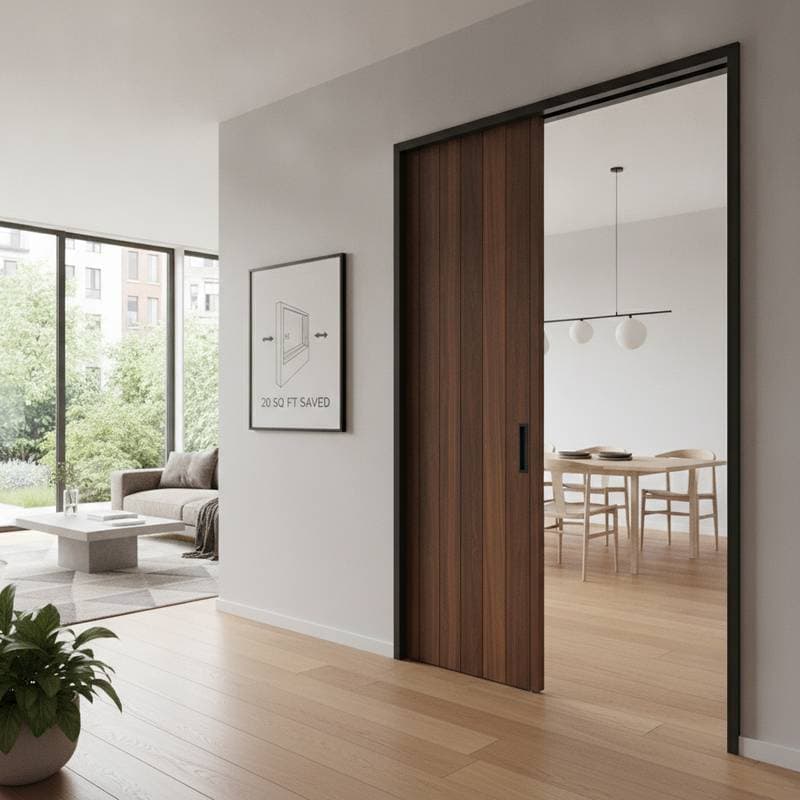
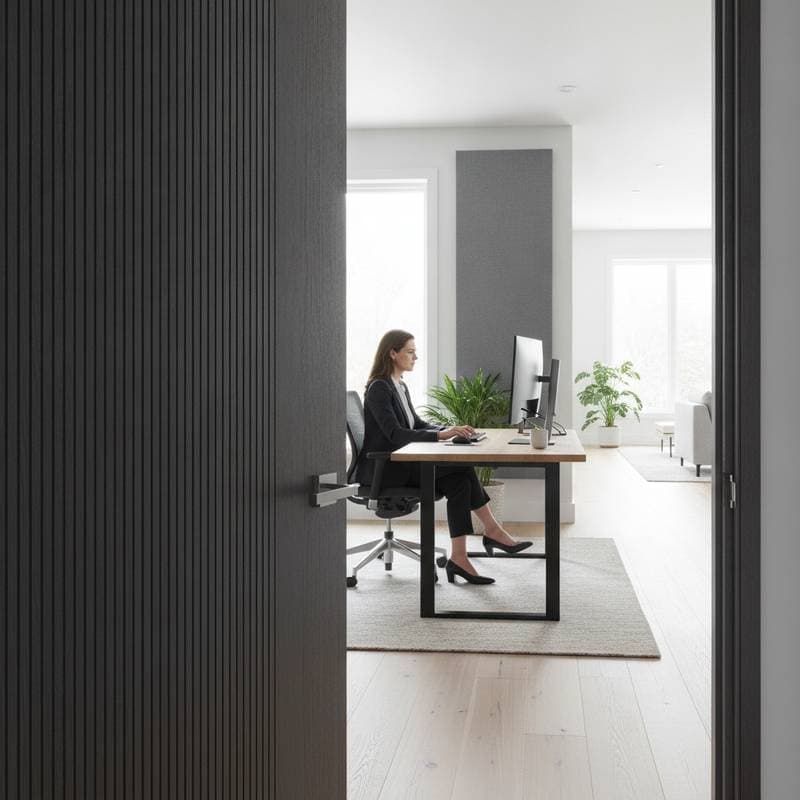
Homeowners who want a quiet, intentional look choose Shoji doors to blur room boundaries without losing privacy. The doors function as entry doors, closet enclosures, or sliding dividers. They deliver a flexible element that improves both atmosphere and practicality.
Three Ways to Get This Look
Save Approach ($800 - $2,000)
- Select engineered wood frames with acrylic or polycarbonate panels that mimic rice paper.
- Use prefabricated sliding tracks and surface-mounted systems that need minimal wall changes.
- Direct spending toward hardware quality because smooth operation matters more than elaborate joinery.
Mid-Range Approach ($2,000 - $5,000)
- Choose solid wood frames such as ash or maple paired with laminated shoji panels for durability.
- Integrate recessed sliding tracks into flooring for a cleaner look.
- Add subtle trim details around the frame to match existing wall finishes.
Invest Approach ($5,000 - $10,000)
- Commission custom-crafted Shoji doors with hand-joined oak or walnut and traditional washi paper inserts.
- Include coordinated entry sets, transom panels, or built-in lighting for architectural impact.
- Install concealed track systems and soft-close technology for seamless, long-term results.
Each tier delivers the same tranquil essence at different levels of permanence. The right choice depends on whether the doors serve as a focal element or a flexible divider.
Material and Finish Guide
Pair Shoji doors with slim-framed windows in black, bronze, or natural wood tones. Frosted or textured glass supports the diffused light effect. Narrow muntins or gridless panes preserve a serene line.
For exterior use, select Shoji-inspired doors with laminated glass instead of paper. Interior applications allow authentic washi or acrylic substitutes. Frame colors such as warm oak, driftwood gray, or natural birch coordinate with Japandi palettes.
Keep the exterior simple with vertical cedar cladding, fiber cement panels, or smooth stucco in pale stone or mushroom tones. Maintain a balance of matte and natural finishes. Use minimal trim with square edges and brushed nickel or blackened bronze handles.
Maintenance Reality Check
Modern Shoji versions prove practical despite traditional delicacy. Acrylic panels resist tearing and yellowing, which suits active households. Solid wood frames require periodic oiling or light sanding. Keep sliding track channels free of dust.
Washi paper panels need more attention and can be replaced easily yet remain vulnerable to punctures. Homeowners who prefer authenticity should plan for periodic renewal. Laminated or coated paper offers a compromise between tradition and convenience.
Avoid These Mistakes
Shoji doors perform best in simple configurations. Avoid pairing them with heavily patterned walls or ornate flooring. Position doors away from harsh direct sunlight to prevent uneven fading. In damp regions, choose engineered wood or sealed hardwood frames to prevent warping.
Budget for professional installation, track systems, and wall preparation in addition to the panels. Plan the full scope before ordering custom doors.
Color and Style Coordination
A Japandi palette thrives on muted harmony. The following combinations create a balanced, timeless feel:
- Soft Sand uses light beige siding, white oak Shoji frames, and pale gray trim.
- Charcoal and Clay pairs deep gray exterior walls with warm walnut doors and matte black hardware.
- Natural White combines off-white plaster, ash wood frames, and linen-colored washi panels.
- Mushroom and Black features taupe siding, black window frames, and honey-toned wood accents.
- Stone and Birch matches cool stone-gray walls with birch sliding doors and brushed nickel details.
Each palette keeps contrast low and texture high. Avoid high-gloss paints and bright whites that disrupt the calm tone.
Planning Photography Checklist
Document the current setting before selecting or ordering Shoji doors. Capture current exterior photographs from multiple angles. Note architectural style, existing design elements, neighborhood character, and HOA restrictions. Record climate considerations and budget parameters.
Integrating Japandi Shoji Doors Successfully
Japandi Shoji doors combine calm beauty with everyday utility. Their sliding function saves space while translucent surfaces invite light and create intimacy. A successful installation rests on proportion, material integrity, and coordination with surrounding finishes.
The goal is to interpret the spirit of traditional design in support of contemporary lifestyles. When paired with soft neutral palettes, tactile textures, and durable finishes, Shoji doors become quiet transitions between inner and outer spaces.