Barn Doors vs. Pocket Doors: A Shifting Preference in Home Design
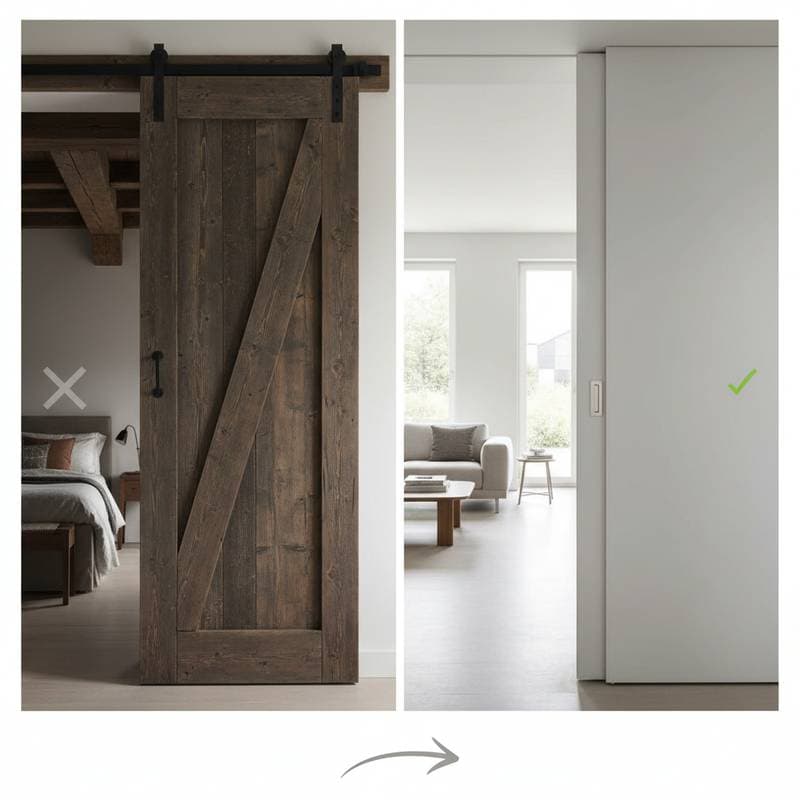
Home design evolves with the demands of modern living. Trends that once dominated interiors, such as the rustic appeal of barn doors, now face challenges from more practical alternatives. Pocket doors, with their concealed operation and seamless integration, are gaining traction as homeowners seek solutions that prioritize space efficiency and tranquility.
The Decline of Barn Doors in Everyday Use
Barn doors initially captivated designers and homeowners with their bold hardware and artisanal finishes. These features added texture to minimalist rooms and a sense of heritage to urban lofts. However, prolonged use exposes limitations that diminish their allure.
Privacy stands as a primary concern. Barn doors hang on exterior tracks, creating gaps along the edges that permit light and sound to seep through. In multi-person households or open-concept layouts, this issue disrupts quiet activities. To mitigate it, owners often add weatherstripping or panels, which alter the door's intended rustic charm.
Space utilization presents another hurdle. The door requires unobstructed wall space for sliding, restricting options for shelves, artwork, or furniture. In compact urban dwellings, this constraint proves particularly frustrating. Families navigating tight quarters frequently discover that the aesthetic trade-off outweighs the initial excitement.
Upkeep adds to the drawbacks. Dust accumulates on exposed tracks, and rollers can develop uneven wear from frequent operation. Homeowners report needing to realign hardware every few months or replace components within five years. While the visual impact endures, the ongoing demands erode long-term satisfaction.
The Resurgence of Pocket Doors
Pocket doors have persisted quietly in architectural history, overshadowed by trends favoring expansive, uninterrupted spaces. Their installation demanded precise framing, leading many to opt for simpler swing doors. Today, with a return to defined room divisions, these concealed sliders appeal to those valuing discretion and functionality.
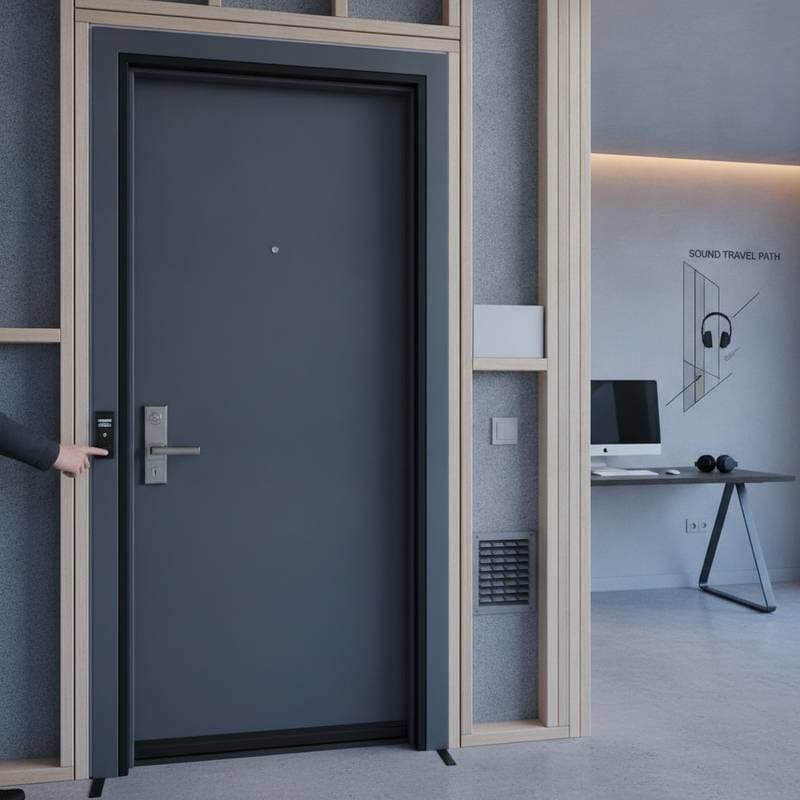
A pocket door retracts fully into a wall pocket, freeing the entire doorway for passage. This design maximizes accessibility on both sides without encroaching on floor area. Recent advancements include reinforced tracks that minimize vibration, acoustic seals for soundproofing, and soft-close hinges that prevent slamming.
These doors integrate effortlessly into diverse aesthetics. In traditional settings, they align with paneled walls; in modern ones, they offer a clean, flush surface. By receding from view, pocket doors let surrounding elements—such as lighting fixtures or millwork—emerge as focal points.
Key Differences Between Barn and Pocket Doors
Selecting between barn and pocket doors hinges on specific needs like traffic flow and room size. The following table highlights contrasts in cost, durability, and suitability to guide informed choices.
| Feature | Barn Door | Pocket Door |
|---|---|---|
| Initial Cost | Moderate (materials and basic track) | Higher (due to framing requirements) |
| Expected Lifespan | 8 to 12 years | 15 to 25 years |
| Maintenance Needs | Frequent track cleaning and roller adjustments | Occasional lubrication of internal mechanisms |
| Ideal Applications | Decorative partitions in low-traffic zones | Privacy-focused rooms like bedrooms or offices |
Pocket doors demand greater upfront investment in labor but yield superior space versatility and endurance. Barn doors install swiftly on surface-mounted systems yet falter in demanding environments where reliability matters most.
Navigating Installation for Pocket Doors
Pocket door installation exceeds the simplicity of barn door setups, necessitating structural modifications. Professionals must build a dedicated wall pocket, typically 4 to 6 inches deep, to house the door when open. This process suits new builds or renovations but requires assessment in older structures.
Consider these essential steps for successful implementation:
-
Site Assessment: Examine the wall for load-bearing status and obstructions like wiring or pipes. Consult blueprints or hire an inspector to avoid complications.
-
Demolition and Prep: Remove any existing door jambs and clear the cavity. Take precise measurements for the frame, ensuring at least 2 inches of clearance on all sides.
-
Frame and Track Assembly: Secure the metal or wooden pocket frame within the wall studs. Align the track level to guarantee even sliding; use shims for adjustments.
-
Door Integration and Testing: Hang the door panel and attach guides to prevent swinging. Operate it multiple times to check for binding, then install stops and latches.
-
Finishing Touches: Enclose the pocket with drywall, apply joint compound, and prime the surface. Add baseboards and casing that match the room's style for a polished look.
Proper execution ensures the door operates with minimal resistance. Annual checks involve wiping the track and applying silicone lubricant to preserve smooth motion.
Enhancing Daily Living with Pocket Doors
Pocket doors extend beyond utility to shape how spaces adapt to routines. They enable fluid transitions, such as dividing a home office from a living area during work hours. This versatility supports hybrid lifestyles where rooms serve multiple roles.
In constrained footprints, like studio apartments, these doors liberate valuable square footage. Hallways widen visually, and bathrooms gain breathing room without protruding hardware. For aging-in-place designs, the lack of swing radius improves navigation for mobility aids.
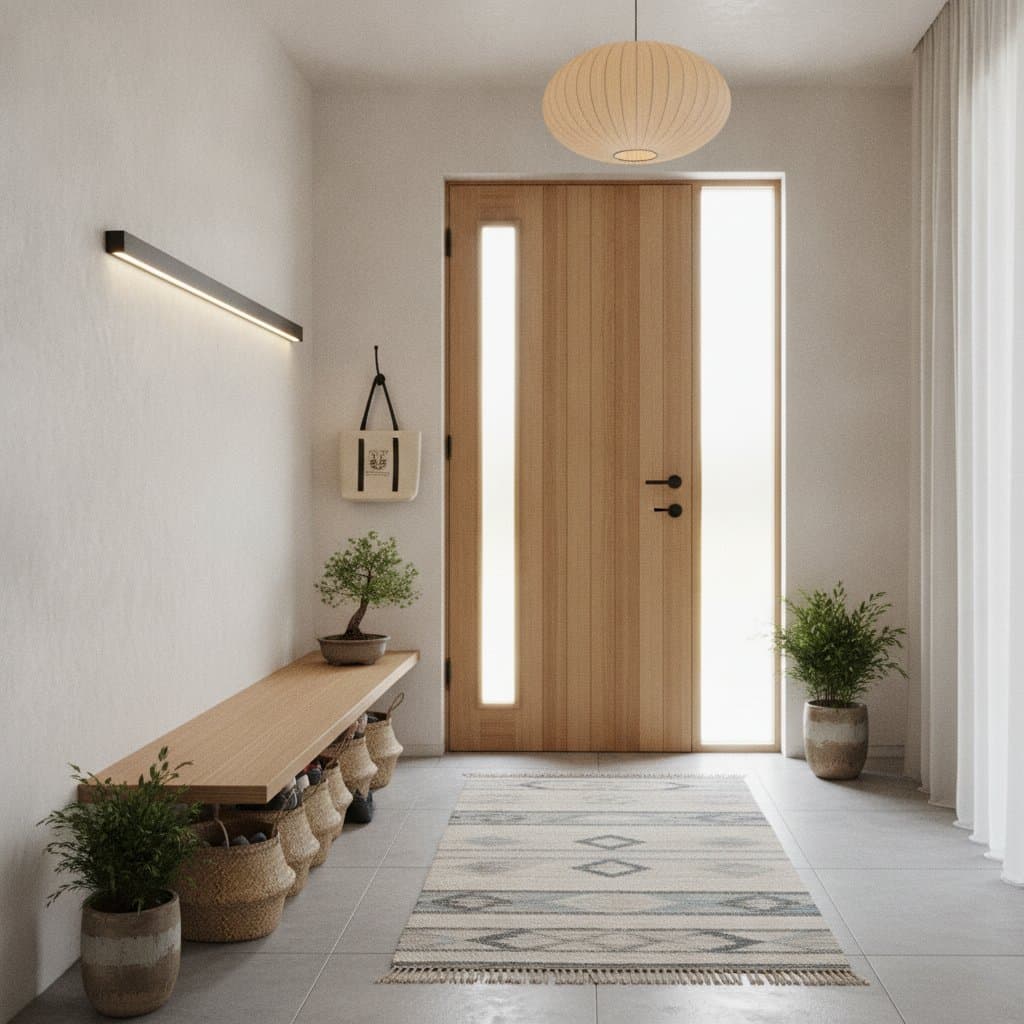
Aesthetically, options abound to personalize. Select frosted glass inserts for diffused light in entryways, or solid oak panels for a grounded feel. This adaptability allows replication of barn door warmth through grain-matched veneers, minus the operational hassles.
Prioritizing Durability and Efficiency
Longevity influences every home upgrade decision. Barn doors' external components succumb to wear from humidity or heavy use, prompting periodic overhauls. Pocket doors, shielded within walls, resist environmental factors and sustain performance across seasons.
Efficiency gains emerge in subtle ways. Pocket doors form tighter seals, curbing air leakage and supporting consistent indoor climates. This attribute aligns with eco-conscious renovations, reducing reliance on heating or cooling systems.
When evaluating options, weigh usage patterns against installation feasibility. For enduring, unobtrusive division, pocket doors deliver unmatched balance of form and function.