Why Barn Doors Are Fading: Pocket Doors Lead 2025 Trends
Barn doors captured attention in interior design with their blend of utility and visual impact. These doors introduced a rustic element that complemented minimalist or industrial settings. However, current preferences lean toward subtle, efficient options that integrate seamlessly into daily life. Pocket doors address these needs through concealed mechanisms and fluid movement, aligning with demands for streamlined aesthetics and practical performance.
The Evolving Role of Barn Doors
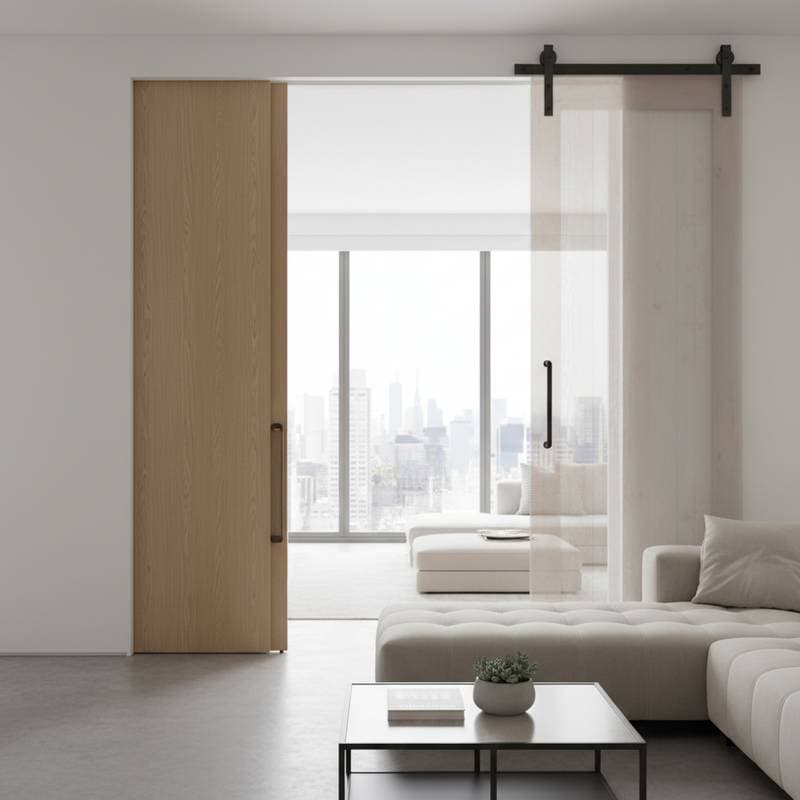
Barn doors initially appealed to those desiring texture and warmth in open interiors. Their sliding design allowed movement without the swing of traditional doors, preserving floor space. As usage patterns changed, drawbacks surfaced. Exposed tracks demand significant wall clearance, which disrupts shelving, artwork, or furniture arrangements.
Privacy concerns also arise from incomplete seals. Gaps around the edges permit sound leakage and reduce isolation between rooms. Even high-quality installations struggle to eliminate these issues fully. Homeowners increasingly seek solutions that prioritize discretion over bold statements.
Maintenance demands further influence this transition. Visible components accumulate grime easily, requiring frequent cleaning. Rollers and tracks may need adjustments to prevent sticking or noise. These factors contribute to a perception that barn doors suit specific, less demanding applications rather than versatile, everyday use.
Advantages of Pocket Doors in Contemporary Settings
Pocket doors eliminate many obstacles associated with barn doors by recessing fully into the wall. This configuration maximizes usable space on both sides of the opening. Ideal for compact areas like powder rooms, closets, or kitchens, they also enhance flow in expansive, multifunctional zones.
When retracted, the door vanishes from view, promoting an uninterrupted sightline. In the closed position, it forms a secure barrier that blocks noise and sightlines effectively. Absence of protruding hardware maintains a polished appearance across various architectural styles.
Advancements in engineering elevate pocket door reliability. Features such as gradual closing and opening prevent slams and ease operation. Concealed tracks shield components from environmental factors, promoting longevity and consistent reliability over years of use.
Functional and Aesthetic Comparisons
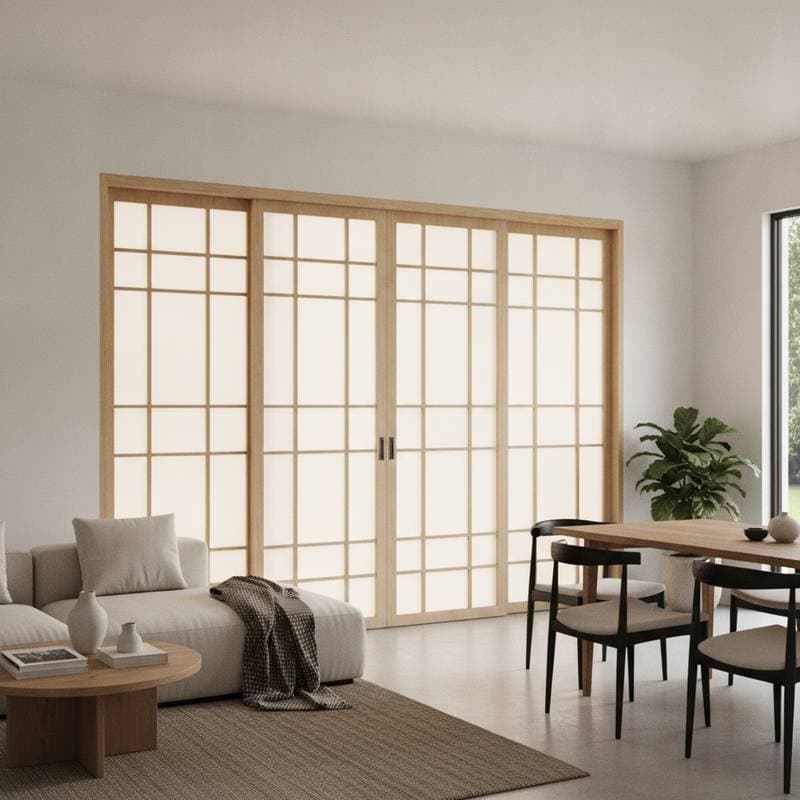
This preference for pocket doors stems from a focus on efficiency and adaptability rather than fleeting styles. They integrate with modern or classic decors through customizable finishes. Options include flush paneling that blends with walls or detailed surfaces with frosted glass for subtle accents.
Accessibility represents another key benefit. The sliding action avoids the clearance issues of hinged doors, facilitating navigation in confined areas. This design supports inclusive living, particularly for individuals using wheelchairs or walkers, and aligns with long-term home planning.
Selecting Materials and Hardware
Material selection impacts both durability and visual harmony. Solid hardwood options offer premium strength and natural grain patterns. Lighter hollow-core variants lower expenses and simplify handling during installation.
In humid environments, such as bathrooms or utility spaces, choose moisture-resistant composites to avoid distortion. These materials maintain shape and finish under varying conditions.
Hardware choices determine operational smoothness. Opt for robust tracks with precision bearings capable of supporting heavy panels through repeated cycles. Sturdy frames and alignment guides minimize sagging or deviation. Engage a skilled professional to verify structural integrity and ensure plumb installation from the outset.| Door Type| Initial Cost| Lifespan | Maintenance| Best For|
|--------------|------------------|----------|----------------------|------------------------------|
| Barn Door| Moderate| Medium| Regular track cleaning | Decorative, open-concept rooms |
| Pocket Door| Moderate to High | Long| Minimal| Compact spaces, privacy needs |
Installation Process Overview
Pocket door setup involves greater preparation than surface-mounted alternatives. Access to the wall interior allows for a dedicated sliding pocket, resulting in a refined outcome. Professional guidance ensures compliance with building codes and optimal functionality.
- Site Assessment: Evaluate wall dimensions and scan for utilities like pipes or wires that could obstruct the pocket space.
- Demolition and Framing: Carefully remove surface materials and erect a reinforced frame kit sized to the door dimensions.
- Assembly and Mounting: Install the upper track and supports, then position the door panel for balanced tracking.
- Testing and Adjustments: Verify smooth travel, alignment, and damping features before enclosing the cavity.
- Finishing Touches: Apply drywall, prime, and add trim along with recessed pulls or latches designed for flush access.
Integrating Doors into Your Home Strategy
Evaluate personal routines and room configurations when selecting door types. Barn doors retain value in scenarios calling for dramatic flair, yet pocket doors excel in promoting serene, adaptable environments. They facilitate effortless reconfiguration during life changes or updates.
For ongoing projects, pocket doors provide enduring value through their inconspicuous design and robust mechanics. This choice supports sustainable interiors that evolve with family needs, ensuring comfort and efficiency for years ahead.