Why Bronze Door Hardware Surged 300% in Designer Picks
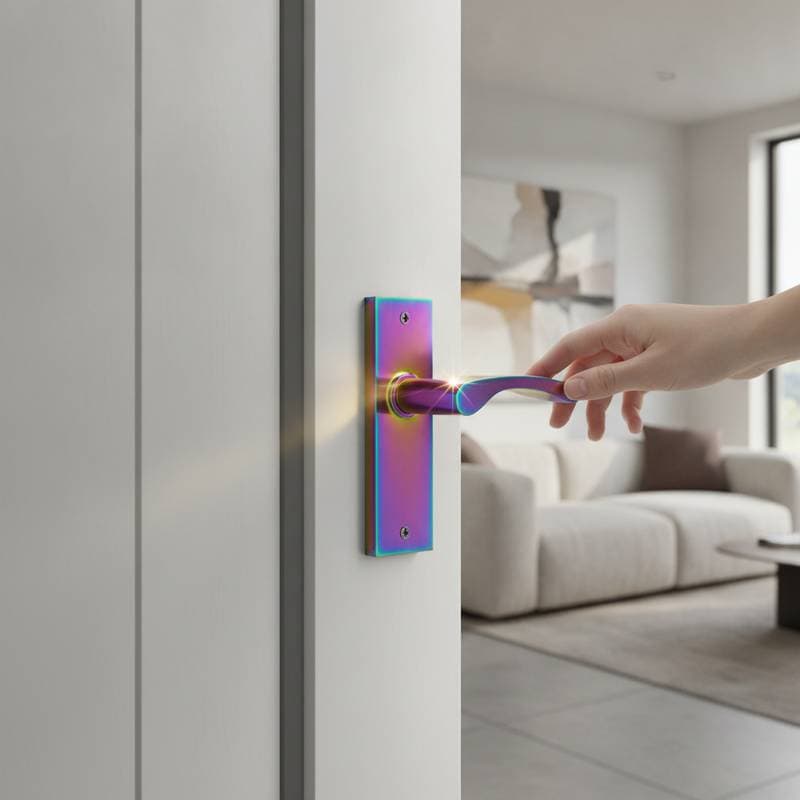
Bronze door hardware has made a striking comeback in home design circles. This material now appears in high-end renovation projects and everyday remodels. Once viewed as traditional or old-fashioned, bronze stands at the center of a design shift that values warmth, texture, and authenticity. Its inclusion in designer selections has grown severalfold, driven by evolving tastes, material innovations, and lifestyle preferences.
The Appeal of Bronze in Modern Interiors
Bronze hardware adds a distinct personality to interior doors. Homeowners and designers seek finishes that complement both contemporary and classic interiors. Bronze meets this need with flexibility. Its subtle sheen, depth of color, and natural patina create visual interest without overwhelming the design.
Unlike polished chrome or stainless steel, bronze feels grounded and tactile. This quality reflects a growing appreciation for materials that age gracefully. Exposure to air and touch gradually deepens bronze's tone, producing a lived-in appearance that feels genuine. Such evolution aligns with preferences for warm, personal, and layered interiors rather than sterile or overly coordinated spaces.
Types of Bronze Finishes and Their Characteristics
Bronze hardware varies by finish, which affects both aesthetics and maintenance. Common variations include the following:
-
Oil-Rubbed Bronze
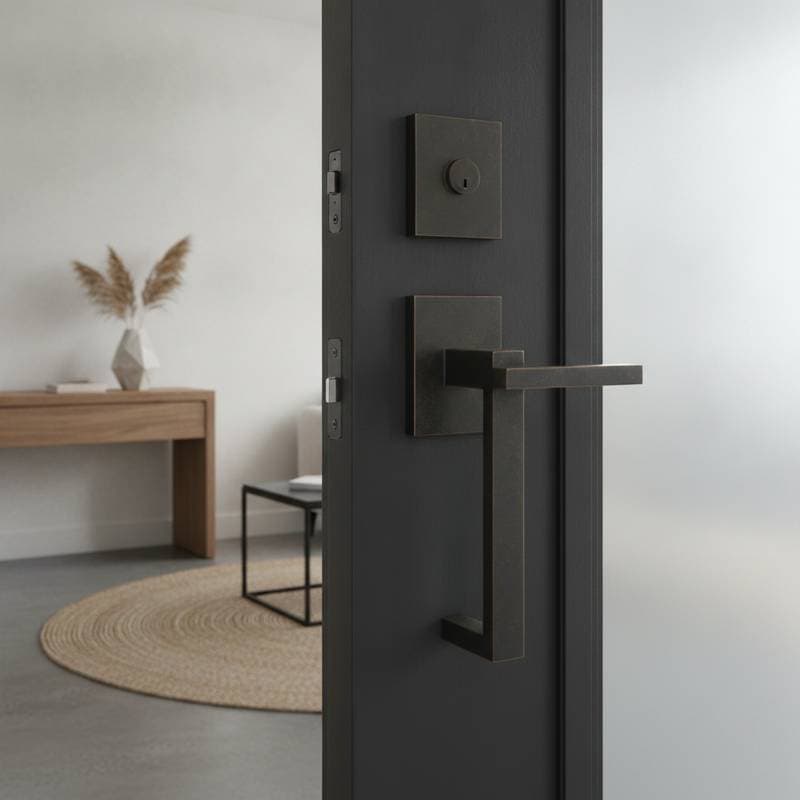
This finish provides a dark, rich surface with subtle highlights in frequently handled areas. It develops character through use and suits rustic or transitional interiors. -
Antique Bronze
Antique bronze offers a softer brown tone with golden undertones. It delivers warmth and pairs well with wood doors, stone floors, and neutral palettes. -
Aged Bronze
Slightly darker and more matte than antique bronze, this option proves popular in modern farmhouse and industrial-inspired spaces. It resists fingerprints and conceals wear effectively. -
Satin Bronze
Satin bronze features a smooth, brushed appearance for a contemporary tone. It complements minimalist door designs and modern lighting fixtures.
Each finish interacts uniquely with light and surrounding colors. Designers select these variations to adjust a room's visual temperature, balancing warm materials against cooler elements like glass or concrete.
Comparing Bronze with Other Hardware Materials
To grasp bronze hardware's surge in popularity, consider comparisons with market alternatives.
| Material | Initial Cost | Lifespan | Maintenance | Best For |
|---|---|---|---|---|
| Chrome | Low to moderate | Long | Frequent cleaning to prevent water spots | Modern minimal interiors |
| Nickel | Moderate | Long | Occasional polishing | Transitional styles |
| Brass | Moderate to high | Long | Requires polishing to prevent tarnish | Classic or vintage looks |
| Bronze | Moderate to high | Very long | Low maintenance; patina adds charm | Warm contemporary or rustic interiors |
Bronze combines durability with visual appeal. Brass provides similar warmth but requires more upkeep to maintain shine. Chrome and nickel often feel too cold for spaces focused on comfort and texture. Bronze delivers strength alongside a softer, inviting quality.
The Design Shift Toward Warm Finishes
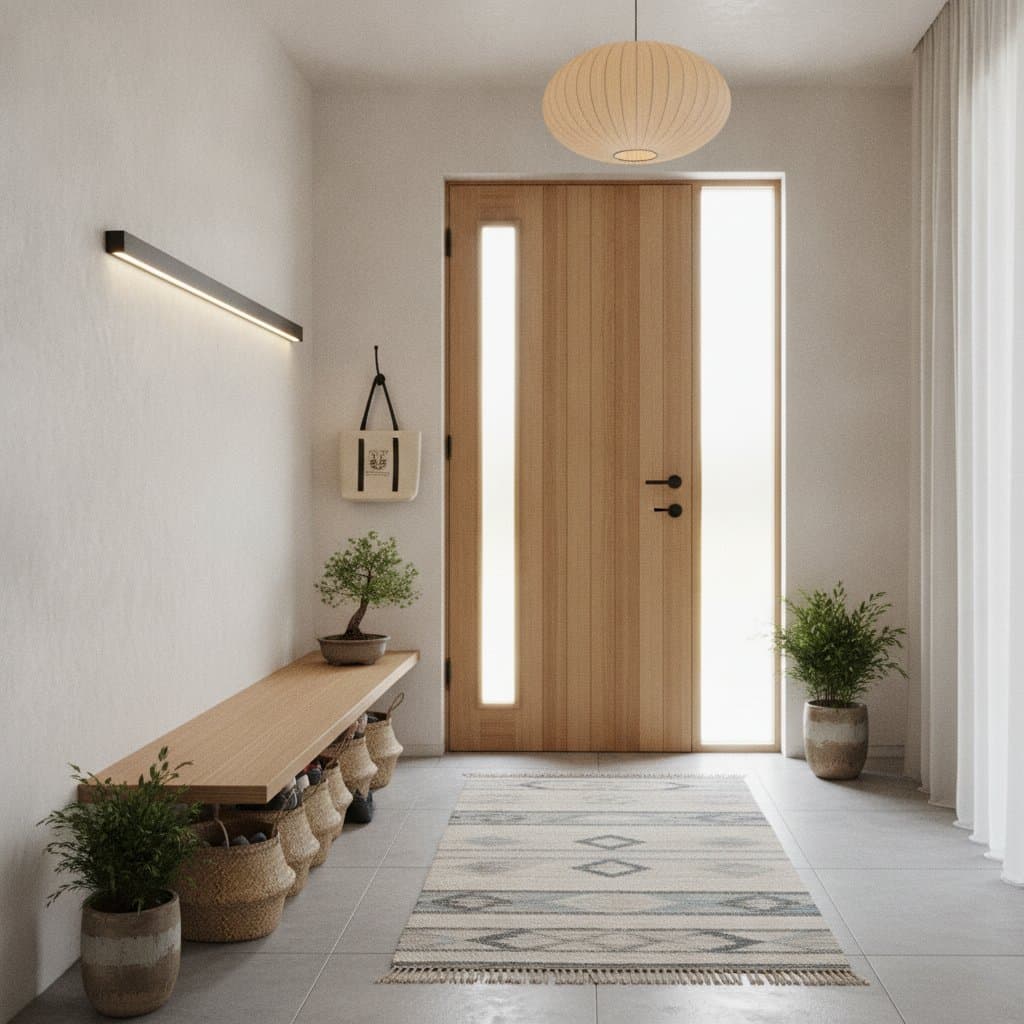
Bronze hardware's rise mirrors a broader movement toward natural, human-scaled interiors. Homeowners gravitate toward earthy tones, organic materials, and tactile finishes. Bronze integrates into this trend by offering substance and subtle luxury.
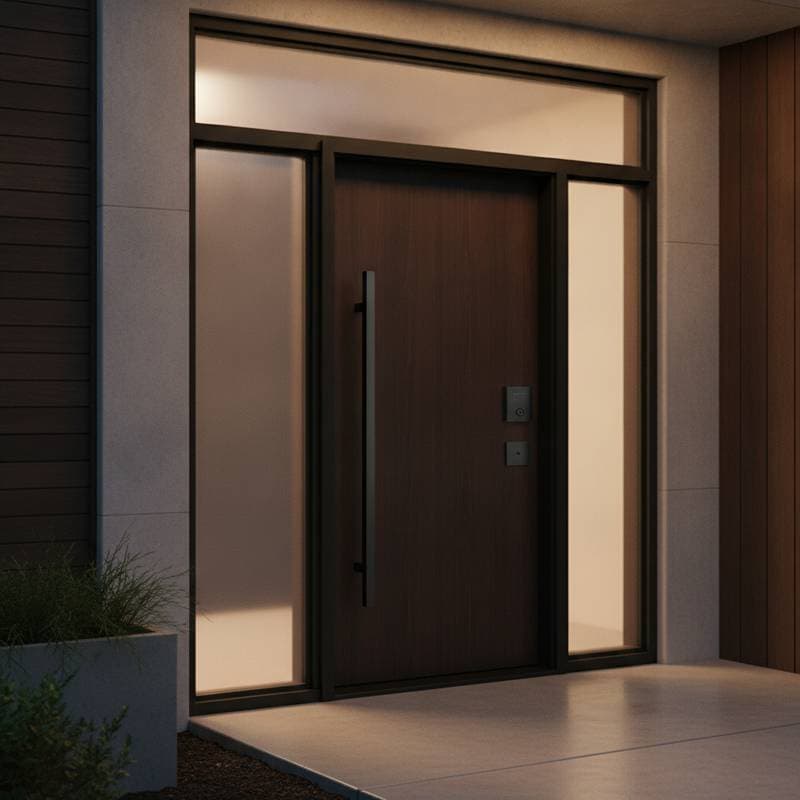
Designers note that bronze complements diverse materials, from painted shaker doors to reclaimed oak. It connects old and new elements, fitting traditional moldings or minimalist frames equally well. This versatility accounts for its rapid adoption in designer portfolios.
Lifecycle and Maintenance Considerations
Bronze hardware excels in long-term performance. It resists corrosion and needs no constant cleaning. The natural patina formed through use serves as a protective layer, eliminating the need for chemical cleaners or polishing agents.
Routine care involves dusting and wiping with a soft cloth. For a steady tone, apply light wax to slow patina development. Those who value the evolving appearance allow the finish to darken naturally.
Bronze's longevity enhances its value. Initial costs exceed those of mass-produced options, yet it lasts decades without major wear. This durability makes it a sound investment for those seeking low-maintenance finishes.
What to Expect During Selection and Installation
Selecting bronze hardware requires careful steps to achieve optimal results.
-
Planning and Evaluation
Review door types, color schemes, and lighting. Bronze tones shift under various lights, so test samples in the space. -
Preparation Steps
Match hardware sizing to door thickness and function. Ensure hinges, levers, and locksets share the same finish family for consistency. -
Main Implementation
Professional installation guarantees alignment and smooth operation. Bronze's weight demands sturdy mounting and precise screw placement. -
Quality Assurance
Check latch smoothness and finish integrity before final tightening. Minor tone variations indicate natural qualities, not defects. -
Completion and Follow-Up
Inspect under natural and artificial light post-installation. Adjust positioning to avoid shadowing or glare.
Choosing What Works Best
The ideal bronze finish aligns with the home's character and usage. In high-traffic areas like kitchens or family rooms, select oil-rubbed or aged bronze to hide fingerprints and wear. For formal or contemporary spaces, satin bronze offers refinement.
Pair bronze with matching fixtures, such as lighting or cabinet pulls, for cohesion. Budget matters, as bronze costs more initially but reduces replacements through durability. The tactile satisfaction and visual warmth often outweigh the expense.
Ensuring Design Longevity with Bronze
Bronze hardware adapts to evolving trends, maintaining neutral warmth across classic and modern aesthetics. Unlike plated finishes prone to peeling, bronze preserves integrity over time. This quality ensures doors retain their appeal for years, supporting sustained design value.