Why Barn Door Hardware Fails and Pocket Doors Return
Interior design trends shift over time, and door styles illustrate this pattern clearly. Barn doors gained popularity in modern farmhouse settings for their rustic appeal and space-saving slide. Homeowners soon noticed practical shortcomings in daily use. Pocket doors have reemerged with refined hardware that corrects those shortcomings while preserving a clean aesthetic.
Limitations of Barn Door Systems
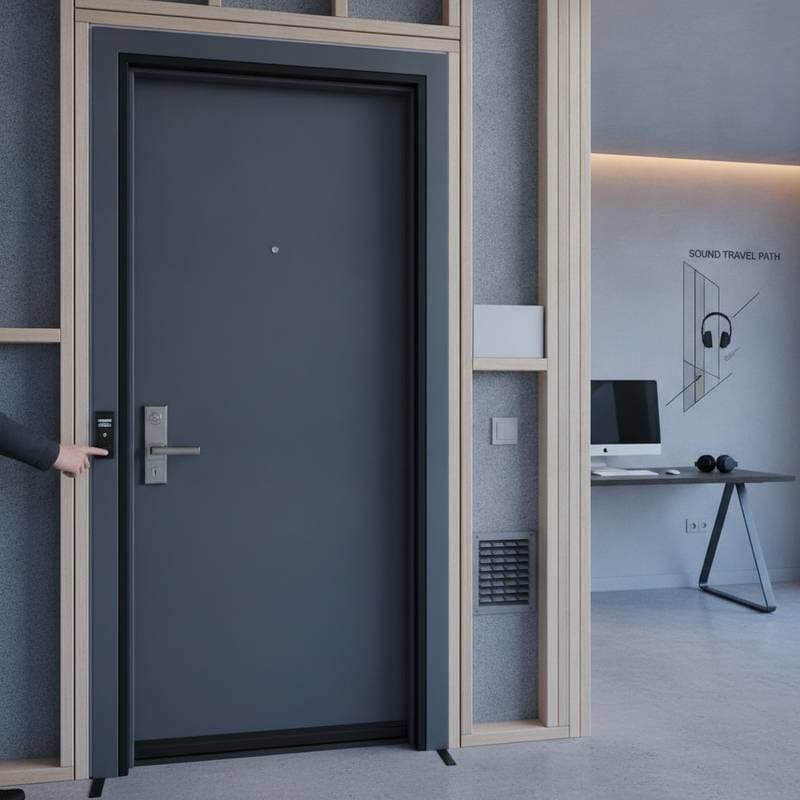
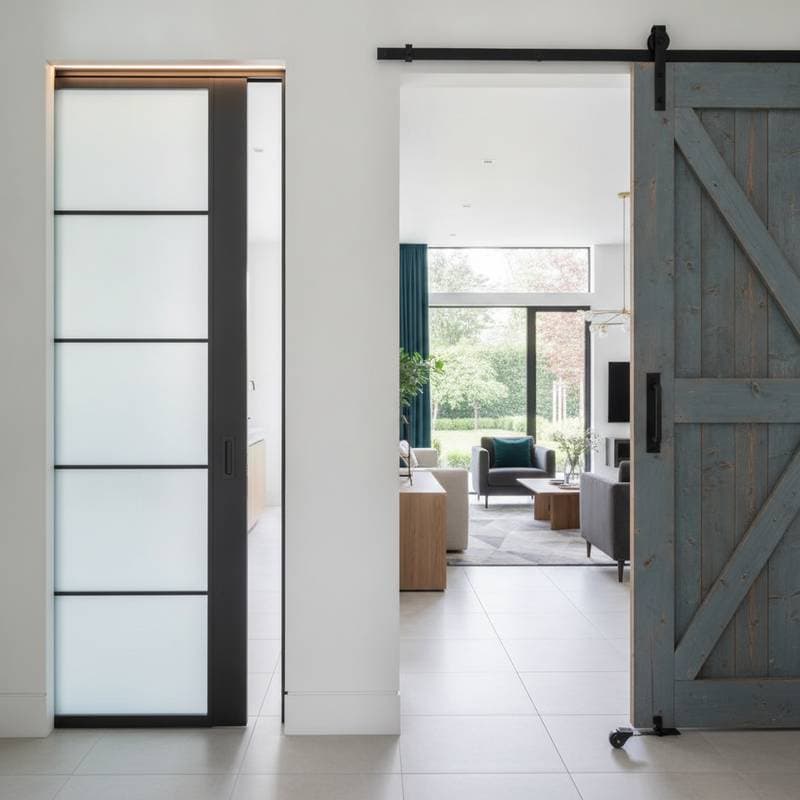
Barn doors create visual interest in photographs yet fall short in function. Exposed tracks permit sound, light, and odors to travel between rooms, which reduces privacy in bedrooms and bathrooms. The hardware occupies wall space that could otherwise hold artwork or furniture. Rollers collect dust and eventually produce noise or misalignment that requires repeated adjustments.
Humidity accelerates wear on metal components, leading to rust or binding. Heavy panels place ongoing stress on the track, and alignment repairs often involve professional intervention. These factors accumulate into ongoing maintenance demands that many households find inconvenient.
Advantages of Modern Pocket Doors
Pocket doors address the shortcomings of barn doors through concealed installation and updated mechanisms. Soft-close rollers and solid-core construction deliver quiet, reliable movement. When open, the door slides into the wall cavity and frees both floor and wall areas for other uses. Narrow hallways, bathrooms, and laundry rooms benefit especially from the eliminated swing radius.
Designers select pocket doors for their adaptability across styles. Updated jamb kits and flush pulls allow understated or prominent appearances depending on material choices. The result integrates smoothly with contemporary, transitional, or traditional interiors.
Budget Options for Installation
Homeowners can achieve reliable results at different investment levels. The entry approach uses hollow-core panels paired with aluminum track kits priced between 300 and 800 dollars. Prefinished neutral surfaces minimize additional labor, and quality rollers reduce future sticking.
Mid-range selections feature solid-core doors with veneer or paint-ready faces. Soft-close hardware improves daily operation, while decorative pulls or frosted glass add visual interest within an 800 to 1800 dollar range. Higher-end projects employ custom wood or glass panels with architectural tracks. Concealed hardware and coordinated finishes with surrounding trim produce a seamless appearance between 1800 and 4000 dollars.
Material and Finish Recommendations
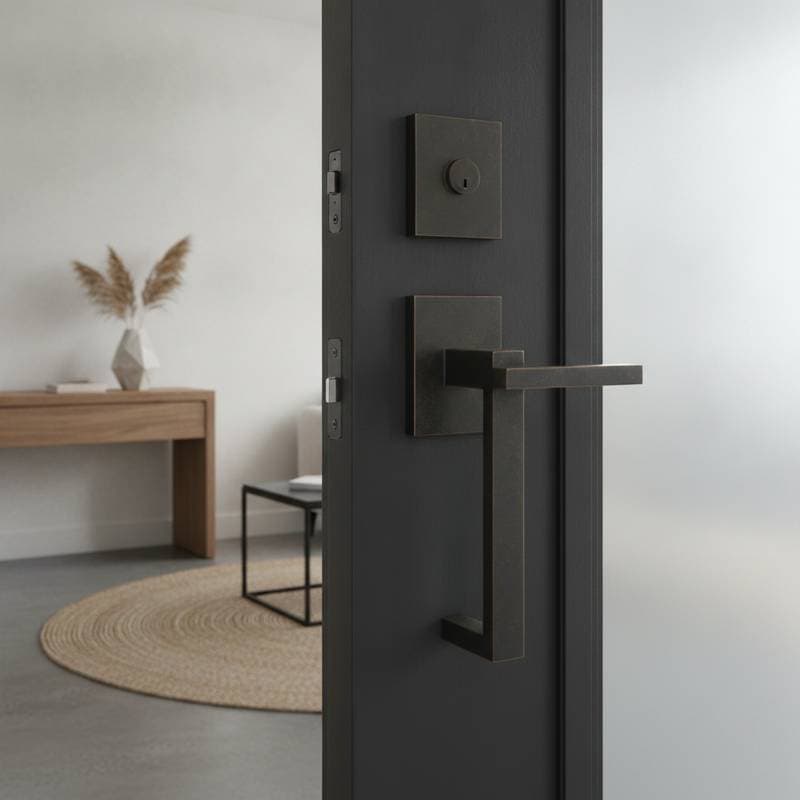
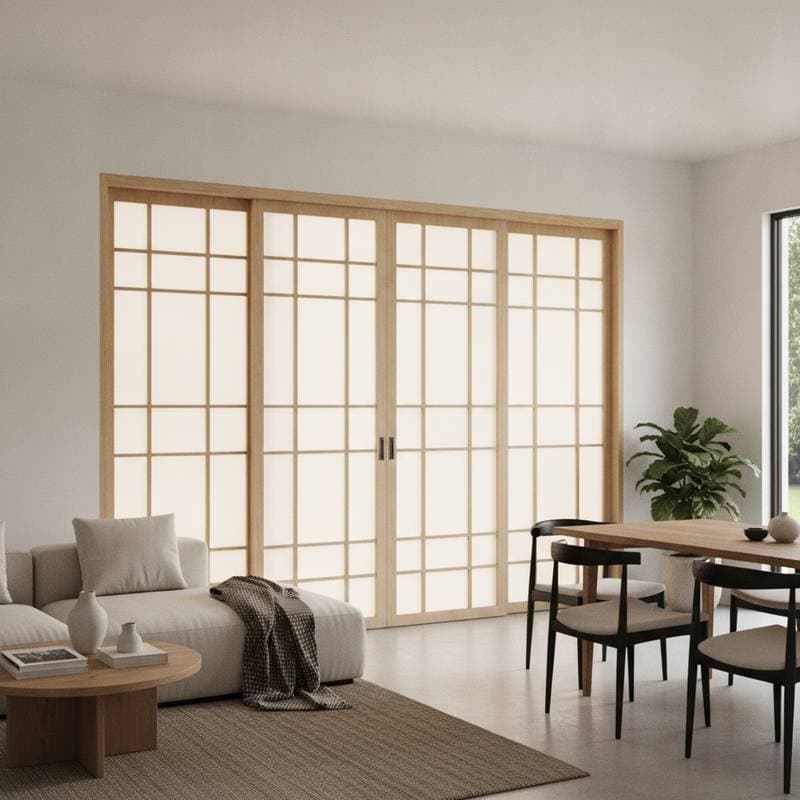
Consistent finishes strengthen the overall design. Matte black or brushed nickel window frames align with matching door hardware. Painted solid wood or frosted glass panels maintain privacy without blocking light. Smooth drywall or shiplap walls suit pocket openings when framing receives proper reinforcement beforehand.
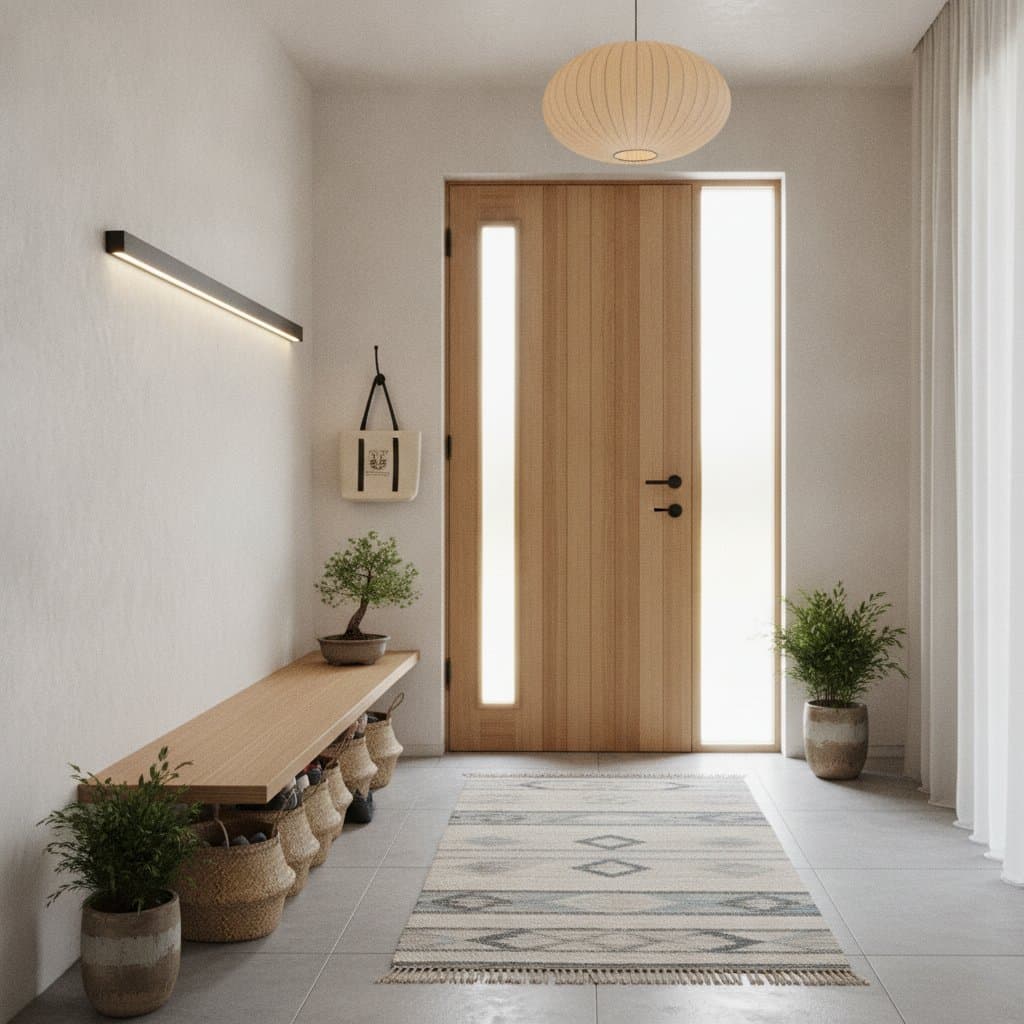
Minimal casing or square-edge molding preserves a streamlined profile. Color pairings such as soft beige walls with brushed brass hardware, or charcoal doors against white trim, create cohesive schemes that enhance the refined appearance.
Installation and Care Guidelines
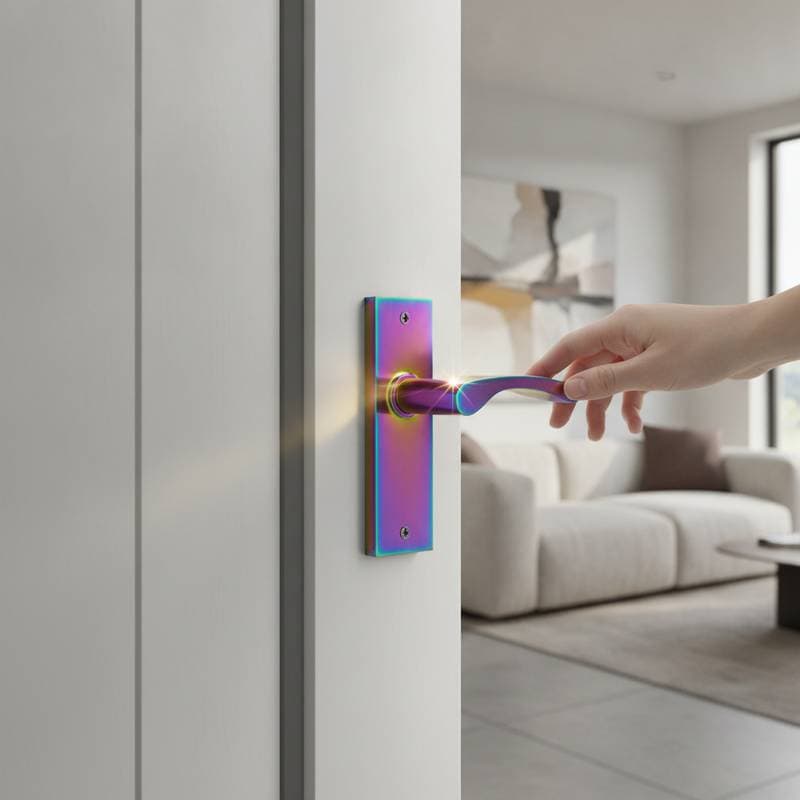
Successful pocket door performance begins with accurate framing. The wall cavity must remain plumb and free of debris to prevent binding. Door weight should match hardware ratings to avoid premature roller wear. Recessed pulls work well for most users, yet lever-style options improve accessibility in shared spaces.
Annual inspection of rollers maintains smooth travel. Finishes last longer when protected from moisture, and occasional lubrication of soft-close components prevents friction. These steps keep the system functional with minimal visible upkeep.
Final Planning Steps
Measure openings accurately and verify wall depth before ordering hardware. Coordinate door finishes with adjacent cabinetry and baseboards for visual continuity. Test roller operation during installation to confirm quiet performance from the start.