Why Japandi Shoji Doors Define 2026 Interiors
Japandi design merges the serene minimalism of Japanese aesthetics with the cozy functionality of Scandinavian style. This fusion creates spaces that prioritize balance, natural light, and effortless utility. Central to this movement, Japandi Shoji doors emerge as a key element, offering a blend of tradition and innovation that shapes modern homes.
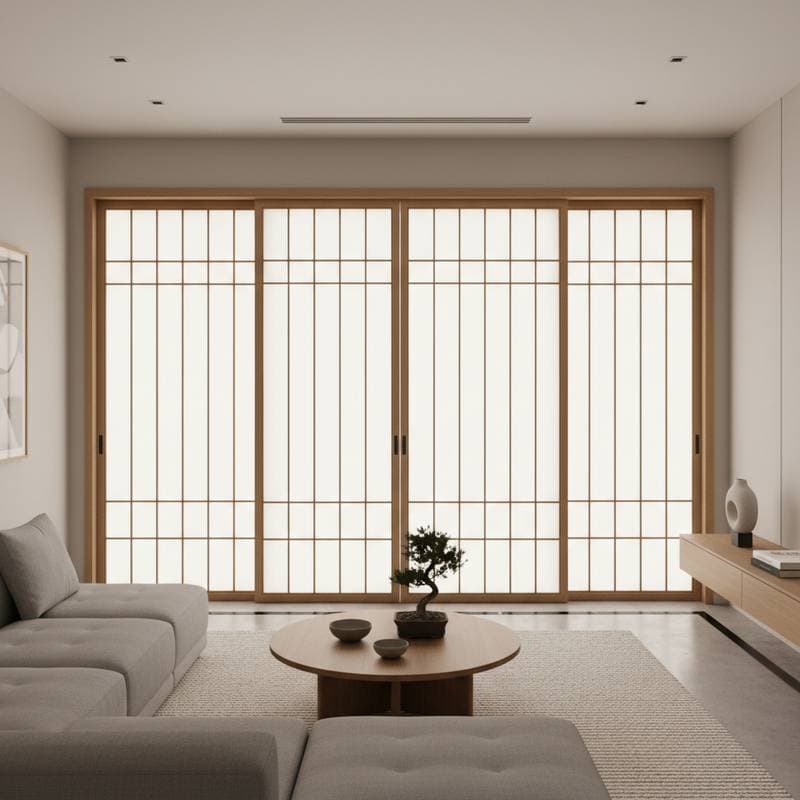
These doors draw from historical Japanese screens while adapting to contemporary needs. They promote tranquility through diffused lighting and flexible partitioning. Homeowners appreciate their ability to enhance both form and function in everyday environments.
The Essence of Japandi Shoji Doors
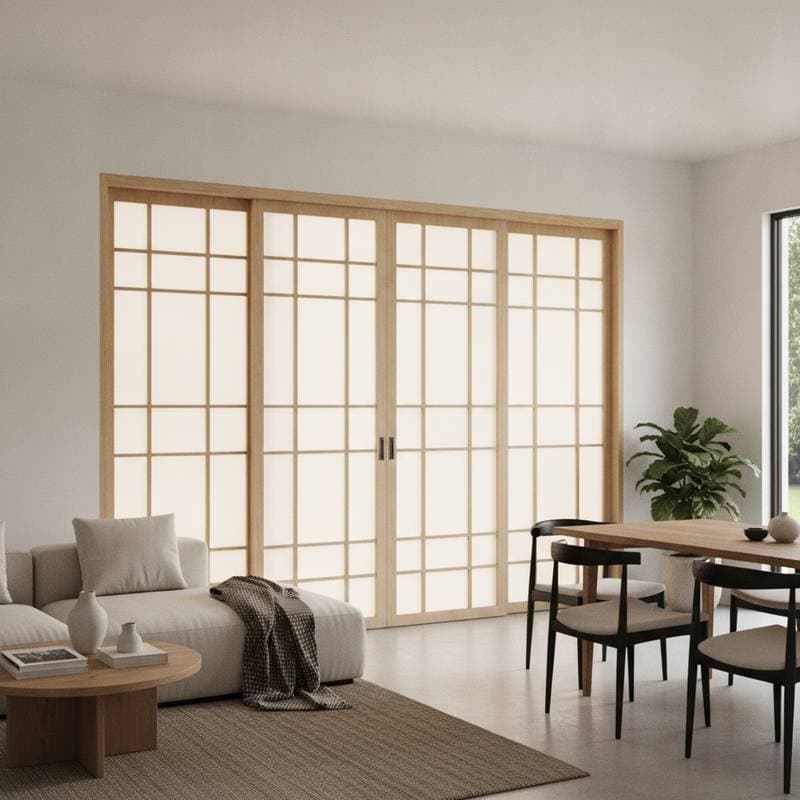
Shoji doors trace their origins to traditional Japanese homes, where they served as sliding partitions covered in translucent rice paper. This design allowed light to permeate while providing subtle separation. In the Japandi context, these doors evolve by integrating Scandinavian principles of durable, natural materials and practical simplicity.
Modern versions retain the lightweight frame but feature enhanced infills such as frosted glass or synthetic paper equivalents. Such adaptations ensure longevity and ease of care. The outcome delivers rooms that feel open yet intimate, with light flowing gently to foster a sense of calm.
Selecting Materials for Durability and Style
Material selection influences the door's performance and visual appeal. Wood frames, often crafted from oak or bamboo, provide structural integrity and a warm texture. Infill options like acrylic or laminated glass offer translucency without fragility.
Hardware plays a crucial role in seamless operation. Opt for soft-close tracks and hidden rollers to preserve clean lines. Consider environmental factors: bamboo resists humidity well, while oak withstands frequent use in high-traffic areas.
Builders focus on precise joinery to eliminate drafts and ensure smooth gliding. This attention to detail extends the doors' usability across diverse climates and room conditions.
Evaluating Structural and Finish Variations| Option | Initial Cost | Lifespan | Maintenance | Ideal Application |
|--------|--------------|----------|-------------|------------------|
| Wood frame with rice paper infill | Moderate | 10-15 years | Gentle dusting; periodic replacement | Traditional-inspired spaces |
| Engineered frame with acrylic infill | Moderate to high | 15-20 years | Simple wiping with mild cleaner | Active family environments |
| Solid oak frame with frosted glass | High | 20+ years | Light polishing as needed | Upscale, modern settings |These choices allow customization to match specific needs. Paper infills evoke authenticity with their soft diffusion, whereas glass variants prioritize robustness. Assess your priorities to select the configuration that aligns with long-term satisfaction.
Enhancing Daily Living Through Design
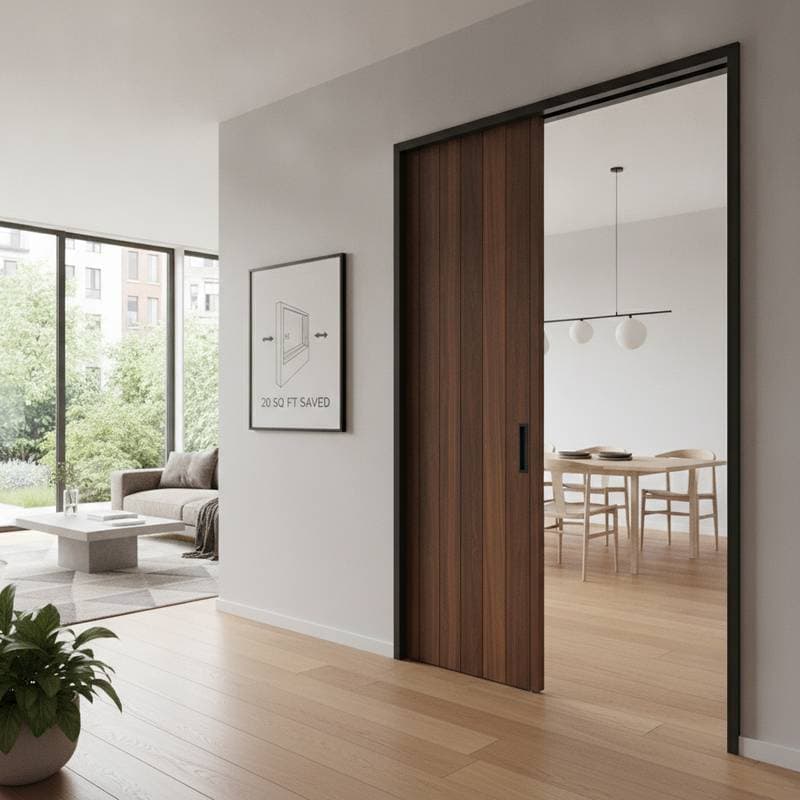
Beyond aesthetics, Japandi Shoji doors optimize space and flow. Their sliding mechanism requires less room than swinging doors, suiting compact urban dwellings. Translucent panels distribute daylight evenly, minimizing reliance on overhead lights.
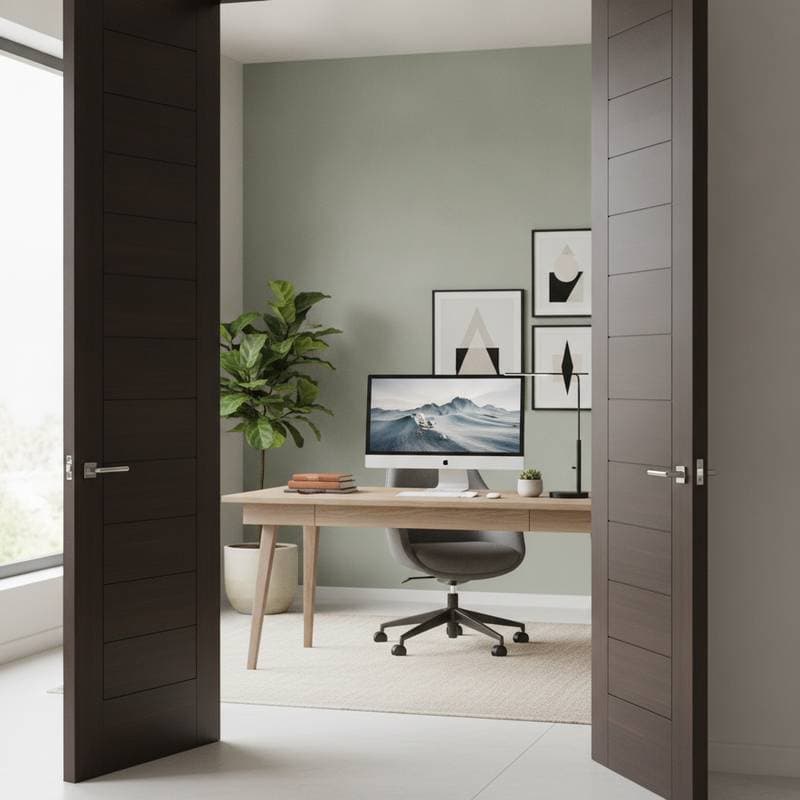
Incorporate them to delineate zones without visual clutter. For instance, use them to screen a home office from the living area during work hours. This adaptability supports a minimalist ethos, where functionality supports well-being.
Families benefit from the doors' versatility in creating play areas or guest spaces on demand. The result fosters a home that adapts to evolving routines while maintaining harmony.
Step-by-Step Installation Guide
Successful installation begins with thorough planning. Measure the doorway precisely, accounting for panel travel and track positioning. Evaluate whether overhead or floor-mounted tracks best suit your setup.
Prepare the site by reinforcing the header if necessary. For retrofit projects, surface tracks simplify the process; new builds allow for flush integration.
Assemble the frame on-site, ensuring level alignment. Hang panels and adjust rollers for frictionless movement. Test closures multiple times to confirm even stacking.
Finalize by sealing wood edges against moisture. Monitor performance over the first week and tweak as required. Engage professionals for complex layouts to guarantee precision.
Assessing Investment and Value
Costs for Japandi Shoji doors range from budget-friendly kits to bespoke installations. Premium selections with custom sizing command higher prices but deliver superior performance. Factor in energy savings from improved light distribution.
Over years, these doors prove their worth through reduced maintenance and enhanced livability. They elevate property appeal, potentially increasing resale value in design-conscious markets.
Integrating with Your Home's Aesthetic
Position Shoji doors in versatile locations for maximum impact. In open kitchens, they separate dining from prep areas while allowing conversational flow. Bedrooms gain serenity with panels concealing wardrobes.
Align finishes with surrounding elements: pair light oak frames with neutral walls for cohesion. Experiment with subtle stains to introduce warmth without overwhelming the palette.
This integration ensures the doors enhance rather than dominate the space, reinforcing the Japandi principle of understated elegance.
Sustaining Performance Through Care
Preserve the doors' condition with routine upkeep. Wipe infills using a soft cloth and non-abrasive solution to avoid residue buildup. Lubricate tracks quarterly to sustain quiet operation.
Inspect wood for wear and refresh with natural oils annually. For paper alternatives, spot-clean tears immediately to maintain integrity.
These practices extend usability, keeping the doors as effective as the day of installation.
Adapting to Environmental Factors
Sustainability defines Japandi Shoji doors, with options in FSC-certified woods and recyclable synthetics. Their light-filtering quality cuts energy use by promoting passive illumination.
In moist environments, choose sealed frames to resist swelling. Colder climates pair well with double-glazed infills for insulation without opacity.
Select hardware rated for your region's conditions to ensure reliable function year-round.
Making the Right Choice for Your Space
Evaluate your home's layout to confirm sliding feasibility. Prioritize translucency levels based on privacy demands. Consider durability for high-use scenarios.
Budget for professional input if customization arises. This deliberate approach yields doors that serve your needs enduringly.
Realizing Enduring Harmony
Japandi Shoji doors transcend mere division; they cultivate luminous, balanced environments. Thoughtful selection and care unlock their full potential, transforming homes into sanctuaries of peace and purpose. Invest in this timeless feature to experience the essence of 2026 design.