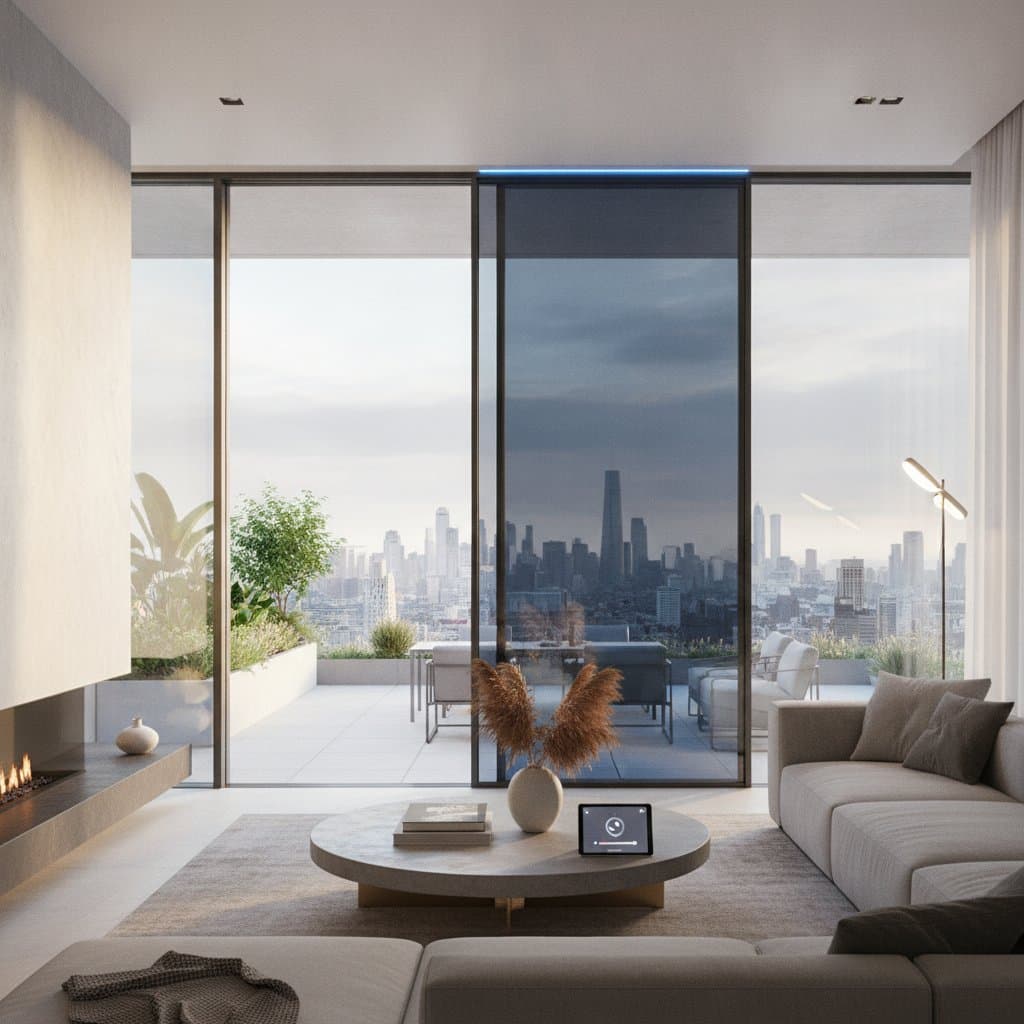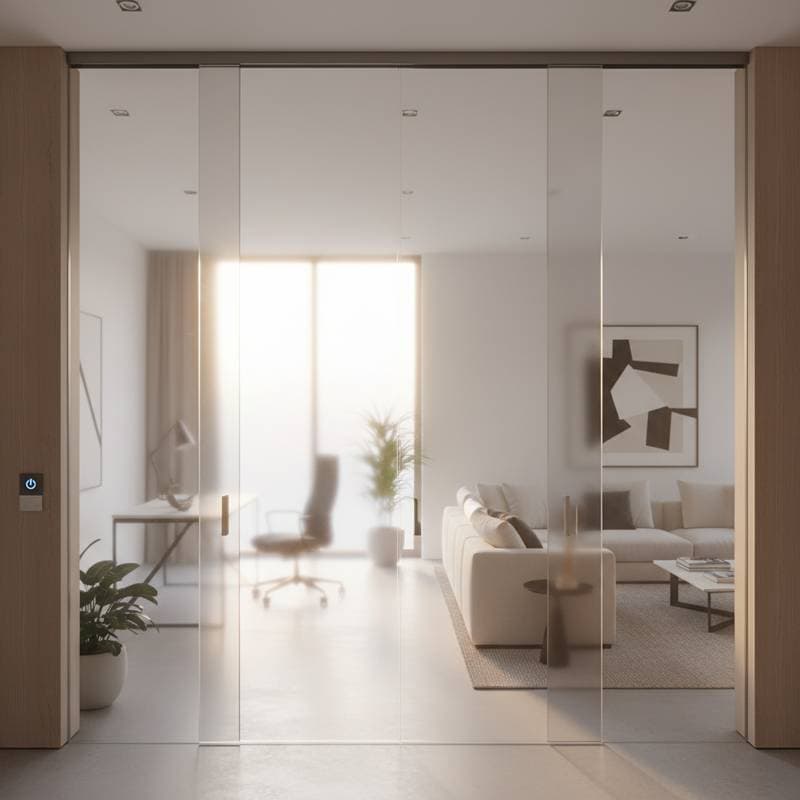
Instant Privacy Through Electrochromic Glass in Interior Doors
Advancements in smart home technology reshape experiences of privacy, comfort, and aesthetics. Electrochromic glass stands out as a key innovation, enabling precise control over transparency via a simple switch or automated setup. Incorporated into interior doors, this material delivers on-demand seclusion while upholding illumination, elegance, and contemporary flair. Grasping its mechanics, advantages, and implementation details empowers homeowners to decide wisely on incorporating this sophisticated element into their environments.
The Fundamentals of Electrochromic Glass
Electrochromic glass, also known as smart or privacy glass, features layered components that respond to modest electrical impulses. Upon activation, the material shifts from transparent to frosted, offering a fluid change that supplants conventional shades, drapes, or etched surfaces. This alteration happens quietly and uniformly, granting users authority over sightlines and illumination intensity.
The material adapts well to residential and professional settings. Within residences, it proves ideal for interior doors delineating communal zones, restrooms, or workspaces. Its on-demand privacy capability aligns with the dynamic requirements of contemporary family life.
Mechanics Behind the Technology
Electrochromic glass comprises several strata. A conductive film and reactive layer interact with electrical signals, supported by protective and stabilizing elements. Application of low voltage prompts ion movement within these layers, modifying light permeation. Discontinuing the voltage restores clarity.
Power usage stays low due to the modest requirements of the system. Installations typically link to wall controls, remotes, or smart home networks. Certain configurations interface with voice-activated devices, facilitating smooth incorporation into comprehensive automation frameworks.
Electrochromic Glass Versus Traditional Privacy Methods
| Option | Initial Cost | Lifespan | Maintenance | Best For |
|---|---|---|---|---|
| Frosted Glass | Moderate | Long | Low | Fixed privacy without adjustments |
| Curtains or Blinds | Low | Moderate | Moderate | Variable privacy in classic looks |
| Electrochromic Glass | High | Long | Very Low | Rapid privacy with sleek design |
Conventional choices such as drapes or shades offer affordability yet demand regular cleaning, attract particles, and suffer mechanical degradation. Etched glass ensures enduring obscurity but lacks adaptability. Electrochromic glass merges superior aspects, permitting expansive vistas on request and total isolation as circumstances demand.
Advantages in Daily Use
Electrochromic glass supports privacy alongside ease. It permits abundant natural light to permeate areas without revealing confidential zones. This equilibrium proves crucial in expansive layouts or multi-user dwellings, where adaptable divisions boost well-being.
For interior doors, the glass dispenses with cumbersome add-ons. It fosters a streamlined, up-to-date look suited to sparse and current motifs. Residents value the way it sustains visual unity indoors while enabling swift partitioning when necessary.
Energy conservation represents a further merit. Regulating light entry minimizes dazzle and thermal gain. In sunlit rooms, this aids consistent interior climates and eases demands on climate control equipment.
Potential Limitations and Key Factors
Electrochromic glass carries certain constraints. Upfront costs surpass those of ordinary glass or mechanical alternatives. Durability over time mitigates this for numerous users, yet budget planning remains vital.
Transition speeds differ by panel dimensions and producer. Extensive surfaces might require several additional seconds for complete change. Under specific illuminations, users may detect minor hue shifts, such as subtle blue or gray tones in the frosted state. Such traits reflect inherent technological qualities.
Upkeep proves negligible, though expert fitting is imperative. Proper wiring ensures dependable function and prevents electrical faults. Specialized interventions for fixes or swaps could incur extra expenses if issues emerge.
Strategic Planning for Implementation
Prospective users should assess locations where privacy modulation yields greatest utility. Prime spots encompass restroom entries from sleeping quarters, dedicated work areas, and dividers in open interiors. The glass suits sliding mechanisms or elements in grander builds.
Preparation entails aesthetic and operational assessment. Frames require provisions for cabling, and electricity sources must lie nearby. Merging with current automation demands collaboration among suppliers and tech specialists.
Step-by-Step Installation Guide
- Site Assessment: Pinpoint doors benefiting from variable privacy. Evaluate power availability and align with stylistic choices.
- Pre-Installation Measures: Gauge apertures accurately and choose panel gauge per door specifications. Verify framework strength and cable pathways.
- Core Assembly: Fit glass into frames and link wiring to sources and interfaces. Specialists validate current delivery and operational responses.
- Performance Verification: Inspect even state shifts. Confirm reliable control activation.
- Finalization: Secure perimeters against dampness. Supply usage guidelines and upkeep advice to owners.
Sustaining Performance Over Time
Routine care for electrochromic glass involves basic surface wiping. Employ gentle, scratch-free agents and fabrics. Absence of exposed moving elements limits degradation from regular interaction. Periodic switch inspections and secure cabling checks uphold efficacy.
Manufacturer guarantees differ, frequently spanning years for materials and electronics. Familiarity with policy details prior to acquisition sets appropriate service anticipations.
Selecting the Optimal Solution
Evaluating electrochromic glass for a venture involves balancing personal needs with financial and operational aspects. Individuals prioritizing fluid aesthetics and precise command frequently deem the outlay justified. Basic seclusion seekers at lower prices might opt for etched glass or shades.
In dynamic households with variable routines, smart glass provides unmatched versatility. Transitioning from communal openness to solitary haven via one directive accommodates collective and individual needs alike.
Final Steps for Seamless Integration
Prior to setup, verify vendor support and certification standards. Examine power specs and platform compatibilities. Experts suggest trialing a compact sample before extensive commitments, particularly with bespoke sizing or intricate structures.
Engage licensed electricians for concealed yet serviceable wiring routes. In broader renovations, sequence installation post-primary works to shield components from contaminants.