Shoji Doors: Transforming Open Layouts Effortlessly
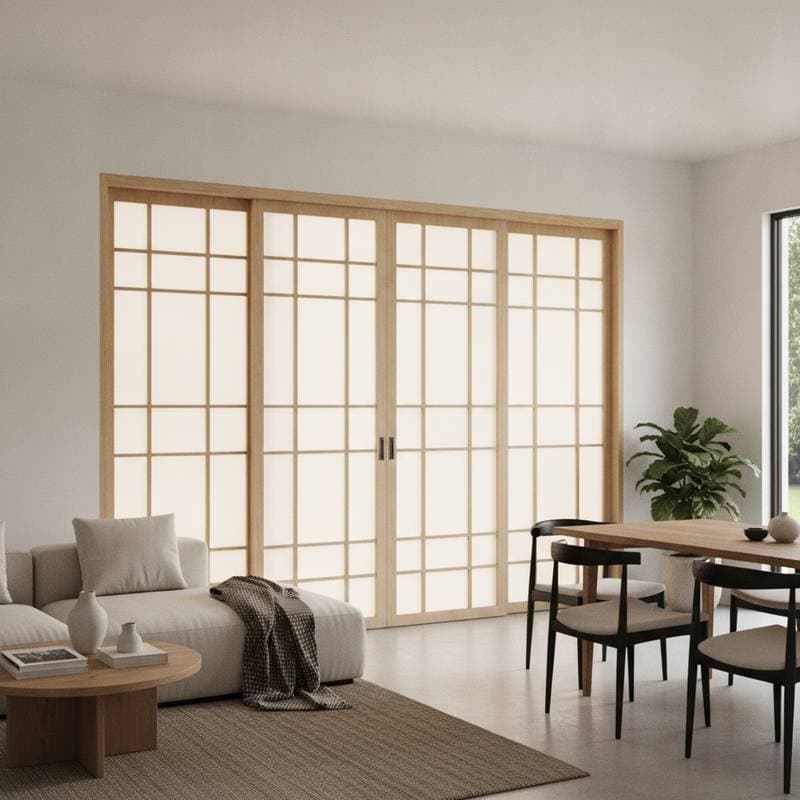
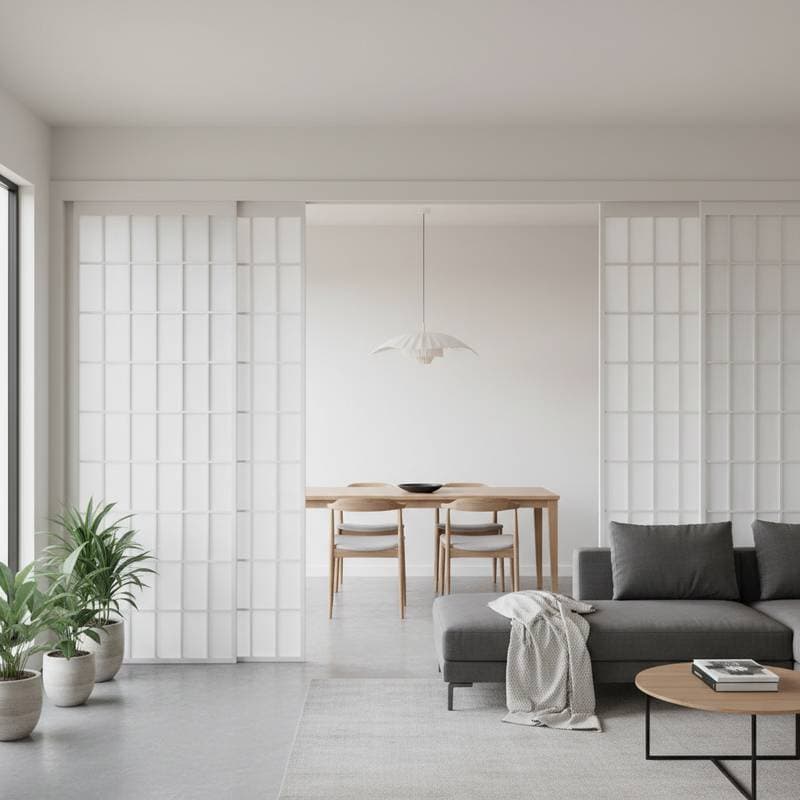
Open layouts provide abundant light, expansive space, and flexible use, but they sometimes lack clear boundaries for privacy or specific functions. Shoji doors offer an elegant solution by merging traditional Japanese craftsmanship with contemporary adaptability. These sliding dividers add structure while preserving light and airflow, striking a balance between openness and seclusion. Their clean, minimalist aesthetic suits diverse interiors, from sleek urban apartments to classic family homes.
Homeowners benefit from understanding the mechanics of shoji doors, their material options, and their impact on everyday routines. This knowledge aids in determining whether these dividers align with specific spatial needs. More than mere decoration, shoji doors deliver practical enhancements that foster smooth transitions between room uses.
Material and Construction Choices
Shoji doors derive their appeal from adaptable materials that support both form and function. The core design persists across variations, but choices in frames, infills, and tracks allow customization for durability, style, and cost.
Common Frame Materials
-
Solid Wood
Solid wood frames, crafted from cedar, pine, or basswood, deliver warmth, organic texture, and robust support. Stain these frames for a rich finish or preserve their natural grain for subtle elegance. -
Engineered Wood
Engineered wood resists humidity fluctuations, ideal for controlled indoor environments. It replicates the charm of solid wood while avoiding common issues like warping or contraction. -
Composite or Metal Frames
Aluminum or composite options yield slim profiles and superior strength, perfect for demanding areas. These materials suit industrial or ultra-modern aesthetics with minimal maintenance.
Panel Infill Materials
-
Washi Paper
Traditional washi paper diffuses light softly and evokes authenticity. Lightweight and eco-friendly, it demands careful handling in busy zones to avoid tears. -
Acrylic or Frosted Glass
Acrylic replicates paper's translucence with enhanced toughness and water resistance. Frosted glass scatters light evenly, making it suitable for humid spaces like kitchens or baths. -
Fabric or Laminated Panels
Fabric inserts add tactile interest and patterns, while laminates provide durability. Both options maintain smooth sliding without altering the door's core operation.
Track Systems
Top-hung tracks suspend panels from above, ensuring a floor free of obstructions for fluid room flow. Bottom-rolling tracks support heavier designs and simplify retrofits by aligning with existing floors. Select based on panel weight and installation site to guarantee reliable performance.
Design Adaptability
Though rooted in Japanese minimalism, shoji doors adapt seamlessly to various styles through thoughtful scaling, finishes, and placements. Their geometric simplicity enhances Scandinavian restraint, modern edge, or transitional warmth.
- Minimalist Spaces: Light diffusion pairs with neutral tones, sparse furniture, and raw textures to amplify serenity.
- Eclectic Homes: Lattice variations or colored stains harmonize with diverse patterns and cultural elements.
- Modern Apartments: These doors define zones for work, rest, or meals in compact areas, avoiding bulky builds.
- Traditional Homes: Integration with hardwood floors and soft hues preserves heritage while adding grace.
Adjust panels by sliding them to control visibility and sound, adapting spaces for focused tasks or relaxed gatherings.
Maintenance and Longevity
Simple routines keep shoji doors functional for decades, given their lightweight build compared to solid counterparts.
Routine Care:
- Wipe frames weekly to clear dust from tracks and prevent snags.
- Use mild soap on acrylic or glass panels, avoiding harsh chemicals that could scratch surfaces.
- Swap out paper infills promptly if damage appears, opting for matching replacements to restore uniformity.
Track Maintenance:
- Vacuum rails monthly to remove particles that hinder glide.
- Apply silicone lubricant lightly to metal parts only when friction arises.
- Straighten panels periodically to eliminate rattles or binding.
Lifecycle Considerations:
Paper elements might need updates every three to five years based on wear, whereas acrylic or glass endures longer. Refinish wood frames sparingly if sun or dampness fades them, extending overall service life.
Environmental and Climate Considerations
Choose materials that match local conditions for optimal results. Engineered or treated wood frames hold shape in humid areas, while natural woods in arid zones may need humidity controls to minimize shifts.
Shoji designs boost energy savings by channeling daylight deeper into rooms, cutting electric light use. They also moderate temperatures through partial barriers. Opt for FSC-certified woods and recyclable panels to align with green standards.
Working with Contractors
Hire specialists in sliding mechanisms for precise setup and enduring results. Confirm their portfolio includes shoji or similar systems, and examine material swatches alongside track specs for your floors and ceilings.
During the process, insist on full-motion tests and tension tweaks prior to completion. Seek guidance on upkeep, including how to detach panels for cleaning or repairs. This empowers independent handling of routine tasks.
DIY kits appeal to skilled users, but accurate measurements and leveling prove essential. Double-check alignments before securing to sidestep future adjustments.
Ensuring Quality Results
Superior outcomes stem from premium materials, expert assembly, and vigilant care. Check for seamless joints and taut panels free of wrinkles during inspection.
Favor makers versed in joinery techniques for lasting precision. Inquire about guarantees and support options to safeguard longevity. Effortless gliding post-installation signals proper balance and craftsmanship.
Integrating Shoji Doors for Lasting Harmony
Shoji doors fuse aesthetic refinement with everyday utility, redefining open plans through gentle divisions that honor light and volume. Careful selection ensures they meet functional demands while evoking calm.
These dividers, built from quality elements and skilled hands, promote adaptive living. For those valuing nuance and versatility, shoji doors cultivate an environment of seamless connection and personal retreat.