Pocket Doors Surge: Builders Project Triple Demand by 2026
Pocket doors have transitioned from specialized features to essential components in contemporary architecture. Professionals in construction, design, and homeownership increasingly recognize their potential to optimize interior layouts. This rising popularity stems from shifting lifestyles, refined visual preferences, and a push to utilize every inch of available space effectively. These doors deliver more than visual appeal; they foster adaptable environments that align with dynamic daily routines.
Pocket Door Fundamentals
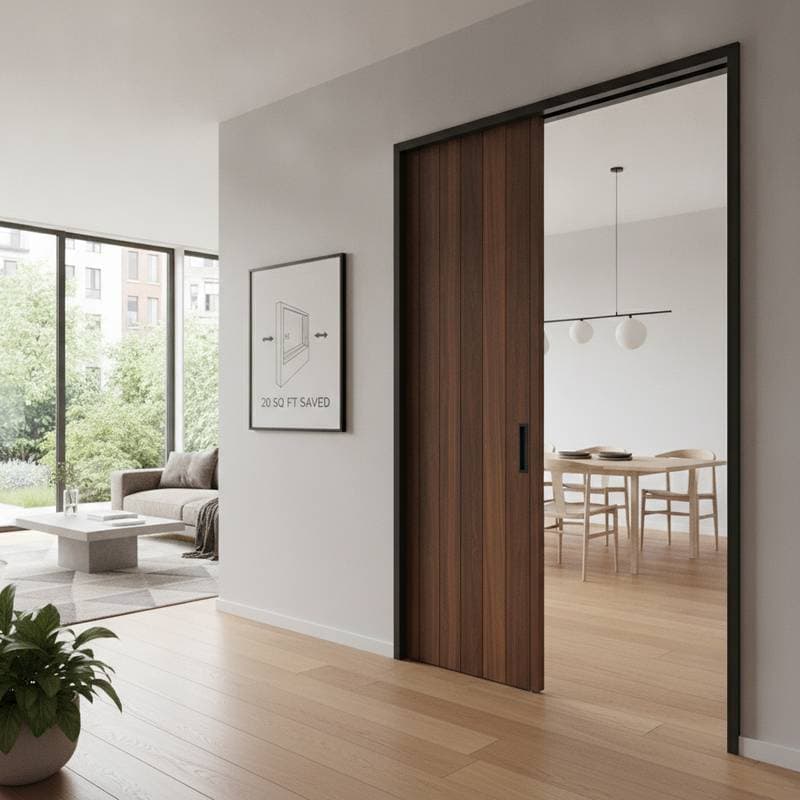
A pocket door glides into a recessed wall compartment, bypassing the space demands of swinging panels. This mechanism employs a track and roller setup for seamless operation, fully concealing the door when retracted. The outcome yields unobstructed pathways that enhance spatial continuity.
Options span wood, glass, and composites, with configurations for single or paired panels. Hardware ranges from basic manual slides to advanced soft-close systems. Diverse finishes adapt these doors to styles from sleek modern to ornate classic settings.
Drivers Behind Builder Adoption
This trend exceeds fleeting fashion; it addresses practical demands and market dynamics. Compact footprints and open layouts prioritize efficient area allocation. One pocket door reclaims multiple square feet otherwise lost to swing radius, proving transformative in confined settings.
Users value the subtle profile. Closed, it secures seclusion between areas; open, it vanishes, promoting light circulation and ventilation. Such versatility accommodates varied uses, from multifunctional rooms to evolving family configurations.
Pocket Doors Versus Hinged Alternatives
| Option | Initial Cost | Lifespan | Maintenance | Best For |
|---|---|---|---|---|
| Pocket Door | Moderate to High | Long | Occasional track lubrication and alignment | Space-constrained, flexible designs |
| Hinged Door | Low to Moderate | Long | Minimal hardware upkeep | Conventional setups, basic installs |
Hinged doors suit straightforward applications, yet pocket doors excel in premium scenarios. The primary drawback involves setup demands; pocket installations necessitate wall alterations, underscoring the need for upfront strategy.
Selecting Materials for Optimal Results
Wood variants impart natural warmth and can align with cabinetry or floors, permitting periodic refinishing. Opt for robust cores to handle operational stresses without sagging.
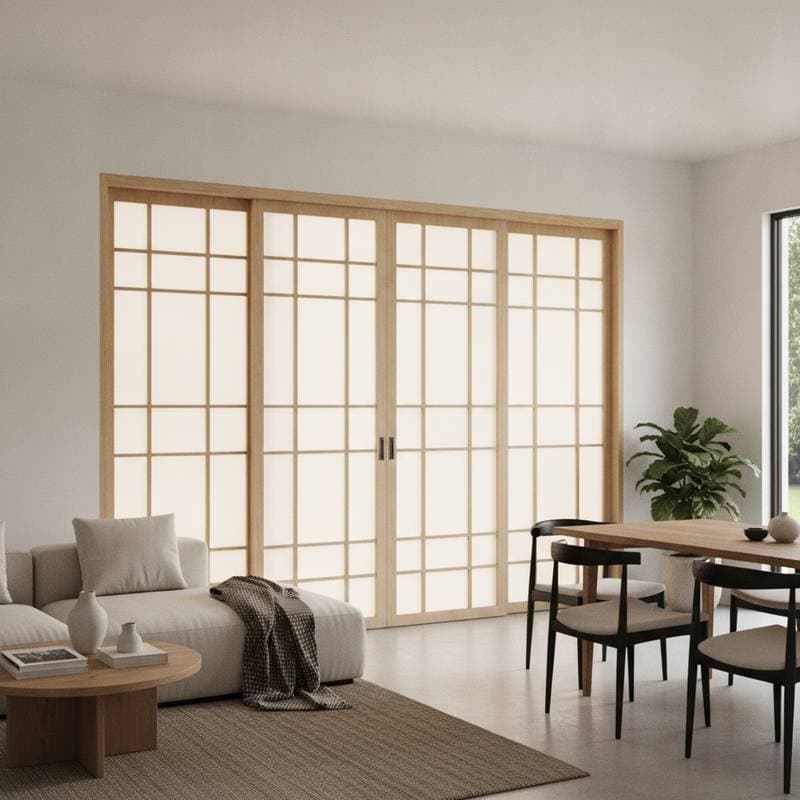
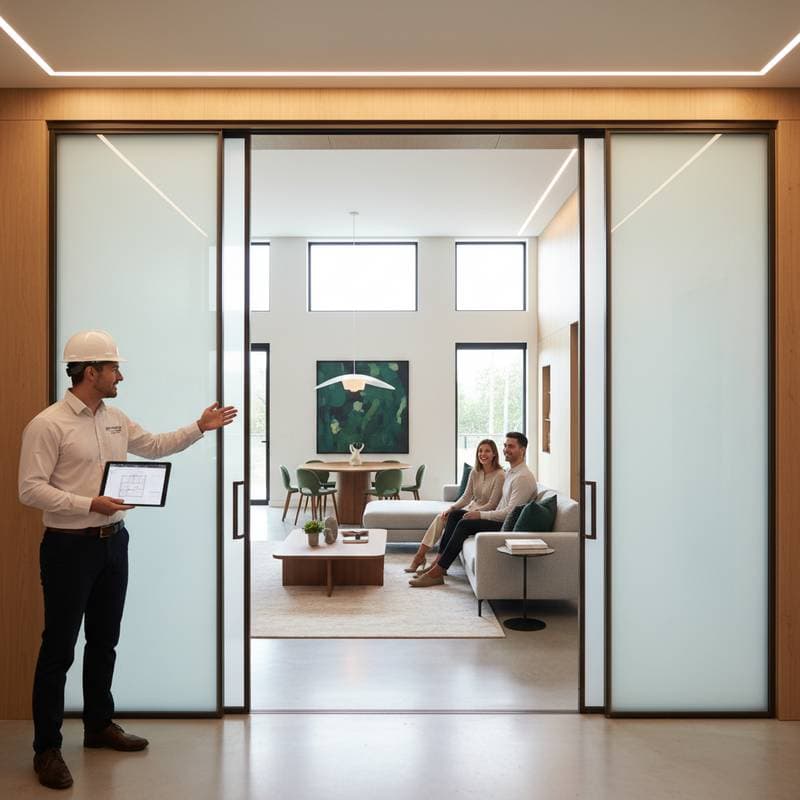
Glass selections promote transparency and illumination. Etched surfaces balance seclusion with brightness, suiting transitional zones like studies or en-suite baths.
Engineered composites resist environmental shifts, easing retrofits with reduced weight. They replicate wood grains durably, minimizing upkeep in variable conditions.
Match selections to site-specific roles and desired ambiance for integrated performance.
Step-by-Step Installation Guide
Pocket door placement demands precision in structural and utility integration. Begin by confirming wall compatibility, avoiding load-bearing or conduit-heavy barriers.
-
Site Assessment: Measure cavity depth and inspect for interferences; consult blueprints for new builds.
-
Framing Setup: Expose studs, then secure a preassembled frame with reinforced tracks overhead.
-
Panel Mounting: Attach rollers to the door, suspend from the track, and fine-tune for plumb alignment.
-
Operational Testing: Verify glide without binds; add guides to curb deviations.
-
Finishing Touches: Patch surfaces, apply moldings, and confirm seamless integration with adjacent elements.
New constructions simplify this; renovations demand extra caution to preserve integrity.
Upkeep Strategies for Durability
Routine care sustains performance with light intervention. Vacuum tracks quarterly to clear accumulations, and apply silicone lubricant to rollers annually.
Address sticking by tightening alignment hardware promptly. Premium components, like metal-reinforced rollers, resist wear far better than budget alternatives.
Monitor foundation shifts, as they influence track stability; professional tweaks resolve persistent issues.
Enhancing Daily Living Through Flexibility
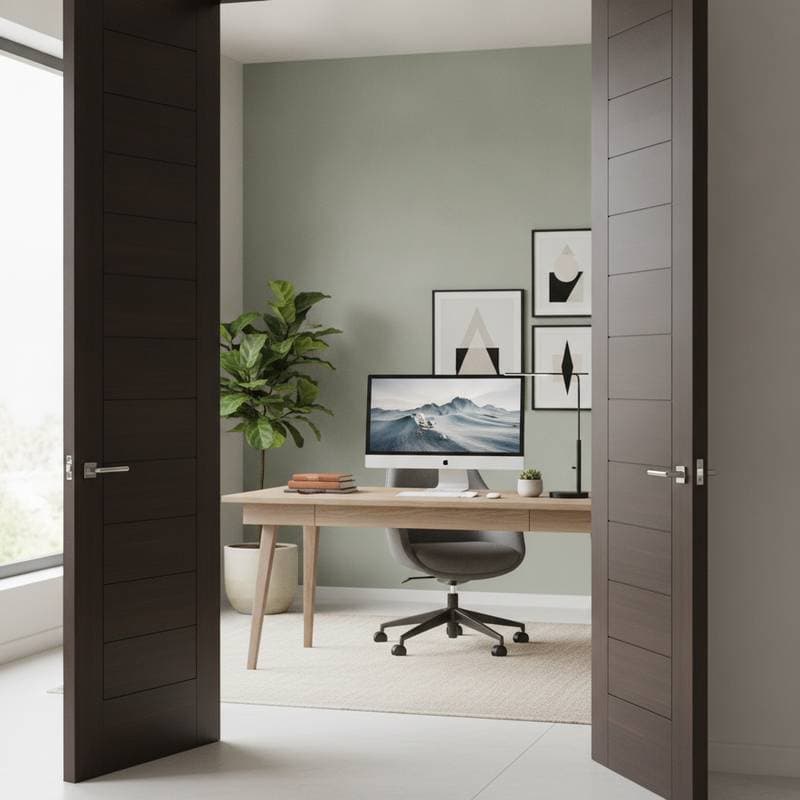
Pocket doors align with fluid household dynamics. They partition expansive areas swiftly, such as converting a lounge into a quiet workspace.
In sleeping quarters, they free floor space around beds; in culinary zones, they hide utilities discreetly. This adaptability benefits dense city dwellings and spacious estates alike.
Balancing Costs with Long-Term Gains
Upfront expenses surpass basic doors due to materials and labor, particularly in adaptations. Factor in demolition for existing structures versus seamless new integrations.
Assess broader returns: reclaimed space boosts functionality, elevating property worth. In competitive markets, such innovations attract discerning buyers.
Overcoming Typical Hurdles
Anticipate and mitigate risks for success.
-
Structural Weakness: Bolster frames to avert distortions; use certified kits.
-
Component Shortcomings: Specify durable tracks to eliminate noise and jams.
-
Alignment Errors: Calibrate during dry runs to ensure flush closure.
-
Oversight in Care: Schedule checks to preempt escalations.
Proactive measures yield reliable outcomes.
Boosting Efficiency and Sustainability
These doors refine layouts for better circulation, aiding passive climate control. Insulated variants seal gaps effectively in zoned heating setups.
Transparent panels maximize daylight, curbing energy for lighting. Overall, they support eco-conscious homes through subtle optimizations.
Tailoring Designs for Personal Spaces
Varied aesthetics—from paneled solids to etched panes—accommodate any motif. Invisible pulls enhance minimalism; ornate edges suit heritage vibes.
Customize to elevate or unify interiors, reflecting occupant priorities.
Key Decision Factors
Prioritize utility in choices.
-
Structural Fit: Evaluate load and wiring impacts.
-
Material Suitability: Consider exposure to elements and care levels.
-
Mechanism Strength: Select reinforced elements for frequent use.
-
Seclusion Needs: Adjust transparency accordingly.
-
Visual Harmony: Coordinate with existing palettes.
Thorough review avoids revisions.
Partnering with Experts
Entrust installations to specialists versed in pocket systems. Review portfolios for relevant expertise and secure warranties for assurance.
Realizing Spatial Potential
Integrating pocket doors unlocks efficient, versatile homes. They harmonize form and function, delivering enduring satisfaction through thoughtful application.