The Rising Appeal of Reclaimed Barn Doors
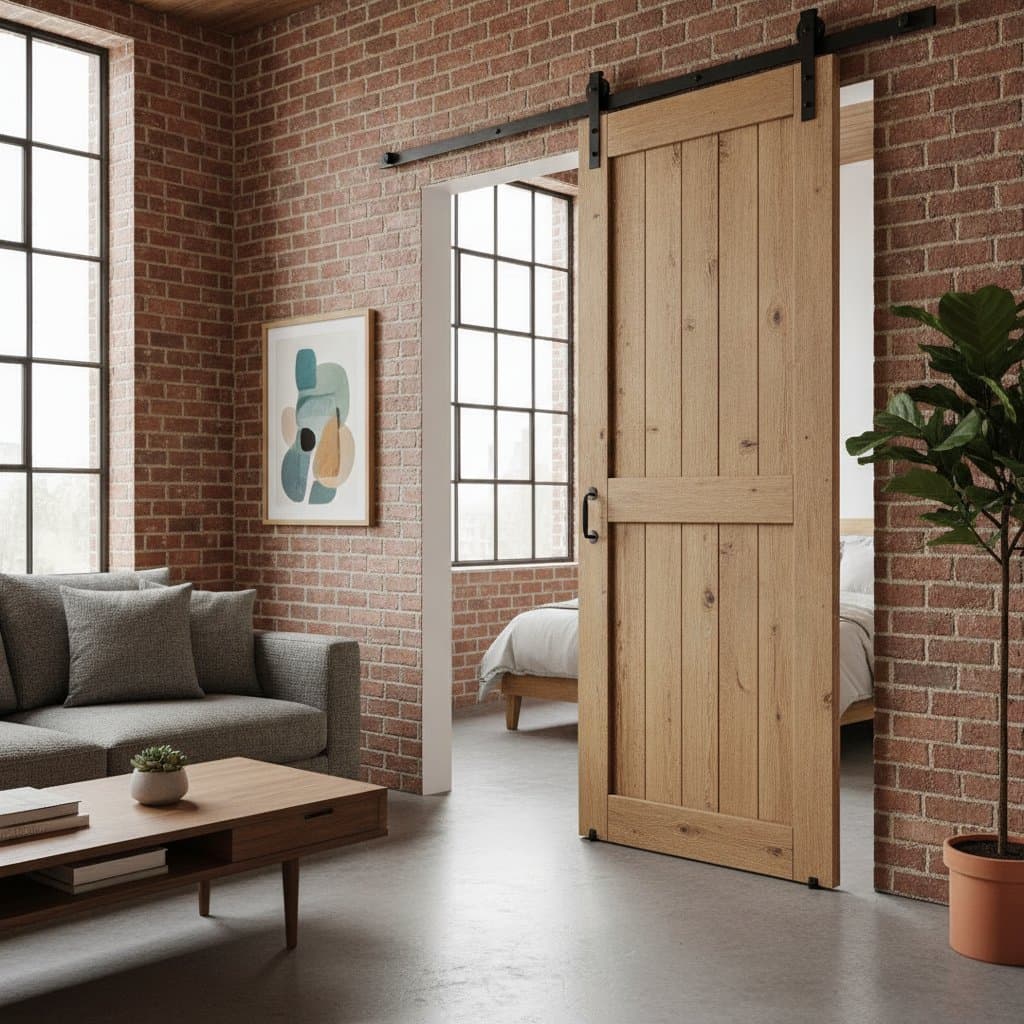
Reclaimed barn doors serve as focal points for homeowners who seek warmth, authenticity, and craftsmanship. Their raw texture, weathered finish, and unique character introduce history into contemporary interiors. Premium custom versions often cost around five thousand dollars, yet they merge rustic charm with refined design. These doors suit farmhouses, urban lofts, and transitional homes alike.
Three Budget Approaches
Save Approach (800 to 2000 dollars)
- Select engineered wood doors finished with a distressed veneer. Hand scrape or wire brush the surface to create realistic texture.
- Install standard black powder coated steel sliding track hardware for reliable performance at lower cost.
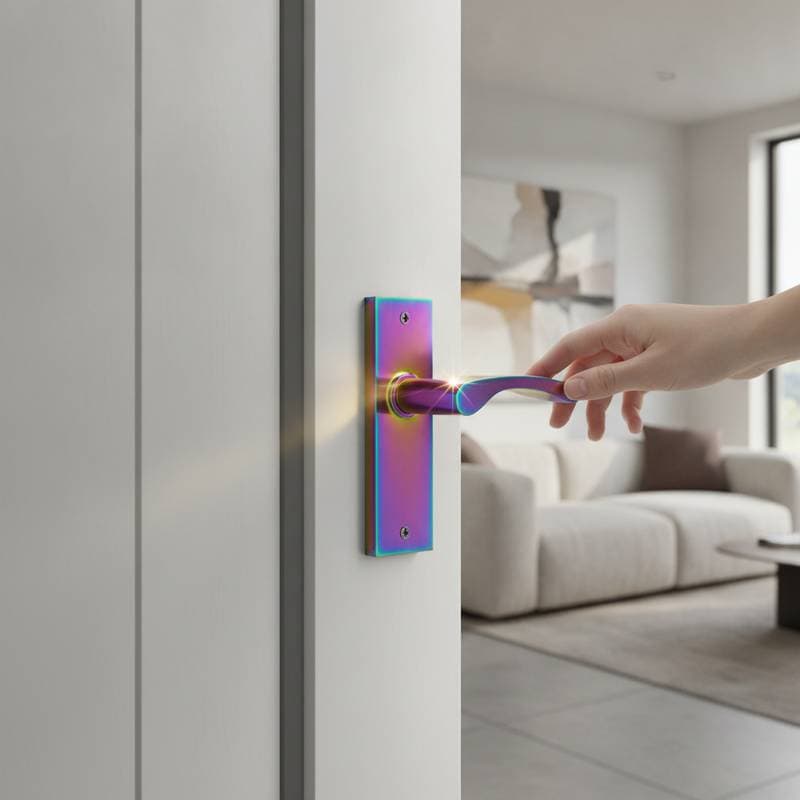
- Allocate remaining funds to a distinctive handle or decorative strap hinges that elevate the overall appearance.
Mid Range Approach (2000 to 4000 dollars)
- Blend partial reclaimed wood panels with new framing to maintain stability while controlling expenses.
- Apply custom stains that emphasize natural grain variation across consistent panel colors.
- Upgrade to soft close sliding systems that reduce wall wear and improve daily operation.
- Add matching reclaimed trim or a coordinating transom window to unify the design.
Invest Approach (4000 to 6000 dollars)
- Commission doors constructed entirely from reclaimed barn boards taken from original agricultural buildings.
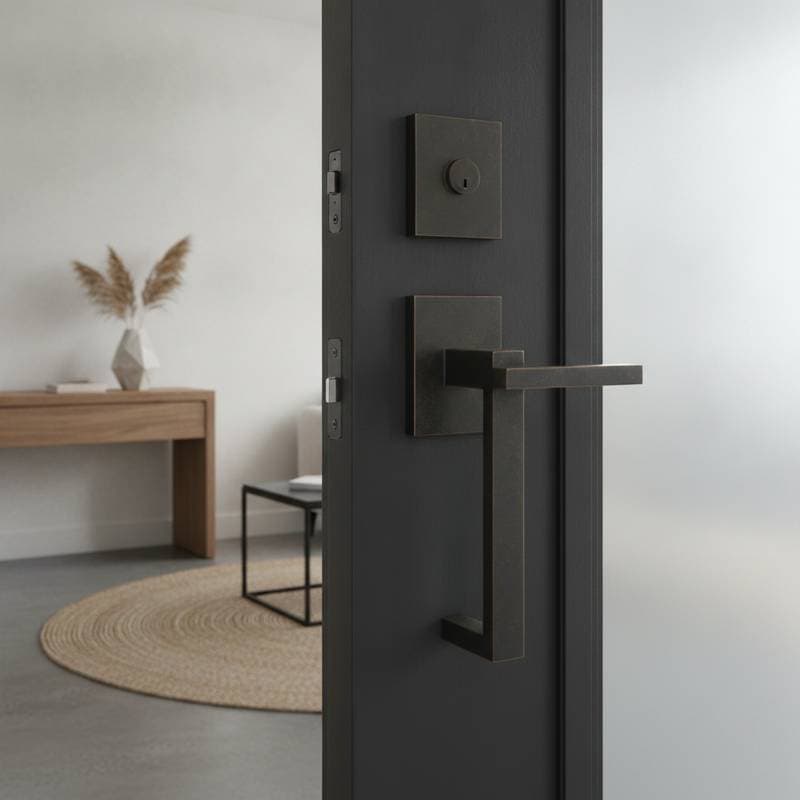
- Specify hand forged hardware and custom patina finishes that enhance the wood character.
- Choose double door configurations or oversized sizes to anchor large spaces or create dramatic transitions.
- Arrange professional installation that ensures proper weight distribution and lasting stability.
Material and Finish Recommendations
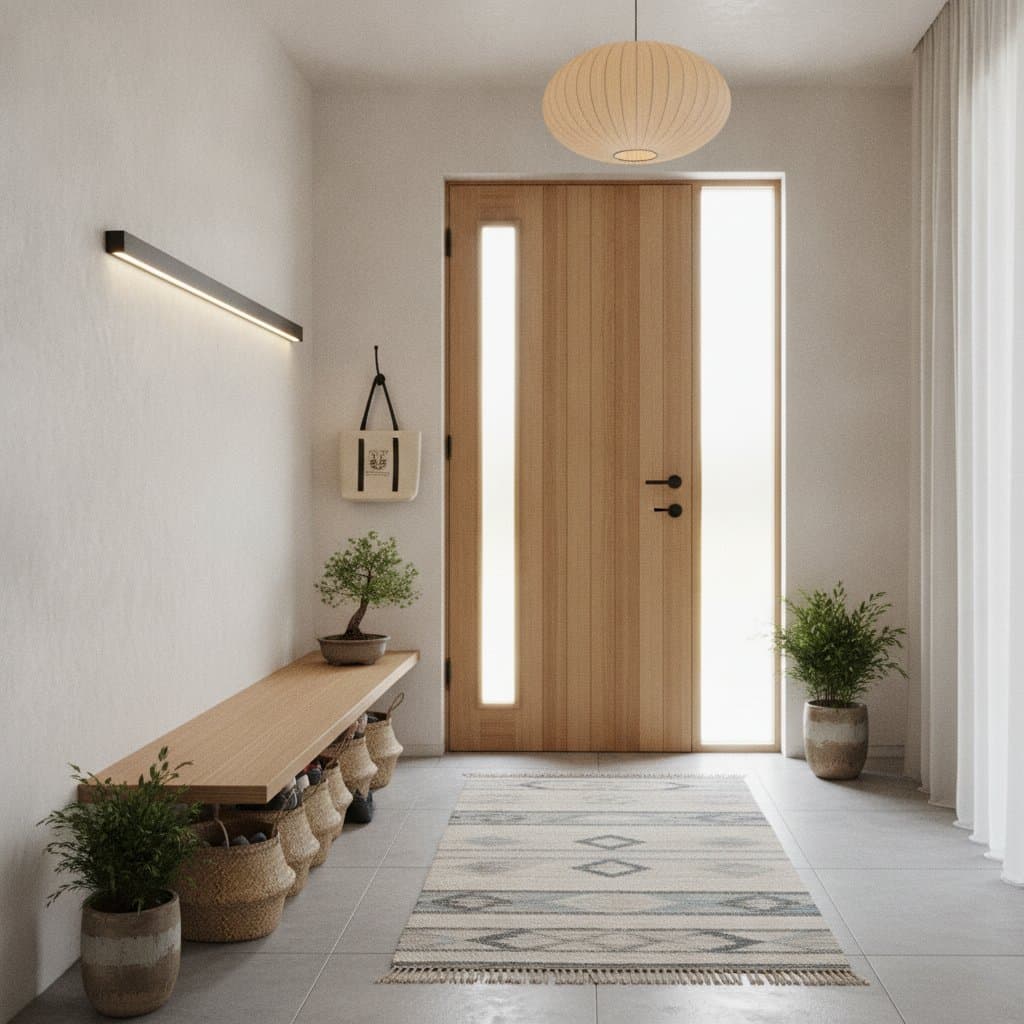
Matte black or bronze window frames complement reclaimed wood tones in adjacent openings. Frosted or reeded glass inserts provide privacy while preserving texture. True reclaimed oak or chestnut develops graceful aging, whereas pine acquires an appealing patina. Pair the doors with horizontal shiplap or vertical board siding in muted gray or off white for elegant contrast. Blackened steel brackets, oil rubbed bronze handles, and a natural jute rug nearby complete the visual narrative.
Maintenance Practices
Apply a clear matte sealant or natural oil finish to unsealed wood to prevent warping from humidity changes. Dust regularly with a dry cloth and inspect track hardware every few months. Lubricate tracks to sustain smooth movement. Engineered alternatives resist temperature shifts and surface wear when minimal upkeep is preferred. Never hang wet items or heavy objects on the door, as excess weight strains the structure.
Common Installation Errors to Prevent
Avoid matching wood tones exactly on floors, trim, and doors, because uniform stains flatten visual interest. Confirm load capacity of brackets and anchors before hanging heavy reclaimed panels. Maintain consistent indoor humidity to stop swelling or cracking. Prioritize quality door construction over expensive hardware when budgets are limited.
Compatible Color Palettes
Warm neutrals such as soft beige walls and cream trim allow the door to stand out against dark oak floors. Charcoal siding with weathered oak creates a bold modern farmhouse statement. Light gray walls and white oak floors suit aged pine doors in coastal settings. Exposed brick paired with black steel and walnut finishes highlights industrial character. Balance remains essential so the reclaimed texture serves as the primary element.
Pre Purchase Documentation Steps
Photograph existing openings from several angles. Capture close views of floor, trim, and wall colors. Record ceiling height, wall width, and any obstructions. Collect reference images of preferred finishes. Note architectural style and any homeowner association rules. Consider local humidity and sun exposure. Define budget priorities before ordering.
Achieving Long Term Impact
A reclaimed barn door connects modern spaces with heritage materials through visible grain and natural imperfections. Thoughtful coordination with surrounding surfaces turns an entry into a lasting focal point. Select climate appropriate materials, follow maintenance routines, and document decisions in advance. Proper preparation ensures the door enhances function and visual depth for years.