Acoustic Insulation Doors Deliver Strong Noise Reduction
Noise travels easily through standard interior doors, especially in homes with open layouts or shared walls. Acoustic insulation doors can reduce unwanted noise by as much as 85 percent. These doors create quieter and more comfortable living spaces through dense cores, specialized seals, and engineered materials that block sound transmission. Whether you work from home, have a home theater, or simply want better privacy, acoustic doors can improve comfort and focus.
Average Costs for Acoustic Doors
The cost of an acoustic insulation door depends on size, materials, sound rating, and installation complexity. Most homeowners spend between 800 and 2500 dollars per door, including labor. High performance models with premium finishes may reach 3500 dollars or more.
| Door Type | Average Total Cost | Sound Rating (STC) | Key Features |
|---|---|---|---|
| Standard Solid Core Door | 400 to 900 dollars | 30 to 34 | Basic sound control, affordable option |
| Acoustic Wood Door | 1000 to 2500 dollars | 35 to 40 | Dense wood core, stylish finishes |
| Acoustic Composite Door | 1200 to 3000 dollars | 38 to 45 | Multi layer construction, better isolation |
| Studio Grade Soundproof Door | 2500 to 5000 dollars | 45 to 55 | Professional grade noise reduction |
The STC, or Sound Transmission Class, measures how well a door blocks sound. A higher STC number means better noise control. For reference, a typical interior door has an STC of about 25, while acoustic insulation doors start around 35 and can exceed 50 in specialized applications.
How Acoustic Doors Work
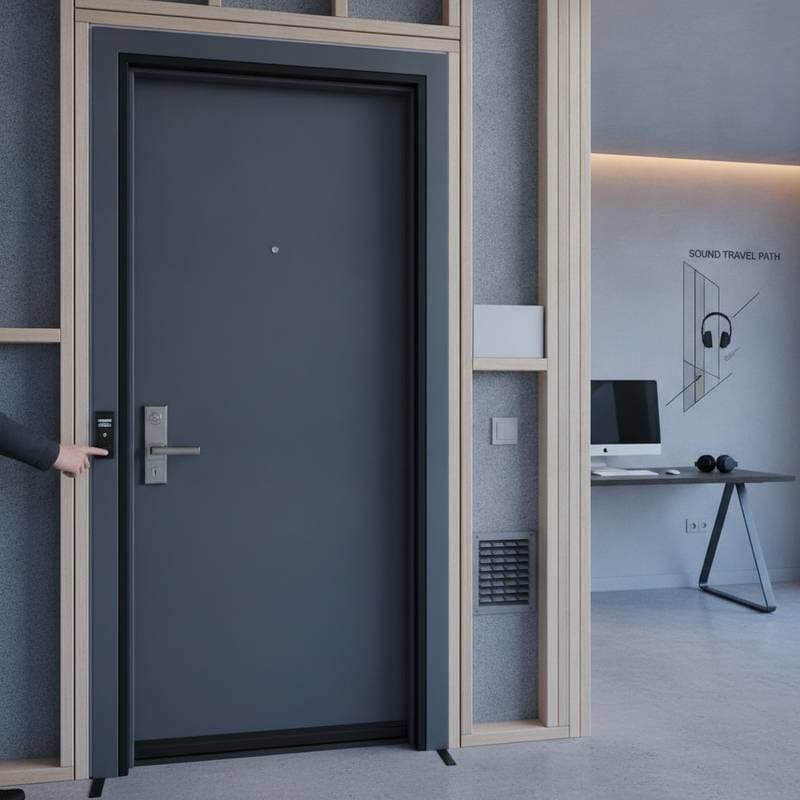
Acoustic doors use multiple techniques to control sound. The core often includes dense engineered wood, mineral wool, or acoustic foam layers that absorb vibrations. Perimeter seals and drop down thresholds prevent sound leaks around the edges. The door frame is also reinforced to eliminate gaps that let sound escape.
Contractor Mark Jensen, a certified door installer from Chicago, said, "The biggest mistake homeowners make is assuming a solid wood door alone will stop noise. Without proper seals and frame insulation, sound still finds its way through."
Key Factors That Influence Cost
Several variables affect the total price of an acoustic insulation door.
- Material Choice. Solid core wood doors are stylish and effective, while composite or laminated designs offer superior performance. Materials like MDF, engineered wood, and fiberglass composites provide better density and sound dampening.
- Sound Rating. Each increase of 5 STC points can raise costs by 10 to 20 percent, but it also improves noise isolation substantially.
- Installation Complexity. Retrofitting an existing frame can add 300 to 600 dollars in labor because installers must adjust hinges, seals, and thresholds precisely.
- Door Size. Oversized or custom height doors require additional materials and specialized hardware that increase total pricing.
- Finishes and Hardware. Decorative veneers, custom stains, or acoustic rated handles can raise costs but also improve the door durability and appearance.
Where Acoustic Doors Make the Most Sense
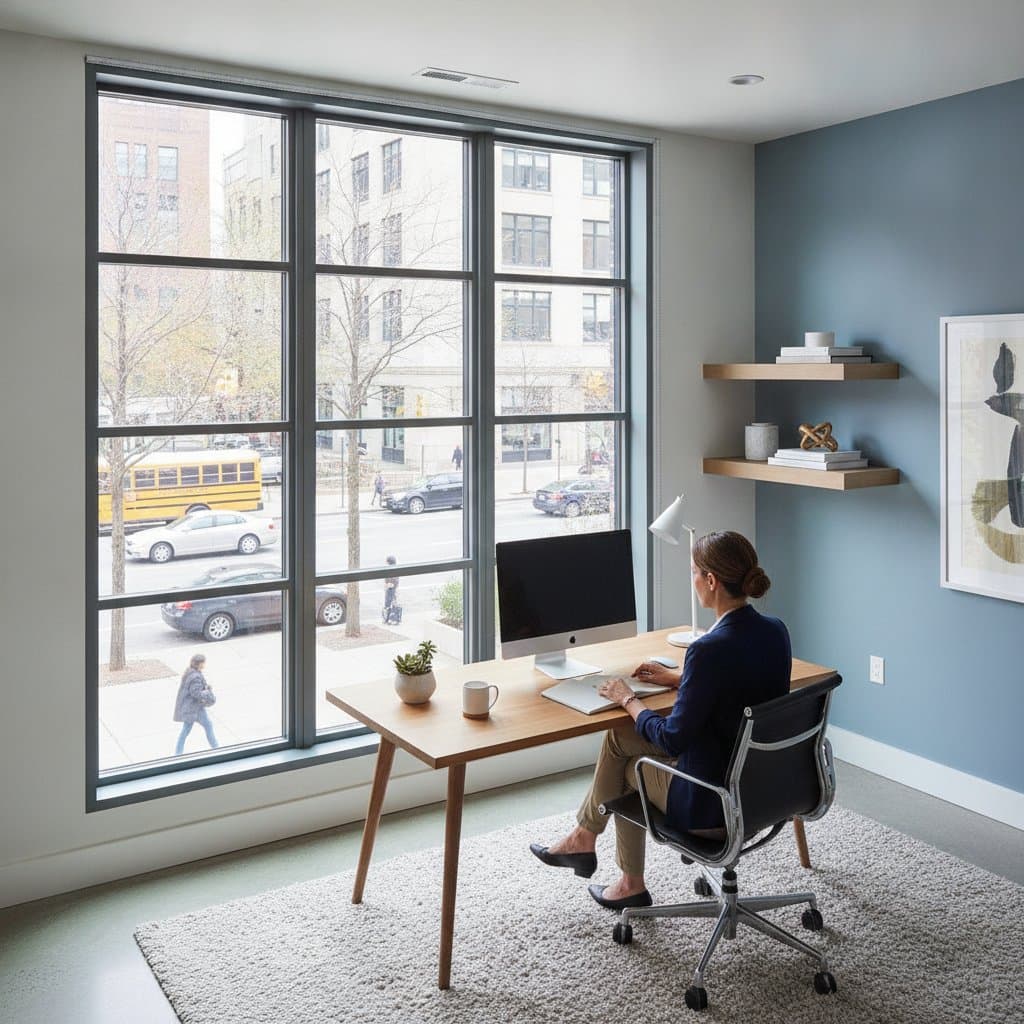
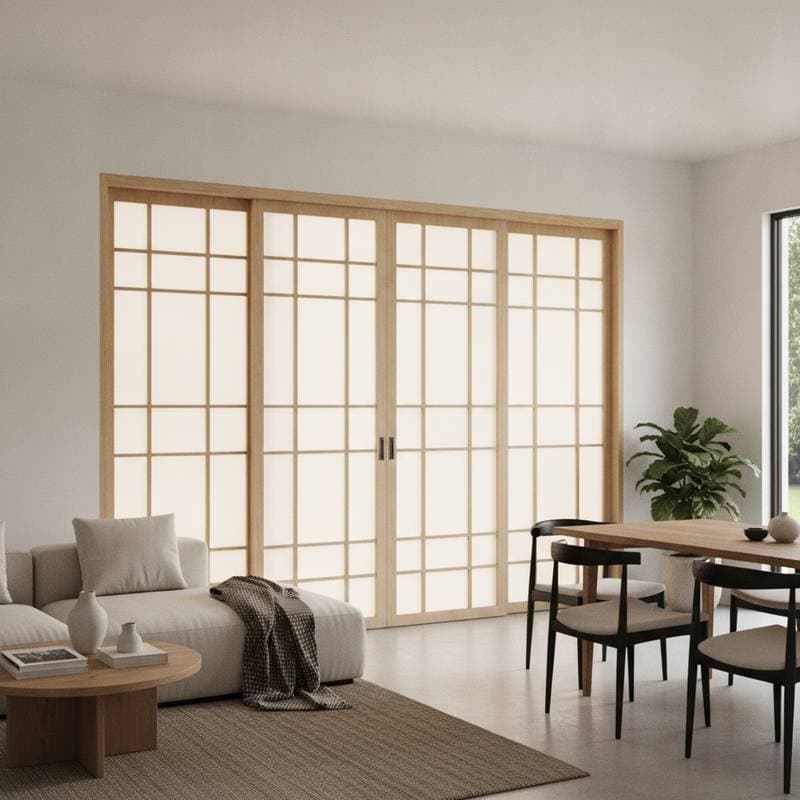
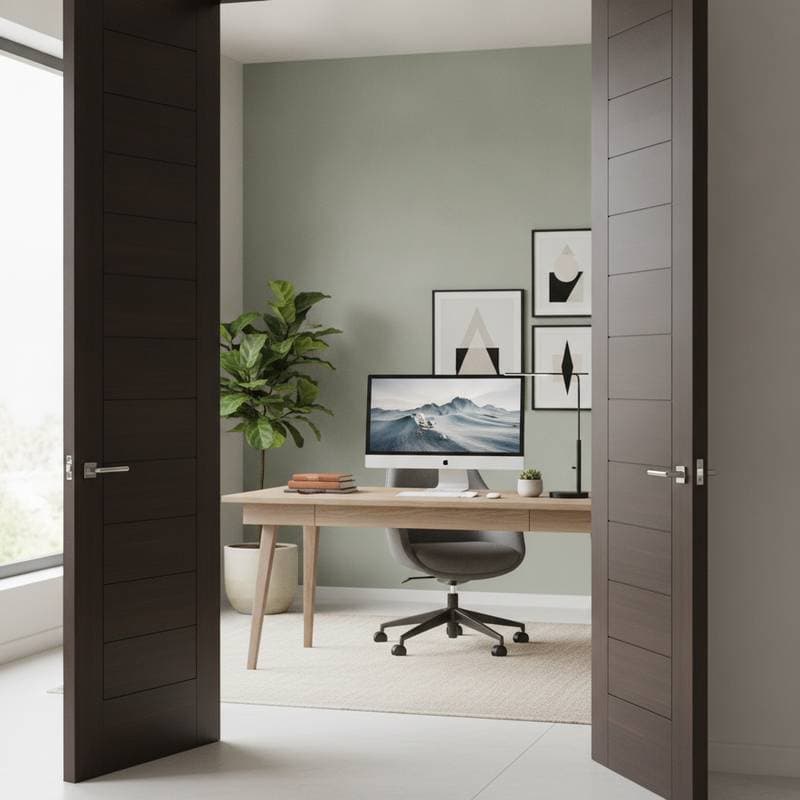
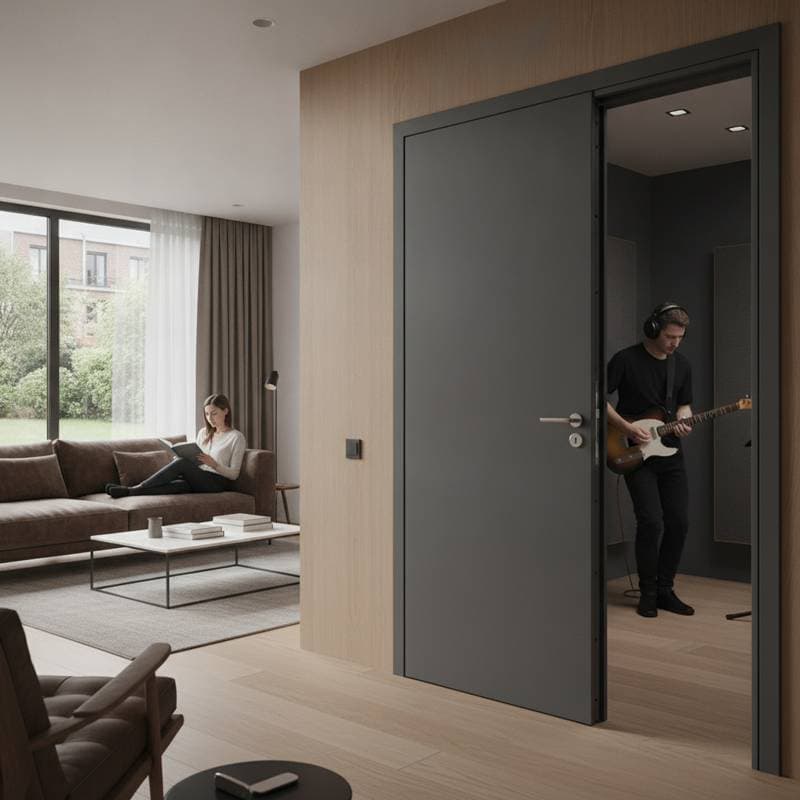
Certain rooms benefit more from acoustic doors than others. Home offices keep household noise out during work hours. Bedrooms improve sleep quality by blocking hallway or street noise. Home theaters or studios enhance sound clarity and prevent noise from escaping. Shared walls or apartments add privacy between units or adjoining rooms. In homes with open floor plans, acoustic doors help define quiet zones without compromising design flow.
DIY vs. Professional Installation
While some homeowners attempt basic door replacements, installing an acoustic door correctly requires precision. Misaligned hinges or poorly sealed thresholds reduce performance. Professional installers typically charge 200 to 600 dollars for labor, depending on the door type and frame condition.
A professional will verify correct door thickness and weight for the frame, apply acoustic perimeter seals, install drop down bottoms or thresholds, and adjust for airtight closure. For best results, hire a carpenter or installer experienced with acoustic rated products.
Comparing Acoustic Door Materials
Different materials offer varying balances of performance, aesthetics, and cost.
| Material | Cost Range | Durability | Maintenance | Best Use |
|---|---|---|---|---|
| Solid Wood | 800 to 2000 dollars | High | Occasional refinishing | Bedrooms, offices |
| MDF Composite | 1000 to 2500 dollars | Medium High | Low | Home theaters, offices |
| Metal Clad | 1800 to 3000 dollars | Very High | Minimal | Studios, commercial use |
| Glass with Acoustic Lamination | 1500 to 2800 dollars | Medium | Regular cleaning | Modern interiors |
Each option provides unique benefits. Wood and MDF offer warmth and texture, while metal and laminated glass deliver strong sound control with sleek visual appeal.
Maintenance and Longevity
Acoustic doors are built to last, but they need occasional care to maintain their seal performance. Check perimeter seals twice a year for wear or gaps. Clean hinges and lubricate moving parts to prevent squeaks. If the door includes an automatic drop seal, inspect it regularly to ensure it fully engages when closed. A well maintained acoustic door can perform effectively for 20 years or more, making it a smart long term investment in comfort and property value.
Expert Tips for Maximizing Noise Reduction
Seal every gap. Even small openings around frames or under thresholds can cut performance dramatically. Use acoustic grade sealant or weatherstripping. Pair with wall insulation. Combining acoustic doors with insulated drywall or soundproof panels can raise total noise reduction to over 90 percent. Choose the right STC rating. For bedrooms and offices, STC 35 to 40 is usually sufficient. Studios or theater rooms benefit from 45 and higher. Confirm proper fit. The door should close snugly without resistance. Gaps of more than 1/16 inch compromise noise isolation.
Planning Your Upgrade
Upgrading to an acoustic insulation door is one of the most effective ways to reduce noise transmission inside your home. With up to 85 percent noise reduction, these doors bring a noticeable improvement in comfort, focus, and privacy. Start by assessing which rooms need the most sound control, then compare STC ratings and materials that fit your design style. Work with a qualified installer to ensure proper sealing and alignment. The investment may seem higher upfront, but the results include lasting silence, improved productivity, and a more peaceful home.