Why Soundproof Doors Are Gaining Popularity Over Security Models
Homeowners once viewed doors mainly as barriers for safety and privacy. That perception is changing as more people seek peace and quiet within their living spaces. Recent market shifts show that soundproof doors now outsell traditional security doors.
The trend reflects a growing preference for comfort, acoustic control, and overall quality of living. Understanding why this change is happening helps homeowners make informed decisions about what kind of door best fits their lifestyle.
The Shift Toward Acoustic Comfort
Security doors have long symbolized safety and strength. They resist break ins and provide visible reassurance. Yet as neighborhoods become safer and home design priorities evolve, many people turn attention inward to seek tranquility.
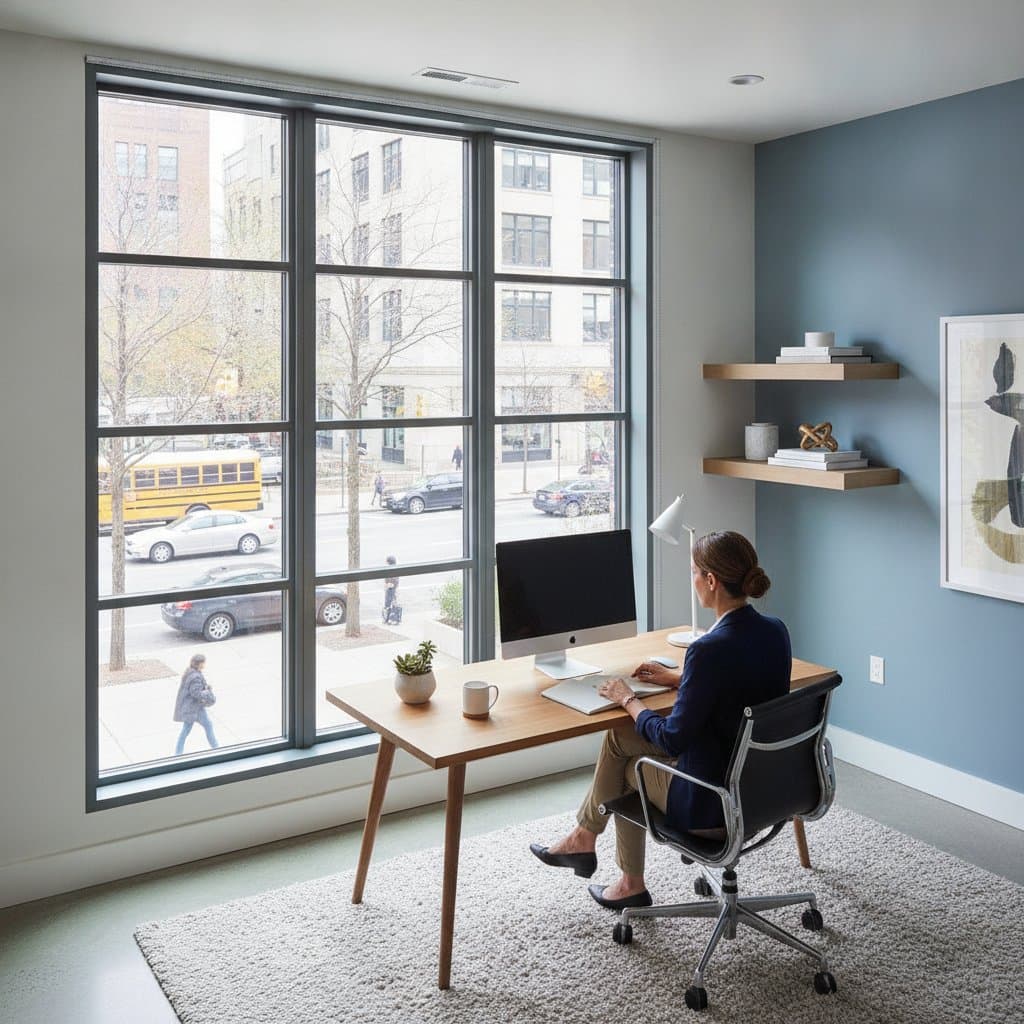
The constant presence of traffic, construction, and household noise has made quiet living spaces more desirable. A door that reduces unwanted sound can feel as valuable as one that resists forced entry. Soundproof doors address mental well being by limiting noise that affects concentration, sleep, and stress levels.
Mechanisms Behind Effective Sound Blocking
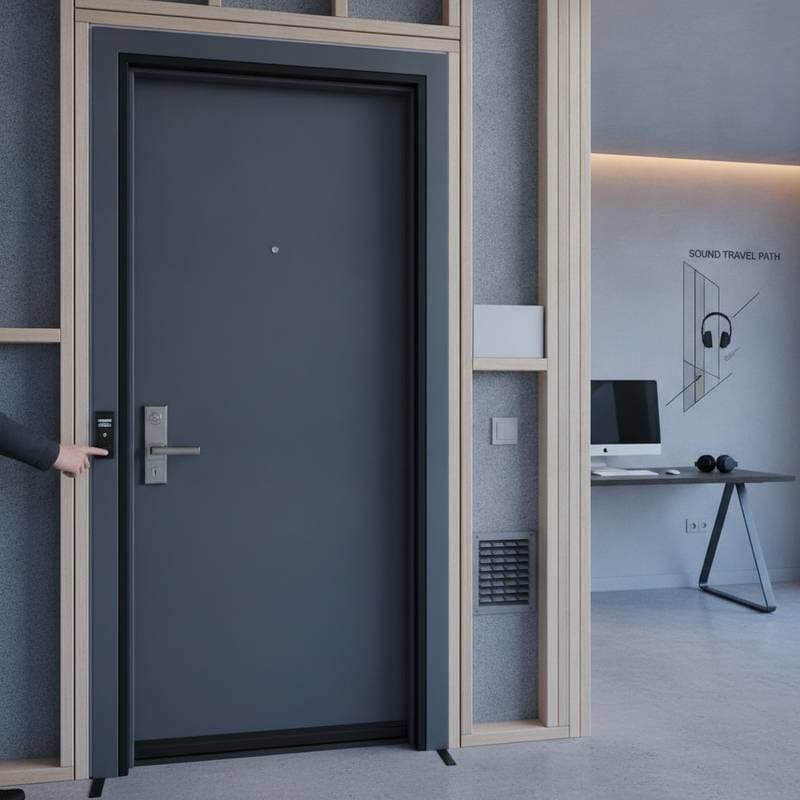
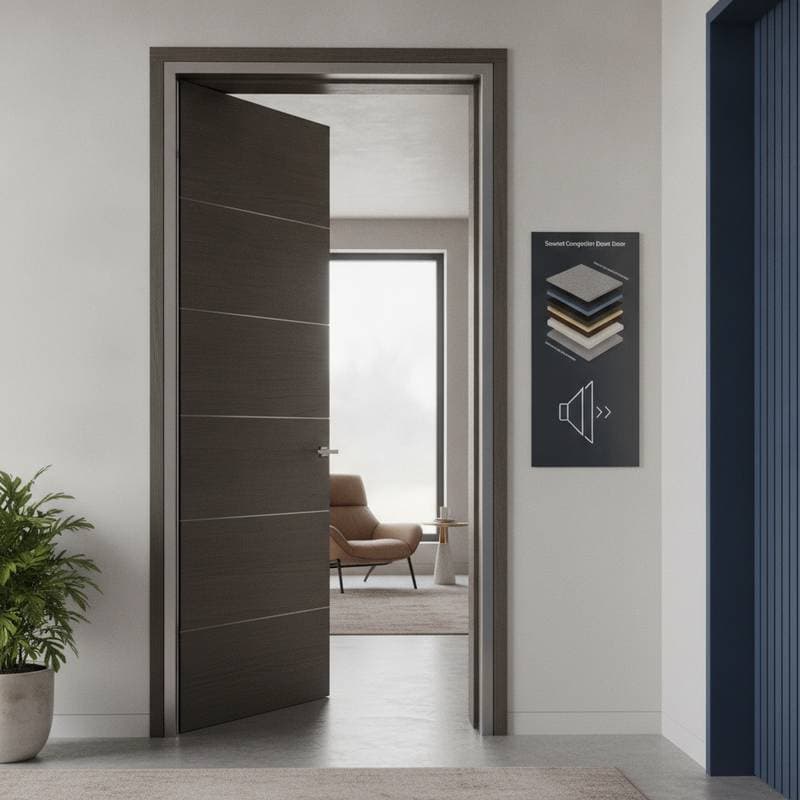
Soundproof doors use multiple layers and materials to block and absorb sound waves. Each component contributes to overall acoustic performance.
- Core materials such as solid wood, engineered composites, or dense mineral cores provide mass that reduces vibration.
- Perimeter seals and acoustic gaskets fill gaps where sound could escape and compress tightly when the door closes.
- Insulated door frames minimize gaps that allow noise leakage.
- Laminated or veneered surface finishes add density without compromising performance.
A well installed soundproof door can reduce noise transmission by 30 to 50 decibels. This difference transforms how people experience their homes.
Key Differences in Function and Design
Both door types serve protective purposes yet differ in focus, materials, and lifestyle implications.
| Feature | Soundproof Doors | Security Doors |
|---|---|---|
| Primary Function | Noise reduction and acoustic comfort | Physical protection against forced entry |
| Core Materials | Dense wood, acoustic foam, composite layers | Steel, metal alloys, reinforced frames |
| Appearance | Customizable with stylish finishes | Industrial or heavy duty appearance |
| Maintenance Needs | Occasional seal checks and finishing | Requires rust prevention and hinge lubrication |
| Installation Complexity | Moderate and requires precise sealing | High and often involves reinforced framing |
| Best For | Homes near busy areas, offices, studios | Ground level entries and vulnerable access points |
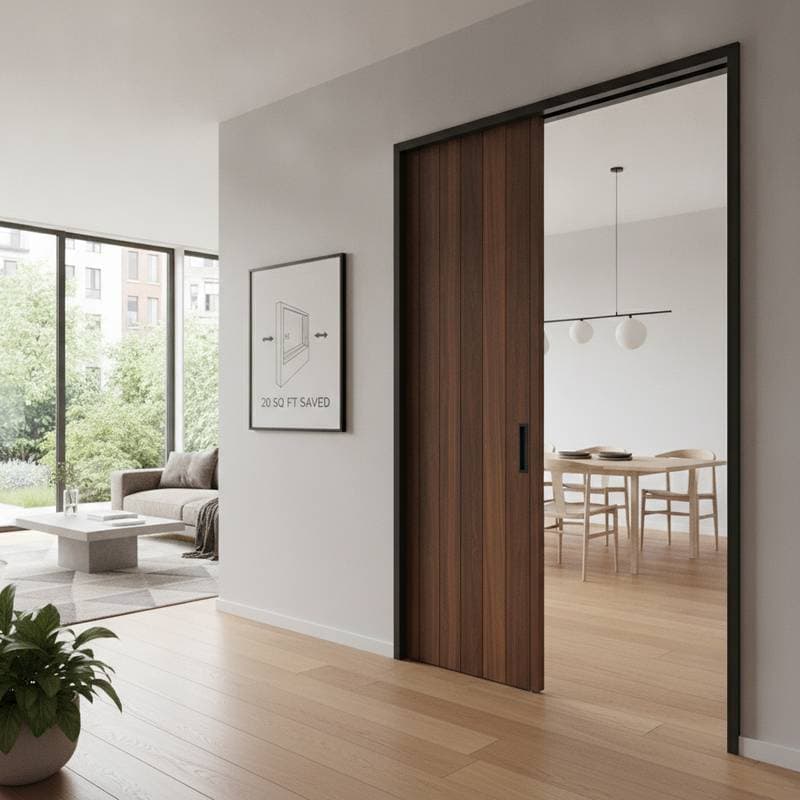
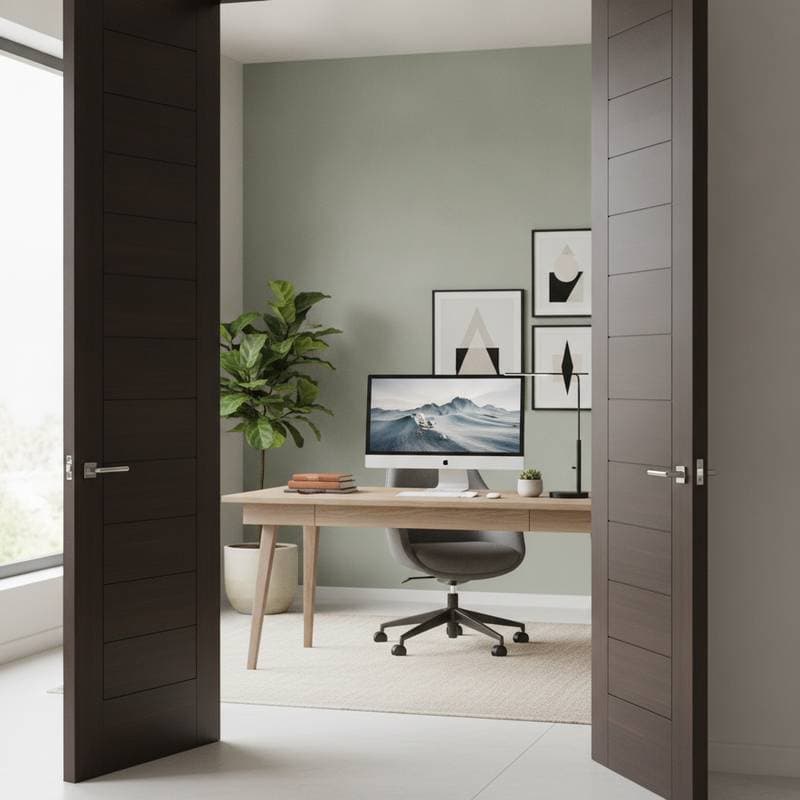
Soundproof doors rarely replace security doors at main entry points. They dominate in interior spaces such as bedrooms, home offices, and media rooms.
Lifestyle Factors Driving Demand
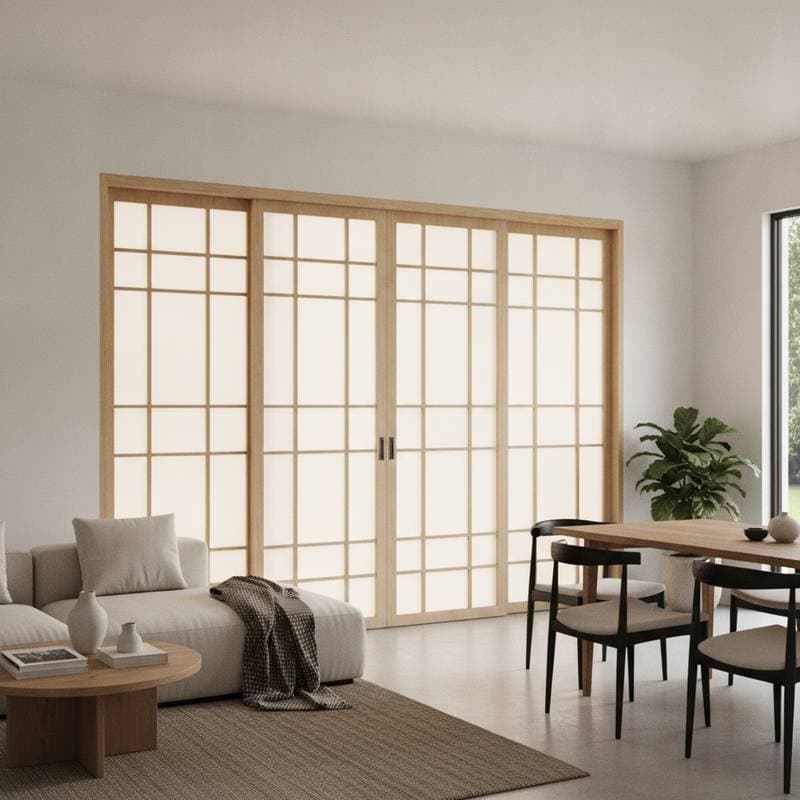
The preference for quiet living connects to broader changes. Remote work, digital entertainment, and open concept design have altered how people use interior spaces. A soundproof door helps create separation without sacrificing visual appeal.
Families appreciate the flexibility quiet rooms provide. A parent working from home can focus without distraction. Children can practice instruments without disturbing others.
Evaluating Costs and Long Term Benefits
Soundproof doors can appear more expensive at first glance due to layered construction and specialized seals. The investment often pays off through improved comfort and satisfaction.
Initial prices vary based on materials, door size, and acoustic rating. Solid core models cost more than hollow core designs but deliver far better results. Unlike decorative upgrades, acoustic improvements remain beneficial for decades and can enhance property value.
Soundproof doors require minimal upkeep. Regular inspection of seals and hinges maintains performance.
Steps for Successful Installation
Installing a soundproof door involves more precision than a standard replacement. The smallest gap can compromise effectiveness.
- Measure opening dimensions carefully and assess the type of noise to reduce.
- Remove existing trim and correct any irregularities in the framing.
- Fit the door with specialized acoustic seals so all edges contact the frame tightly.
- Verify even compression of gaskets and test sound reduction from both sides.
- Apply finish coatings if required and recheck the seal after normal use.
Professional installation is recommended for optimal results.
Selecting Appropriate Materials
Different materials influence both appearance and soundproofing quality.
| Material Type | Acoustic Efficiency | Maintenance | Aesthetic Options | Best Use |
|---|---|---|---|---|
| Solid Wood | Excellent for low frequency noise | Periodic refinishing | Natural grain, stains, paints | Bedrooms, offices |
| Engineered Composite | High performance and stable in humidity | Low maintenance | Veneers or laminates | Apartments, studios |
| Acoustic Metal Core Hybrid | Superior for industrial noise | Moderate care required | Limited finishes | Mechanical rooms, workshops |
| Glass with Acoustic Laminate | Moderate insulation with visual openness | Regular cleaning | Frosted or tinted styles | Home offices, partitions |
A solid core wood or composite door often provides the best balance between performance and visual warmth.
Energy Efficiency and Sustainability Benefits
Soundproof doors contribute to energy efficiency. The same seals that block noise also prevent drafts and stabilize indoor temperatures. Many acoustic doors use sustainable wood sources and recycled materials in their cores.
Routine Care for Sustained Performance
Proper care extends the lifespan of any acoustic door.
- Inspect seals for gaps or compressed sections and replace worn gaskets promptly.
- Lubricate hinges to ensure tight closure.
- Recoat wood finishes to resist moisture and wear.
- Monitor humidity to prevent expansion that could break seals.
Factors to Consider When Selecting Doors
Entry doors still need physical strength while interior spaces benefit from acoustic isolation. Consider noise exposure, design aesthetics, budget range, usage patterns, and future needs such as remote work or growing families.
Final Preparations Before Purchase
Verify that door frames are level and walls are structurally sound. Discuss acoustic rating requirements with the supplier and ask about warranty coverage. Contractors experienced in acoustic construction ensure every component performs as expected.
Homeowners who prioritize acoustic comfort report better rest, higher productivity, and greater satisfaction with their living spaces.