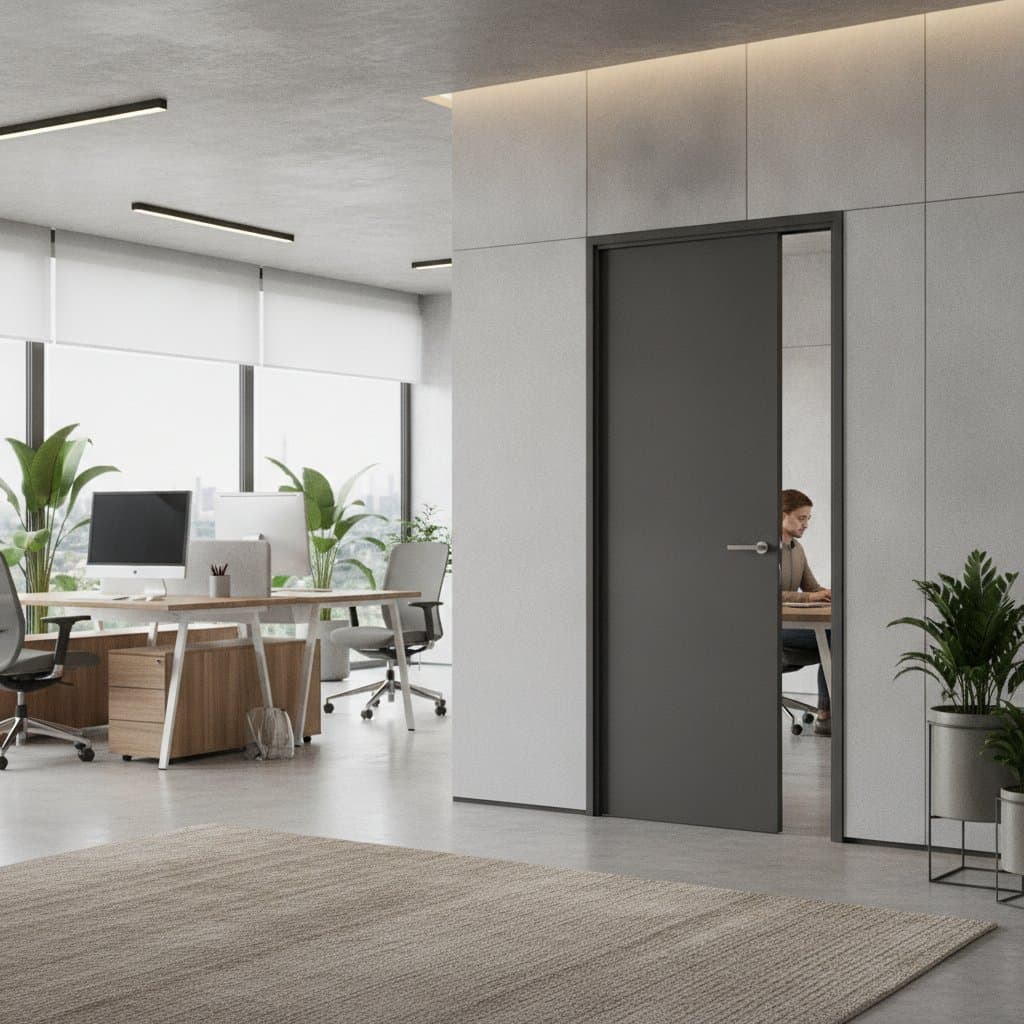
Soundproof Doors Cut Office Noise by 80 Percent
Open floor plans and hybrid workspaces have redefined how offices sound. Conversations, typing, phone calls, and video meetings often overlap and create constant background noise. Soundproof doors have become one of the most effective solutions for restoring focus and privacy in modern work environments. They can reduce unwanted sound by up to 80 percent when properly selected and installed.
The design of soundproof doors has evolved far beyond heavy industrial models. Today acoustic doors combine performance with sleek finishes. They offer materials, colors, and profiles that match contemporary office interiors. Whether used for conference rooms, executive suites, or home offices, they help balance aesthetics with acoustic control.
Why Soundproof Doors Matter in Modern Offices
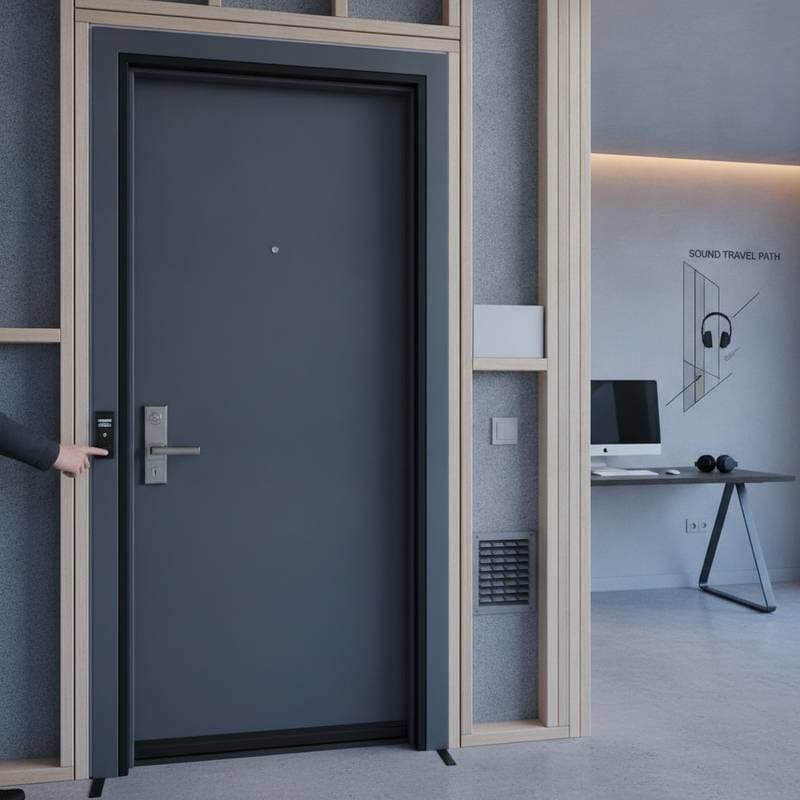
Noise distraction ranks among the most common complaints in open or shared workspaces. Even moderate sound levels can affect concentration and increase fatigue. Soundproof doors control sound transmission through dense cores, tight seals, and specialized thresholds. The result is a quieter and more private environment without sacrificing design quality.
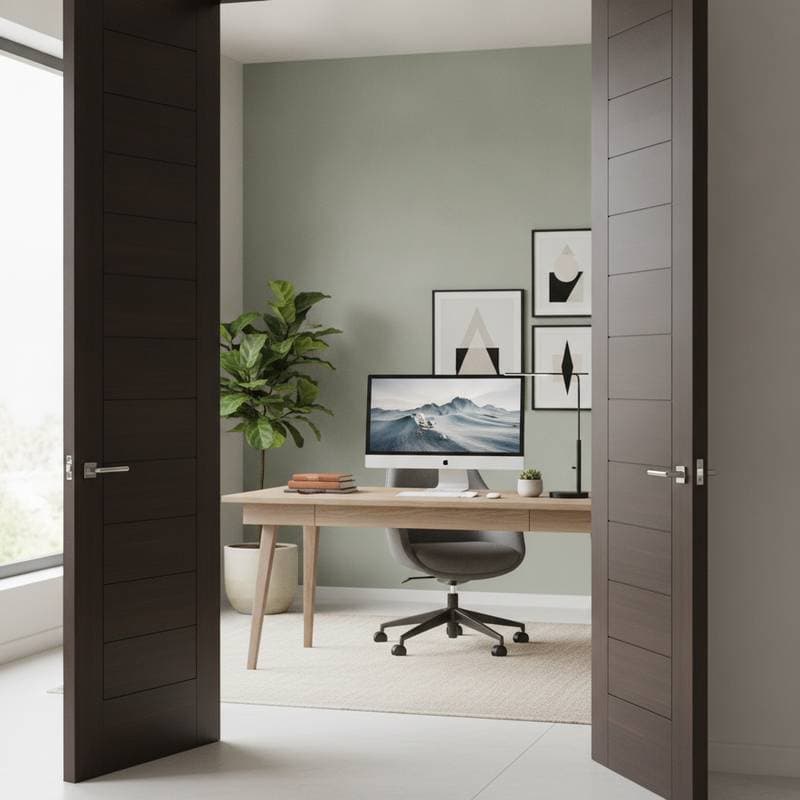
Glass-walled meeting rooms benefit from laminated acoustic glass paired with solid-core doors. Private offices can integrate wood veneer panels or painted MDF finishes that match surrounding millwork while blocking sound transfer. In home offices a soundproof door can separate work from daily household noise without requiring extensive remodeling.
Three Budget Approaches
Save Approach ($600 to $1,200)
Choose solid-core MDF or composite wood doors instead of hollow-core styles. These provide basic sound insulation at an affordable price. Use adhesive acoustic seals or door sweeps to close gaps at the perimeter. Weatherstripping provides an inexpensive upgrade that noticeably reduces noise. Invest in a quality automatic bottom seal that compresses against the floor when the door closes.
Mid-Range Approach ($1,200 to $2,500)
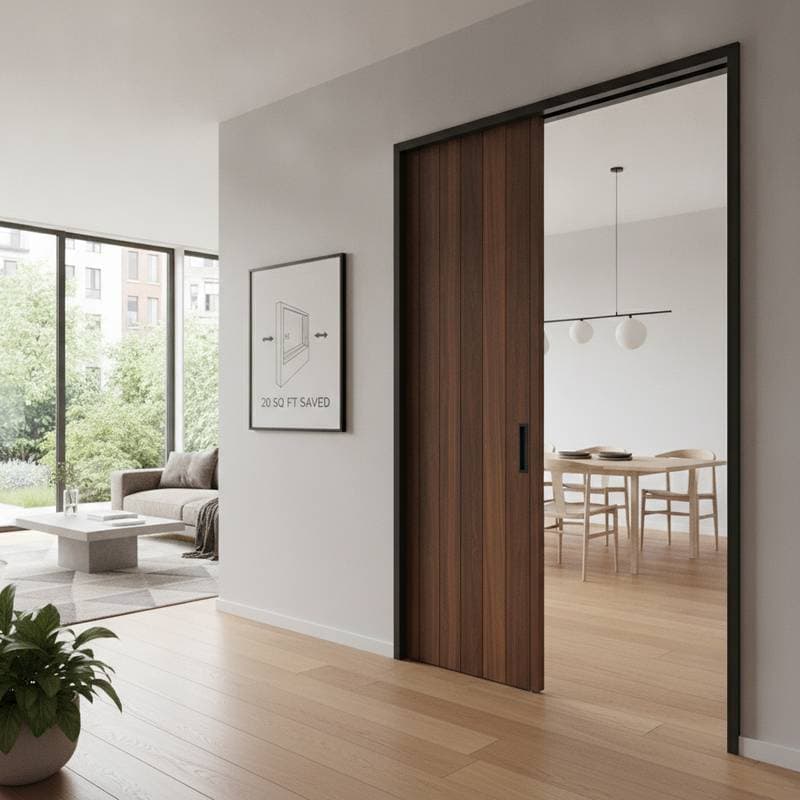
Opt for engineered wood or veneered doors with sound-rated cores. Pair them with soft-closing hinges and premium acoustic gasketing. Consider a door with an STC rating between 35 and 40. This level blocks most conversation and light office noise. Select finishes that match your office furniture or wall color. Oak, maple, and walnut veneers bring warmth to otherwise minimal interiors.
Invest Approach ($2,500 to $5,000)
Choose solid hardwood or laminated acoustic glass doors with full perimeter seals. Many high-performance models exceed STC 45 ratings and suit recording studios or executive boardrooms. Add custom hardware, concealed hinges, and flush frames for a seamless architectural finish. Integrated acoustic panels on the door face can double as design features. These doors last decades with minimal maintenance and enhance property value.
Material and Finish Guide
Windows
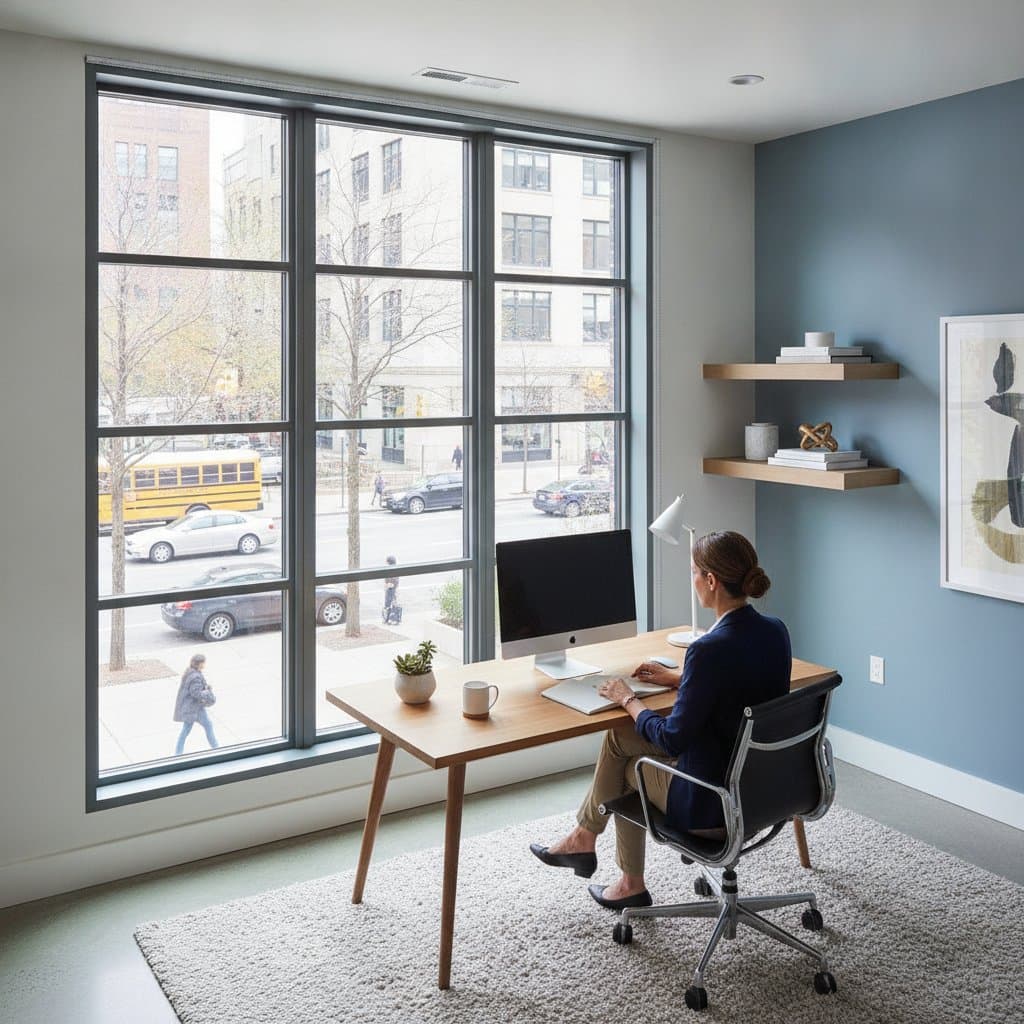
Windows near doors affect overall acoustic performance. Double or triple glazing with laminated glass helps balance light and sound control. Frame materials like aluminum-clad wood or composite profiles reduce vibration. Use matching finishes between window frames and door edges for visual consistency.
Doors
Solid-core, mineral-filled, or acoustic-laminated cores deliver the best results. Painted MDF, wood veneer, or laminate finishes can all achieve modern aesthetics. Choose lever handles or pulls in brushed nickel, matte black, or satin brass for contemporary appeal. Acoustic-rated hinges and magnetic latches improve seal performance. Frosted or patterned acoustic glass allows light while preserving privacy.
Wall Coordination and Trim
Textured wall panels, heavy drapery, or acoustic tiles reduce echo in office interiors. Coordinating wall colors with door finishes creates visual harmony. Minimal casing designs keep the focus on clean lines. Use matching paint or stain for a cohesive look. For contrast a slightly darker trim tone frames the door and defines the opening.
Maintenance Requirements
Soundproof doors require little upkeep once installed correctly. Regular cleaning with non-abrasive products protects finishes, especially on wood veneers or painted surfaces. Inspect rubber seals and gaskets quarterly to ensure they stay flexible and intact. Replace worn thresholds or seals to keep the sound rating consistent.
Glass doors may need more frequent cleaning to maintain clarity in high-traffic areas. Avoid excessive moisture near edges of wood or laminate doors where swelling could compromise the seal. Lubricate hinges annually to prevent squeaking or misalignment. Even budget-friendly models perform well with consistent maintenance.
Common Installation Mistakes
Hollow-core doors are too thin to provide meaningful sound isolation. Even with added seals they let voices and noise pass through easily. A door performance depends on its perimeter. Without proper gasketing even the best core cannot block sound effectively. Oversized gaps from poor hinge alignment create sound leaks. Always pair the correct hinge type with the door weight and material.
Many installations leave a visible gap under the door. This single oversight can cut soundproofing effectiveness in half. Glossy finishes reflect light and may feel out of place in muted professional environments. Matte or satin surfaces tend to look more refined.
Color and Style Options
A well-chosen finish makes the door an integrated design feature rather than an afterthought. For offices with contemporary decor neutral tones work best. Matte black and warm walnut combine modern sophistication with natural texture. Soft gray and brushed nickel appear clean and professional. White oak and charcoal hardware look bright yet grounded. Deep navy and satin brass add contrast and depth. Frosted glass and natural maple trim create a light-filled and calming effect.
Maintain consistency with window trim, cabinetry, or flooring when selecting colors. A unified palette increases perceived quality and creates a calm visual rhythm across the workspace.
Planning Steps
Before choosing or ordering soundproof doors gather the right documentation and assessments. Take clear photos of existing doors from multiple angles. Include both sides and surrounding wall areas. Capture any adjacent windows or glass partitions. Document ceiling heights and wall finishes to help designers match proportions and materials.
Identify the building architectural style. Note any HVAC vents or electrical switches near the doorway. Check local building codes and safety requirements for fire ratings or accessibility. In residential or mixed-use buildings confirm any rules regarding exterior appearance. In humid regions engineered cores resist warping better than solid wood. For dry climates veneer finishes prevent cracking or shrinkage.
Determine which spaces require the most acoustic privacy. Allocate budget based on noise sensitivity and traffic patterns. Plan phased upgrades if multiple doors need replacement. Begin with the noisiest zones for immediate benefit.
Selecting the Right Door
Soundproof doors influence how a space feels, how people communicate, and how work gets done. The right door transforms an echoing workspace into a calm environment where focus comes naturally. It also signals care for employee comfort and client privacy. For home offices a soundproof door can separate work from family life and create a mental and physical boundary that supports productivity.
Every design choice from hardware finish to core density contributes to the overall experience. Pair acoustic performance with materials that reflect company identity. Soundproofing improves both aesthetic and acoustic quality. Thoughtful investment ensures a workspace that looks refined and functions beautifully.