Composite Door Frames That Outlast Wood by 30 Years
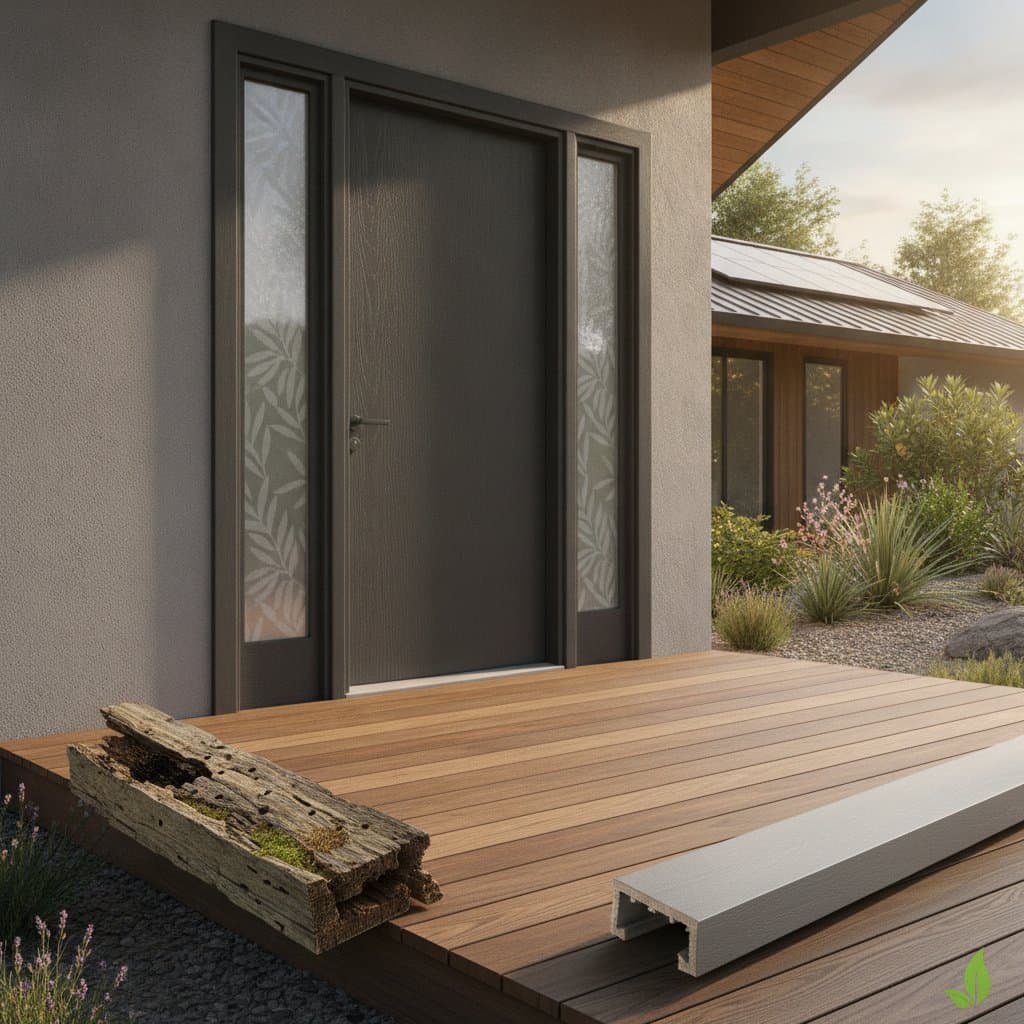
Composite door frames have become a preferred choice for homeowners seeking durability, style options, and reduced upkeep compared to traditional wood. This preference aligns with current trends in exterior design that favor materials offering both visual appeal and practical benefits. Composites replicate the appearance of wood while providing superior resistance to weather, insects, and wear.
Performance Advantages
Homeowners require materials that withstand harsh conditions while preserving appearance over time. Composite frames achieve this through a blend of polymers and recycled wood fibers that prevent swelling, cracking, and pest damage. The result is a stable seal around doors that lasts decades longer than wood alternatives. These frames accept paint or stain and match various entry door designs to retain classic aesthetics alongside modern reliability.
Material Pairing Recommendations
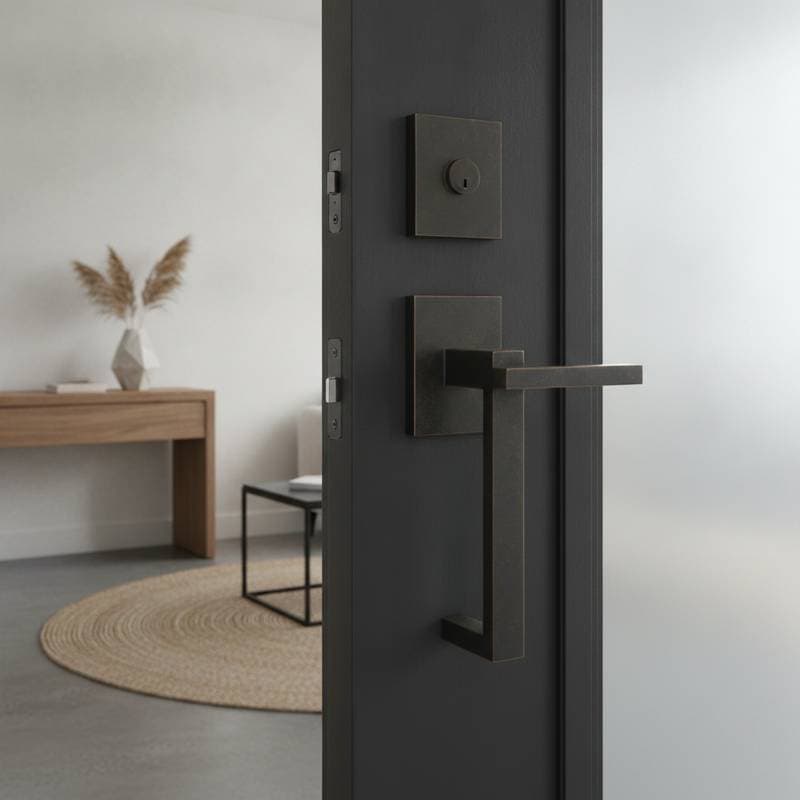
- Windows: Match frames with composite or aluminum clad casings. Black provides modern contrast, while gray or bronze suits traditional homes. Align hardware finishes with door handles.
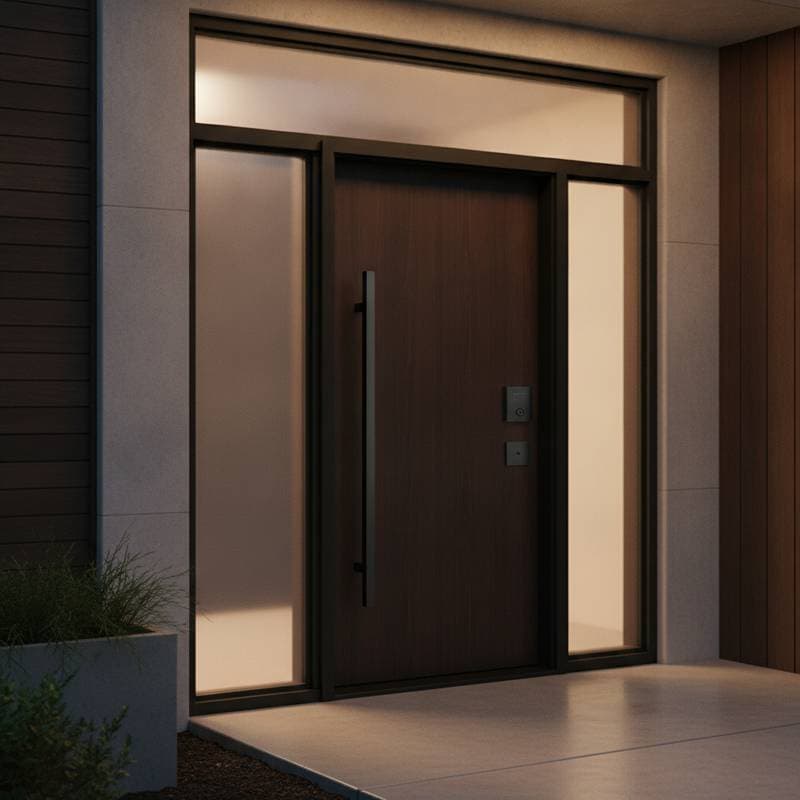
- Doors: Pair with fiberglass models that feature wood grain textures in shades such as oak or chestnut. Select glass inserts based on desired privacy and light levels.
- Siding: Combine with engineered wood or fiber cement products for shared moisture resistance. Neutral tones like sage or slate complement the frame grain.
- Trim: Apply PVC accents painted to coordinate with the frame. Add metal numbers and lighting to complete the entry.
Installation and Maintenance Pitfalls
- Avoid mixing wood jambs with composite sills, as this reduces overall rot protection. Install complete composite systems instead.
- Select manufacturer approved coatings and skip oil based primers that trap moisture.
- Ensure proper leveling and sealing during installation to prevent future failures.
- Limit decorative elements to maintain a clean appearance without visual clutter.
- Confirm that sills slope outward and flashing is applied correctly to manage water flow.
Site Documentation Steps
Photograph the property elevations, existing frames, and trim details before material selection. Note rooflines, sun exposure, and neighborhood guidelines to guide choices. Record budget priorities to focus spending on high impact areas. This record supports accurate planning and avoids mismatches.
Climate Adaptations
Composite frames perform across regions. Their sealed surfaces resist salt in coastal zones and UV damage in dry areas. Cold climates benefit from retained flexibility that avoids gaps during freezes. Lighter colors reflect heat in warm locations, while the lack of organic fibers eliminates rot in humid settings. Mountain areas see reduced swelling compared to wood. When integrated with matching siding and insulation, these frames enhance energy efficiency through better seals.
Cost and Long Term Value
Initial costs exceed those of wood frames, yet replacement expenses decrease due to extended service life. Maintenance drops because repainting and adjustments for warping are unnecessary. Begin with the main entry for visible gains, then expand to other doors as budgets allow. Real estate agents observe that updated exteriors indicate overall property quality and support stronger resale outcomes.
Entryway Design Choices
The entryway reflects the character of a home for years to come. Composite frames support design goals without concerns over decay. Coordinated siding, windows, and trim produce balanced exteriors that endure seasonal changes. Color selections can express individual preferences while preserving structural integrity.