Cut Home Noise 85 Percent with Modern Sound-Dampening Doors
The hum of traffic, barking dogs, and appliance buzz create noise fatigue in many homes. Homeowners increasingly find that the path to greater peace begins with doors rather than walls or windows. Modern sound-dampening doors combine strong acoustic performance, flexible design options, and energy efficiency in a single upgrade. Understanding how these doors function and how to select styles that match a home allows noise reduction of up to 85 percent without sacrificing appearance.
Why Sound-Dampening Doors Matter
Every residence carries its own pattern of sound. Open layouts, hard floors, and thin hollow-core doors increase even minor noises. Swapping those doors for solid-core or specially engineered models lowers sound travel between rooms right away. Bedrooms become calmer, offices stay productive, and shared areas feel more comfortable.
Sound control also supports a broader focus on sensory wellness in design. Sound influences mood as much as light or color. A quieter home feels more private and restful.
Core Components of Acoustic Doors
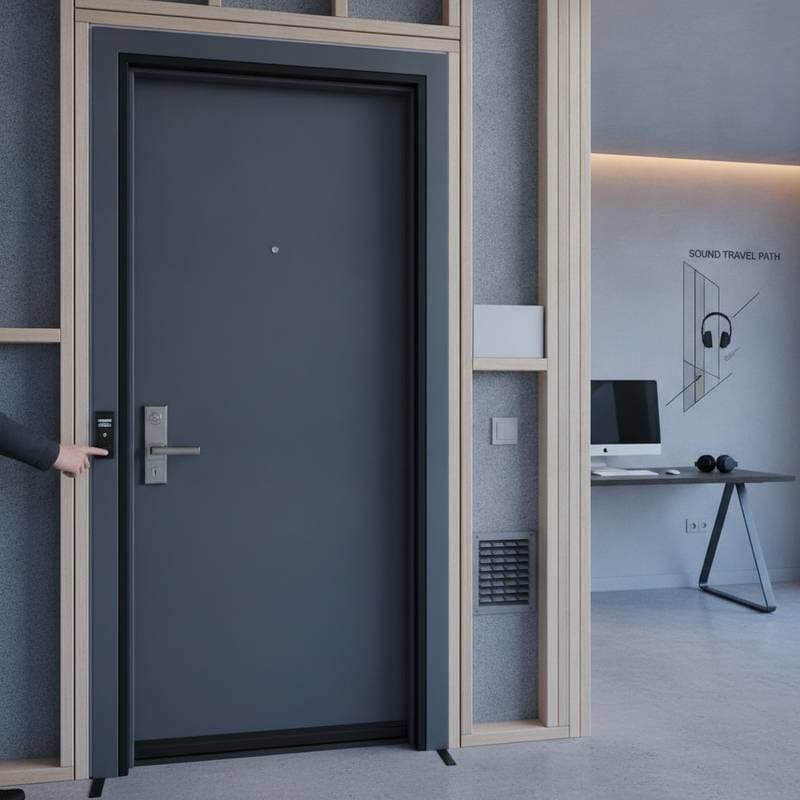
Effective acoustic doors rely on three elements: core material, perimeter seals, and surface finish. Each choice shapes sound reduction, appearance, and upkeep.
- Choose solid wood, engineered composite, or metal-clad cores for interior use. Solid wood or medium-density fiberboard with acoustic inserts offers the strongest mix of looks and performance.
- Add compression seals made from silicone or EPDM rubber around jambs and thresholds to block gaps where sound leaks.
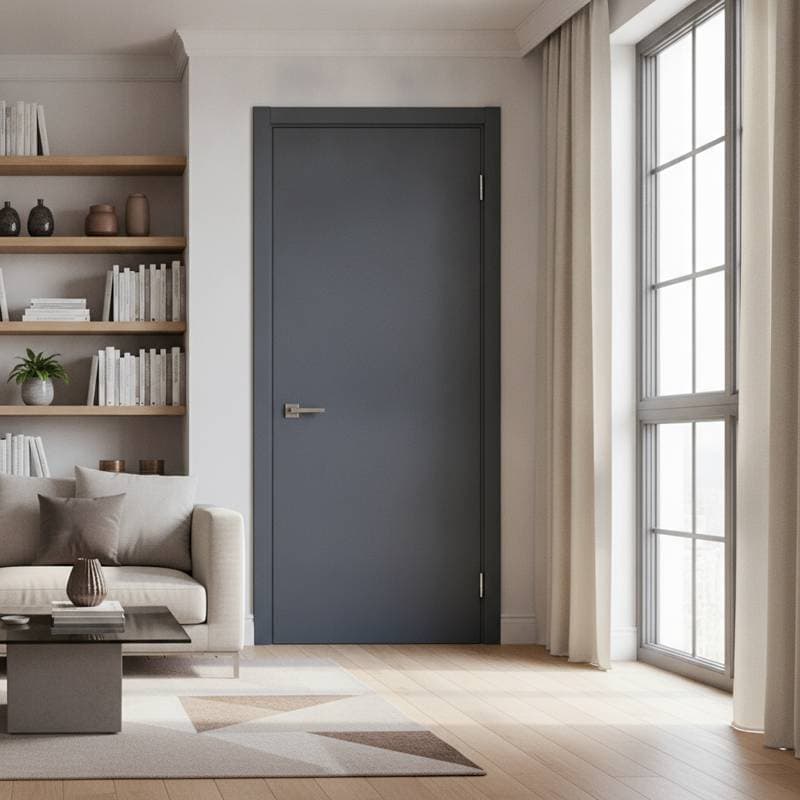
- Select finishes that match existing trim. Wider casing profiles hide seals while keeping the door integrated with the room.
For projects that also involve windows, pair acoustic doors with double-pane or laminated glass in matching frame colors such as black, bronze, or soft gray.
Common Installation Errors to Avoid
- Selecting style without checking performance leaves lightweight hollow-core doors unable to block sound. Confirm the Sound Transmission Class rating before buying.
- Overlooking the frame allows sound to pass through small gaps. Use acoustic-rated jambs and threshold systems for full sealing.
- Poor alignment reduces results even with premium doors. Hire an installer experienced with acoustic assemblies.
- Complete airtight sealing can restrict airflow. Maintain ventilation through other paths when several acoustic doors are installed.
Planning Your Project
Gather reference photos and notes before ordering. Document current door openings from several angles, note architectural details that affect panel layout, and record any neighborhood guidelines on finishes. Note local climate conditions such as humidity or temperature changes. Set budget limits and rank rooms by need for quiet.
Integrating Doors with Other Surfaces
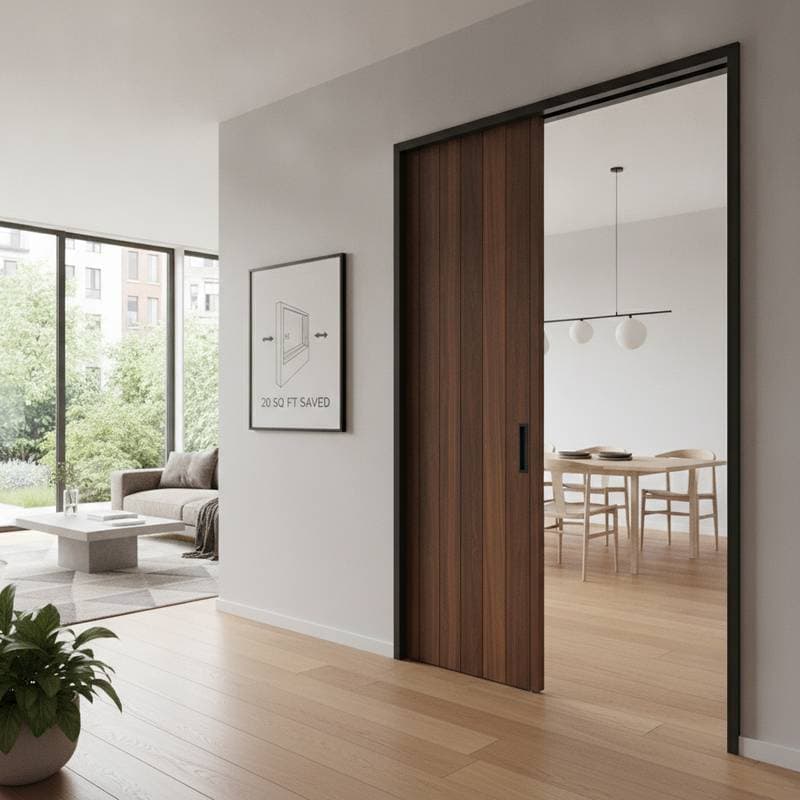
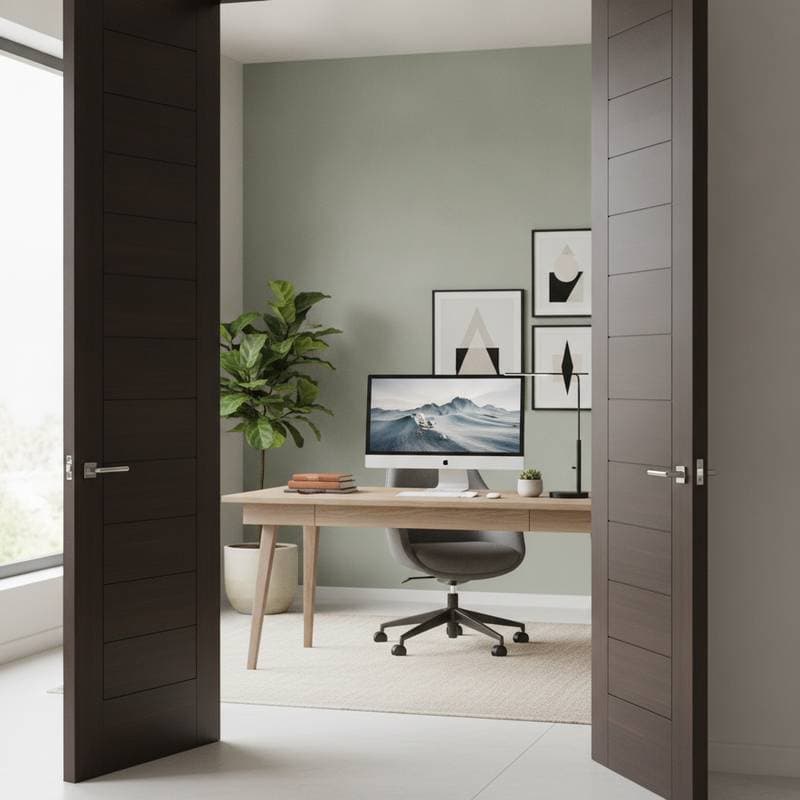
Sound reflects off glass, metal, and tile. Pair acoustic doors with rugs, upholstered furniture, and textured wall panels to improve overall quiet. In open homes, place these doors at offices, bedrooms, and laundry rooms to create calm zones without closing the entire floor plan. In multi-level houses, acoustic doors at stair entries limit vertical noise travel.
Performance Across Climates
Humid regions require moisture-resistant cores and silicone or EPDM seals to prevent swelling. Dry climates benefit from UV-resistant finishes that resist cracking. Cold areas gain from thermal breaks and multi-layer cores that limit warping. Coastal homes need stainless or powder-coated hardware to fight corrosion and maintain both appearance and sound control.
Budget and Value Considerations
Focus upgrades where quiet matters most: bedrooms, nurseries, home offices, and media rooms. Entry doors facing busy streets also deliver strong returns. On limited budgets, replace two or three key doors and add weatherstripping or rugs for extra effect. Mid-range projects support full sets of solid-core doors with seals. Higher budgets allow custom veneers, concealed hinges, and automated seals.
Sound-dampening upgrades increase perceived quality at resale. Buyers notice how solid and quiet a home feels, which often leads to faster sales and stronger offers.
Working with Installers
Acoustic doors need precise alignment. Verify that frames are square before work begins. Contractors must follow manufacturer torque settings for hinges and closers. Professional installation is recommended for true acoustic systems. Check local codes for fire rating, egress, and accessibility requirements.
Achieving Lasting Quiet
Sound-dampening doors shape daily comfort by blocking noise and supporting a calm atmosphere. Thoughtful material choices, accurate installation, and coordinated finishes deliver the quiet that good design provides.