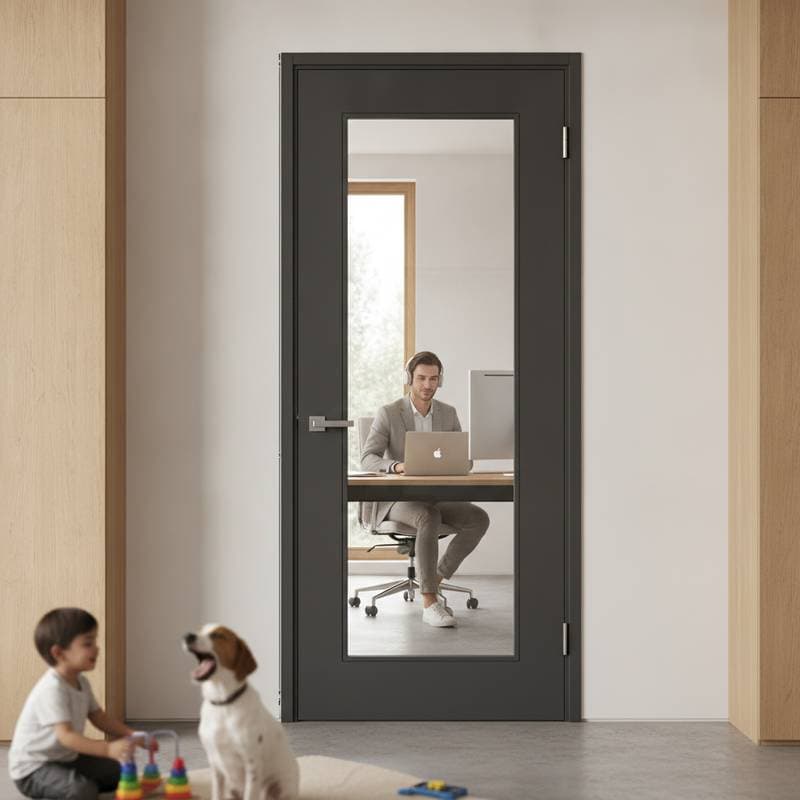
Acoustic Doors Reduce Noise 85 Percent for Better WFH Focus
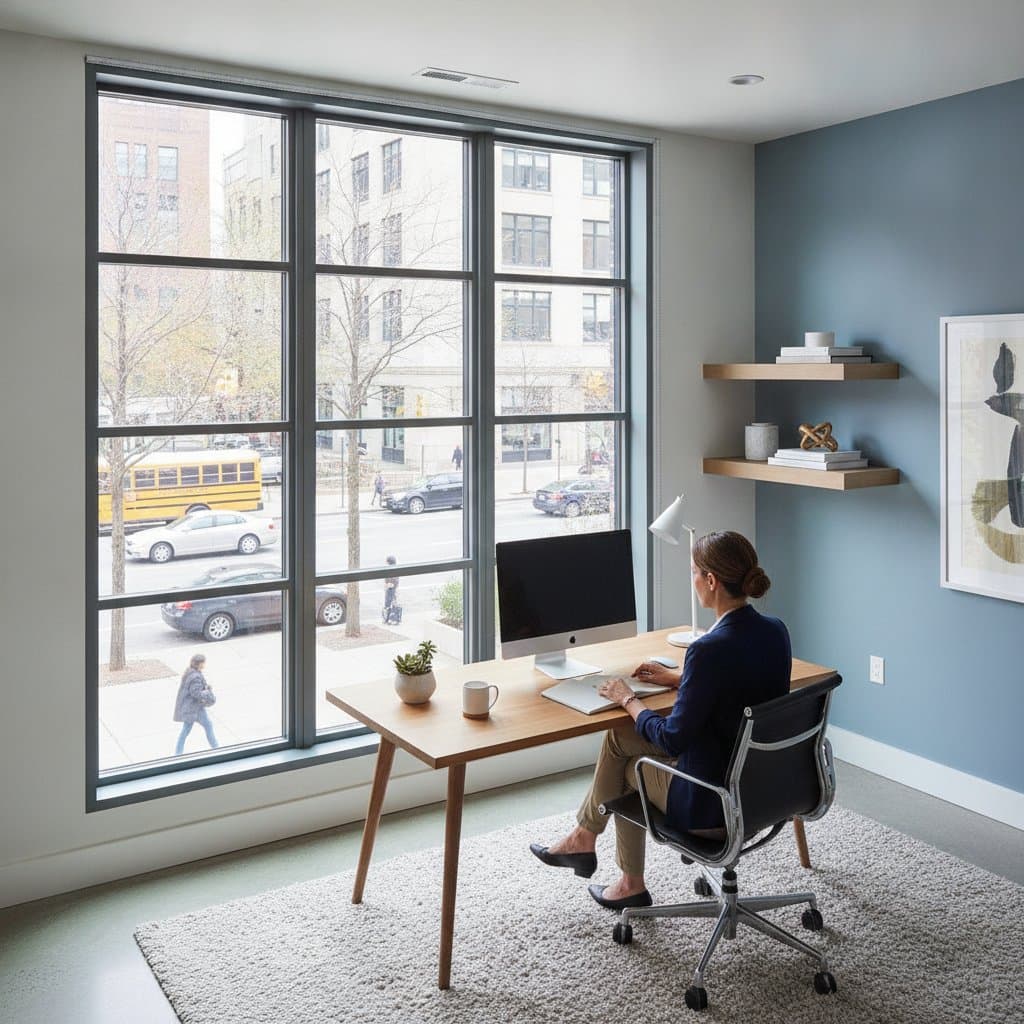
Working from home can be productive, but background noise often makes it difficult to stay focused. Traffic, neighbors, or household activity can quickly disrupt concentration. Acoustic doors provide a practical solution by reducing noise transfer up to 85 percent and creating a quieter, more professional home office environment.
What Acoustic Doors Do
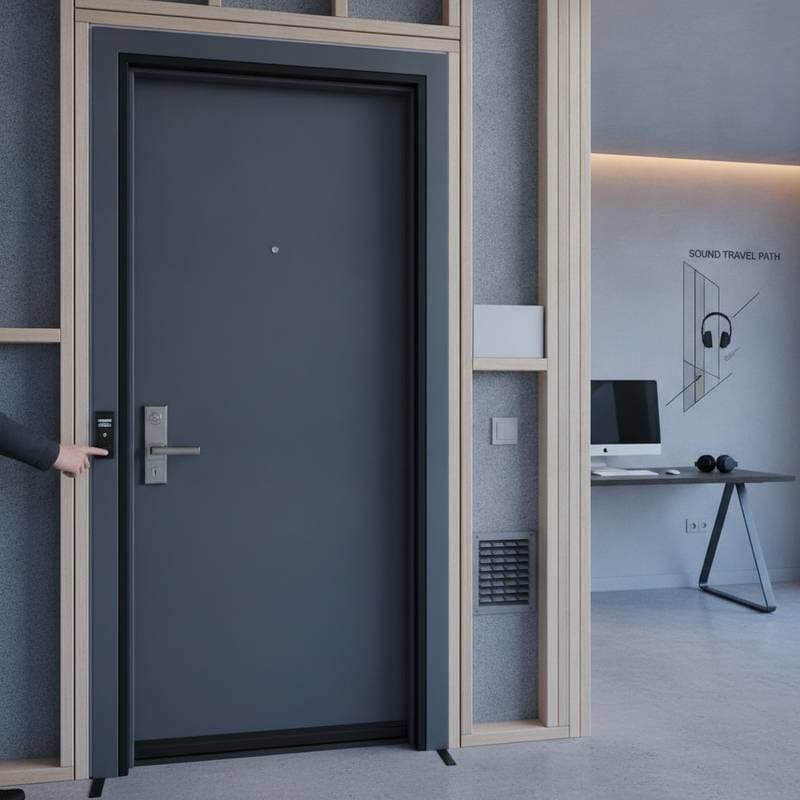
Acoustic doors are engineered to block sound transmission between rooms. They typically feature dense cores, sound absorbing seals, and specialized frames that limit air gaps where noise can travel. When installed correctly, these doors can reduce sound levels by 30 to 50 decibels, depending on their rating and materials used.
Residential contractor Daniel Ruiz of QuietBuild Interiors notes that homeowners often underestimate how much sound passes through standard hollow core doors. Replacing them with solid acoustic models instantly changes the acoustic comfort of a workspace.
Typical Cost to Install Acoustic Doors
Acoustic door pricing varies by material, size, and sound rating. Homeowners typically spend between $600 and $1,800 per door, including labor. Higher end models designed for recording studios or high traffic areas can exceed $2,500.
| Door Type | Average Cost (Installed) | Sound Reduction Rating | Common Use |
|---|---|---|---|
| Hollow Core Interior Door | $150 to $300 | Low (10 to 15 dB) | Basic interior separation |
| Solid Wood Door | $400 to $900 | Medium (20 to 25 dB) | Home offices, bedrooms |
| Acoustic Composite Door | $900 to $1,800 | High (30 to 45 dB) | Professional offices, studios |
| Premium Soundproof Door | $1,800 to $2,500+ | Very High (45 to 50+ dB) | Recording or media rooms |
Labor contributes about $200 to $400 of the total cost, depending on frame modification and sealing requirements. Custom frame adjustments or built in acoustic seals can raise the price slightly but significantly improve performance.
Key Factors That Influence Cost and Performance
Several factors determine how well an acoustic door performs and how much it costs.
- Material Density. Solid wood and composite cores provide greater mass, which helps block sound energy.
- Sealing System. Perimeter seals and drop seals at the threshold close air gaps that allow sound leakage.
- Door Thickness. Doors thicker than 1.75 inches generally perform better acoustically.
- Installation Quality. Even the best door will underperform if the frame is poorly fitted or the seals are loose.
- Room Layout. The effectiveness of acoustic doors increases when combined with insulated walls and rugs or curtains that absorb excess sound.
Why Acoustic Doors Improve WFH Productivity
A quieter workspace directly supports better focus and communication, especially for video calls and concentrated tasks. Reducing noise interruptions can improve speech clarity and lower fatigue caused by constant background sounds.
Home offices located near kitchens, laundry rooms, or entryways benefit most from acoustic doors. The improved sound isolation helps maintain professional audio quality during calls and creates a boundary between personal and work life.
Soundproofing consultant Marissa Lee of SoundSpace Solutions observes that even a mid range acoustic door can change how a home office feels. The reduction in daily distractions often justifies the cost after the first few weeks of use.
DIY vs. Professional Installation
Some homeowners attempt DIY installation to save money, but proper acoustic sealing can be tricky. Professional installers ensure that the frame, threshold, and seals align correctly, which is essential for achieving the full noise reduction rating.
If you choose to install the door yourself, use acoustic rated weatherstripping, fill any frame gaps with acoustic caulk, and test for leaks. Small sound leaks around the perimeter can reduce overall performance by 20 percent or more.
Maintenance and Longevity
Acoustic doors require little maintenance beyond occasional cleaning and seal inspection. Check perimeter seals every six months for wear or compression. Replace damaged seals immediately to maintain sound isolation performance. Hinges should be lubricated annually to ensure a tight and consistent door closure.
Selecting the Right Acoustic Door for Your Space
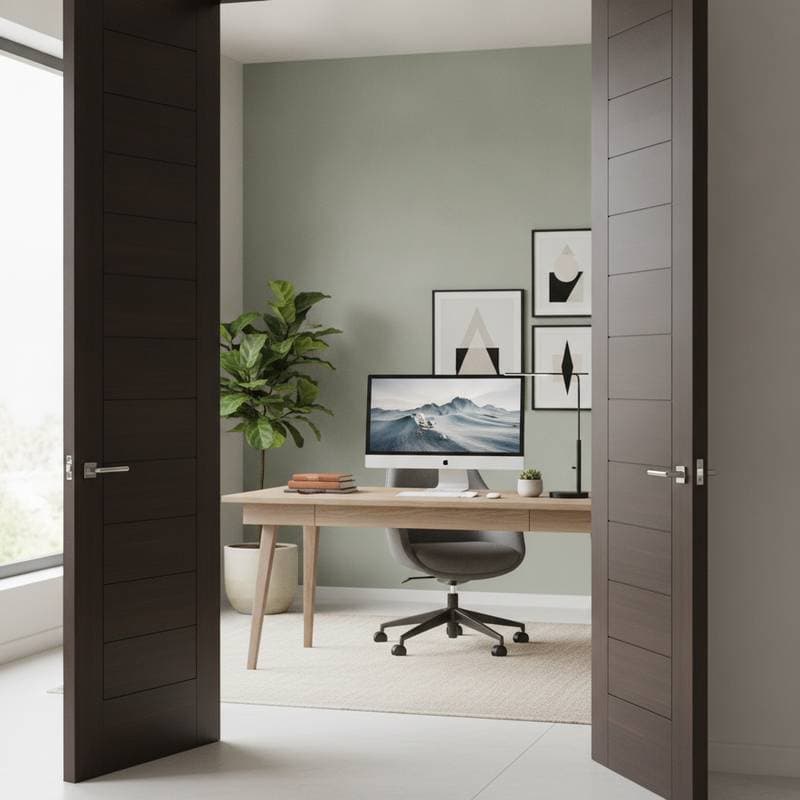
Upgrading to an acoustic door is one of the most effective ways to improve focus in a home office. It offers a noticeable drop in ambient noise, enhances privacy, and supports a more professional workspace. The investment pays off not only in quiet but also in comfort and productivity. A simple door upgrade can turn a noisy corner of your home into a peaceful, dedicated workspace built for lasting concentration.