Why Soundproof Doors Are Booming for Home Offices
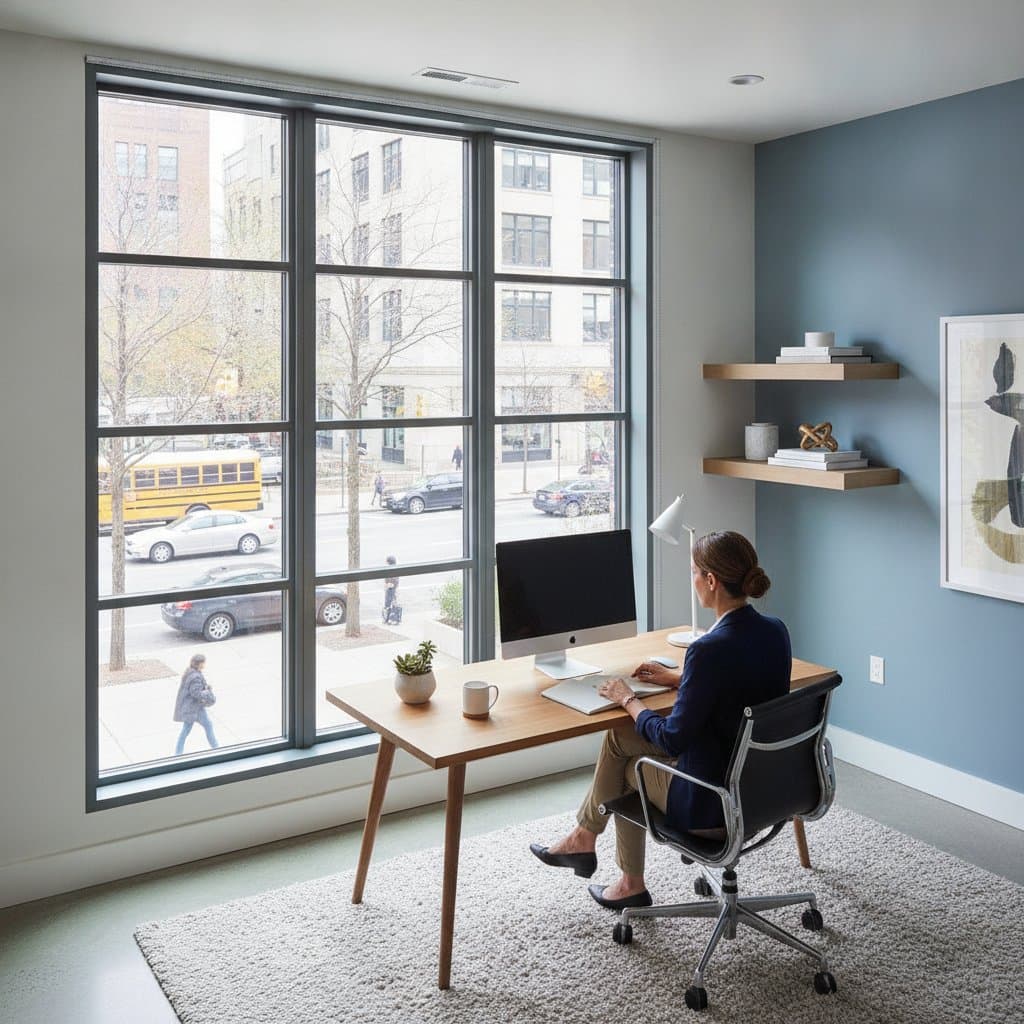
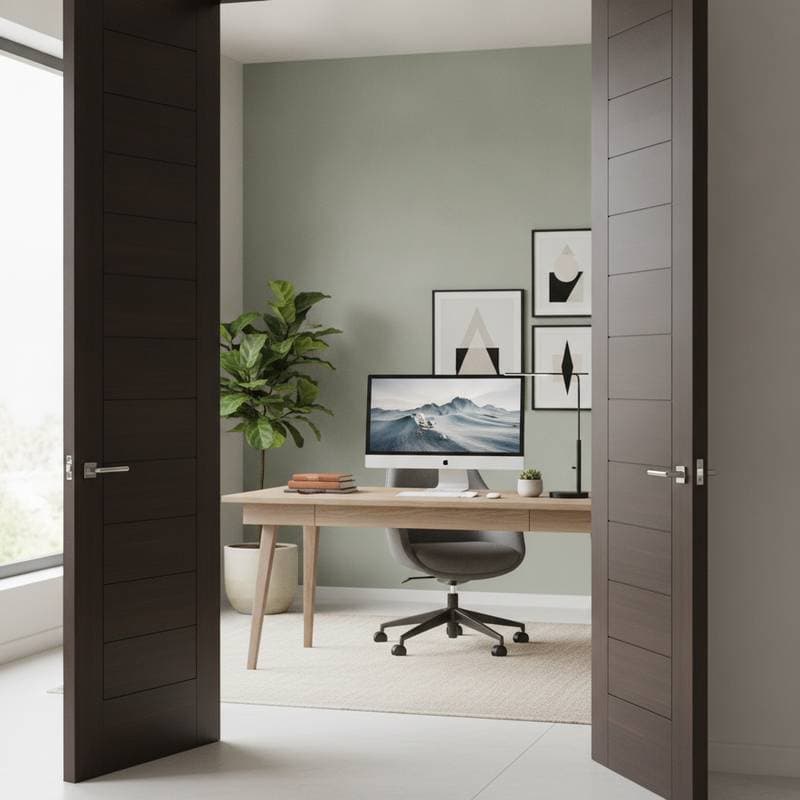
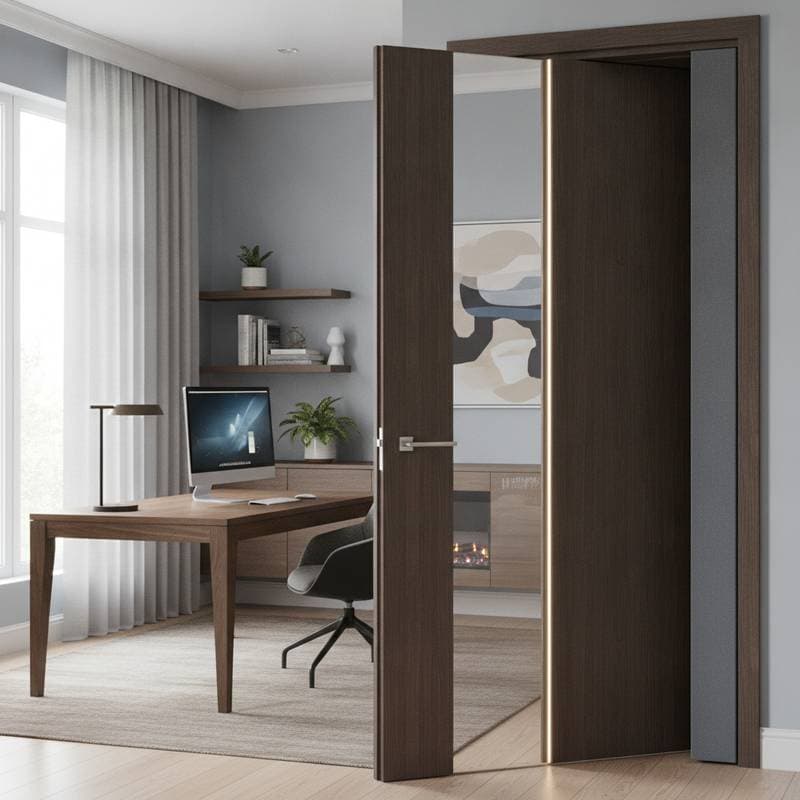
Home offices have become permanent features in many residences. Focus and privacy now rank alongside style when homeowners plan these spaces. Soundproof doors address these priorities through targeted acoustic design.
The Growing Need for Quiet Spaces
Remote and hybrid work schedules have increased daily exposure to household noise. Standard hollow core doors allow sound to pass easily between rooms. Soundproof models reduce this transmission through denser construction and better seals.
Effective separation supports both concentration during work hours and clear boundaries after hours. The result is lower stress and improved daily comfort.
How Soundproof Doors Reduce Noise
Performance depends on the Sound Transmission Class rating. Standard interior doors typically score near 20. Quality acoustic doors reach 40 or higher when installed correctly.
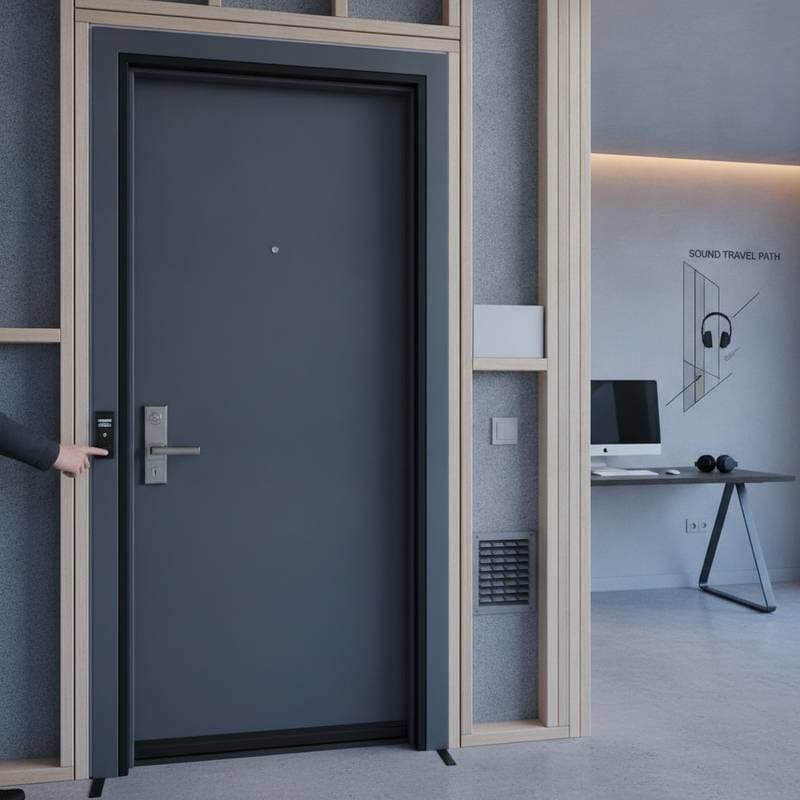
Several features work together. Solid cores absorb vibration. Acoustic gaskets close gaps along the sides and top. Dense cores made from engineered wood or MDF limit sound passage. Reinforced frames reduce vibration transfer from surrounding walls.
Material Options and Performance Tradeoffs
Material choice affects cost, weight, and appearance. The table below summarizes common selections.
| Material Type | Initial Cost | Lifespan | Maintenance | Best For |
|---|---|---|---|---|
| Solid Wood | Moderate to High | Long | Occasional refinishing | Traditional interiors that benefit from natural warmth |
| MDF or Composite Core | Moderate | Medium to Long | Minimal cleaning | Projects that require balanced cost and performance |
| Acoustic Laminated Construction | High | Long | Minimal cleaning | Studios or executive offices that demand maximum isolation |
Solid wood provides inherent density and visual appeal. MDF offers uniform results at lower cost. Laminated systems deliver the highest ratings but require professional handling due to weight.
Installation Steps That Protect Performance
Door selection alone does not guarantee results. Installation quality determines final sound reduction.
- Evaluate the existing frame and measure current noise levels.
- Remove the old door and confirm the jamb is square and undamaged.
- Fit the new door with heavy hinges and acoustic weatherstripping.
- Add bottom seals or automatic drops to close the threshold gap.
- Test for leaks by listening from the opposite side and adjust seals as needed.
Ongoing checks of gaskets maintain long term effectiveness.
Design and Lifestyle Integration
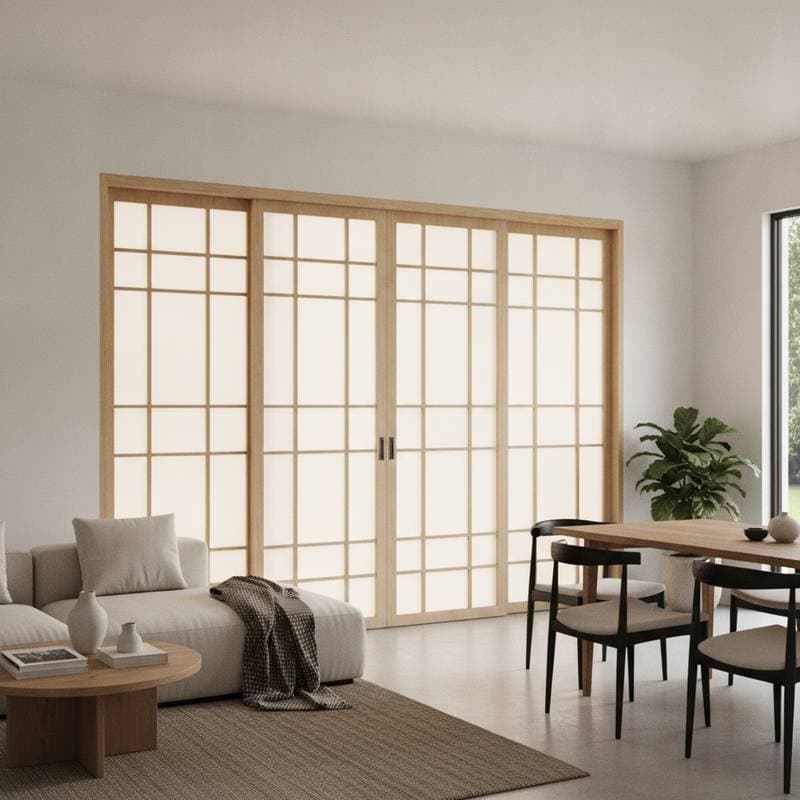
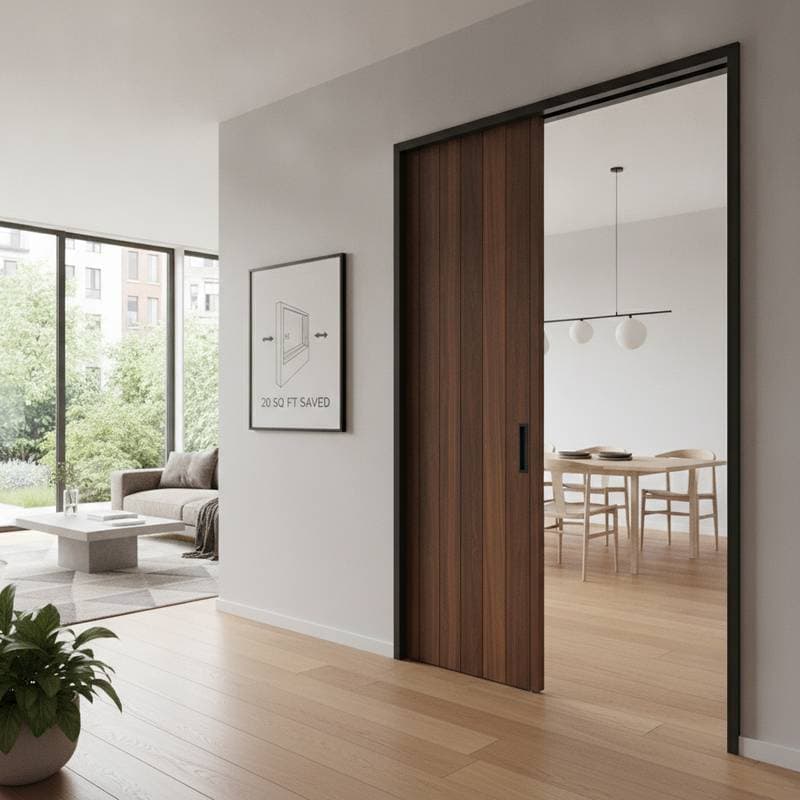
Acoustic doors now come in finishes that match contemporary interiors. Veneers, painted surfaces, and optional frosted glass inserts preserve style. Uniform door styles across multiple work areas support visual continuity.
The same doors also serve media rooms and nurseries by containing sound where it belongs.
Cost Considerations and Ongoing Value
Higher initial prices are offset by durability and daily benefits. Solid and composite models often last decades. Routine cleaning with mild soap and periodic seal inspection preserve function.
Selecting the Right Option for Your Space
Identify the main noise source first. Match door weight to room use. Align finish and hardware with existing décor. Balance performance targets against available budget and installation timing.
Small gaps at edges can reduce effectiveness. Confirm that seals compress evenly and that no light shows around the closed door.
Soundproof doors create measurable improvements in focus and household harmony. They support productive work while protecting personal time.