Cut Home Office Noise 80% With Acoustic Wood Doors
Quiet has become essential in many homes. Shared spaces now serve multiple purposes, from work to family activities. Acoustic wood doors provide an effective solution that reduces sound transfer while preserving natural materials and architectural character.
Why Acoustic Wood Doors Work
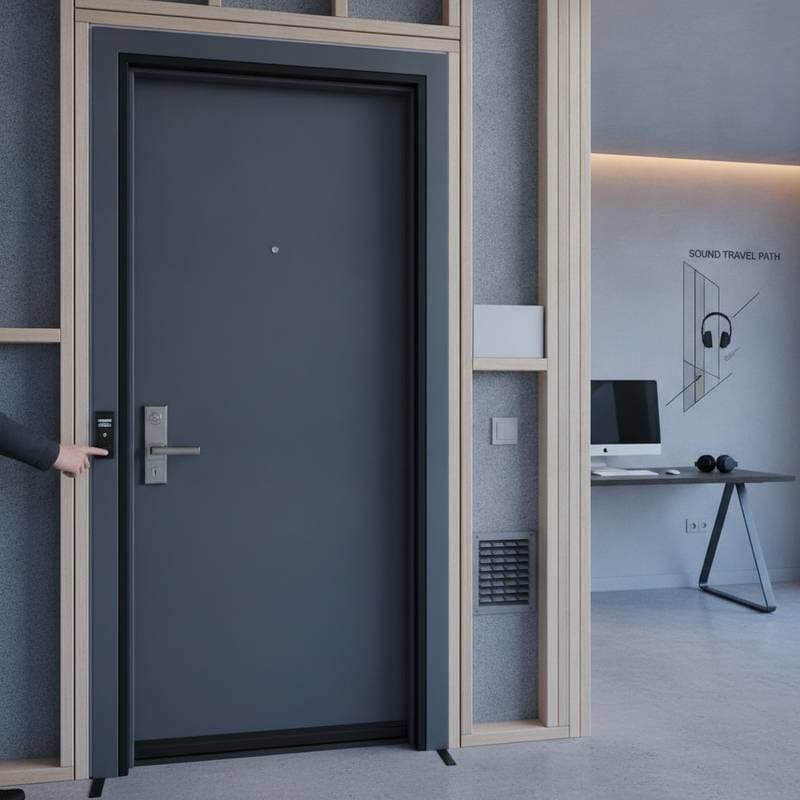
Sound control relies on mass, density, and complete sealing. Solid core wood doors outperform hollow core versions by limiting vibration and transmission. Adding perimeter seals and thresholds further blocks conversations and household sounds from reaching the workspace.
These doors also deliver visual appeal. Real wood grain and varied finishes create warmth that complements most interior styles.
Three Budget Based Approaches
Save Approach ($500 to $1200)
- Select a solid core engineered wood door with oak or maple veneer.
- Apply adhesive acoustic seals to the jamb.
- Replace the door between the office and main hallway first.
- Choose a flat panel style that accepts paint or stain to match existing trim.
Mid Range Approach ($1200 to $2800)
- Choose a solid hardwood door that includes an acoustic core or laminate layers.
- Order a prehung unit with factory gaskets already installed.
- Add a drop down threshold to seal the floor gap.
- Coordinate hardware finishes with other office elements.
Invest Approach ($2800 to $5000)
- Specify a fully rated acoustic door with documented sound transmission class performance.
- Include concealed seals, reinforced hinges, and a precision frame.
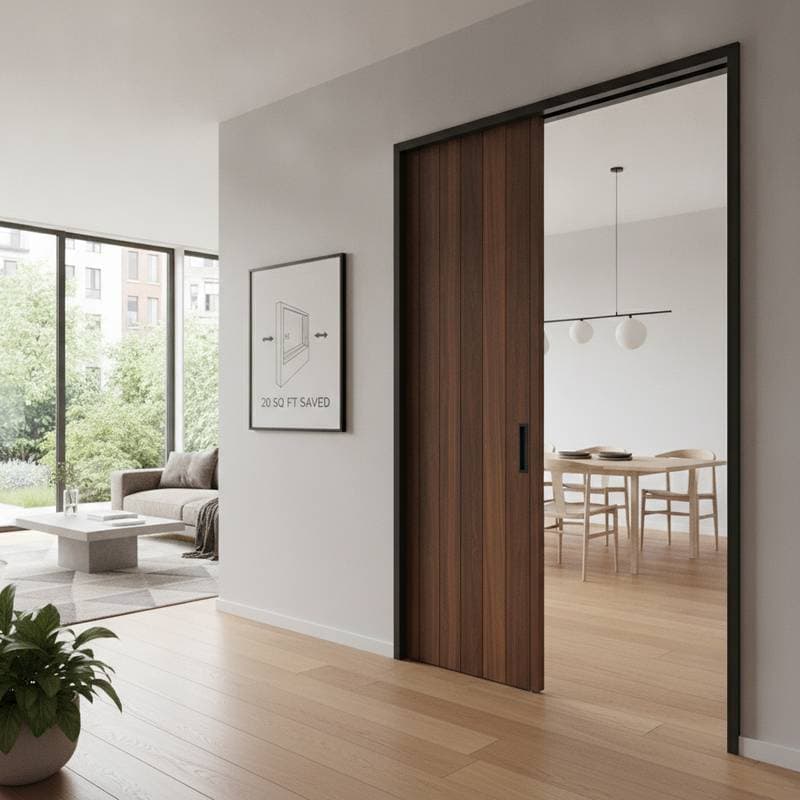
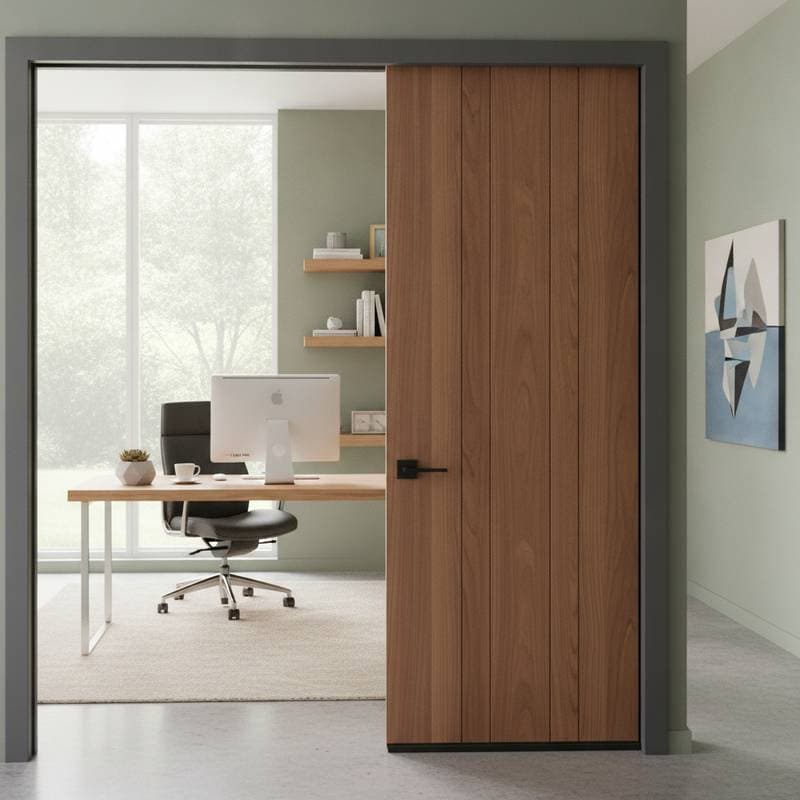
- Select premium veneers such as walnut or rift cut white oak.
- Consider laminated glass inserts that preserve daylight without sacrificing isolation.
Material and Finish Options
Solid core engineered wood supplies strong sound resistance at moderate cost. Veneer and hardwood surfaces add higher visual quality. Acoustic rated models incorporate mass loaded vinyl or composite cores for greater dampening.
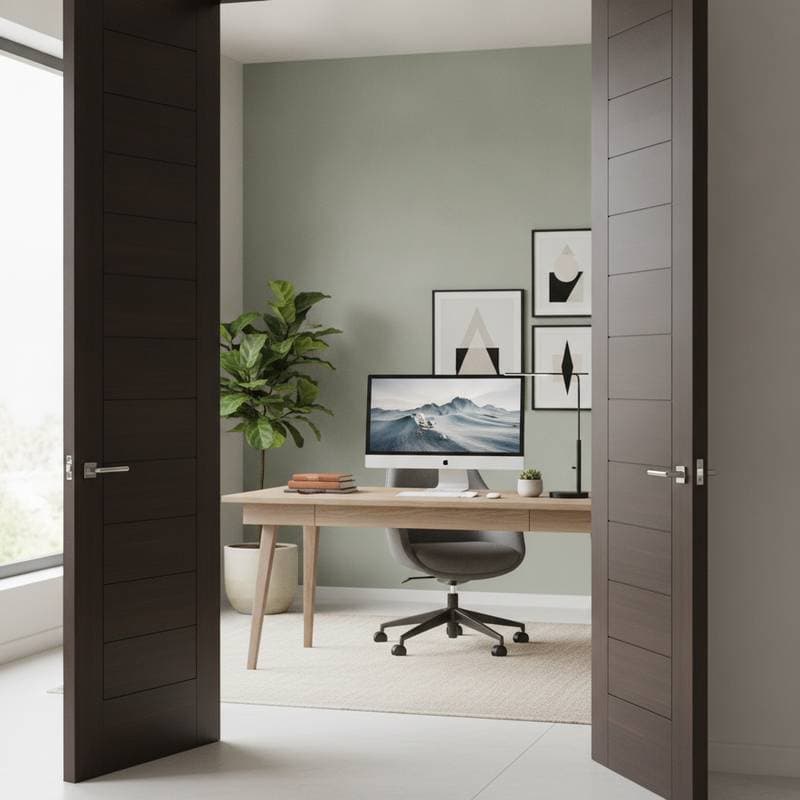
Natural stains in honey oak, espresso walnut, or matte ash produce warmth. Painted finishes in soft gray, navy, or charcoal suit contemporary rooms. Heavy latches and sealed hinges reduce vibration. Satin nickel, aged bronze, and matte black hardware coordinate with most fixtures.
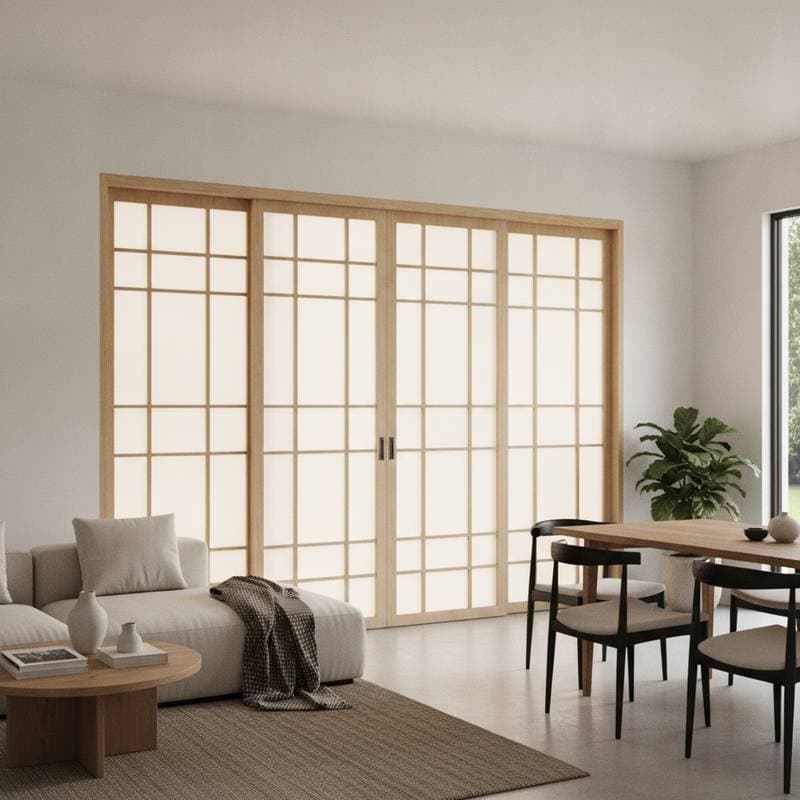
Laminated glass panels or narrow sidelights maintain brightness. Frosted or reeded textures provide privacy while softening light. Solid wood jambs with integrated seals or retrofit kits complete the assembly.
Maintenance Requirements
Wipe surfaces with a soft cloth and mild cleaner. Reapply a protective topcoat every few years in sunny or humid conditions. Inspect seals once a year and replace any that show drying or cracking. Avoid repeated slamming to protect long term performance.
Common Installation Errors
Small air gaps around the frame can reduce effectiveness sharply. Always install both perimeter seals and a threshold. Pairing a new door with an unreinforced existing frame also limits results. Match the door and frame acoustically from the start.
Heavy surface trim or panels can create vibration points. Keep added decoration minimal and rely on wall art instead. Verify core density and STC rating before purchase to avoid purely decorative solid wood options.
Style and Color Combinations
Home office doors influence the visual transition between private and shared areas. Natural modern schemes pair white oak veneer with black or brushed steel hardware. Warm classic looks use rich cherry stain, antique brass, and off white trim.
Calm contemporary rooms feature a painted gray door with satin nickel hardware against crisp white walls. Industrial neutral palettes combine dark walnut with black hardware and simple frame details. Coastal light finishes use bleached ash or pale birch with polished chrome.
Space Documentation Steps
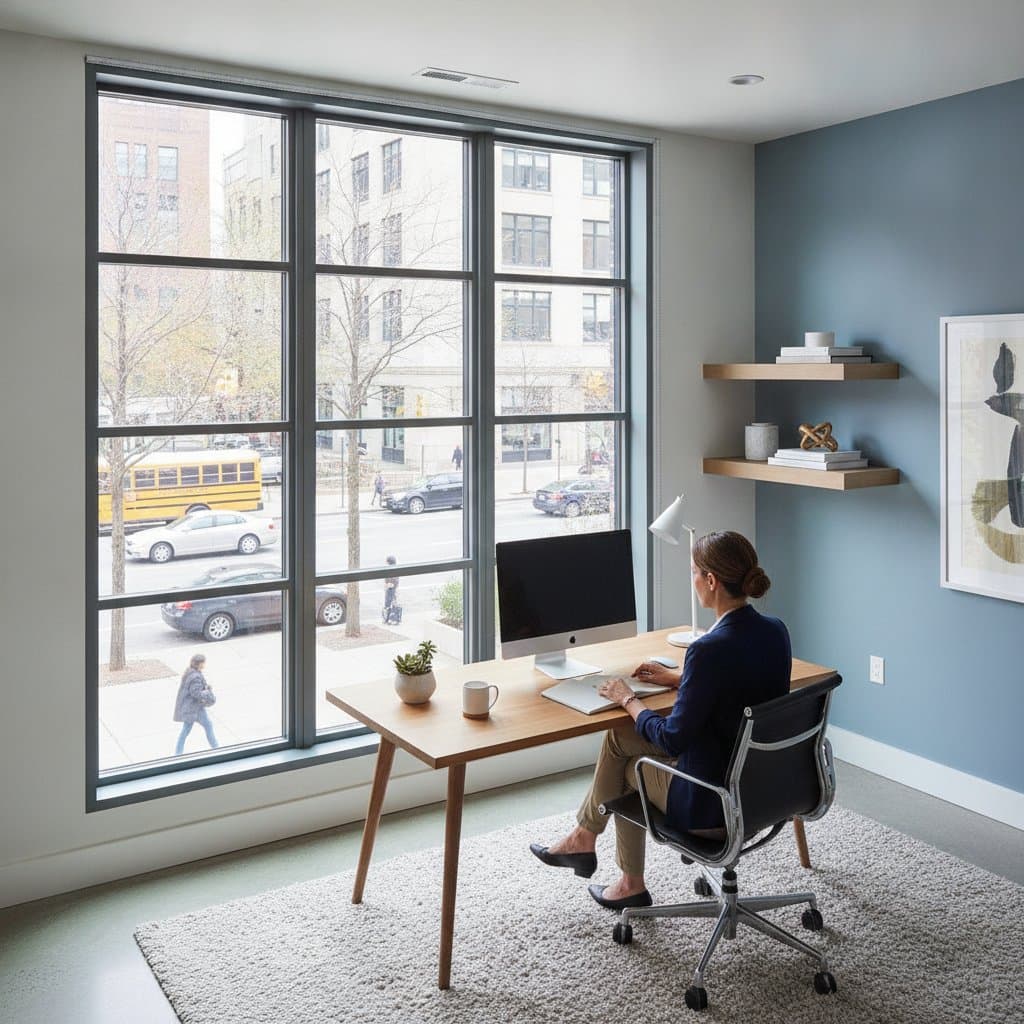
Photograph the existing door from both sides and note hinge and hardware details. Record room corners, ceiling height, flooring, and adjacent finishes. Capture hallway transitions and nearby windows. Take daytime and evening images to assess light levels. Mark primary noise entry points such as vents or shared walls.
These records clarify whether a simple swap or full frame upgrade is required.
Selecting Your Acoustic Door
An acoustic wood door turns a noisy area into a focused workspace. It functions as both a design element and a performance feature. Careful attention to core type, seals, and finish produces immediate improvements in comfort and concentration.